A Strange Lump After Sneezing? It May Be a Tonsil Stone
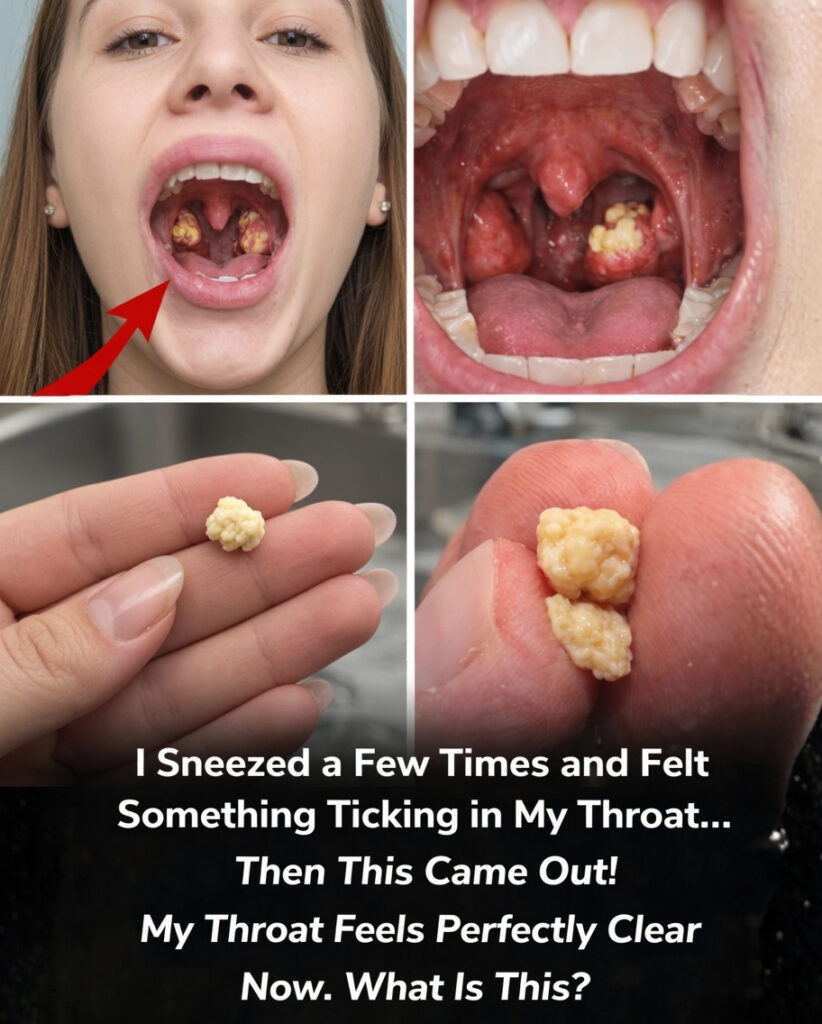
Picture this: you are in the middle of a normal day, then a sudden sneeze catches you off guard. Right afterward, you notice something unusual shift in your throat. A tiny yellowish or whitish lump comes out, and your throat suddenly feels clearer. It can be surprising, even alarming, if you have never experienced it before.
In many cases, that odd little piece is a tonsil stone. These small buildups are fairly common and usually form in the back of the throat. The good news is that they are often harmless. Even better, knowing why they develop and which simple daily habits can support better throat comfort may help you deal with them more easily. One often-missed factor is closely tied to your everyday oral care routine.
What Are Tonsil Stones?
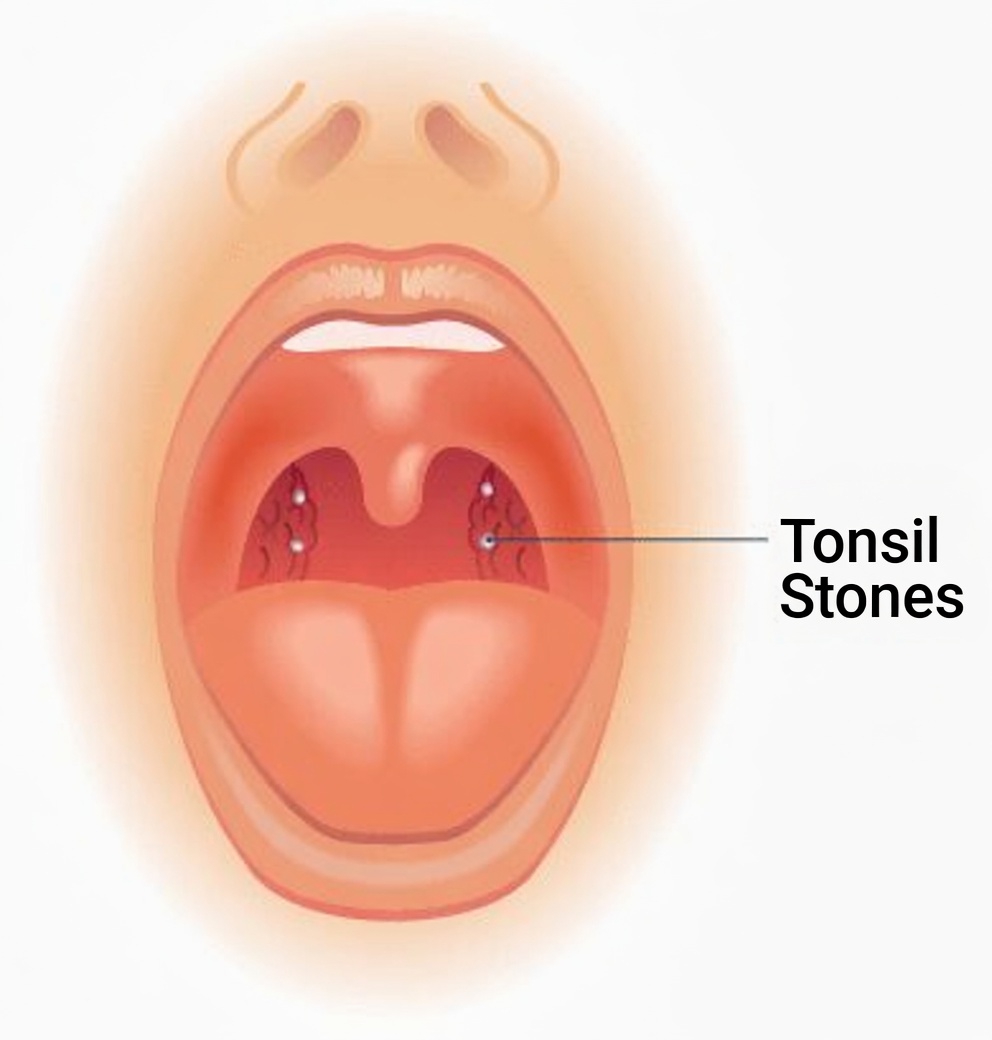
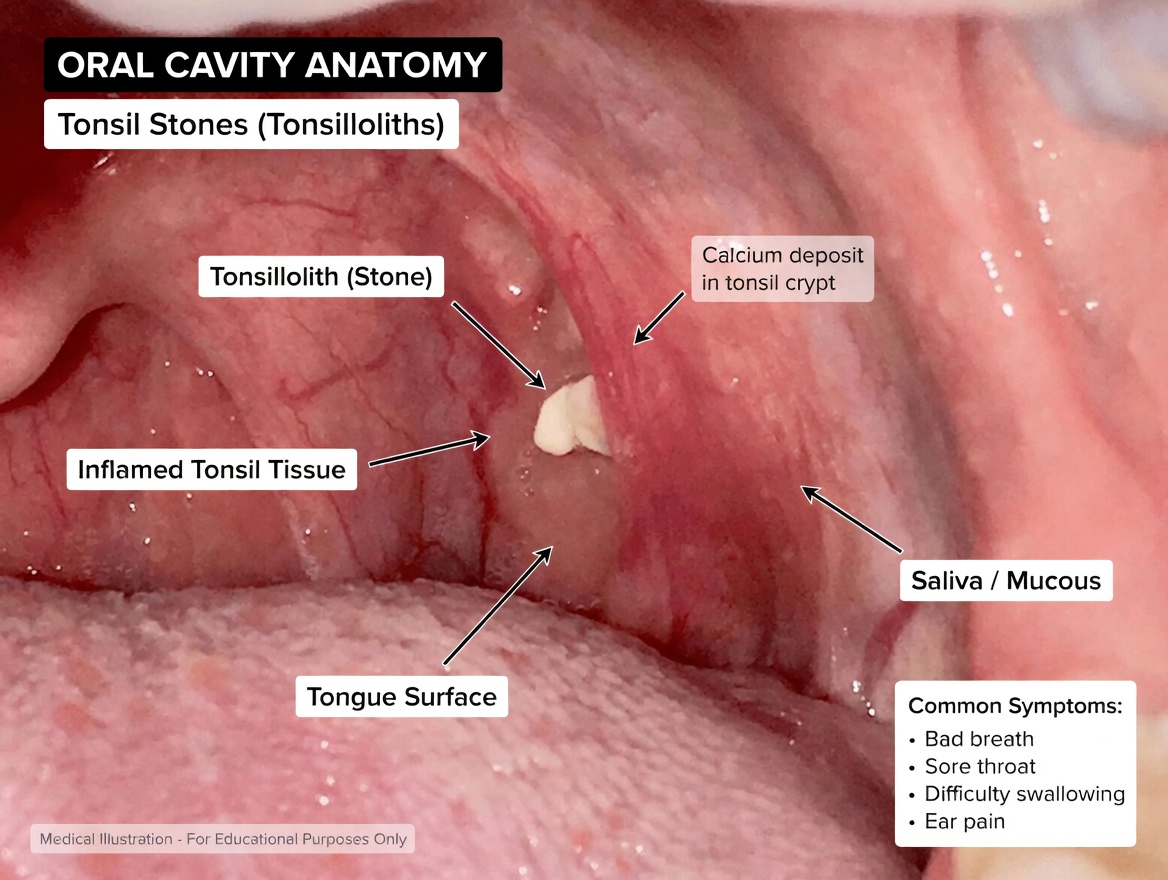
Tonsil stones, medically known as tonsilloliths, are small hardened deposits that collect inside the tiny pockets of the tonsils. Your tonsils sit at the back of your throat and play a role in trapping germs and other particles. Because they contain natural folds and openings called crypts, small bits of food, mucus, bacteria, and dead cells can become lodged there.
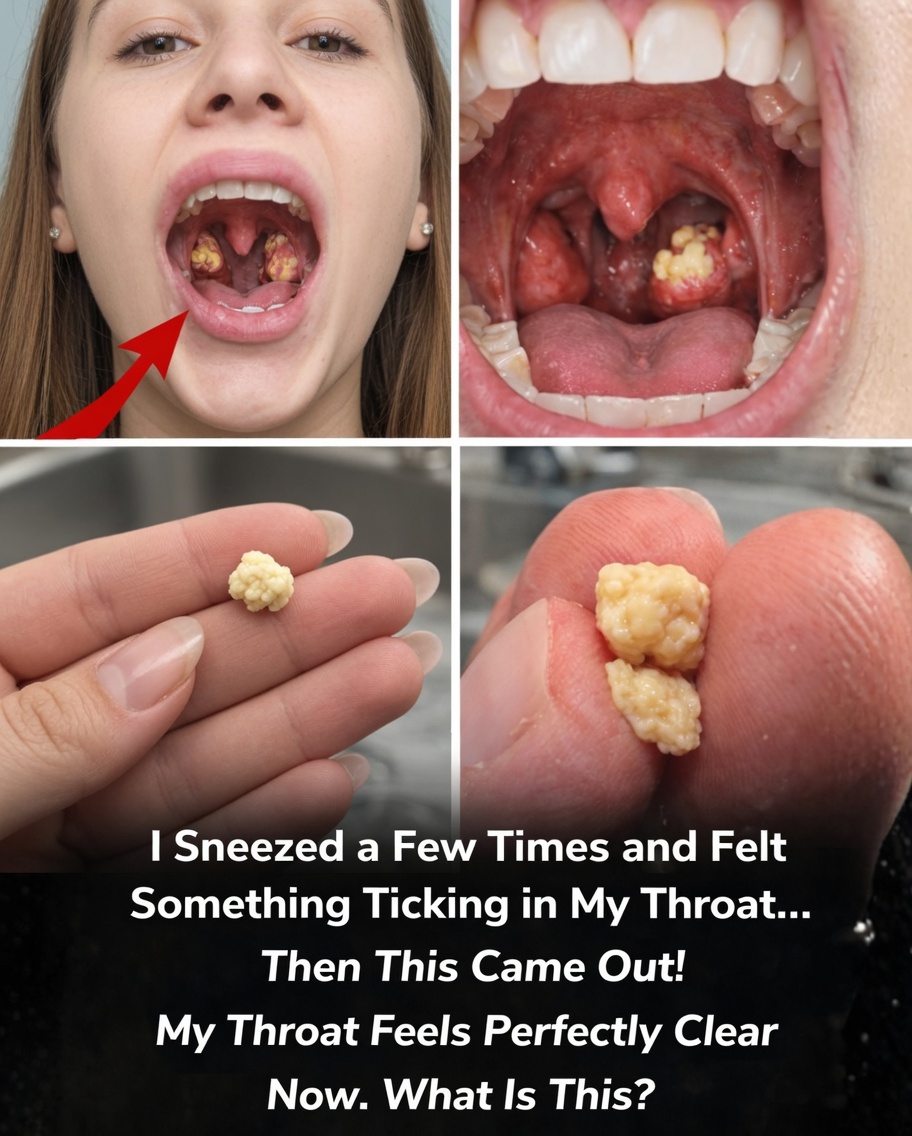
As time passes, this trapped material can harden due to minerals such as calcium found in saliva. That process creates the small pebble-like lumps people notice. Tonsil stones may look white, pale yellow, or slightly cream-colored, and their size can vary from tiny dots to pieces as large as a grain of rice or even a small pea.
According to medical sources such as the Cleveland Clinic, tonsil stones are quite common. Some research suggests that as many as 40% of people may experience them at some point, although many never realize they have them.
Why Do Tonsil Stones Develop?
The main reason tonsil stones form is simple: debris gets trapped in the tonsil crypts instead of being washed away by saliva or swallowed naturally. Some people are more likely to develop them because of certain factors, including:
- Deep or uneven tonsil crypts — Some tonsils naturally have more folds and pockets.
- Repeated throat inflammation — A history of tonsillitis or ongoing irritation can leave behind more places for debris to collect.
- Inconsistent oral hygiene — Skipping brushing, flossing, or tongue cleaning allows more bacteria and residue to build up.
- Dry mouth — Less saliva means less natural cleansing inside the mouth and throat.
There is also another reason tonsil stones become so noticeable: the bacteria inside them can produce a strong smell while breaking down trapped debris. That explains one of their most common and frustrating symptoms.
Common Symptoms of Tonsil Stones
Not every tonsil stone causes discomfort. In fact, many remain unnoticed and fall out on their own, especially after coughing, sneezing, or gargling. When symptoms do appear, they may include:
- Persistent bad breath that does not improve much with brushing alone
- A sensation of something stuck in the throat
- Mild throat irritation or soreness
- Occasional ear discomfort, due to shared nerve pathways
- An unpleasant taste in the mouth
- Visible white or yellow spots on the tonsils
If you have ever coughed or sneezed and felt immediate relief after something small came out, a tonsil stone may have just dislodged naturally.
Safe At-Home Ways to Manage Tonsil Stones
Most tonsil stones are not dangerous and can often be managed with gentle care at home. The key is to focus on habits that reduce buildup and support a cleaner mouth and throat.
1. Gargle With Warm Salt Water
Mix 1/2 teaspoon of salt into 8 ounces of warm water. Gargle for about 20 to 30 seconds, especially after meals or when your throat feels irritated. This may help loosen trapped material and calm the area.
2. Drink More Water
Staying hydrated helps maintain saliva flow, which naturally rinses the mouth and throat. If your mouth tends to feel dry, drinking water regularly throughout the day can be especially helpful.
3. Brush, Floss, and Clean Your Tongue
Good oral hygiene matters. Brush your teeth twice daily, floss regularly, and do not forget the back of your tongue. A soft toothbrush or tongue scraper can help remove bacteria that contribute to buildup and odor.
4. Use a Water Flosser Carefully
Some people find that a water flosser on a low setting helps gently rinse the tonsil area. If you try this, use light pressure and avoid forcing water too aggressively into the crypts.
Important Safety Note
Do not use sharp tools, toothpicks, or your fingers to dig at tonsil stones. This can injure the tonsils, cause bleeding, or push material deeper into the tissue.
Medical guidance from sources such as the Mayo Clinic consistently points to strong daily oral care as an effective way to support throat comfort and possibly reduce recurring tonsil stone formation.
Daily Prevention Tips for a Fresher Throat
Small habits can make a big difference over time. If you are prone to tonsil stones, these steps may help lower the chance of buildup:
- Brush twice a day and floss once a day
- Clean your tongue regularly
- Gargle after eating, especially after sugary or dairy-heavy meals
- Chew sugar-free gum to naturally stimulate saliva
- Try to avoid mouth breathing, which can dry the throat
- Visit your dentist regularly for checkups and personalized advice
Helpful Habits vs. Habits That Can Increase Buildup
| Helpful Habits | Habits That May Worsen Buildup |
|---|---|
| Drinking water regularly | Not drinking enough water |
| Gargling with salt water | Skipping throat rinsing |
| Brushing and flossing consistently | Poor oral hygiene |
| Cleaning the tongue | Ignoring tongue buildup |
| Rinsing after meals | Leaving food residue in the mouth |
| Encouraging nasal breathing when possible | Mouth breathing during sleep |
When to See a Healthcare Professional
Although tonsil stones are usually only a minor nuisance, there are times when medical advice is important. Contact a healthcare provider if you experience:
- Frequent or unusually large tonsil stones
- Ongoing throat pain, redness, or swelling
- Trouble swallowing or breathing
- Fever or other signs of infection
An ENT specialist can evaluate the problem and, if necessary, remove stones safely. In uncommon cases where stones return often and interfere with daily life, they may discuss treatments aimed at the deeper tonsil crypts.
Final Thoughts
If a small lump came out after sneezing, it was likely a tonsil stone—a hardened piece of trapped debris from the pockets in your tonsils. While the experience can feel strange, these stones are usually harmless. Paying attention to oral hygiene, drinking enough water, and gargling gently can often help reduce future issues and improve breath freshness.
The surprising connection many people miss is this: tonsil stones are often closely linked to daily habits that affect how clean and clear those hidden tonsil crevices stay.
FAQ
What do tonsil stones smell like?
They often have a strong, unpleasant odor because bacteria break down the trapped material. Many people describe the smell as foul, sour, or cheese-like.
Are tonsil stones contagious?
No. Tonsil stones are not contagious. They are formed from debris and bacteria already present in your own mouth and throat.
Can tonsil stones disappear on their own?
Yes. Smaller stones often come out naturally through coughing, sneezing, swallowing, or gargling, sometimes without you even noticing.
Disclaimer
This article is intended for informational purposes only and should not replace professional medical advice. If you have concerns about symptoms in your mouth or throat, consult a qualified healthcare provider for personalized care.