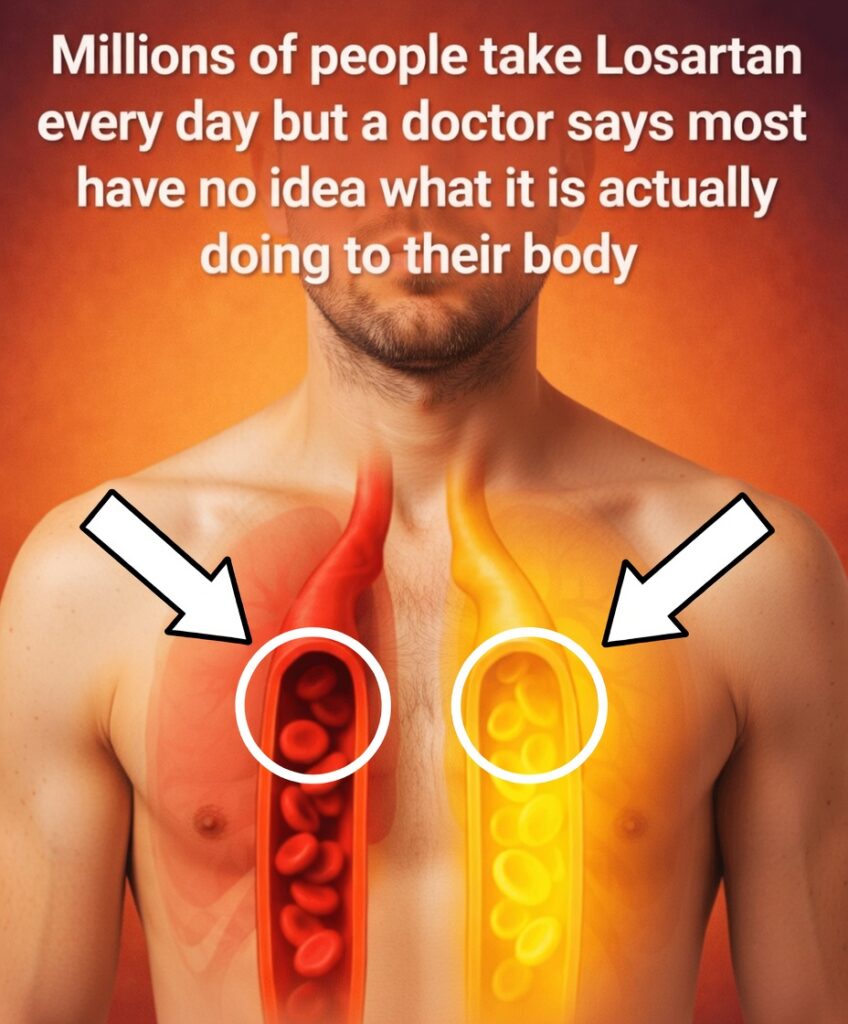
How Losartan Affects Your Body
When you take losartan, it triggers targeted changes mainly in your blood vessels, heart, and kidneys. Its core job is to relax and widen blood vessels, lower blood pressure, and protect vital organs — usually without causing major shifts in other body systems for most people.
What Type of Medicine Losartan Is
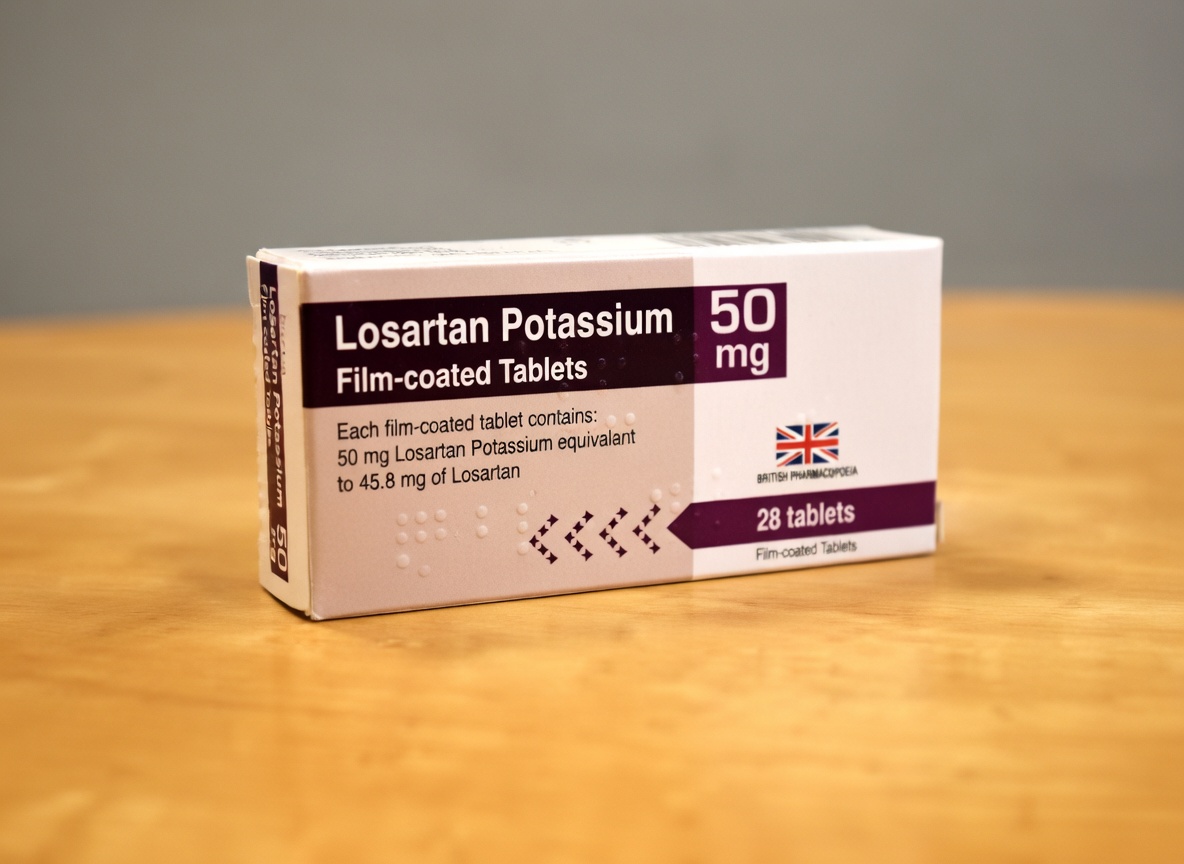
Losartan is part of the drug class known as angiotensin II receptor blockers (ARBs).
Angiotensin II is a natural hormone that:
- Tightens (constricts) blood vessels
- Raises blood pressure
- Stimulates the release of aldosterone, which makes the kidneys retain salt and water
Losartan blocks angiotensin II from attaching to its main targets, especially AT1 receptors found in:
- Blood vessel walls
- The adrenal glands
- The kidneys
By blocking those receptors, losartan:
- Prevents blood vessels from tightening
- Promotes vasodilation (relaxation and widening of vessels)
- Makes it easier for blood to move through the circulatory system
- Reduces the workload on the heart
- Lowers overall blood pressure in a controlled way
How Quickly Losartan Starts Working
Losartan begins acting relatively soon after the first dose:
- You may see a noticeable drop in blood pressure within a few hours
- The full blood pressure–lowering effect typically develops over 3–6 weeks, as your body gradually adapts
Losartan also decreases the release of aldosterone, a hormone that tells your kidneys to hold onto sodium and water. With less aldosterone activity:
- You excrete more sodium and fluid
- Blood volume decreases
- Blood pressure control improves further
Effects on Your Cardiovascular System
Losartan’s primary impact is on the heart and blood vessels.
Blood Vessels and Blood Flow
Under the influence of losartan:
- Arteries and veins become less narrowed
- Blood flows more freely through the vascular system
- Oxygen delivery to the heart, brain, and other organs improves
Over time, this reduction in vascular resistance eases the strain on the heart muscle.
Heart Structure and Function
In people with left ventricular hypertrophy (thickening of the heart’s main pumping chamber), losartan can:
- Reduce the stress on the heart
- Help limit further thickening of the heart wall
- Lower the risk of stroke in patients with high blood pressure and an enlarged heart, as shown in clinical studies
Unlike beta-blockers, losartan usually does not significantly slow your heart rate, which is one reason many patients tolerate it well.
Kidney-Protective Benefits
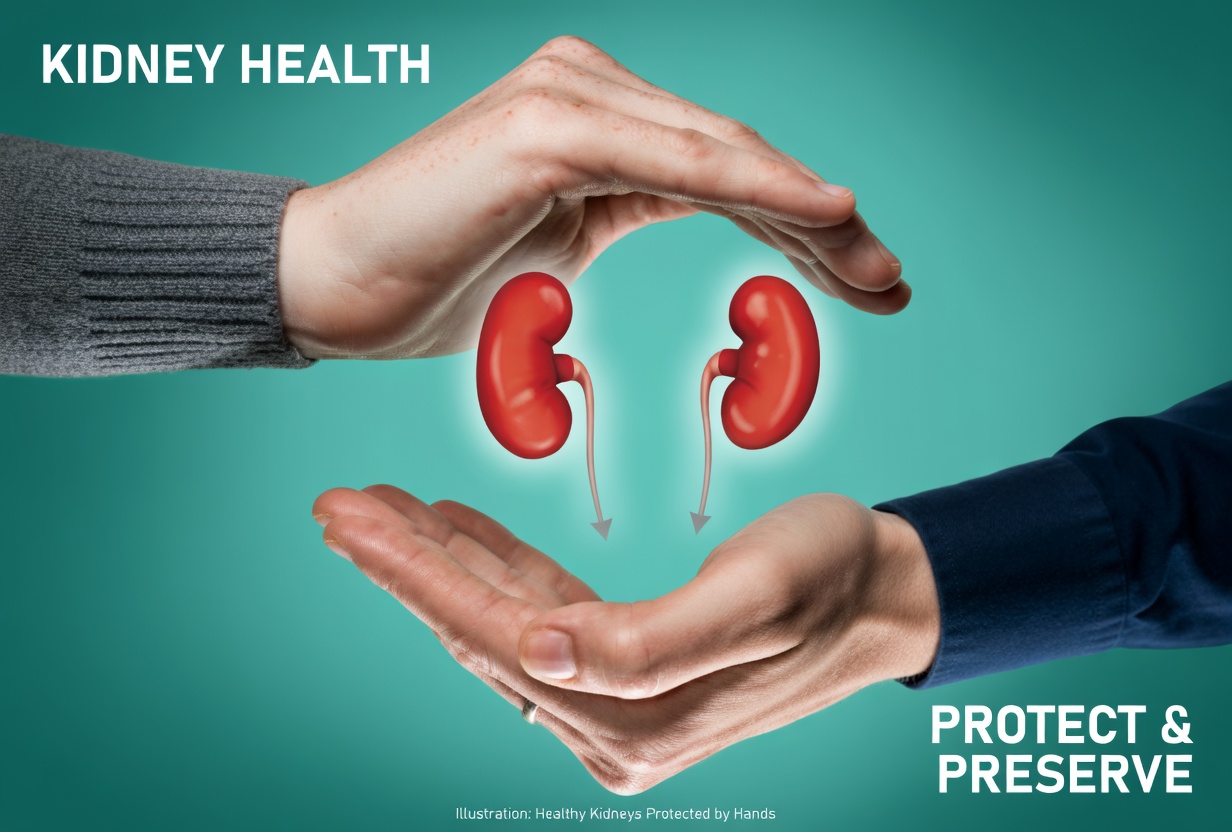
Losartan offers important protective effects for the kidneys, especially in people with:
- Type 2 diabetes
- Early diabetic kidney disease (diabetic nephropathy)
Inside the kidneys, losartan:
- Widens the efferent arterioles (the small blood vessels that carry blood away from the filtering units)
- Lowers pressure within the glomeruli (the filters that clean your blood)
These changes can:
- Slow the progression of chronic kidney disease
- Reduce protein loss in the urine (proteinuria)
- Delay the need for dialysis or more aggressive treatments in some patients
Importantly, these kidney benefits are not solely due to lower blood pressure; they reflect specific renoprotective effects of ARBs like losartan.
Other Subtle Changes in the Body
Losartan also affects fluid and electrolyte regulation in milder ways.
Fluid Balance and Electrolytes
Because it reduces aldosterone activity, losartan can:
- Promote sodium and water excretion
- Slightly increase potassium levels in the blood (risk of hyperkalemia)
For most people, this potassium rise is small, but it can become important if you:
- Have kidney problems
- Take other medications that raise potassium
- Use potassium supplements or salt substitutes regularly
Metabolism and Hormones
In typical users, losartan:
- Does not significantly alter blood sugar (glucose) levels
- Does not meaningfully affect cholesterol
- Does not interfere with hormones like cortisol
Unlike ACE inhibitors, ARBs such as losartan do not interfere with bradykinin breakdown, which is why they rarely cause a persistent dry cough, a common issue with ACE inhibitors.

Common Side Effects and How Your Body Adjusts
Most people tolerate losartan well, but as your body adapts, you may notice some early effects, especially in the first days to weeks.
Frequently Reported Mild Side Effects
You may experience:
- Dizziness or lightheadedness, especially when standing up quickly, as blood pressure drops
- Tiredness or mild headache while the cardiovascular system adjusts
- Nasal congestion
- Back pain or general achiness in some individuals
These symptoms often lessen or disappear within the first couple of weeks of consistent use.
Less Common but Important Effects
Because losartan can raise potassium levels, some people may develop:
- Muscle weakness
- Abnormal heart rhythms (palpitations or irregular heartbeat)
Your healthcare provider typically monitors potassium and kidney function with periodic blood tests to catch any issues early.
Rare but Serious Reactions
Seek urgent medical attention if you experience:
- Angioedema: sudden swelling of the face, lips, tongue, or throat
- A sharp decline in kidney function, especially if you are dehydrated, have existing kidney artery disease, or use certain interacting medications
Long-Term Use and Safety
Losartan is often taken for many years, sometimes lifelong, and is considered safe for long-term therapy when monitored appropriately.
Over the long term:
- Kidney function and potassium levels are checked regularly
- The medicine does not cause dependence or addiction
- Losartan has not been shown to cause cancer
Past concerns related to trace nitrosamine impurities in some batches were addressed through recalls and stricter manufacturing standards.

Important Safety Considerations
Certain situations make losartan unsafe or require extra caution.
When Losartan Should Not Be Used
Losartan is contraindicated or generally avoided in:
- Pregnancy, especially during the second and third trimesters
- It can harm fetal kidney development and lead to serious complications
- Bilateral renal artery stenosis (narrowing of the arteries supplying both kidneys)
- A known allergy or severe reaction to losartan or similar ARBs
Drug Interactions to Watch For
Do not combine losartan with certain medications unless your doctor is closely supervising you, such as:
- NSAIDs (e.g., ibuprofen, naproxen) – can reduce kidney blood flow and weaken blood pressure control
- Potassium-sparing diuretics (e.g., spironolactone, eplerenone, amiloride) – increase the risk of high potassium
- Potassium supplements or salt substitutes – can further raise potassium
- Lithium – losartan can increase lithium levels and toxicity risk
Alcohol can intensify dizziness and low blood pressure, particularly when you first start treatment or when the dose is changed.
Lifestyle Choices That Enhance Losartan’s Benefits
To support the effects of losartan and protect your heart and kidneys:
- Stay well hydrated (unless your doctor advises fluid restriction)
- Limit excess salt in your diet
- Follow guidance on high-potassium foods if your potassium tends to run high
- Exercise regularly as approved by your healthcare provider
- Avoid smoking and manage weight, blood sugar, and cholesterol where relevant
Key Takeaways
Losartan does not provide an instant cure, but it gradually resets your blood pressure regulation system, reduces stress on the heart, and can shield the kidneys from further injury in specific conditions such as diabetic nephropathy.
Many people do not feel dramatic changes after taking it — you may simply feel normal. The true benefits are seen in:
- Lower blood pressure readings
- Improved lab results (kidney function, urine protein, potassium levels)
- Reduced long-term risk of heart attack, stroke, and kidney failure
This explanation describes how losartan works in general. Individual responses vary widely.
Always:
- Take losartan exactly as prescribed
- Do not start, stop, or change the dose without medical guidance
- Discuss any side effects, new medications, or major diet changes with your doctor or pharmacist
Regular follow-up visits and blood tests help keep treatment effective and safe over the long term.