
Feeling Tired, Bloated, or Mentally Foggy? Chia Seeds May Help
Low energy, digestive sluggishness, and post-meal discomfort are common complaints for many adults—especially when stress, busy schedules, and inconsistent eating habits pile up. When you feel heavy, bloated, or unfocused, even an “easy” day can feel harder than it should.
One simple, nutrient-dense add-on that many people find helpful is chia seeds. When used consistently, they may support digestion, steadier energy, and overall well-being—especially when prepared the right way.

Why Chia Seeds Are Considered a Nutrient Powerhouse
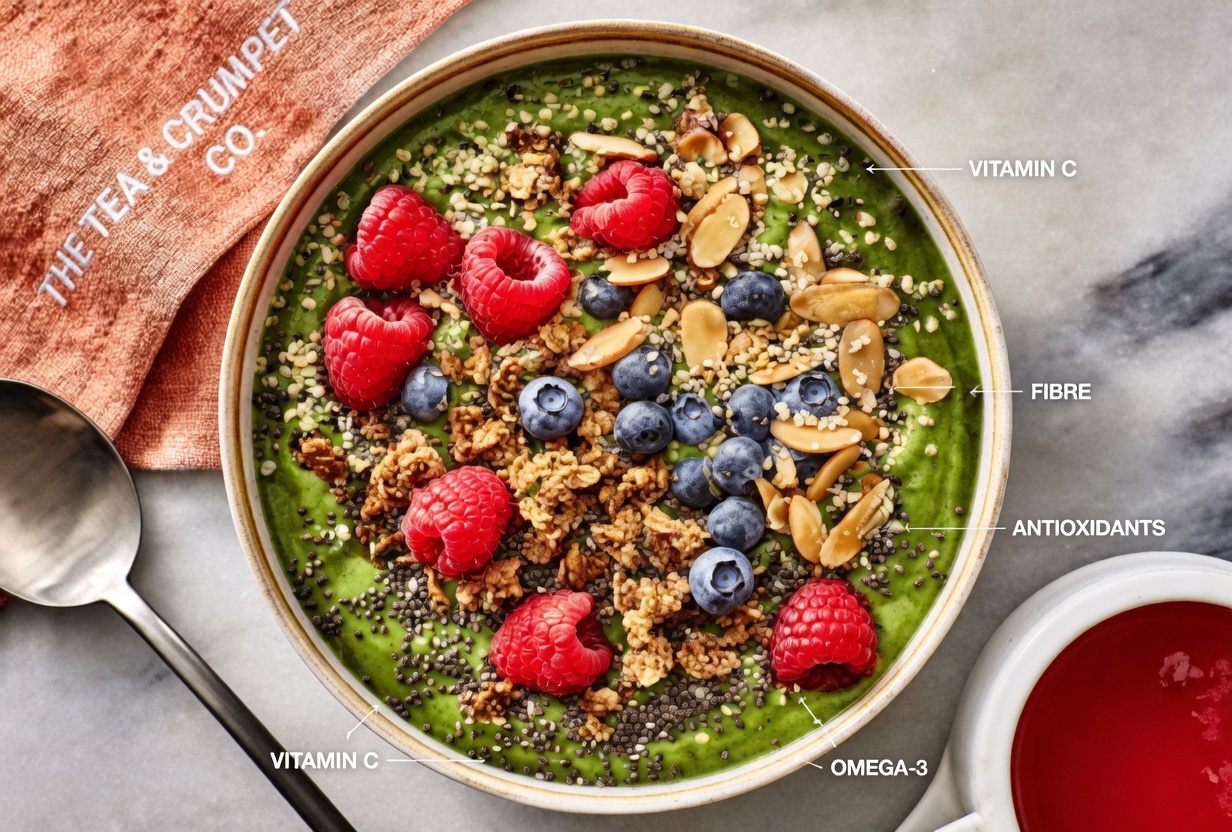
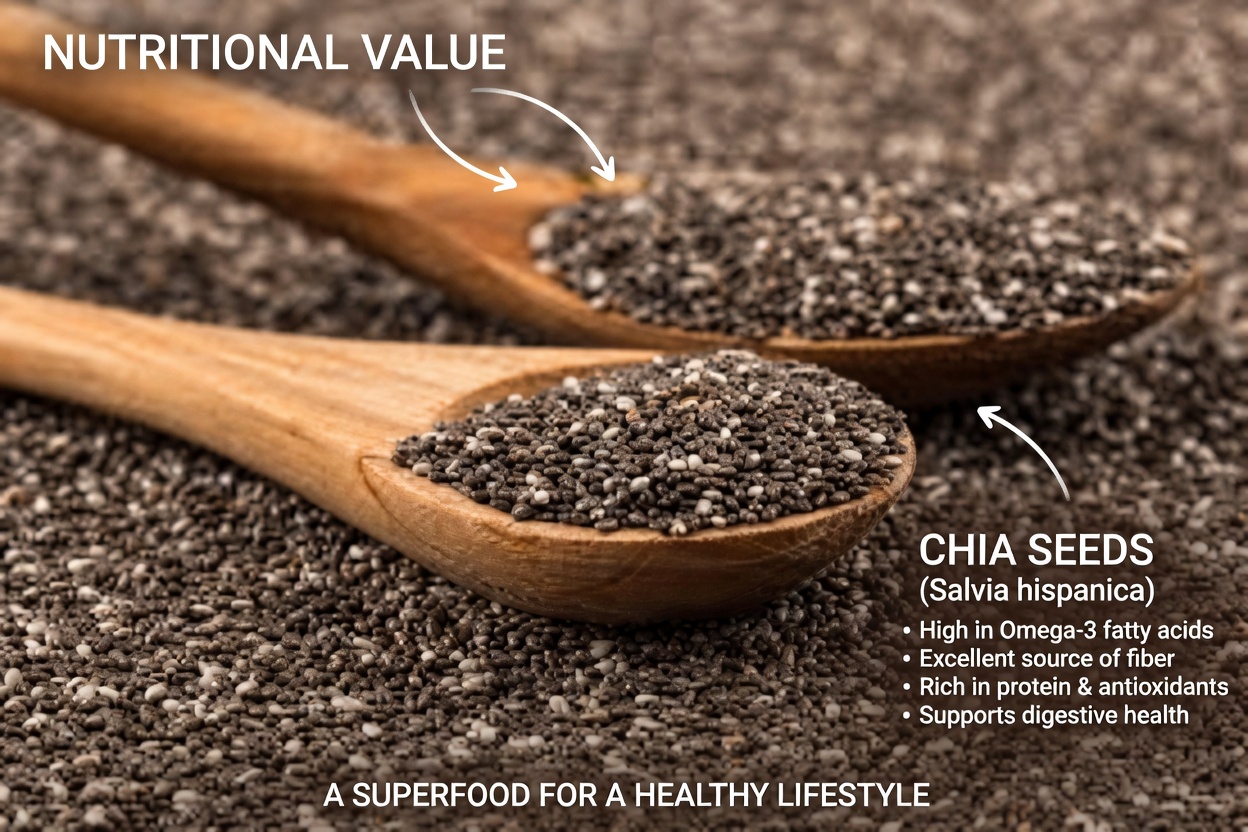
Despite their tiny size, chia seeds deliver an impressive mix of nutrients, including:
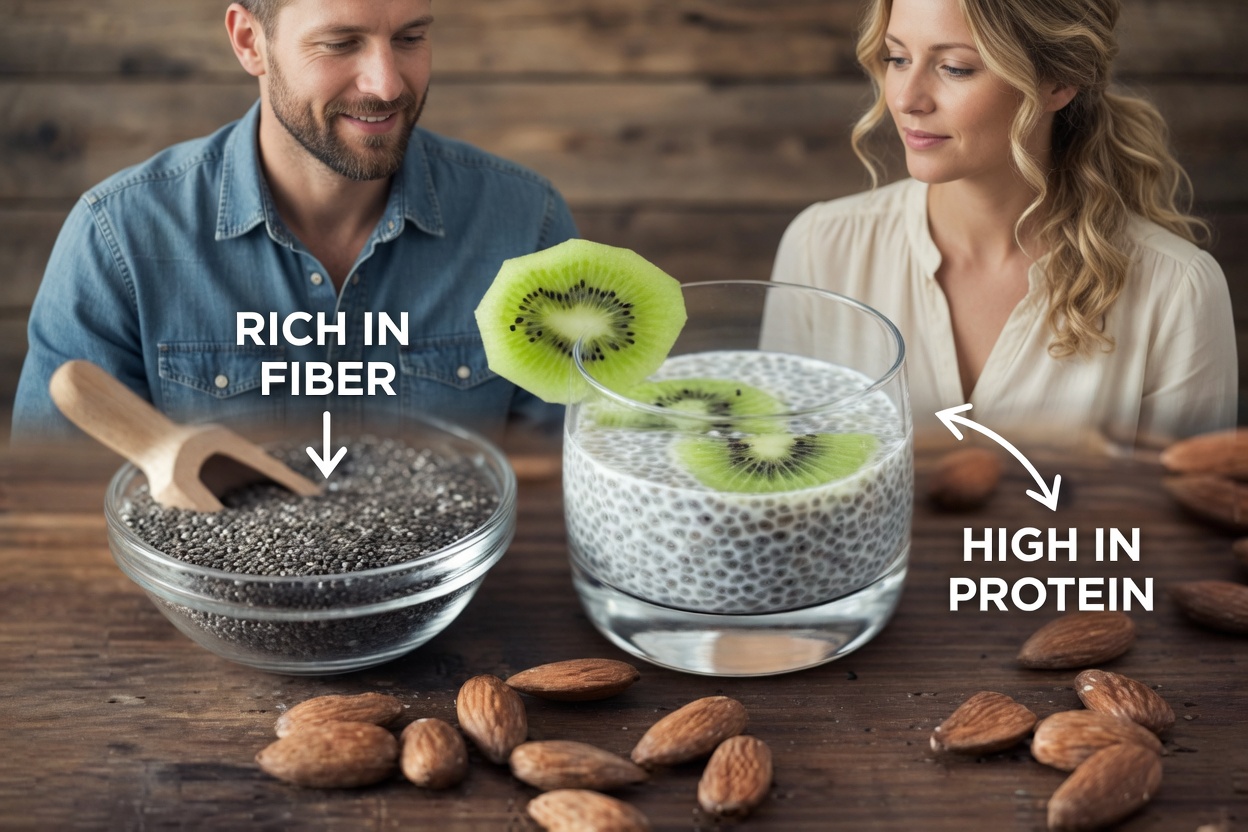
- Dietary fiber (especially soluble fiber)
- Plant-based omega-3 fatty acids
- Protein
- Key minerals like calcium and magnesium
- Antioxidants
Research suggests chia seeds can play a supportive role in heart health, more stable energy, and healthier digestion when included as part of a balanced diet.
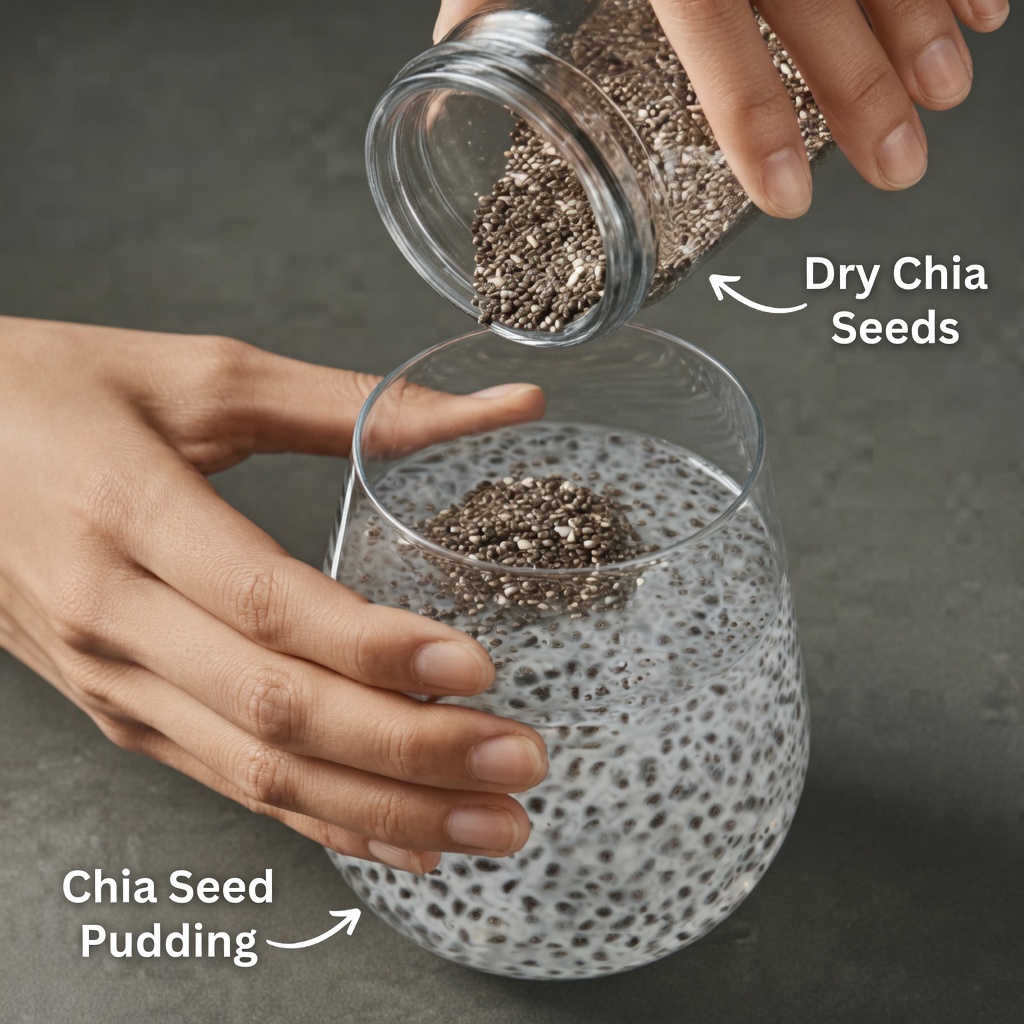
A major detail often missed: how you eat them matters. Consuming chia seeds dry means they pull liquid from your digestive tract as they expand, which can be uncomfortable for some people. Soaking them first allows the gel to form before you eat—making them gentler and often more effective.
What You Might Notice After Eating Chia Seeds for 7 Days
Individual results vary, but both research and real-world experiences point to a pattern of gradual, cumulative changes—especially with consistent daily use.
Days 1–2: Hydration Support and a Gentler Digestive Start
From day one, chia’s soluble fiber forms a gel that holds onto water. This can help you stay hydrated longer compared with water alone.
During the first 48 hours, many people report:
- Feeling a bit “lighter”
- Less occasional bloating
- Easier morning bathroom routine (better regularity)
By day two, digestion often starts feeling smoother—particularly for those who deal with irregularity.

Days 3–4: More Stable Energy and Fewer Afternoon Crashes
Chia seeds combine fiber + protein + healthy fats, which slows digestion and may help reduce sharp spikes in blood sugar after meals. Studies suggest this steadier digestion can translate into more consistent energy.
Common mid-week observations include:
- Fewer post-lunch slumps
- Less “brain fog” later in the day
- More even appetite between meals
Around day four, some people also describe feeling calmer overall—potentially linked to omega-3s supporting healthy inflammatory balance.
Days 5–7: Minerals Add Up and Wellness Feels More Noticeable
As the week continues, your intake of minerals like magnesium and calcium becomes more consistent. Some people notice:
- Better sleep quality
- Less muscle tightness or tension
- Fewer cravings and steadier appetite
By day seven, many report more sustained energy and a general sense of “lightness.” Over longer periods, research links regular chia intake with potential improvements in markers related to cholesterol, blood pressure, and inflammation.
The biggest improvements tend to show up when the habit—and preparation—stays consistent.
The Most Important Step People Miss: Soak Your Chia Seeds
For comfort and better digestibility, soaking is strongly recommended.
Simple ratio and timing
- Mix 1–2 tablespoons of chia seeds with 8–10 parts liquid (water, milk, or juice).
- Let it sit for 15–20 minutes (or overnight for the best gel texture).
Why it matters:
- Creates a smooth gel that’s easier on digestion
- Helps avoid the discomfort some people feel when seeds expand internally
- May support more gradual nutrient release
If you’re new to high-fiber foods, start with 1 tablespoon per day and increase slowly. Also, drink enough water throughout the day—fiber works best when hydration is adequate.
7 Easy Ways to Eat Chia Seeds Every Day
- Classic chia pudding: Soak 2 tablespoons in almond milk overnight, then add berries.
- Smoothie upgrade: Blend in soaked chia with banana and leafy greens.
- Yogurt or oatmeal mix-in: Stir in for texture and longer-lasting fullness.
- Quick fruit jam: Combine chia with mashed berries for a fast spread.
- Salad topper: Add soaked chia over greens or roasted vegetables.
- Energy bites: Mix with nut butter and oats; chill until firm.
- Hydrating lemon drink: Stir into lemon water for a gel-like refresher.
Safety Tips and When to Be Cautious
Chia seeds are generally safe for most people, but keep these basics in mind:
- Start small to let your digestive system adjust to the fiber
- Increase fluid intake, since chia absorbs water
- If you take blood thinners or blood sugar medications, speak with your clinician first—chia may enhance certain effects
- Allergic reactions are rare but possible; discontinue if you notice unusual symptoms
Beyond One Week: Why Consistency Matters
People who continue using chia seeds often describe longer-term benefits such as:
- Easier digestion and improved regularity
- Better appetite control and weight-management support
- Improved cholesterol readings (in some cases)
As with any food, results are strongest when paired with a balanced diet, regular movement, and solid sleep habits.
Frequently Asked Questions
How many chia seeds should I eat per day?
Most adults do well with 1–2 tablespoons (about 15–30 grams) daily.
Do chia seeds need to be soaked?
Soaking is recommended for comfort and digestion, but they can be eaten dry if you stay well-hydrated. For many people, soaked chia is the easier option.
Can chia seeds support weight loss?
Studies suggest chia’s fiber and protein can increase fullness, which may support healthier eating patterns and weight management over time.
Medical Disclaimer
This article is for informational purposes only and does not replace professional medical advice. Consult your healthcare provider before making dietary changes—especially if you have a medical condition or take prescription medications.