Vitamin B Supplements and Stroke Risk: What Seniors Should Really Know
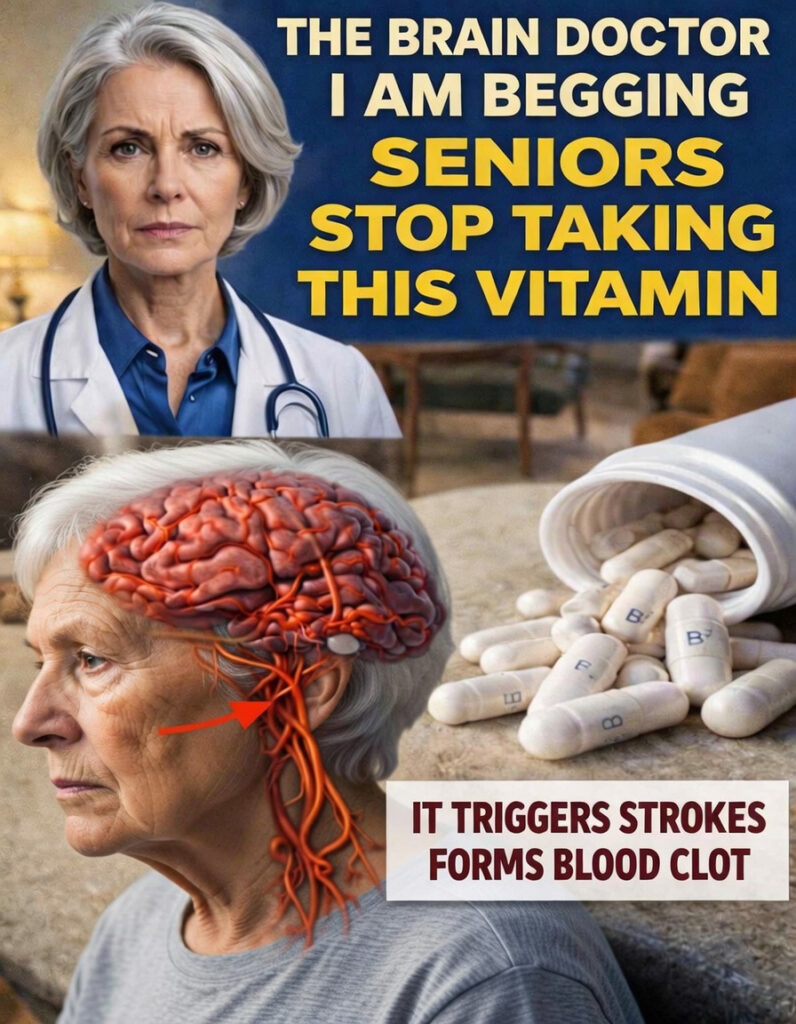
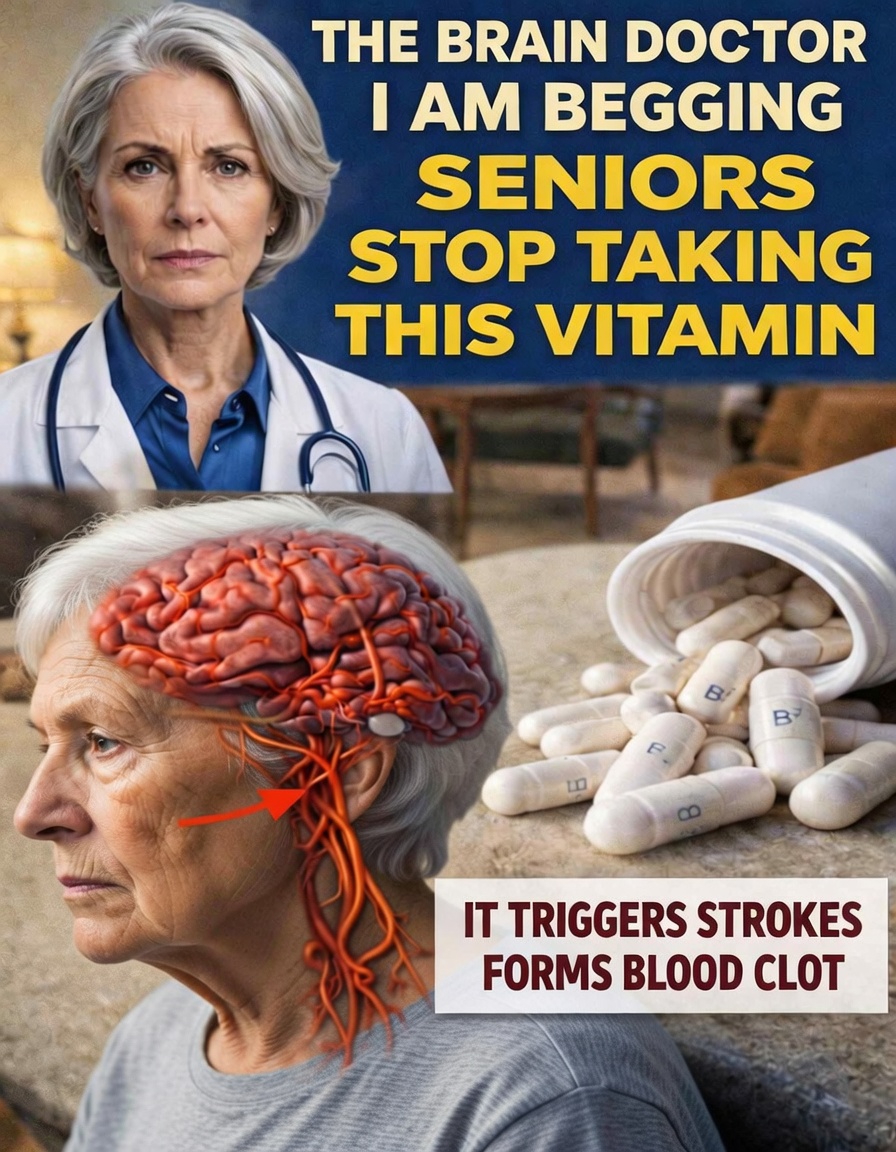
Many older adults take vitamin B supplements each day to support energy, memory, and overall vitality. At the same time, alarming posts online have fueled fear by showing dramatic images of doctors, scattered pills, and warnings that B vitamins may quickly cause blood clots or increase stroke risk. It is no surprise that repeated headlines like these can make anyone question a long-standing routine. Still, when you turn to credible medical research, the picture becomes much clearer — and far less frightening. The evidence shows a more balanced and reassuring message, along with simple, physician-supported ways to protect brain health without panic.
Why Online Warnings About Vitamin B and Blood Clots Spread So Quickly
Content that tells seniors to “stop taking this vitamin now” is designed to grab attention. Since stroke is one of the biggest health concerns for people over 60, any claim suggesting that a common supplement could secretly be dangerous feels urgent and personal. That is exactly why these messages travel so fast online.
What many of these viral warnings leave out is the broader scientific context. They often take a limited finding, remove the nuance, and present it as a universal danger. That can be misleading.
In reality, B vitamins — especially vitamin B6, vitamin B9 (folate), and vitamin B12 — are not generally considered harmful to circulation or blood clotting. Research published in respected journals, including Stroke, and reviews from groups such as the American Heart Association, has repeatedly connected healthy B vitamin status with better vascular support. One major reason is that these nutrients help the body regulate homocysteine, a naturally occurring compound that can put stress on blood vessels when it becomes too elevated.
There is another important factor to consider: vitamin B deficiencies are more common with age. Absorption tends to decline over time, particularly for vitamin B12. Because of that, many seniors may gain more from proper supplementation than from avoiding these nutrients altogether.
What Research Says About Vitamin B and Stroke Risk
Scientific studies have consistently shown that maintaining healthy levels of B vitamins can support both heart and brain health in older adults. Some large population studies have associated higher intake of vitamin B6 with lower odds of stroke in certain groups. Folate and B12 show similar patterns because they work together to help keep homocysteine within a healthy range.
A closer look at the evidence is even more helpful. Meta-analyses that included thousands of participants found that B vitamin support may modestly reduce stroke risk in people who have elevated homocysteine levels. Some reviews also suggest that correcting a deficiency can be a valuable part of an overall prevention plan, especially when combined with healthy lifestyle habits.
That does not mean supplements are a cure-all. They are not magic solutions, and outcomes can differ depending on age, medical history, kidney function, medications, and nutritional status.
The most important takeaway is this: for most generally healthy seniors, B vitamins are not known to cause blood clots or suddenly trigger strokes. More often, the concern is getting too little rather than too much. There have been mixed results in a few specialized situations, such as among people with significant kidney disease or those taking unusually high doses. That is why individualized medical guidance matters.
Signs You May Need to Check Your Vitamin B Levels
Before making changes to your supplement routine, it helps to know whether your body may be signaling a problem. Some common signs that may deserve attention include:
- Ongoing fatigue that does not improve much with rest
- Tingling, burning, or numbness in the hands or feet
- Mild forgetfulness or trouble concentrating
- Mood changes that seem unusual for you
- Feeling slower to recover after normal daily activity
If any of these symptoms sound familiar, a simple blood test ordered by your doctor can provide useful answers. That one step can prevent guesswork and offer peace of mind.
Smart Supplement Choices for Seniors
The good news is that you do not need to completely change your habits overnight. A few practical steps can help you make safer and more confident decisions.
1. Talk to Your Healthcare Provider First
Start with a conversation. Bring your current supplements to your appointment and explain how you have been feeling. Your healthcare provider can review possible interactions with medications, evaluate your symptoms, and recommend the right blood tests if needed.
2. Focus on Food First
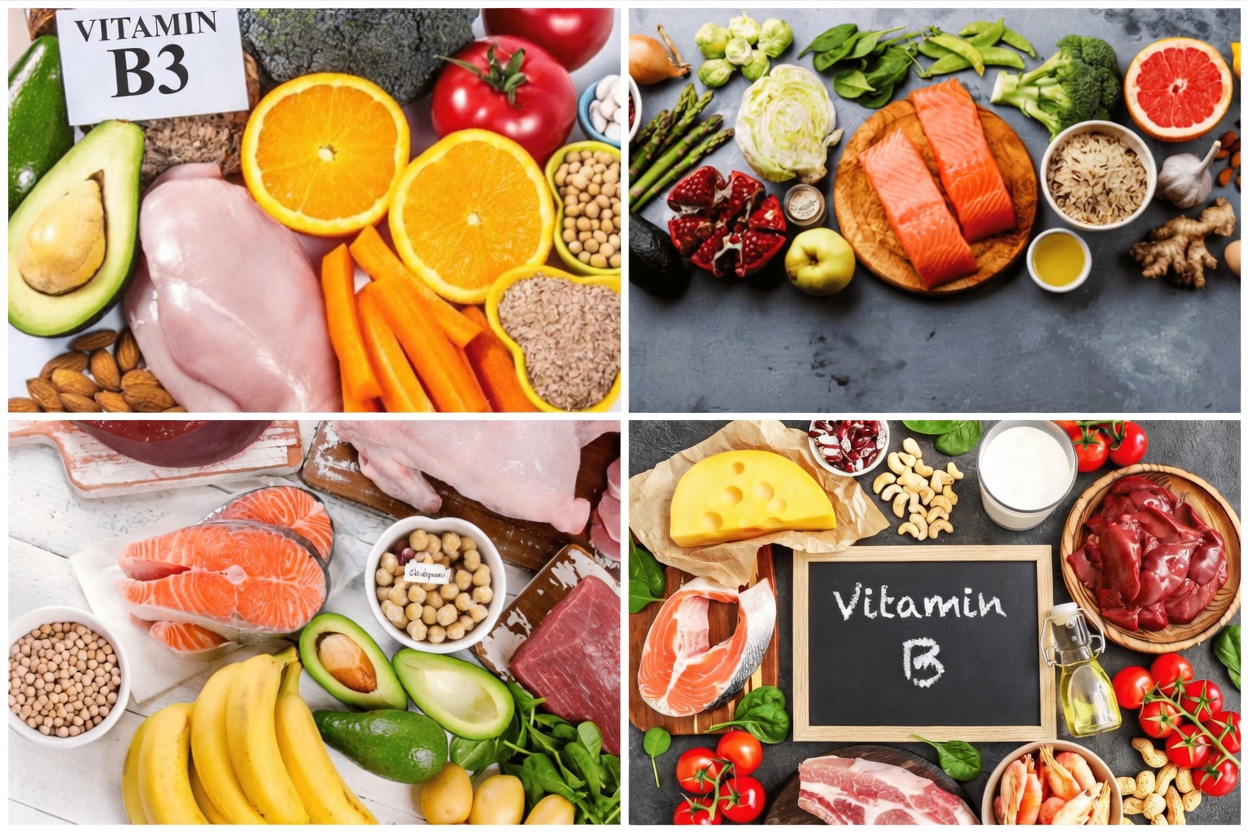
Whenever possible, get B vitamins from whole foods. Food sources provide these nutrients in balanced amounts and come with other health benefits such as fiber, protein, and protective compounds.
Here are some easy and budget-friendly options:
- Eggs and dairy for natural vitamin B12
- Leafy greens like spinach and kale for folate
- Chicken, turkey, and salmon for vitamin B6 and B3
- Fortified whole-grain cereals and oatmeal
- Lentils, chickpeas, and nuts for a variety of B vitamins
3. Choose Standard Doses, Not Mega-Doses
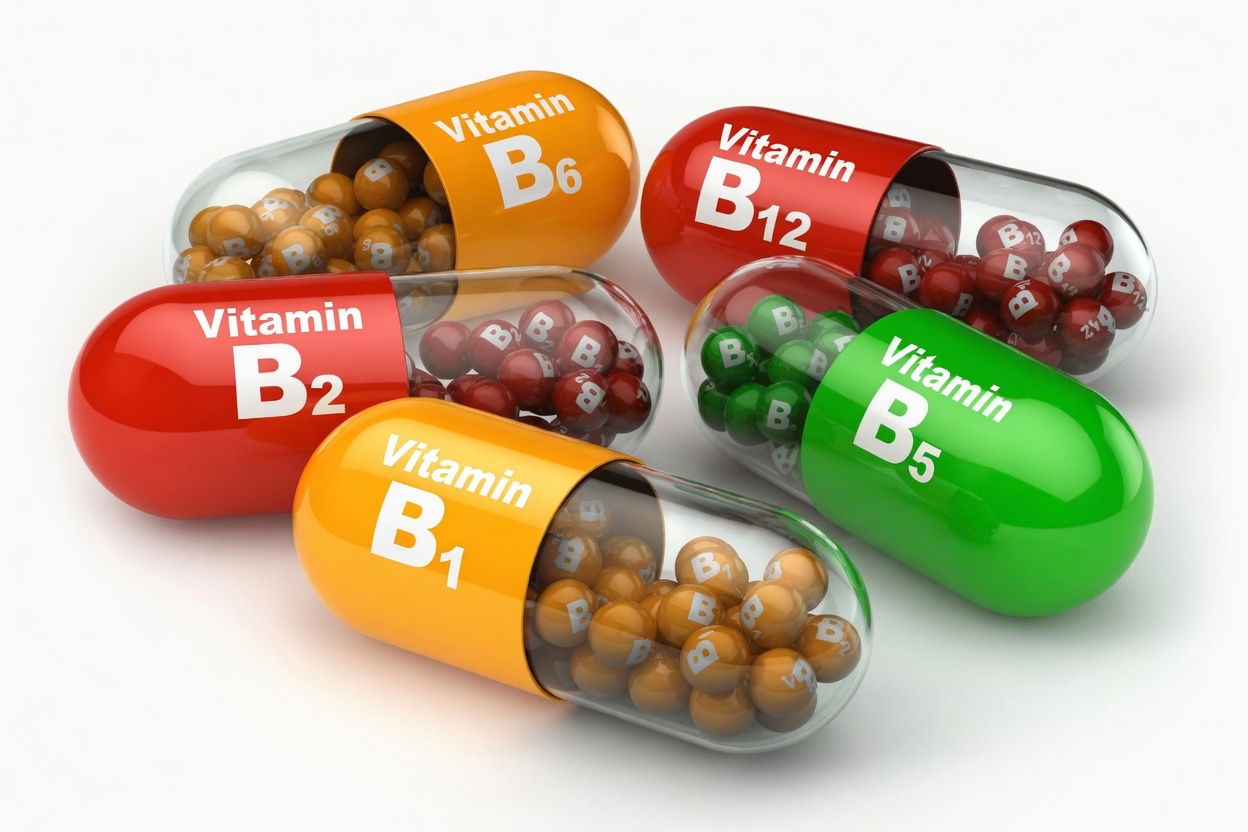
If your doctor recommends a supplement, use a trusted brand and stick to standard amounts unless you are specifically advised otherwise. Extremely high-dose formulas are usually unnecessary for routine use. Many seniors do well with a basic B-complex taken with meals.
Daily Habits That Help Brain Health Even More
No single nutrient works in isolation. Older adults who do best over time usually pay attention to the bigger picture.
A short daily walk, even 20 minutes, can help circulation and support overall cardiovascular health. Keeping blood pressure in a healthy range is also one of the most important ways to reduce stroke risk. Better sleep, lower stress, and regular social interaction can all contribute to stronger brain function as well.
Supplements may play a role when needed, but they are most effective when paired with healthy daily habits. Combining sound nutrition, movement, rest, and connection creates a stronger foundation than any one pill alone.
Final Thoughts: Make Decisions Based on Facts, Not Fear
Scary headlines about vitamin B supplements and stroke risk may be effective at getting clicks, but they do not reflect the full scientific picture. For most seniors, B vitamins are helpful nutrients, especially when age-related deficiencies are a possibility. Instead of reacting to viral claims, it is smarter to work with your doctor, rely on balanced nutrition, and follow consistent healthy habits.
Brain health is personal, and small informed choices made today can have a meaningful impact in the years ahead.
FAQ
Are B vitamins safe for seniors who are concerned about stroke?
Yes, in appropriate amounts and with guidance from a healthcare professional, B vitamins are generally considered safe for most seniors. Research typically supports their role in managing factors connected to vascular health. Since individual needs differ, blood testing can help clarify what is best for you.
Should I stop taking my B-complex after seeing a warning online?
Do not stop taking it suddenly without speaking with your doctor. Many online videos oversimplify or distort the science, and stopping a supplement that was recommended for you may create other problems. A medical professional can help you decide what makes sense in your situation.
How often should seniors test their vitamin B levels?
Many healthcare providers suggest checking vitamin levels during annual routine exams, especially if symptoms such as fatigue, numbness, or memory changes appear. Testing sooner may be appropriate if you are having concerns or if your doctor suspects a deficiency.
Disclaimer
This article is for informational purposes only and is not medical advice, diagnosis, or treatment. Always consult a qualified healthcare professional before starting, stopping, or changing any supplement, medication, or health plan. Individual outcomes vary based on personal medical history and current health conditions.