Why Persistent Leg Swelling Should Not Be Ignored
At the end of the day, your legs may feel unusually heavy. By morning, your socks might leave clear indentations around your ankles, and even resting with your feet raised does not seem to help much. For many adults over 50, ongoing or unexplained swelling in the legs can be unsettling, especially when there is no clear cause such as travel, injury, or overexertion.
In many cases, leg swelling is related to circulation, heart function, or everyday lifestyle habits. However, some patterns deserve closer attention because they may reflect broader changes happening inside the body.
What many people overlook is that the body often gives quiet early signals when something deeper needs evaluation. Recognizing those warning signs sooner can make a major difference in getting the right care and support.
What Leg Swelling (Edema) Really Means
Leg swelling, also known as edema, occurs when excess fluid collects in the tissues of the lower body. Because gravity pulls fluid downward, long periods of sitting or standing can make the problem more noticeable.
Common causes of edema include:
- Eating too much salt
- Certain medications
- Pregnancy
- Aging, especially as vein valves become less efficient
Still, swelling is not always just a minor circulation issue. In some cases, it can reflect how different body systems are functioning together—or not functioning well. Research has found that some serious illnesses, including pancreatic conditions, may increase the risk of blood clots, and that risk can sometimes appear first as swelling in the legs.
The Blood Clot Link: Deep Vein Thrombosis (DVT)
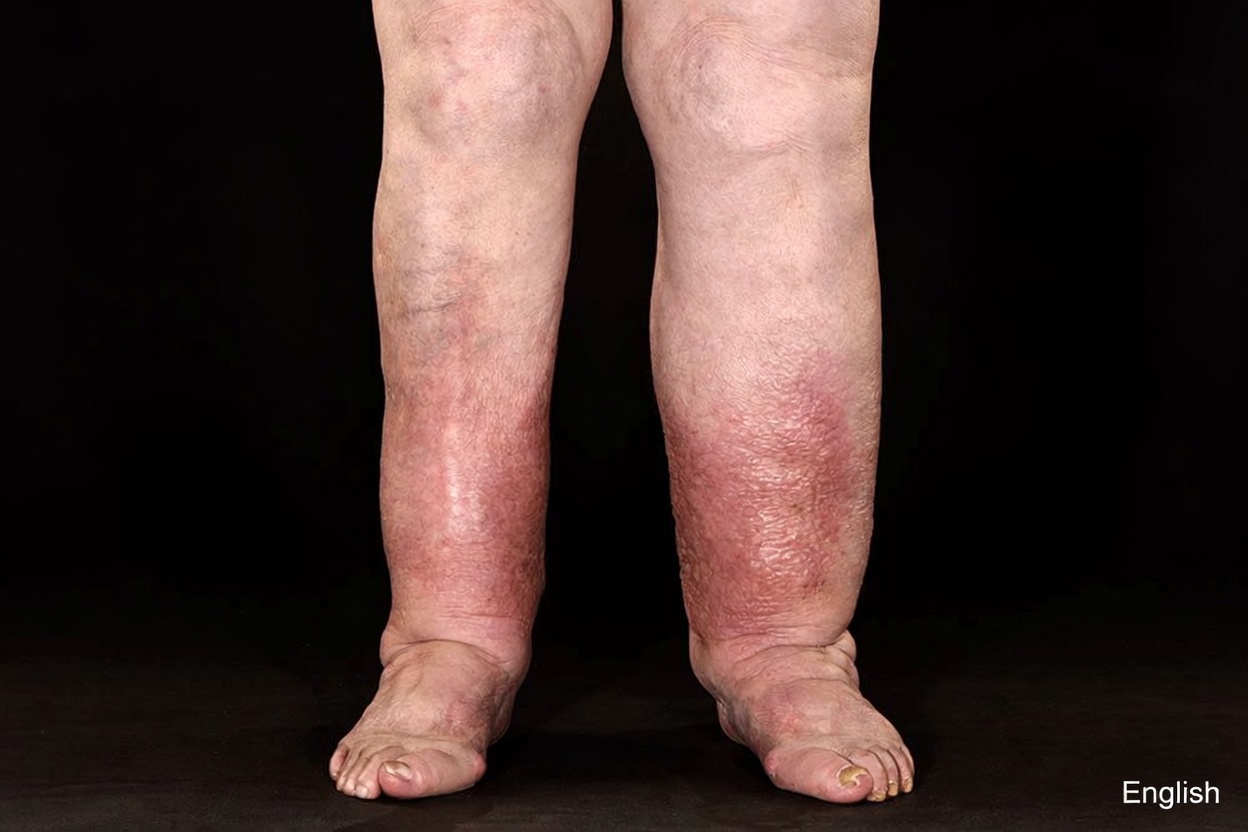
One of the most important conditions associated with leg swelling is deep vein thrombosis, or DVT. This is a blood clot that forms in a deep vein, most commonly in the leg.
Possible signs of DVT include:
- Swelling in one leg, and sometimes both
- Warmth in the swollen area
- Redness or unusual skin color
- Pain or tenderness, often similar to a cramp
- Discoloration of the skin
Medical organizations and clinical studies have shown that some cancers, including pancreatic cancer, can increase clotting risk. This may happen because tumor cells release substances that affect the blood or because cancer changes the body’s inflammatory response.
That does not mean every case of swollen legs points to cancer or another severe disease. But when a blood clot appears without an obvious explanation, it can sometimes be an early sign worth discussing with a doctor.
This is especially important because pancreatic cancer often develops quietly. The pancreas is located deep within the abdomen, so symptoms may not appear until later stages. That is why sudden leg swelling—particularly when combined with other concerning symptoms—should not be dismissed.
When Both Legs Swell: Other Possible Causes
Swelling does not always come from a clot. When both legs are affected, the cause may be something different, such as fluid retention or low protein levels in the blood. In more advanced health conditions, swelling can also happen because of pressure changes in the body or reduced mobility.
Less serious and more common causes include:
- Sitting or standing for too long
- A high-sodium diet
- Hot weather
- Some blood pressure medicines
- Certain pain-relief medications
Even so, swelling that appears suddenly or does not improve with basic self-care should be evaluated to identify the true cause.
Warning Signs That Mean You Should Call a Doctor
Healthcare professionals generally advise seeking medical attention if you notice any of the following:
- Sudden leg swelling with no obvious reason
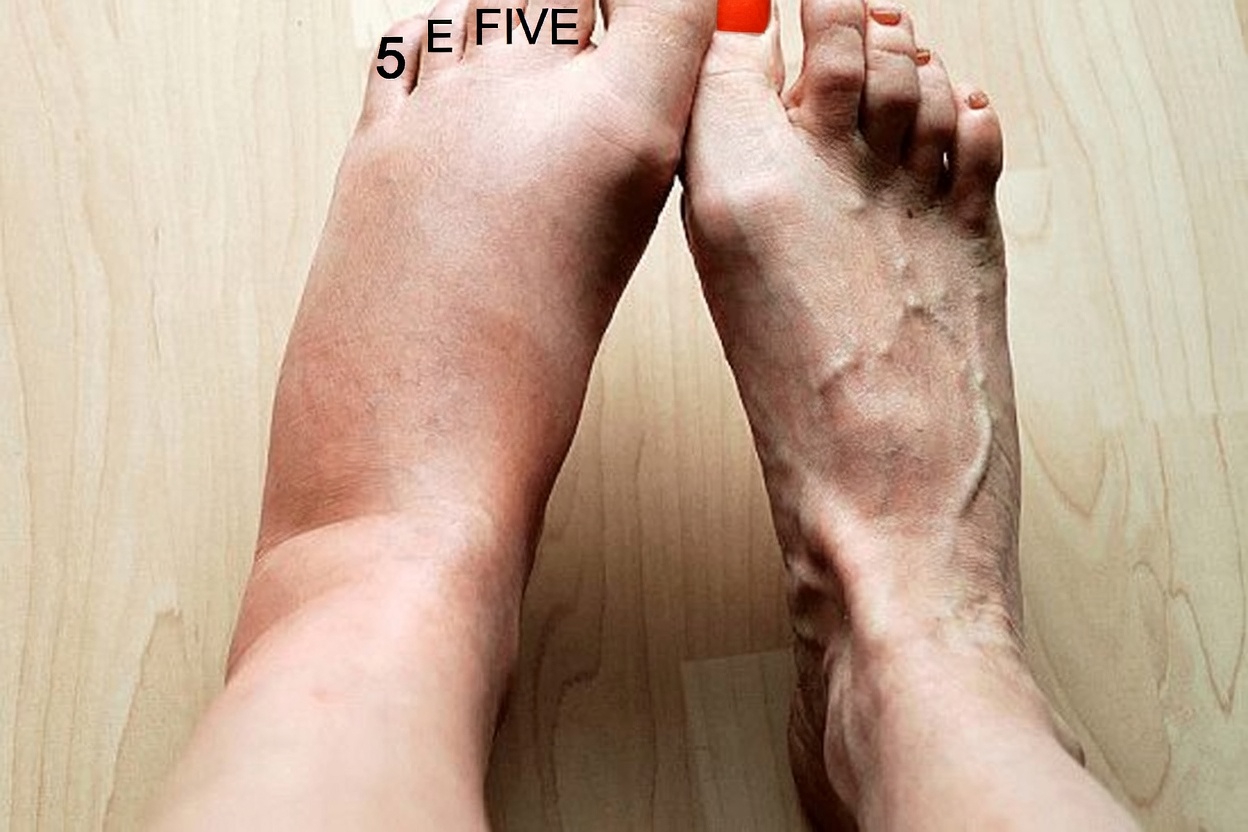
- Swelling affecting only one leg
- Pain, redness, or warmth along with the swelling
- Shortness of breath or chest discomfort
- Swelling that keeps getting worse
- Swelling that does not improve with elevation or rest
To investigate the cause, a doctor may recommend:
- A physical examination
- Blood tests
- Ultrasound to check for a clot
- Additional imaging if needed
Early evaluation can provide reassurance, rule out serious conditions, and allow treatment to begin promptly if necessary.
Practical Steps to Reduce Mild Leg Swelling
Although personalized medical advice should always come from a healthcare professional, several simple daily habits can help improve circulation and ease mild swelling.
Try these supportive habits:
- Elevate your legs — Raise them above heart level for 15 to 20 minutes several times a day.
- Stay active — Short walks and ankle movements can help move fluid through the legs.
- Reduce salt intake — Limiting processed foods may noticeably decrease fluid retention.
- Consider compression socks — Graduated compression can support vein function, but ask your doctor first.
- Drink enough water — Good hydration can actually help prevent the body from holding excess fluid.
- Move every hour — If you sit for long periods, stand up, stretch, and walk regularly.
These small actions often relieve swelling caused by lifestyle factors and can help your legs feel lighter overall.
Long-Term Habits That Support Healthy Legs
Quick fixes can help, but steady routines are even more valuable over time. Building healthy habits supports circulation and may lower the chance of recurring swelling.
Focus on:
- Maintaining a healthy body weight
- Eating more fruits and vegetables
- Managing blood pressure and diabetes
- Attending regular health check-ups
- Doing lower-body strength exercises
- Staying physically active throughout the week
Many people find that once they start paying attention to leg health, they also notice benefits in other areas such as energy levels, mobility, and even sleep quality. Better circulation supports the whole body, not just the legs.
What Persistent Swelling May Be Telling You
Swollen legs are sometimes a simple signal that you need more movement, less salt, or better daily habits. In other situations, they can be a reason to have an honest conversation with your doctor about your overall health.
The goal is not to panic. The smarter approach is to stay observant, ask questions, and take changes in your body seriously.
When you respond early to these signs, you improve the chances of finding answers sooner and gaining peace of mind.
FAQ
Can leg swelling be an early sign of a serious health problem?
Yes, in some cases. Sudden or unexplained swelling—especially if it comes with pain, redness, or other symptoms—may be linked to a blood clot or another underlying condition. It is safer to have it checked than to ignore it.
How do I know if my swollen legs are from sitting too long?
If the swelling improves quickly with walking, stretching, or elevating your legs, it is often related to lifestyle habits. If it is persistent, affects only one leg, or becomes painful, a medical evaluation is a good idea.
What tests are commonly used for ongoing leg swelling?
Doctors often begin with a physical exam, blood work, and an ultrasound to look for blood clots. Depending on your symptoms and medical history, they may also order other imaging tests.
Important Note
This article is for educational purposes only and should not replace professional medical advice. Always speak with your healthcare provider about persistent swelling or any unusual changes in your health.