What a 117-Year-Old Woman’s Daily Diet Can Teach Us About Healthy Aging
Aging often comes with concerns about lower energy, changing health needs, and the fear of losing mobility or independence. At the same time, the constant stream of advice about nutrition, longevity, and supplements can feel confusing and contradictory. A major scientific investigation into the life of Maria Branyas Morera, who lived to 117 years and 168 days, offers a rare and fascinating look at what may support healthy aging. Researchers examined both her biology and lifestyle, and one everyday food in her routine stood out in a surprising way.
Who Was Maria Branyas Morera?
Maria Branyas Morera was recognized as the world’s oldest verified living person before her death in August 2024. She was born in the United States in 1907 and later spent much of her life in Spain. Over the course of her extraordinary lifetime, she lived through world wars, pandemics, and dramatic social change, yet remained mentally engaged, active, and optimistic well into old age.
Her exceptional longevity attracted scientific interest, and, according to reports, she personally supported the idea of researchers studying her biology before she passed away.
A Scientific Look at Exceptional Longevity
Scientists led by Dr. Manel Esteller at the Josep Carreras Leukaemia Research Institute in Barcelona carried out a detailed multi-omics analysis of Maria’s body. This type of research explores several biological systems at once, including:
- DNA
- Epigenetic markers
- Metabolism
- Proteins
- Gut microbiome
To gather this information, the team used non-invasive samples such as blood, saliva, urine, and stool. Their results, published in Cell Reports Medicine, were compared with data from younger people as well as other long-lived individuals. This gave researchers an unusually complete picture of how healthy aging might work at an extreme level.
What Her Genetics Revealed
Maria’s DNA appeared to contain uncommon protective genetic variants linked to lower risk in several age-related areas, including:
- Cardiovascular problems
- Cognitive decline
- Chronic inflammation
These traits may have helped her body stay resilient for an unusually long time. Even so, researchers emphasized that genetics were only part of the story. They estimated that lifestyle may have accounted for roughly half of her extraordinary lifespan. That makes her daily habits especially important.
Her Mediterranean Lifestyle
Maria followed a traditional Mediterranean-style diet, centered on simple, whole foods. Her routine included olive oil, fish, vegetables, and other minimally processed staples. She also avoided both smoking and alcohol.
Physical activity remained part of her life as well. For many years, she walked about an hour a day, only slowing down when age made that more difficult. In addition, she maintained strong relationships and a hopeful outlook, two factors frequently associated with better well-being in later life.
Still, among all these healthy habits, one food choice drew particular attention.
The Yogurt Habit That Stood Out
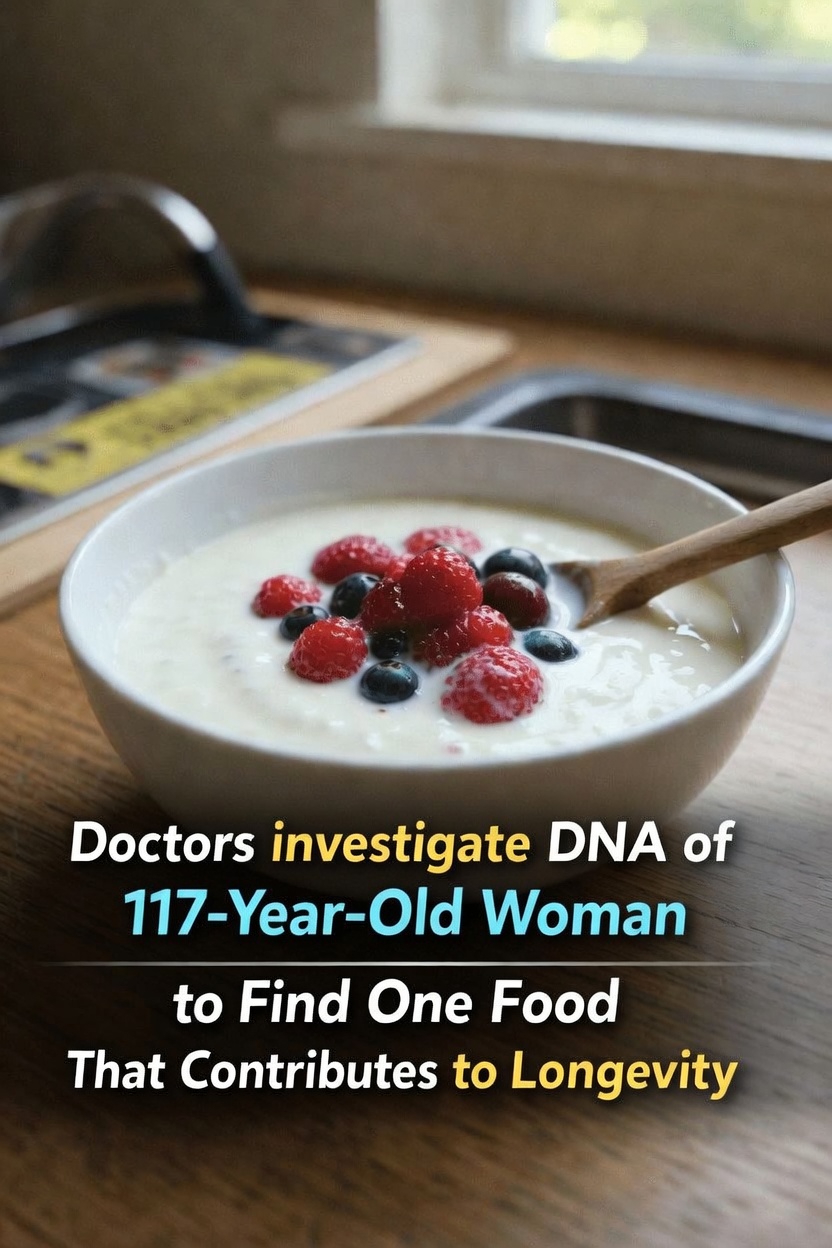
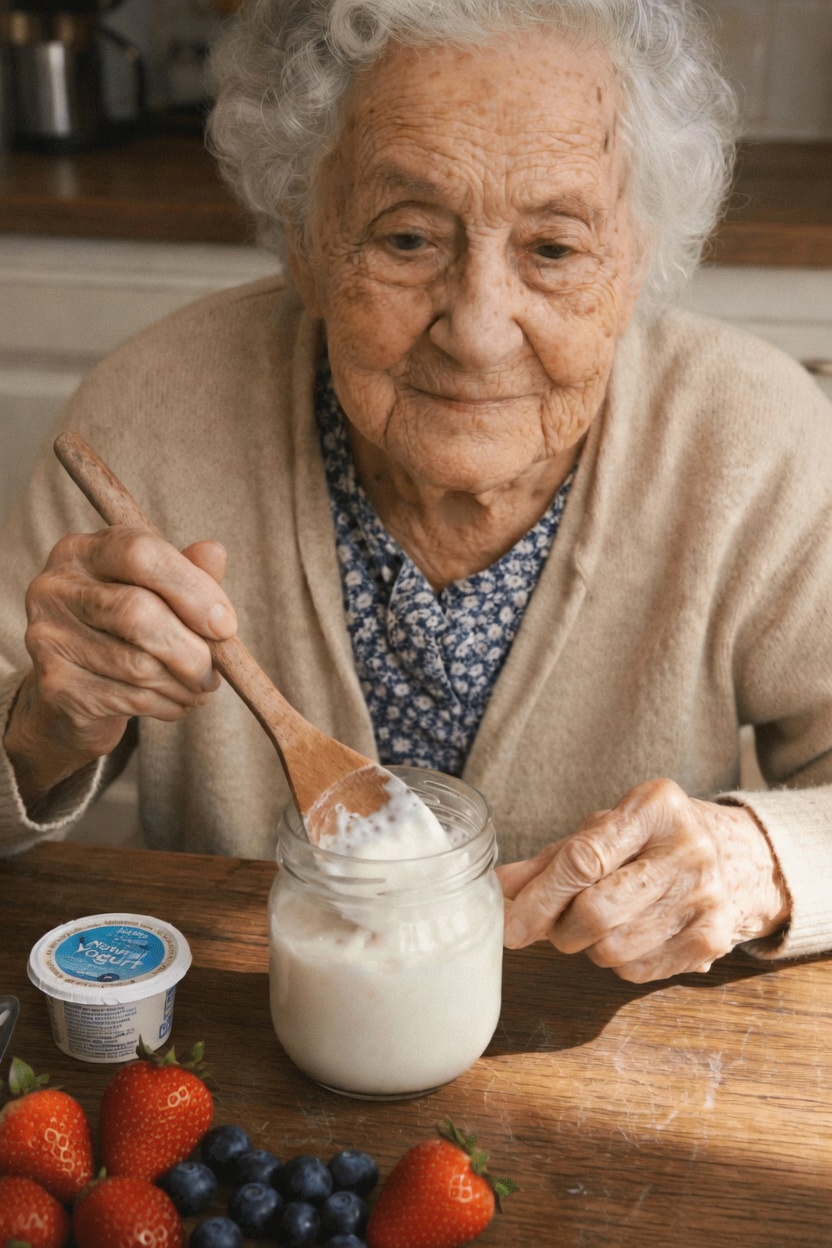
Maria reportedly ate three servings of yogurt every day. Researchers noted that this habit may have helped support a gut microbiome that looked unusually youthful. In particular, her system showed high levels of beneficial bacteria such as Bifidobacterium.
These microbes are associated with:
- Better digestive health
- Lower inflammation
- Stronger immune support
Because these functions often weaken with age, the finding is especially interesting. The study suggests that her regular yogurt intake may have helped maintain a healthier microbial balance, similar to what is often seen in younger adults.
This does not mean yogurt alone explains her long life. However, it may have worked together with her genetics and broader lifestyle to support long-term health.
Why Gut Health Plays a Bigger Role Than Many People Realize
The gut microbiome affects much more than digestion. Growing research shows it may also influence:
- Energy levels
- Mood
- Immune function
- Inflammatory response
In Maria’s case, the presence of helpful gut bacteria aligned with her overall vitality. Her story fits with a broader body of evidence suggesting that probiotic-rich foods, when included in a balanced diet, may contribute to healthy aging and better daily wellness.
Practical Ways to Apply These Longevity Lessons
You do not need to aim for 117 years old to benefit from the patterns seen in Maria’s life. Here are some realistic steps you can start using now.
1. Choose Yogurt Carefully
Go for plain, unsweetened yogurt with live and active cultures. Traditional yogurt and Greek yogurt are both strong options, especially if you want more protein without extra sugar.
2. Make It a Consistent Habit
Rather than treating yogurt as an occasional snack, consider enjoying it regularly. One to three servings per day can be worked into meals quite easily:
- Breakfast with fruit
- Midday snack
- Light evening option
3. Add Nutritious Toppings
Keep it satisfying and balanced by pairing yogurt with wholesome ingredients such as:
- Fresh berries
- Sliced banana
- Nuts
- Seeds
- A small drizzle of honey
4. Follow a Mediterranean Eating Pattern
Maria’s diet was not built around one food alone. A stronger foundation includes:
- Extra virgin olive oil
- Fatty fish
- Vegetables
- Legumes
- Whole grains
- Minimally processed foods
5. Move Every Day
Her routine also reminds us that daily movement matters. Even gentle physical activity can help support circulation, mood, and overall function. Good options include:
- Walking
- Stretching
- Light mobility work
- Low-impact exercise
Easy Yogurt Swaps for Better Everyday Nutrition
Here are a few simple ways to improve common snack choices:
| Everyday Option | Possible Downside | Better Swap |
|---|---|---|
| Sugary yogurt or dessert | More added sugar and empty calories | Plain yogurt with berries |
| Processed cheese snacks | Fewer probiotic benefits | Yogurt dip with raw vegetables |
| High-sugar granola bars | Less support for gut health | Yogurt parfait with oats and nuts |
Small adjustments like these are easy to maintain and may support better gut balance over time.
Other Habits That May Have Supported Her Long Life
Maria’s daily routine involved more than food. She also appeared to value:
- Quality sleep
- Reading and conversation
- Mental stimulation
- A calm, low-stress environment
- Social connection
These habits are consistent with what many longevity studies have found. Nutrition, movement, emotional well-being, and community often work together rather than independently. Researchers also observed that Maria had an efficient metabolism and stable epigenetic patterns, reinforcing the idea that healthy aging results from multiple interacting factors.
What This Means for You
Maria’s story is inspiring, but experts caution against oversimplifying it. Reaching extreme old age is likely influenced by both genetics and lifestyle, and only one of those is within our control. The yogurt finding is compelling because it involves something affordable, practical, and widely available. Still, individual outcomes will differ.
If you have specific health concerns, food sensitivities, or medical conditions, it is wise to speak with a healthcare professional before making major dietary changes.
The Real Takeaway
The biggest lesson from this DNA and longevity study is not that one food acts like a miracle cure. Instead, it highlights the power of simple habits repeated over many years. In Maria Branyas Morera’s case, daily yogurt, a Mediterranean diet, regular movement, social bonds, and a positive mindset may all have contributed to healthy aging.
Her life suggests that while genetics matter, everyday choices can still play a meaningful role in how well we age.
FAQ
1. Is yogurt the reason Maria Branyas Morera lived so long?
No. There is no single food that guarantees a long life. However, the study suggests that regular yogurt consumption may have helped support her gut health as part of a much broader healthy lifestyle.
2. What kind of yogurt is best for gut health?
The best choice is usually plain, unsweetened yogurt with live and active cultures. Look for labels mentioning probiotics such as Lactobacillus or Bifidobacterium.
3. Can diet change your genetics?
Your genes themselves do not change, but diet and lifestyle can influence gene expression and affect processes related to aging, inflammation, and overall health.
Disclaimer
This article is intended for informational purposes only and should not be considered medical advice. Results vary from person to person. Always consult a qualified healthcare professional before changing your diet or lifestyle, especially if you have existing medical conditions or specific health concerns.