Winter Rash Under the Breasts: Why It Happens and How to Get Relief Fast
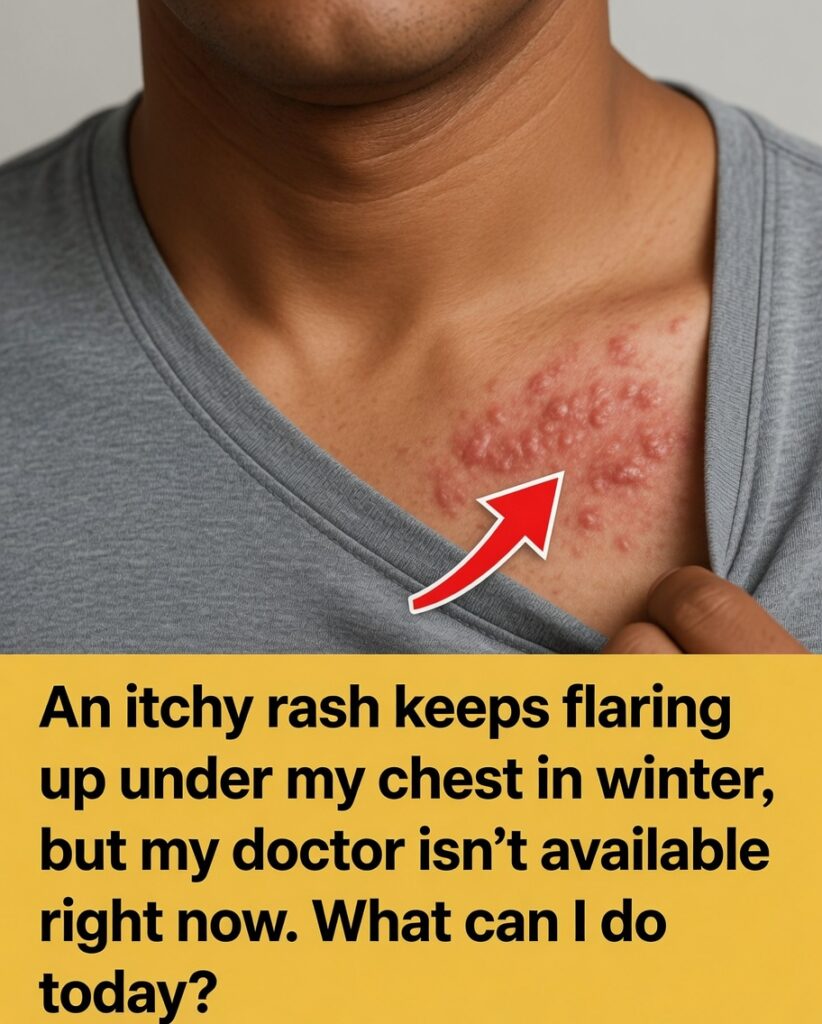
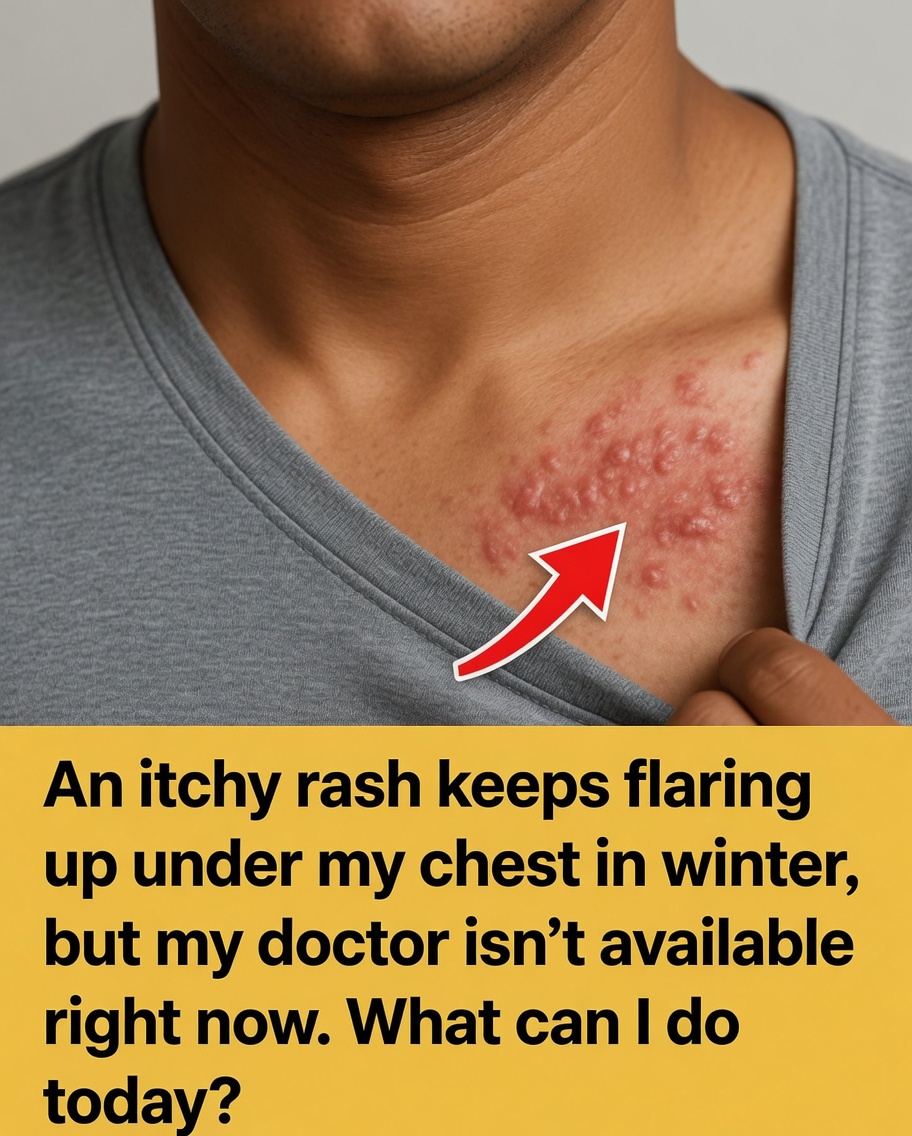
When winter arrives, your skin often takes the hit first. Cold outdoor air combined with dry indoor heating can weaken your skin’s moisture barrier, leaving it tight, flaky, and easily irritated. In areas where skin folds—like underneath the breasts—heat, sweat, and friction can build up quickly under winter layers, sometimes triggering an itchy rash under the breasts that affects comfort and confidence.
The good news: many mild cases can be soothed at home while you arrange professional guidance. And later, you’ll learn about a surprising household option that may help with prevention.
Why Winter Commonly Triggers Rash Under the Breast Fold
Winter conditions create the perfect storm for irritation:
- Low humidity pulls moisture from the skin.
- Indoor heating increases dryness even more.
- Skin folds under the breasts trap warmth and perspiration.
- Friction from bras, underwire, and layered fabrics can rub sensitive skin.
Dermatology organizations such as the American Academy of Dermatology describe this type of fold-related irritation as intertrigo, a frequent issue in areas where skin touches skin. It may start as mild irritation, but early recognition makes it much easier to manage.
Other winter-specific triggers include sweating under heavy clothing and irritation from certain synthetic fabrics.
Common Symptoms: How to Recognize an Itchy Rash Under the Breasts
A typical winter rash in this area often looks and feels like:
- Redness along the crease under the breast
- Itching or a mild burning sensation, especially with movement
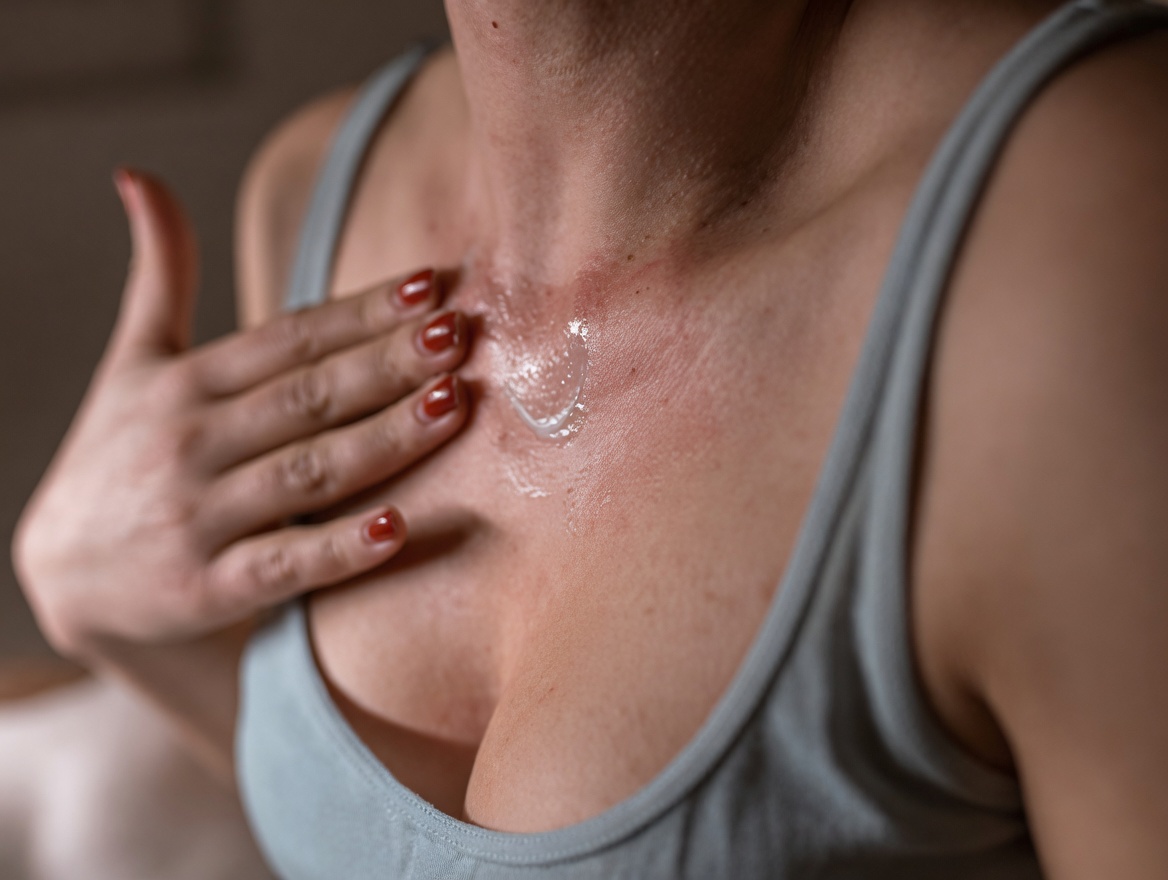
- A shiny, damp, or raw surface (often from trapped moisture)
- Occasionally a faint odor, which may suggest yeast involvement
Clinical discussions (including in sources like the Journal of Clinical Medicine) note that symptoms can become more noticeable in colder months due to heavier clothing and reduced airflow.
If the rash is mild and limited to a small area, home care may help temporarily.
Warning Signs: When the Rash Could Be More Serious
Some symptoms suggest infection or a more urgent skin problem. Seek medical care promptly if you notice:
- Rapidly increasing pain
- Redness spreading beyond the fold
- Oozing, pus, blisters, or cracking
- Fever or chills
Health guidance from sources like the Mayo Clinic warns that these signs may indicate conditions such as cellulitis, which requires prompt treatment. Don’t ignore fast-worsening symptoms—complications can develop.
Gentle Cleansing: The First Step Toward Relief
Start with a simple, skin-friendly routine:
- Clean the area using lukewarm water
- Choose a mild, fragrance-free cleanser
- Avoid harsh soaps that remove protective oils
- Pat dry carefully—do not rub
Doing this once or twice daily helps remove sweat and irritants without making inflammation worse. Dermatologists commonly recommend gentle cleansing as the foundation of skin-fold care.
Drying Matters: How to Reduce Moisture That Feeds Irritation
Moisture is one of the biggest drivers of intertrigo. After cleansing:
- Lift the breast gently and pat the fold completely dry
- Use a cool fan, or a hairdryer on cool/low, to finish drying
This step can noticeably reduce itching because irritated skin heals better when it stays dry. Repeat drying after any sweating or exercise.
Barrier Creams: Protect Skin From Friction and Moisture
Once the area is clean and dry, protect it with a thin layer of a barrier product such as:
- Zinc oxide (commonly used for diaper rash)
- Petroleum jelly
Barrier creams reduce skin-on-skin friction and help block moisture. Skin-health research supports barrier protection as a practical tool in managing intertrigo in folds.
If Yeast May Be Involved: Over-the-Counter Antifungal Options
If the rash stays bright red, persistent, or seems to worsen despite drying and barrier care, yeast may be contributing. Consider an OTC antifungal such as:
- Clotrimazole
- Miconazole
Apply as directed (often twice daily) for at least 7 days, and continue for a short period even after improvement to reduce recurrence. Consumer health resources (including Healthline) commonly list these as appropriate short-term options for suspected yeast in skin folds.
Best results typically come from combining antifungal treatment with consistent drying.
Powders for Sweat Control: What to Use (and What to Avoid)
A light dusting of powder can help minimize moisture and chafing. Consider:
- Talc-free powders
- Anti-chafing powders
Apply only after the fold is fully dry.
Important note: Avoid cornstarch if yeast is suspected, since it may promote fungal growth in some cases.
Clothing and Bra Choices That Reduce Irritation in Winter
What you wear makes a major difference when you have a rash under the breast fold:
- Choose breathable fabrics, especially cotton bras
- Avoid tight underwires during a flare-up
- Add a soft, breathable tank layer to reduce rubbing
- Change damp clothing quickly after sweating
Medical sources such as WebMD often emphasize breathable, non-irritating materials for managing winter skin issues. In general, looser fits = less friction.
Quick Itch Relief: Fast Comfort While Healing
To calm the itch right away:
- Apply a cool compress for 10–15 minutes
- Consider an anti-itch product containing menthol or pramoxine (use sparingly in sensitive areas)
These options can reduce discomfort while other steps (drying and barrier protection) do the longer-term work.
Winter Prevention Habits That Help Stop Flare-Ups
Small daily changes can reduce repeat irritation:
- Keep showers short and lukewarm
- Use a humidifier in dry rooms to support skin hydration
- Switch to fragrance-free laundry detergent
- Skip fabric softeners, which can irritate sensitive skin
Studies frequently associate humidifier use with improved winter skin hydration, especially in heated indoor environments. Consistency matters more than intensity.
Tracking Improvement at Home
Monitor your symptoms day by day:
- Expect mild cases to improve within a few days
- If there’s no improvement or it worsens, plan to see a clinician
- Taking photos can help document changes for your appointment
Also note possible triggers: fabric type, sweat levels, bra style, or new skincare products.
How to Prepare for a Doctor or Dermatology Appointment
To speed up diagnosis and treatment, bring:
- When the rash began and how it has changed
- What seems to trigger it (heat, sweat, certain bras, workouts)
- Treatments you’ve tried and the results
Dermatology guidelines often highlight that a clear patient history improves diagnostic accuracy—especially when the rash is intermittent.
Quick Comparison of Common At-Home Options
| Remedy | Pros | Cons | Best For |
|---|---|---|---|
| Zinc oxide barrier | Protects from friction and moisture; soothing | Can feel greasy | Daily protection |
| Antifungal cream | Targets yeast; reduces redness | Needs consistent use | Persistent redness/itch |
| Cool compress | Fast, low-cost relief | Temporary effect | Immediate soothing |
| Breathable bras/clothing | Reduces sweat and rubbing | May require wardrobe changes | Long-term prevention |
Daily Checklist for Managing an Itchy Rash Under the Breasts
- Cleanse gently with a mild, fragrance-free wash
- Dry thoroughly (pat dry + cool air if needed)
- Apply a thin layer of barrier cream
- Wear breathable, non-restrictive fabrics
- Check daily for improvement or warning signs
Final Thoughts
A winter rash under the breasts can be frustrating, but it often responds well to a simple plan: clean, dry, protect, and reduce friction. If you want a cornstarch alternative for moisture control, try baking soda sparingly as a light powder—many people find it neutral and absorbent without encouraging yeast growth. If symptoms escalate or don’t improve within a week, seek medical care.
FAQ
What causes an itchy rash under the breasts in winter?
Winter dryness weakens the skin barrier, while layered clothing increases heat, sweat, and friction in skin folds—often leading to irritation such as intertrigo.
Can I try home care if the rash is mild?
Yes. Gentle cleansing, thorough drying, breathable clothing, and a barrier cream can help manage mild symptoms temporarily while waiting for professional advice.
When should I see a doctor?
Get medical care if there is severe pain, spreading redness, pus/oozing, blisters, fever, chills, or if the rash doesn’t improve within 5–7 days.
Medical Disclaimer
This content is for informational purposes only and is not a substitute for professional medical advice, diagnosis, or treatment. Always consult a qualified healthcare provider for personalized guidance.