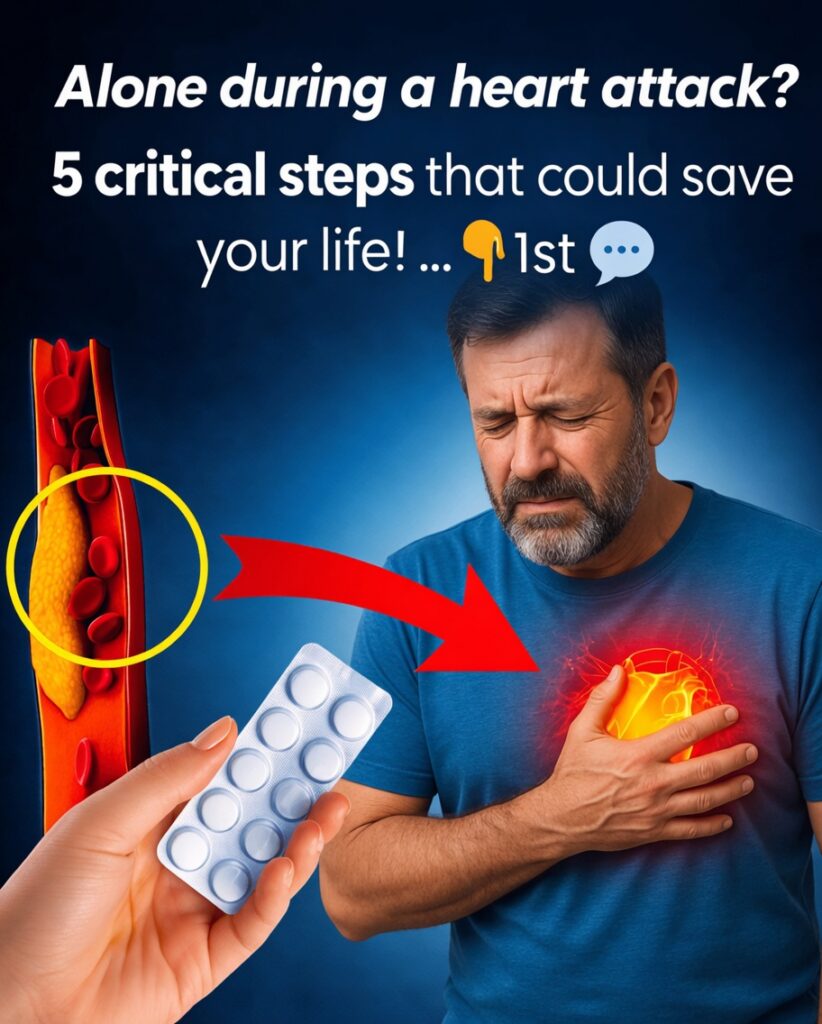
What to Do If a Heart Attack Strikes When You’re Alone
Sudden, crushing pressure in your chest when no one else is around can be terrifying. The discomfort may spread into your arm, jaw, neck, or back, while cold sweat, nausea, and trouble breathing make it hard to think clearly. Many people in this situation freeze or panic, unsure what to do next.
Yet there is real hope. Knowing five critical steps to follow when you’re alone during a heart attack can help you stay focused, protect your heart, and buy precious time until medical professionals arrive. Keep reading—at the end, you’ll learn one commonly overlooked step that can dramatically change what happens in those first crucial minutes.
Recognizing Heart Attack Symptoms When You’re Alone
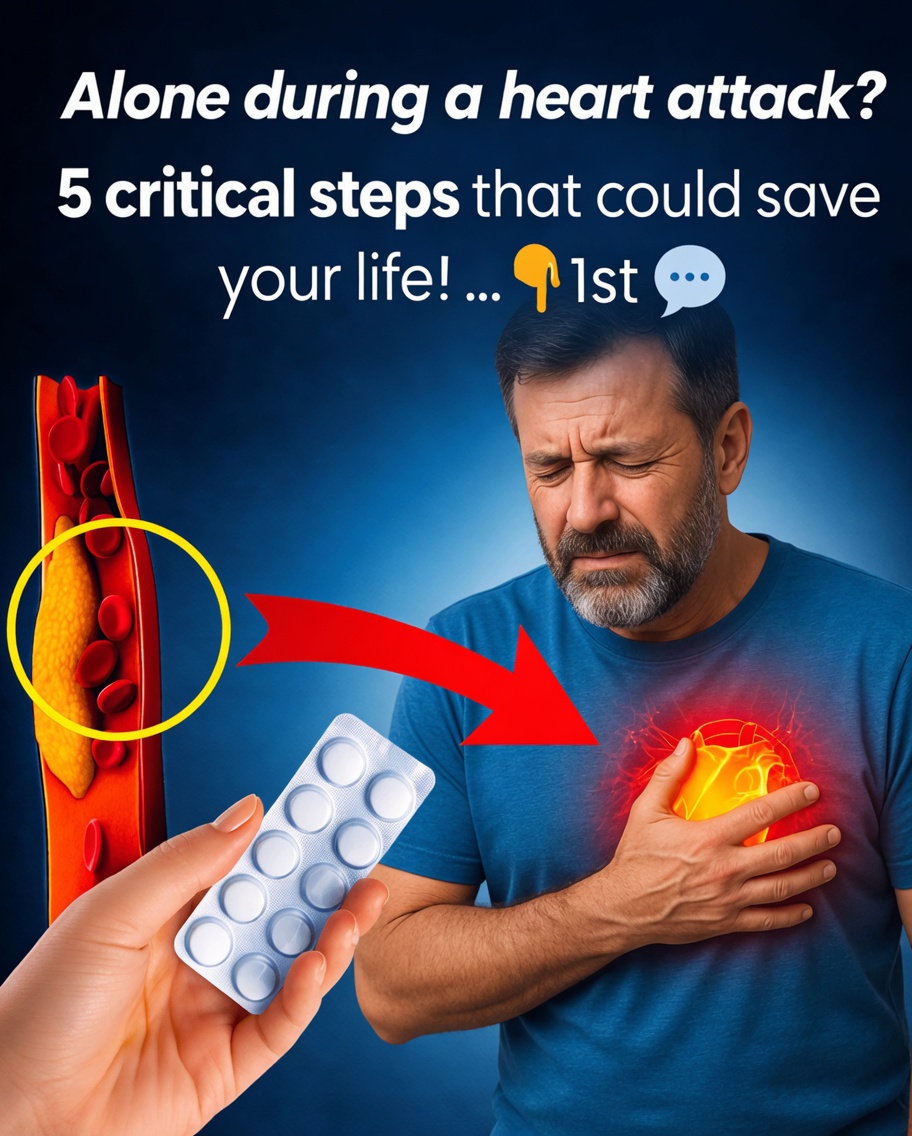
The single most important thing you can do when you’re alone during a heart attack is recognize the warning signs immediately. Classic heart attack pain often feels like squeezing, crushing, or heavy pressure in the chest that does not go away. This is not discomfort you should “wait out.”
The pain or pressure may:
- Spread to one or both arms
- Move into the neck, jaw, back, or shoulders
- Be accompanied by a sudden feeling that something is very wrong
Other common symptoms include:
- Sudden shortness of breath, even at rest
- Cold, clammy sweating
- Nausea, indigestion, or vomiting
- Dizziness, faintness, or feeling unsteady
- Intense anxiety or a strong sense of impending doom
Research from major heart organizations shows that symptoms can differ from person to person. For example, women are more likely to report nausea, unusual fatigue, or back discomfort rather than classic chest pain. Regardless of how the symptoms appear, acting quickly when you’re alone during a heart attack gives you the best possible chance while you wait for help.
Key symptoms to watch for when you’re alone during a suspected heart attack:
- Chest pressure, tightness, squeezing, or pain
- Pain or discomfort radiating to arms, neck, jaw, back, or shoulders
- Shortness of breath or difficulty breathing
- Cold, clammy sweating
- Nausea, upset stomach, or vomiting
- Lightheadedness, dizziness, or feeling faint
- A sudden wave of fear, panic, or dread
Step 1: Call Emergency Services Immediately
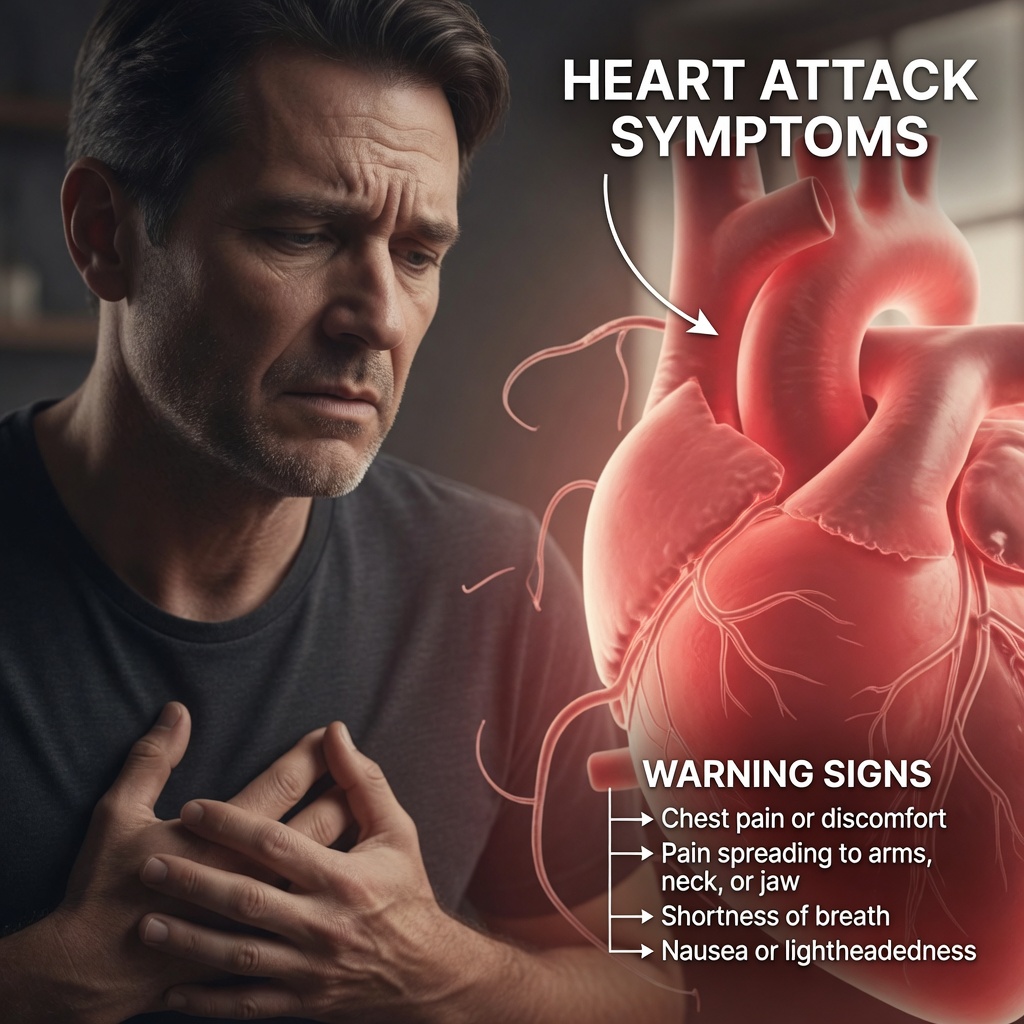
If you suspect you’re having a heart attack while alone, your very first action must be to call emergency medical services. Do not wait to see if it improves. Do not try to “tough it out.”
- Dial your local emergency number (for example, 911 in many countries).
- Clearly describe your symptoms, when they started, and that you may be having a heart attack.
- Follow any instructions given by the dispatcher while you stay on the line if possible.
Many people think driving themselves to the hospital will be faster. In reality, this is risky and strongly discouraged. If your condition worsens while you’re alone during a heart attack—such as losing consciousness or going into cardiac arrest—you will not be able to help yourself behind the wheel, and you may endanger others.
Emergency responders can:
- Begin life-saving treatment before you reach the hospital
- Monitor your heart rhythm and vital signs
- Transport you quickly and safely to the right facility
The sooner you call when you’re alone during a heart attack, the better your chances of receiving rapid, professional care.

Step 2: Stay Calm and Position Your Body Safely
Once you’ve called for help, your next priority is to reduce strain on your heart while you wait. Panic and unnecessary movement can make your heart work harder at the worst possible time.
- Sit or lie down in a comfortable position, preferably with your upper body slightly elevated.
- Loosen tight clothing around your chest or neck if possible.
- Focus on slow, steady breathing—in through your nose, out through your mouth.
Avoid:
- Walking around or climbing stairs
- Driving yourself anywhere
- Doing any heavy lifting or physical activity
Simply staying still, breathing slowly, and letting your body rest can make the waiting period feel more tolerable and may help limit additional stress on your heart when you’re alone during a heart attack.
Step 3: Ask About Aspirin Before You Take It
Aspirin can sometimes play a helpful role during a heart attack because it may help slow blood clot formation. However, it is not appropriate for everyone and should never replace professional medical care.
If you have aspirin available and you are not allergic to it:
- Ask the emergency dispatcher whether you should take aspirin based on your symptoms and medical history.
- If they advise you to take it, chew one or two low-dose tablets (81 mg each), rather than swallowing them whole. Chewing allows the medicine to enter your bloodstream more quickly.
Important cautions:
- Do not take aspirin if you are allergic, have been told to avoid it, or have certain bleeding or stomach conditions.
- Do not take any medication without checking first if you have doubts, especially when alone during a heart attack.
Professional guidance is crucial. Aspirin may help reduce damage, but only trained medical providers can give you the full treatment you need.
Step 4: Ignore Dangerous Myths and Focus on What Works
There is a persistent myth that “coughing hard” over and over can save your life during a heart attack. This so-called “cough CPR” is not recommended for people experiencing symptoms alone and can waste time and energy.
If you are awake and able to cough, your heart is still beating. Your priority should be:
- Calling emergency services
- Remaining as calm and still as possible
- Following instructions from medical professionals
If you encounter someone else who is unconscious and not breathing normally:
- Call emergency services immediately.
- Begin CPR if you are trained—push hard and fast in the center of the chest at a rate of 100–120 compressions per minute.
- Use an automated external defibrillator (AED) if one is nearby and you know how to operate it.
Knowing what not to do is just as important as knowing what to do, whether you’re alone during a heart attack or helping someone else.
Step 5: Understand Your Risk Factors Before You’re Ever Alone During a Heart Attack
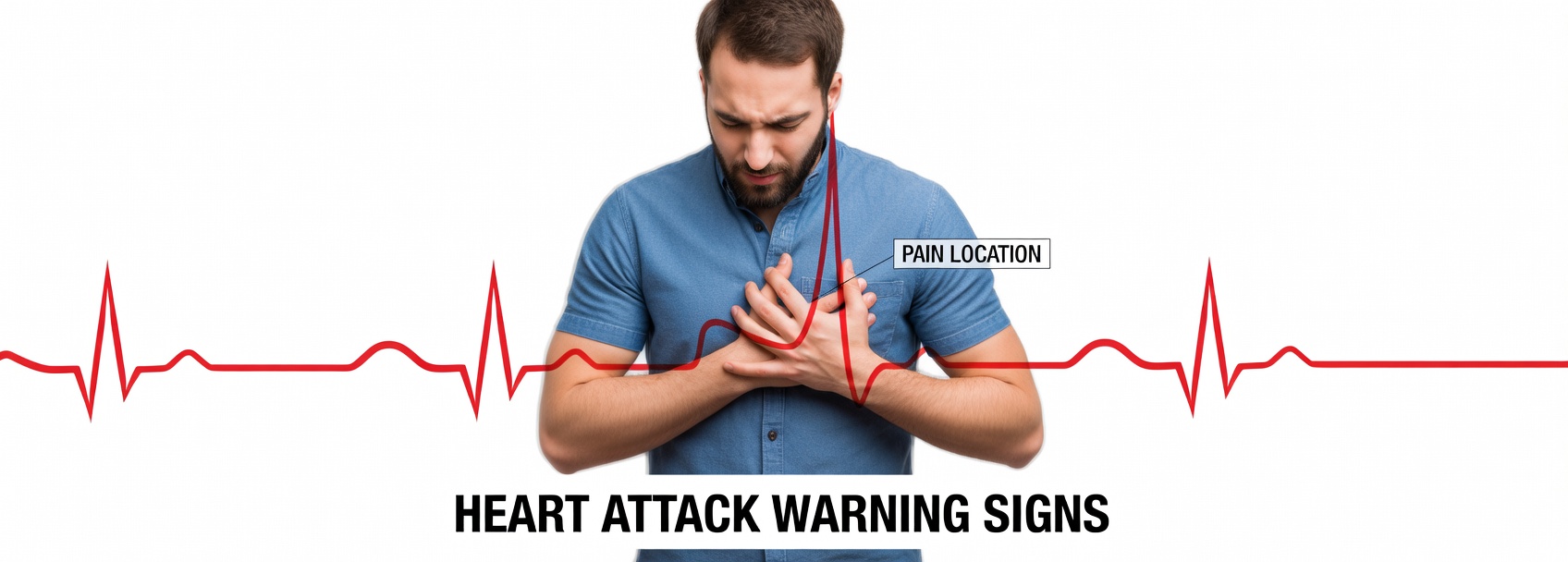
Certain people are more likely to experience a heart attack, and being aware of your own risk can prompt faster action if symptoms appear.
Major risk factors include:
- Age: men over 45 and women over 55
- Smoking or using tobacco products
- High blood pressure
- High cholesterol or other lipid problems
- Diabetes or prediabetes
- Being overweight or obese
- Lack of regular physical activity
- Family history of heart disease or early heart attacks
If you know you have one or more of these risk factors, take any suspicious symptom seriously—especially if you’re alone. Quick recognition and response can be lifesaving when you’re experiencing a heart attack by yourself.
Everyday Habits to Support Heart Health and Reduce Future Risk
You cannot control every aspect of your health, but you can lower your chances of facing a heart attack alone by building heart-healthy routines. Small, consistent changes add up over time.
Focus on:
- Nutritious eating: Choose more fruits, vegetables, whole grains, beans, nuts, and lean proteins. Cut back on heavily processed foods, sugary drinks, and excess salt.
- Regular movement: Aim for at least 150 minutes per week of moderate exercise, such as brisk walking, cycling, or swimming. If you’re new to exercise, ask your doctor what’s safe for you.
- Stress management: Practice deep breathing, meditation, gentle stretching, or other relaxation techniques to help protect your heart.
- Routine medical check-ups: Monitor your blood pressure, cholesterol, blood sugar, and weight with your healthcare provider. Follow their advice on medications and lifestyle changes.
These habits not only improve heart health but also give you greater confidence that you’re doing what you can to prevent or better handle a heart attack—especially if it happens when you’re alone.
The Often-Overlooked Detail That Can Change Everything
Many people delay getting help because they try to drive themselves to the hospital or wait to see if the pain will pass. This hesitation can cost critical minutes.
The frequently overlooked but vital detail is this: calling emergency services immediately—before doing anything else—gives you the best chance of survival when you’re alone during a heart attack.
By:
- Recognizing symptoms quickly
- Calling for emergency help without delay
- Staying calm and resting in a safe position
- Using aspirin only if advised and safe for you
- Avoiding myths and focusing on proven steps
you place yourself in the strongest possible position until professional medical teams take over. Share this knowledge with family and friends—you never know when someone’s life could depend on it.
Frequently Asked Questions
What is the very first thing I should do if I suspect a heart attack while alone?
Call your local emergency number immediately. Describe your symptoms clearly, stay on the line if instructed, and keep as still and calm as you can until help arrives.
Is it always safe to take aspirin when I’m alone during a heart attack?
No. Only take aspirin if you are not allergic, have no medical reason to avoid it, and the emergency dispatcher or a healthcare professional confirms it is appropriate for your situation. Aspirin does not replace medical treatment.
How can I prepare in advance in case I ever have a heart attack while alone?
- Save emergency numbers in your phone and post them somewhere visible at home.
- Learn basic CPR and how to use an AED.
- Keep an up-to-date list of your medications and medical conditions.
- Attend regular heart check-ups and follow your doctor’s recommendations on lifestyle and medications.
Being prepared and informed can make a powerful difference if a heart attack ever occurs when you’re on your own.