Feeling Different While Taking Atorvastatin? Here’s What to Know
Taking an atorvastatin tablet every evening can feel like a simple but meaningful step toward protecting your heart. For many people, it becomes part of a reassuring daily routine. Yet after weeks or months, some begin to notice subtle changes: heavier legs, less refreshing sleep, or a drop in overall energy.
These shifts are easy to dismiss as stress, aging, or a busy lifestyle. Still, understanding what some people report while using atorvastatin can help you pay closer attention to your body and make informed decisions with your healthcare provider.
One lesser-known detail may be especially important: a natural substance your body makes could influence how energetic and comfortable you feel from day to day.
Why Atorvastatin Is So Commonly Used
Atorvastatin is part of the statin class of medications. Doctors frequently prescribe it to help control cholesterol levels and support cardiovascular health. For many adults, it becomes a long-term part of a heart-care plan.
What people discuss less often is that the experience of taking atorvastatin is not exactly the same for everyone. Individual responses can differ, and that makes personal awareness important.
Muscle Discomfort Can Appear Slowly
A commonly reported issue is muscle soreness, weakness, or a heavy feeling in the legs and body. For example, someone who normally enjoys daily walks may find them more tiring several months after starting the medication.
This discomfort can vary widely:
- Mild achiness
- A sense of muscle heaviness
- Faster fatigue during regular activity
Research suggests that this happens in a minority of users and may be more noticeable during the first year of treatment. While that can be frustrating, it also serves as a reminder to listen carefully to physical changes rather than ignore them.
The Drop in Energy Some People Notice
Some users describe a gradual decline in stamina rather than a sharp or dramatic symptom. Everyday tasks may still be manageable, but they simply do not feel as easy as before.
This kind of low-energy feeling can be hard to define. It may not seem serious enough to raise concern at first, yet over time it can affect motivation, movement, and quality of life.
That leads to an important biological connection many people never hear about.
The CoQ10 Link That Deserves More Attention
A surprising fact about atorvastatin is that the same pathway it uses to reduce cholesterol also influences the body’s production of coenzyme Q10, or CoQ10. This compound plays a key role in cellular energy production.
Lower CoQ10 levels have been explored as a possible factor in:
- Muscle discomfort
- Fatigue
- Reduced exercise tolerance
Studies on CoQ10 supplements are still ongoing, and results remain mixed. Some people report benefit, while research has not produced a single clear answer for everyone. Even so, it is a topic many patients choose to discuss with their doctor, especially if they notice muscle-related symptoms or low energy.
Blood Sugar Changes and Why Follow-Up Testing Matters
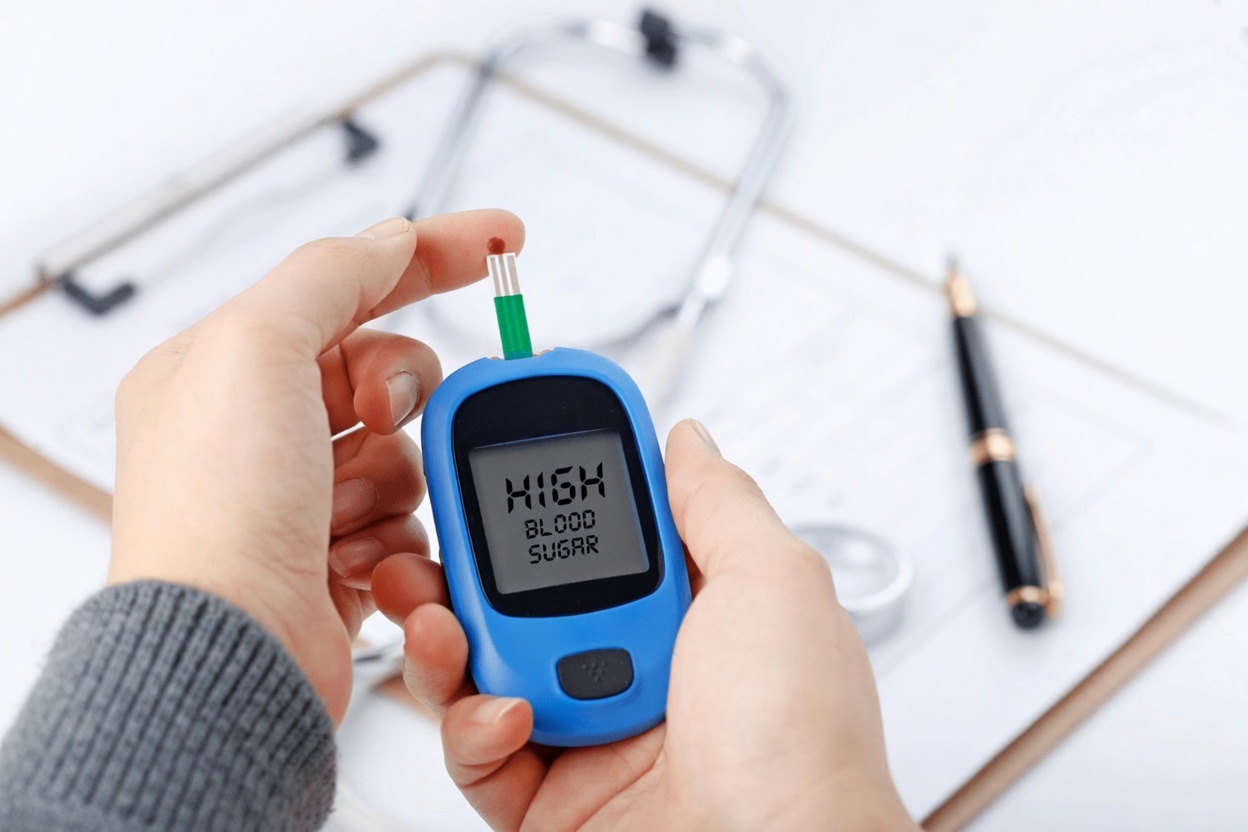
Another point worth knowing is that some studies have found a small rise in blood sugar levels in certain people taking atorvastatin. In many cases, the increase is modest, but it can still show up during routine lab work.
This does not mean everyone will experience a meaningful change. However, it does reinforce the value of regular monitoring. Small shifts in metabolic health can affect how you feel over time, even when your habits remain stable.
Regular testing can help your healthcare provider:
- Track blood sugar trends
- Evaluate your overall metabolic health
- Make adjustments if needed
- Distinguish medication effects from other health factors
Digestive Changes in Daily Life
Some people also mention mild digestive issues while taking atorvastatin. These may include:
- Bloating
- Occasional nausea
- Changes in digestion
Although these symptoms can be annoying, they are often manageable. In some cases, simple steps such as staying hydrated and making small dietary adjustments may help improve comfort.
What Research Says About Other Reported Symptoms
Atorvastatin is sometimes associated with other complaints, including:
- Sleep disruption
- Brain fog or memory concerns
- Mood changes
- Tingling sensations
However, larger research reviews paint a more nuanced picture. A major 2026 Lancet analysis involving hundreds of thousands of participants found that many of these experiences occurred at similar rates in people taking atorvastatin and those taking a placebo.
This suggests that not every symptom occurring during treatment is necessarily caused by the medication itself. Age, stress, other medications, sleep habits, and lifestyle factors may also play a role.
That distinction matters because it helps reduce unnecessary fear while still encouraging sensible observation and follow-up.

Common Beliefs vs. What Studies Often Show
| Perception | What Research Often Suggests |
|---|---|
| Most users have significant side effects | Many commonly reported symptoms occur at rates similar to placebo |
| Only older adults are affected | Symptoms can appear in different age groups |
| Every change must be caused by the medication | Lifestyle, age, and other health conditions often contribute |
| The risks always outweigh the benefits | The balance depends on the individual’s health profile |
Looking at these comparisons side by side can make the discussion around atorvastatin more balanced and less confusing.
Practical Steps You Can Take Now
If any of these experiences sound familiar, a thoughtful response is best. Consider the following steps:
- Keep a symptom log for two weeks using a notebook or app
- Note when symptoms happen and whether they relate to exercise, meals, or sleep
- Bring detailed observations to your next medical visit
- Ask whether blood tests are needed to check relevant markers
- Choose nutrient-rich foods that support muscle and energy health
- Stay active with moderate exercise approved by your healthcare provider
The most important rule is simple: do not stop or change your medication without medical guidance. Working with a professional is the safest approach.
A Simple Daily Support Checklist
Healthy habits can work alongside your prescription and support how you feel overall. Focus on:
- Regular medical appointments to review labs and progress
- Balanced meals with vegetables, lean protein, and healthy fats
- Consistent movement that feels manageable and sustainable
- Getting 7 to 9 hours of quality sleep each night
- Honest communication with your healthcare team
These habits can help strengthen your overall wellness while you continue your heart-health plan.
Final Thoughts
Atorvastatin plays an important role in many cholesterol and cardiovascular care plans. At the same time, your personal experience matters. Paying attention to changes in energy, muscle comfort, blood sugar, digestion, or sleep can lead to more productive conversations with your doctor.
The next time you reach for your evening pill, take a moment to reflect on how you have been feeling lately. That small pause in awareness may be the first step toward better support, better answers, and better days.
Frequently Asked Questions
1. Does everyone react to atorvastatin in the same way?
No. Responses vary from person to person based on dosage, other medications, lifestyle, and individual health conditions. Your own experience is the most relevant one to discuss with your healthcare provider.
2. Should I try CoQ10 if I feel muscle fatigue?
Some people consider it, but the evidence is still mixed. Speak with your doctor before starting CoQ10 or any supplement to make sure it is safe and appropriate for you.
3. What if I feel different but my test results look normal?
Keep the conversation going. Sometimes a fuller symptom history or additional testing can reveal more. Your symptoms and concerns are important pieces of the overall picture.
Medical Disclaimer
This article is for informational purposes only and does not replace professional medical advice. Always consult your healthcare provider for personalized guidance about atorvastatin or any health-related concern.