Why Aching Legs and Bones May Be Linked to Vitamin D
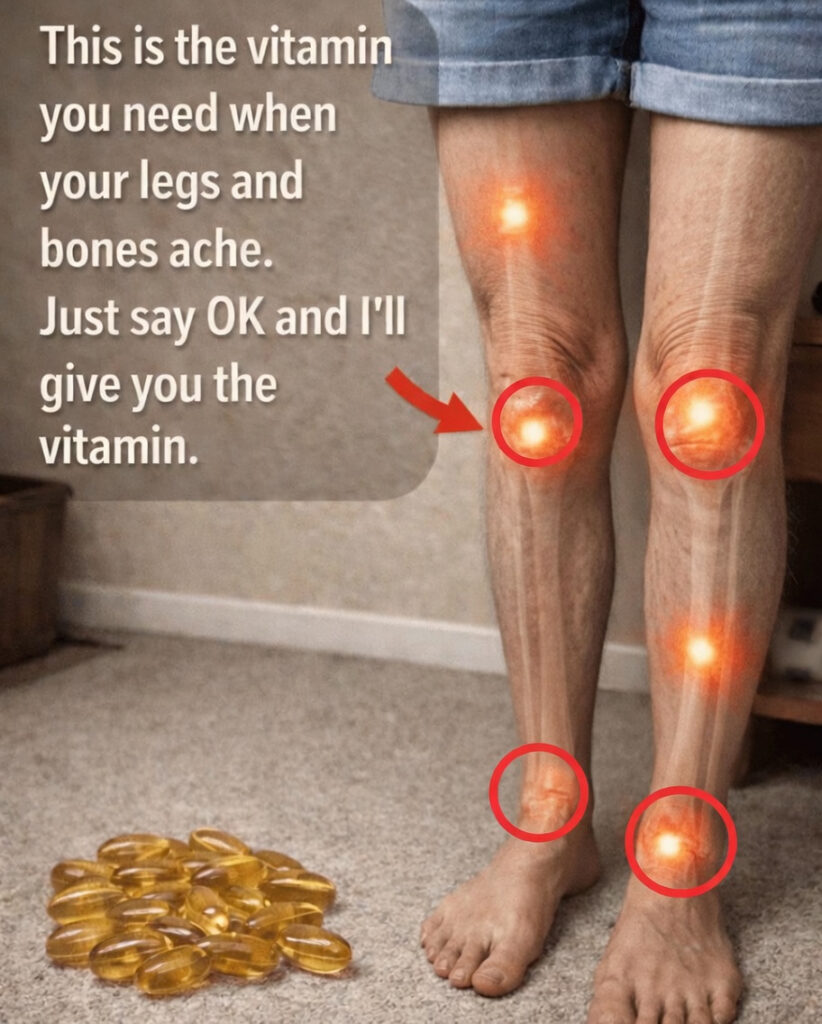
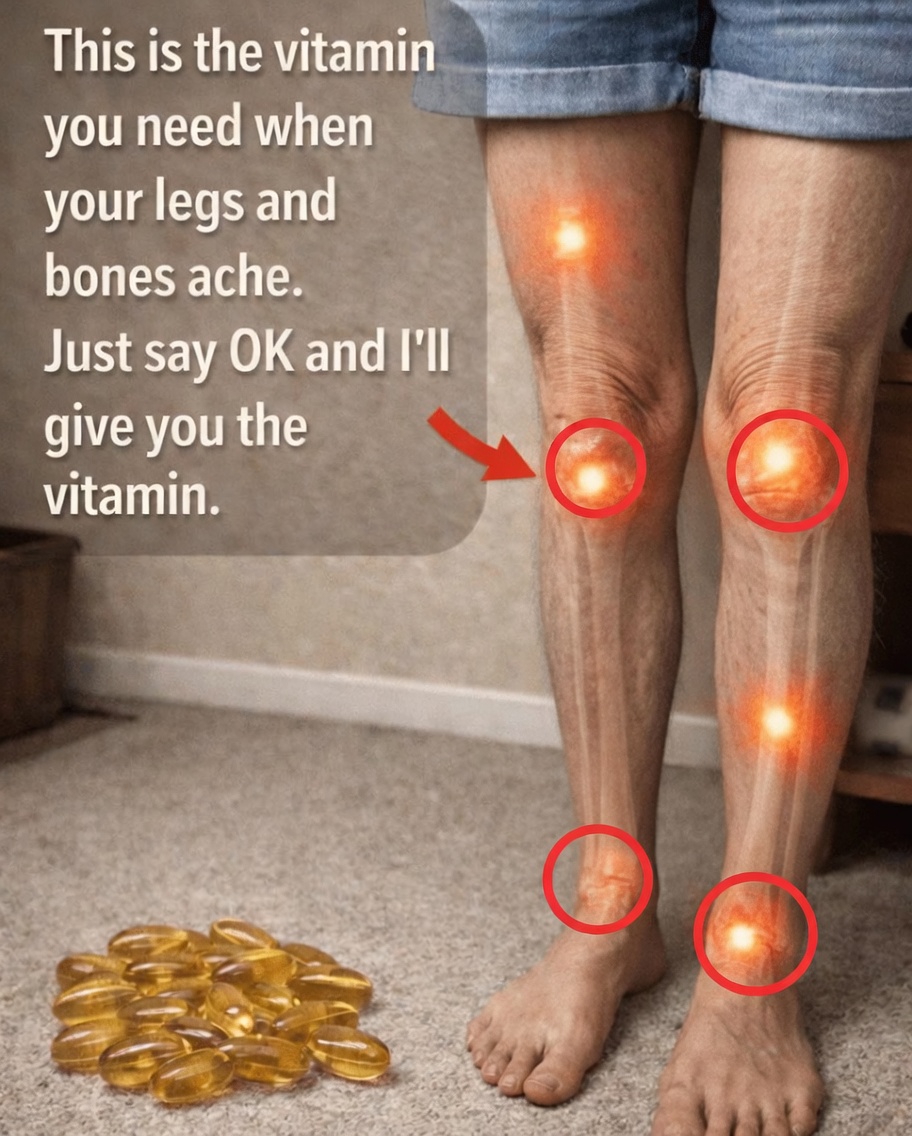
Waking up with a deep, stubborn ache in your legs or bones can make the start of the day feel harder than it should. Even simple tasks like walking to the bathroom, standing in the kitchen, or getting dressed may suddenly feel tiring and uncomfortable. For many people, that same soreness lingers into the evening, turning a family walk or basic household chores into something they would rather avoid.
What makes it even more frustrating is when rest does not seem to help. At that point, many begin to wonder whether this is simply part of aging. Yet research continues to highlight one common factor shared by many people with these symptoms: low vitamin D levels. Understanding that connection can give you a practical place to start.
Looking More Closely at Everyday Leg and Bone Pain
That heavy, sore feeling in the legs or the dull ache in the bones does not always come from exercise, overuse, or an obvious injury. In many adults, it develops slowly and becomes part of daily life. Over time, it can affect climbing stairs, standing for long periods, or even getting up from a seated position.
Researchers have also observed that this discomfort often appears alongside other subtle symptoms, such as:
- Lower energy than usual
- Muscles that cramp more easily
- Reduced physical endurance
- A general sense of heaviness in the lower body
Your body is constantly working to maintain strong bones and healthy muscles. When an important nutrient involved in that process is lacking, everyday aches can become more noticeable. That is why nutrition deserves attention instead of simply pushing through the pain.
How Vitamin D Supports Bones and Muscles
Vitamin D is often known as the “sunshine vitamin,” but its role goes far beyond sun exposure. It helps the body absorb calcium, supports bone strength, and contributes to healthy muscle function.
Medical research has repeatedly linked low vitamin D status with a greater likelihood of bone discomfort and muscle soreness, especially in the legs and lower body. Large reviews have found this connection to be particularly common in people who:
- Spend most of their time indoors
- Live in regions with limited sunlight during parts of the year
- Have lifestyles that reduce regular sun exposure
Vitamin D is also important for normal muscle performance. When levels fall, some people notice that their legs feel weaker, heavier, or more fatigued than usual.
It Is Not Just About Bones
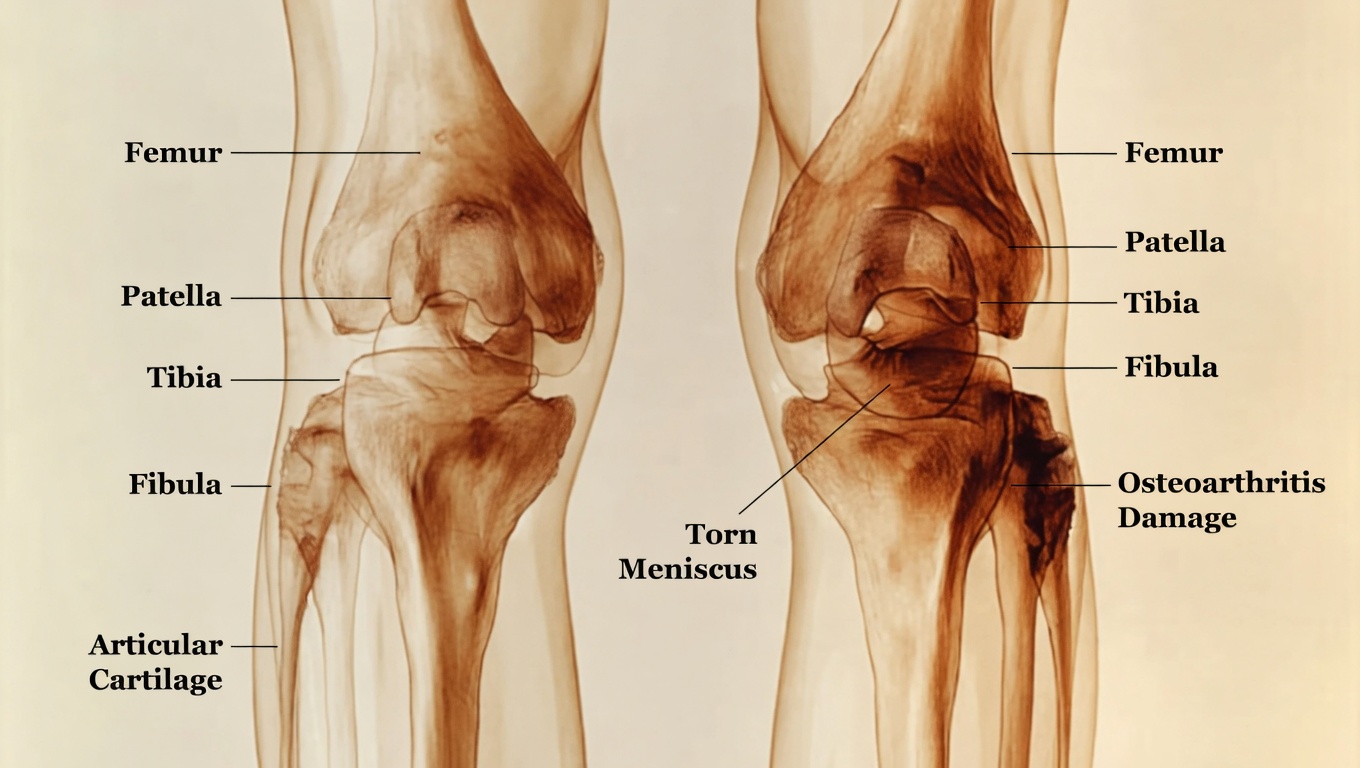
The story does not end with calcium and bone health. Muscles also rely on vitamin D to help regulate contraction and support normal inflammatory responses. When vitamin D is too low, the body may respond with the kind of aching that settles into the knees, shins, hips, or ankles.
Institutions such as Cleveland Clinic and Yale Medicine have noted that vitamin D influences both skeletal health and everyday physical comfort. That helps explain why a deficiency may show up not only as bone tenderness, but also as muscle weakness, soreness, or reduced mobility.
Signs That Could Suggest Low Vitamin D
If this sounds familiar, it may be worth considering whether low vitamin D is part of the picture. Research commonly associates insufficient vitamin D with symptoms such as:
- Ongoing deep aches in the legs, hips, or lower back that do not improve much with rest
- Muscles that weaken easily or tire quickly during basic activities
- Bone tenderness, especially when pressure is applied
- Greater sensitivity to cold temperatures or weather changes
- Fatigue that continues even after a full night of sleep
These signs do not confirm a deficiency on their own, but when several occur together, they often lead people to take a closer look at their vitamin D intake and overall health.
Why Vitamin D Deficiency Is So Common
Low vitamin D levels are surprisingly common, largely because modern habits make it easy to get less of it than the body needs. Several everyday factors can limit how much vitamin D your body produces or absorbs.
Common reasons include:
- Indoor living: Long hours in offices, cars, and homes reduce sun exposure
- Seasonal shifts: Fall and winter bring fewer daylight hours and weaker sunlight
- Age: After age 50, the skin becomes less efficient at producing vitamin D
- Dietary patterns: Avoiding dairy, fish, eggs, or fortified foods can reduce intake
- Skin tone: Darker skin naturally produces less vitamin D from the same amount of sunlight
- Health issues: Certain digestive disorders and medications may interfere with absorption
The positive side is that many of these factors can be addressed with realistic daily habits.
Practical Ways to Support Healthy Vitamin D Levels
Improving vitamin D status does not need to feel complicated. A few simple steps can make a meaningful difference over time.
1. Get Safe Sun Exposure
Try spending a short amount of time in sunlight several times a week. For many people, around 10 to 15 minutes of sun exposure on the arms and legs may be helpful, depending on skin tone, location, season, and UV conditions. Always keep sun safety in mind.
2. Eat More Vitamin D-Rich Foods
Add foods naturally high in vitamin D or fortified with it to your regular meals. Good options include:
- Salmon
- Mackerel
- Sardines
- Egg yolks
- Fortified orange juice
- Fortified plant milks
- Fortified cereals
3. Consider a Supplement
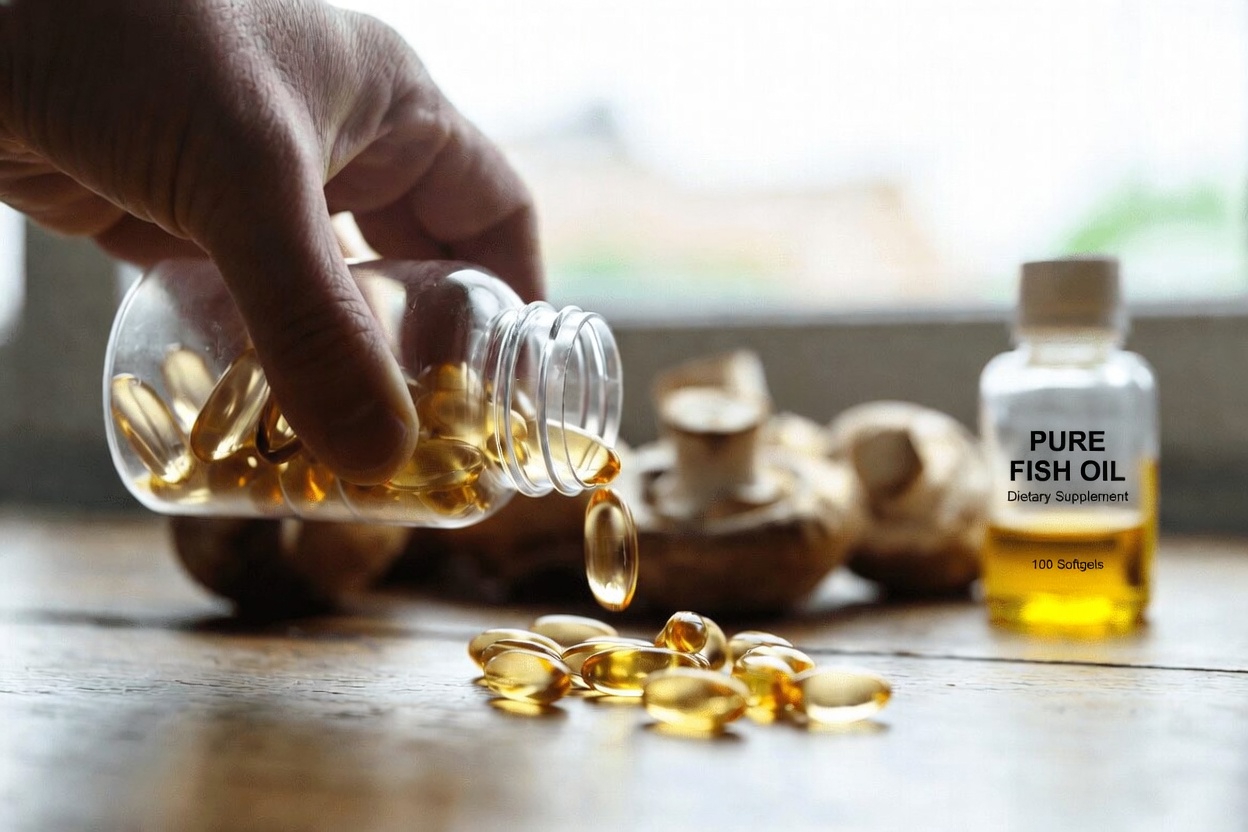
Many adults use a daily vitamin D3 supplement, especially when sunlight exposure is limited. It is best to speak with a healthcare provider first so you can choose an amount that fits your needs.
4. Combine It With Movement
Gentle weight-bearing activities can support bone health alongside proper nutrition. Helpful options include:
- Walking
- Light resistance training
- Bodyweight exercises
- Easy mobility work
5. Monitor Changes
Keep a short journal for a week or two. Track your energy, discomfort, and muscle fatigue after making a few adjustments. This can help you notice patterns more clearly.
Best Food Sources for Vitamin D
If you prefer to improve your nutrient intake through food first, these are some of the top options consistently highlighted in nutrition research:
- Fatty fish such as salmon and sardines
- Egg yolks
- Fortified milk alternatives
- Fortified breakfast cereals
- Beef liver in moderation
- UV-exposed mushrooms, which are especially useful for vegan diets
Adding just a few of these foods to your weekly routine can gradually raise your intake without making meals feel restrictive.
When You Should Talk to a Doctor
Although lifestyle changes can be helpful, there are times when professional guidance is the smarter next step. If leg or bone pain continues despite improving your diet and sun exposure, or if you also notice symptoms like swelling, redness, or sudden mobility changes, it is important to schedule a medical evaluation.
A doctor can order a blood test to check your vitamin D level and look for other possible causes of your discomfort. That takes the guesswork out of the process and helps you focus on the right solution.
Final Thoughts: Small Steps Can Make a Real Difference
Aching legs and bones can take away the comfort and ease of everyday life. But learning how vitamin D may be involved offers a clear and manageable starting point. Safe sunlight, better food choices, and supplementation when appropriate can help support stronger bones, healthier muscles, and better daily comfort.
The most important part is consistency. Small habits, repeated over time, often lead to the biggest improvements.
FAQ
1. Can low vitamin D really cause heavy, sore legs?
Low vitamin D has been strongly associated with muscle soreness, bone discomfort, and a heavy feeling in the legs. It may not be the only cause, but it is a common factor worth checking.
2. How long does it take to feel better after increasing vitamin D?
Some people notice gradual improvements in comfort and energy within 4 to 8 weeks. The timeline varies depending on how low vitamin D levels were in the beginning and how consistent the changes are.
3. Can I get enough vitamin D from food alone?
It is possible for some people, but many find it difficult to meet their needs through food alone, especially in winter or if they spend little time outdoors. In those cases, sunlight exposure, fortified foods, or supplements may help fill the gap.