Understanding Endometriosis: Signs, Daily Impact, and Supportive Lifestyle Habits
Living with persistent pelvic pain, unusually heavy periods, or constant tiredness can be deeply frustrating. It may also feel lonely, especially when people around you do not fully grasp what you are experiencing. Many women are taught to accept these symptoms as simply part of womanhood, even when they disrupt work, relationships, sleep, and everyday routines.
Over time, brushing these signs aside can create stress, self-doubt, and the feeling that an important health issue is being missed. The encouraging news is that awareness around endometriosis is improving. Learning more about this condition can lead to better conversations, more supportive habits, and a clearer understanding of your body. One often-overlooked mindset change near the end of this article may even reshape how you think about your symptoms.
What Is Endometriosis and Why Is It Important?
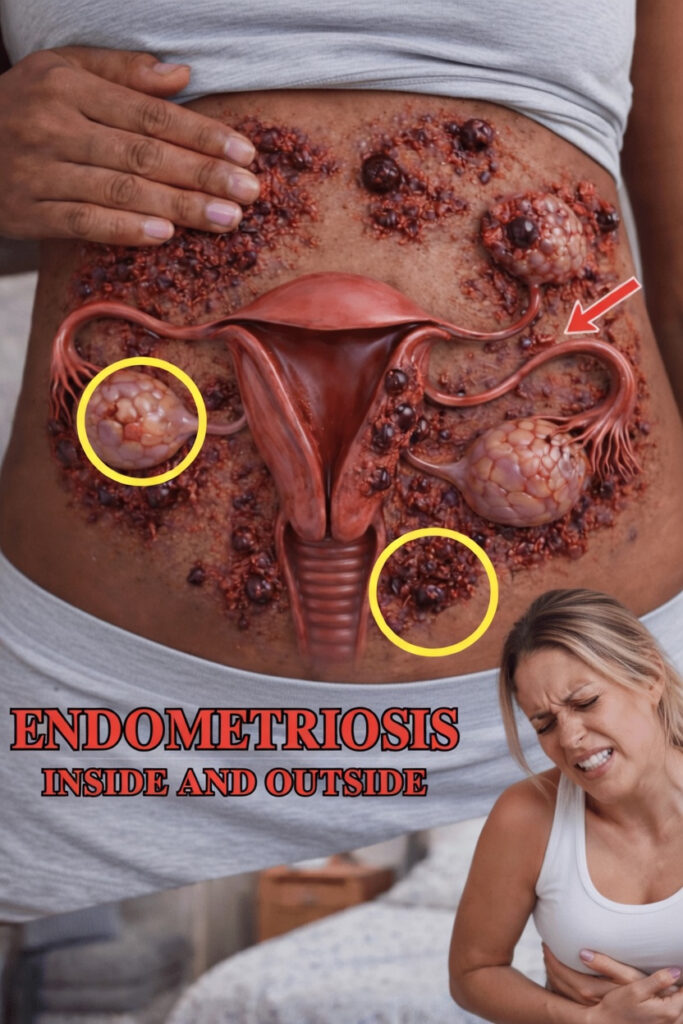
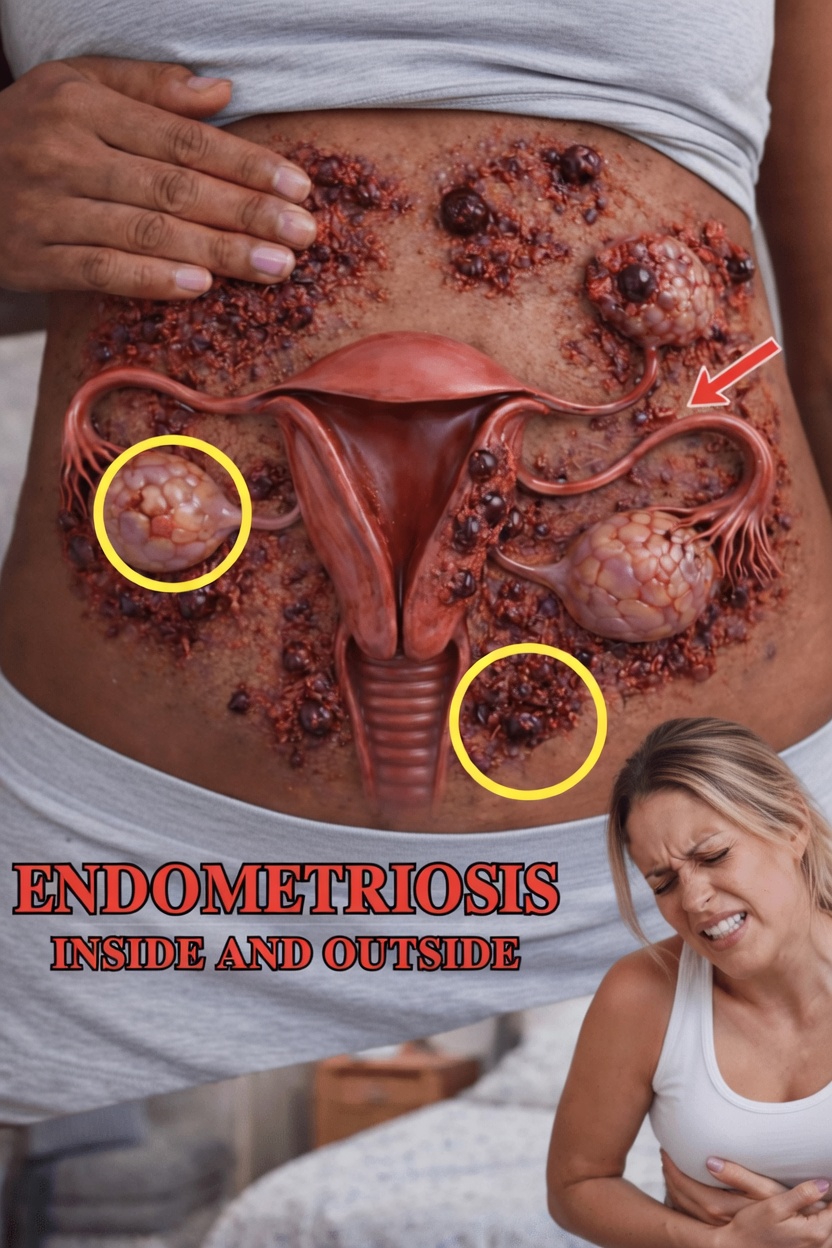
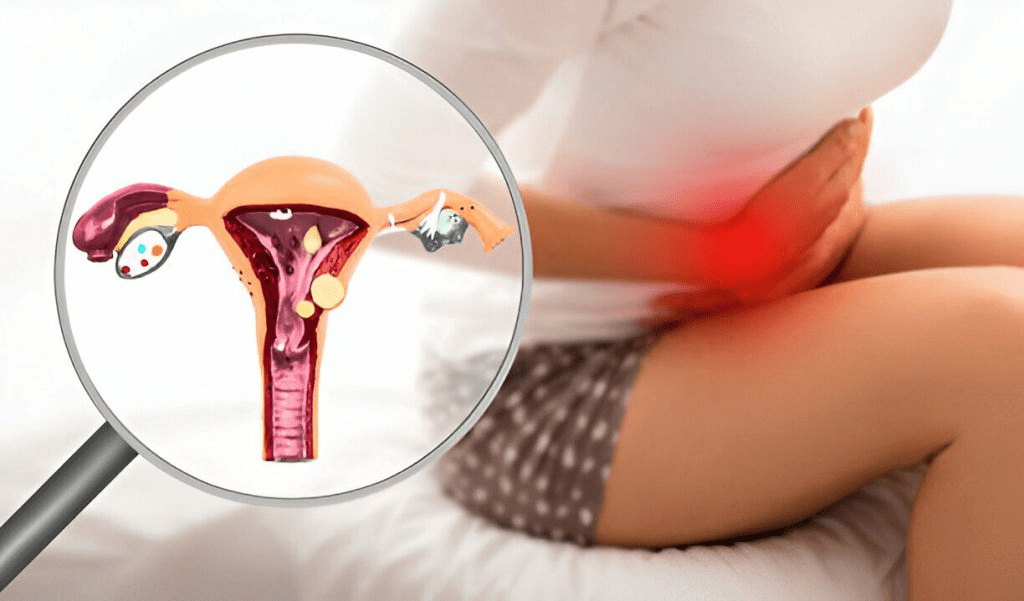
Endometriosis occurs when tissue similar to the lining of the uterus grows outside the uterus. It may appear on the ovaries, fallopian tubes, or elsewhere in the pelvic area. Unlike the uterine lining that leaves the body during menstruation, this tissue does not have a natural way to exit, which can trigger irritation, inflammation, and discomfort.
Millions of women around the world live with endometriosis, yet many do not recognize it for years. Studies in reproductive health have shown that delayed identification is common because its symptoms often resemble those of other conditions.
This matters because endometriosis can affect much more than physical comfort. It may also influence emotional health, close relationships, and the ability to function well in daily life.
Common Signs Many Women Dismiss
Endometriosis does not look the same for everyone. Some women experience obvious symptoms, while others notice only subtle changes.
Commonly reported signs include:
- Intense menstrual cramps that feel far beyond typical period pain
- Pain during or after intimacy
- Heavy bleeding or irregular periods
- Ongoing pelvic pain or lower back discomfort
- Digestive symptoms such as bloating or nausea during menstruation
- Fatigue that continues even after rest
One reason endometriosis is easy to overlook is that symptoms may change from one month to the next. That inconsistency can make them seem less serious than they really are.
An important point to remember is that symptom severity does not always reflect what is happening internally. A woman with mild symptoms may still have significant inflammation, while another with severe pain may not show widespread tissue growth. That is why paying attention to your body is so valuable.
Why Endometriosis Is Often Suffered in Silence
There are several reasons this condition frequently goes unrecognized:
- Social discomfort around talking openly about menstrual health
- Being taught from a young age that period pain is normal
- Limited awareness of which symptoms deserve medical attention
- Busy schedules that encourage women to push through discomfort
When pain becomes part of a regular routine, it can stop feeling unusual. But noticing that pattern is often the first step toward making informed and empowered health decisions.
How Endometriosis Can Affect Everyday Life
Endometriosis is not only a physical condition. It can shape many areas of daily living.
Physical Effects
- Lower energy levels
- Trouble keeping up with normal responsibilities
- Difficulty staying active
Emotional Effects
- Frustration and discouragement
- Feeling isolated or misunderstood
- Increased stress and mood shifts
Lifestyle Effects
- Missed workdays or canceled social plans
- Interrupted sleep
- Reduced overall quality of life
Research suggests that long-term discomfort can also affect mental wellbeing, which is why a whole-person approach to support is so important.
Supportive Lifestyle Habits That May Help
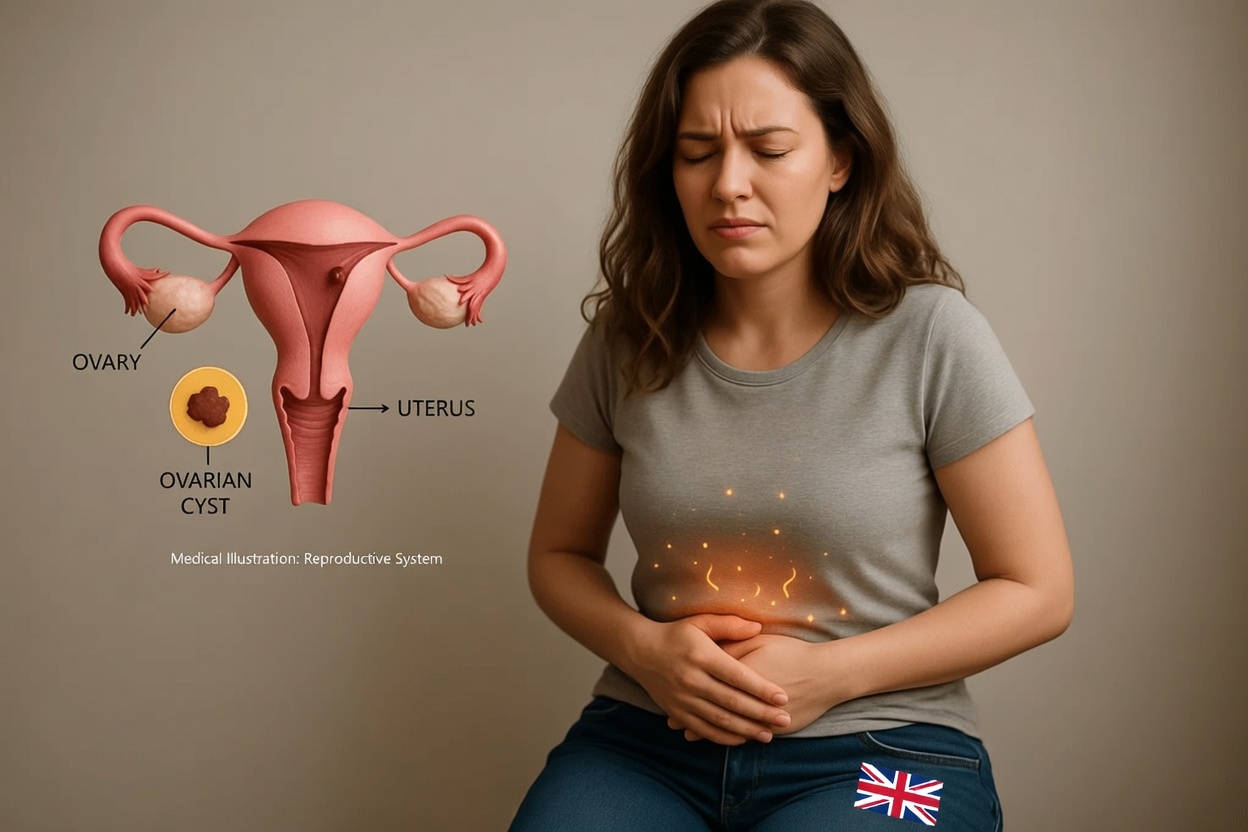
There is no one-size-fits-all solution for endometriosis. Still, certain daily habits may help improve comfort and support overall wellbeing.
1. Gentle Movement and Stretching
Low-impact activity may support circulation, mobility, and relaxation. Many women find that light movement feels more manageable than intense exercise during difficult days.
Helpful options include:
- Walking
- Yoga
- Gentle stretching
A simple routine could look like this:
- Spend 10 to 15 minutes stretching in the morning
- Focus on slow, deep breathing as you move
- Avoid forcing movements that increase discomfort
2. Balanced Nutrition Choices
Some research suggests that food choices may influence inflammation in the body. While diet is not a cure, nourishing meals may support how you feel overall.
Foods you may want to include more often:
- Leafy greens
- Brightly colored vegetables
- Whole grains
- Fiber-rich foods
- Omega-3 sources such as nuts and seeds
Items some women try to reduce:
- Highly processed foods
- Excess sugar
- Trans fats
The key is not perfection. What matters most is awareness and consistency over time.
3. Stress Awareness and Relaxation
Ongoing stress may affect how the body experiences discomfort. Building small moments of calm into your day can be helpful.
Simple strategies include:
- Deep breathing
- Short mindfulness sessions
- Taking brief breaks during busy periods
Even five minutes of intentional relaxation each day can have a meaningful effect over time.
4. Heat Therapy for Relief
Warmth can be especially soothing during painful days. Many women use heat to relax tense muscles and ease discomfort.
Common options include:
- Warm baths
- Heating pads
- Warm compresses
These methods may provide a comforting sense of relief and relaxation.
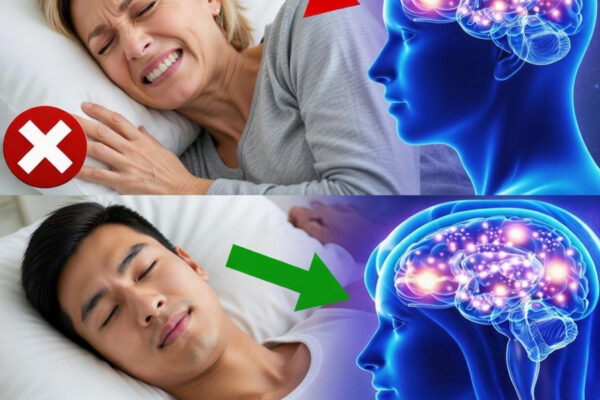
5. Better Sleep and Recovery Habits
Sleep quality plays an important role in how the body handles pain and stress. Improving rest may support both energy and resilience.
Tips for better sleep:
- Keep a regular bedtime and wake-up schedule
- Reduce screen time before bed
- Make your sleep environment calm and comfortable
Daily Habits That Support Comfort vs. Common Triggers
| Supportive Habits | Potential Triggers |
|---|---|
| Regular gentle movement | Long periods of inactivity |
| Balanced whole foods | Highly processed meals |
| Stress management | Ongoing stress buildup |
| Consistent sleep routine | Irregular sleeping patterns |
This comparison is not about strict limitation. It is about recognizing patterns. Small changes made consistently can gradually create noticeable improvements.
When to Speak With a Healthcare Professional
If your symptoms are disrupting daily life, it may be time to talk with a qualified healthcare provider.
Consider seeking guidance if:
- Pain is affecting normal activities
- Symptoms are getting worse over time
- You are unsure whether what you are experiencing is normal
A healthcare professional can help you explore next steps and offer advice tailored to your situation.
The Emotional Side of Endometriosis That Deserves More Attention
One part of endometriosis that is often overlooked is its emotional impact. Living with ongoing pain or discomfort can wear down confidence, patience, and resilience. Feeling ignored or misunderstood can be just as difficult as the physical symptoms themselves.
That is why support matters. Helpful steps may include:
- Talking with trusted friends or family members
- Connecting with understanding communities
- Sharing experiences with people who truly relate
Even when it feels isolating, you are not the only one going through this.
The Mindset Shift That Can Change Everything
Let’s return to the idea mentioned at the beginning.
One powerful change is moving from ignoring symptoms to observing them with curiosity.
Instead of saying:
- “This is normal. I just have to deal with it.”
Try asking:
- “What is my body trying to tell me today?”
This small but meaningful shift can encourage awareness, earlier action, and a kinder relationship with your own body. And that change in perspective can make a real difference.
Conclusion
Endometriosis is far more common than many people realize, yet it is still widely misunderstood. By learning the signs, paying attention to patterns, and building supportive daily habits, women can take meaningful steps toward greater comfort and improved wellbeing.
It is not about doing everything perfectly or expecting immediate results. It is about listening, learning, and making steady choices that support your health over time.
Frequently Asked Questions
1. Is endometriosis only linked to painful periods?
No. Painful periods are common, but some women also experience fatigue, digestive issues, pelvic discomfort, or symptoms that continue throughout the month.
2. Can lifestyle habits really help?
Healthy routines such as balanced eating, gentle movement, stress management, and better sleep may support comfort and overall wellbeing. Results can vary from person to person.
3. When should I get professional advice?
If your symptoms interfere with your normal routine, become more severe, or leave you concerned, it is wise to speak with a qualified healthcare provider.
Disclaimer
This article is for informational purposes only and should not replace professional medical advice. Always consult a qualified healthcare provider about any symptoms or health concerns.