

Why Prostate Changes After 50 Can Disrupt Daily Life
For many men over 50, urinary changes begin gradually but become hard to ignore. More frequent bathroom trips, sudden urgency, interrupted sleep, and the constant feeling of not emptying the bladder fully can wear down energy, mood, and confidence. These shifts are often linked to normal aging and changes in the prostate, but that does not make them any less frustrating.
Because these symptoms are so common, many men start looking for natural ways to support urinary function and prostate comfort. One herb, in particular, has received widespread attention: saw palmetto. Still, the real story is more complex than the hype. To understand whether it is worth considering, it helps to look at both the science and the practical lifestyle strategies that matter most.
Age-Related Prostate Enlargement and Its Symptoms
The prostate is a small gland, about the size of a walnut, located just below the bladder. As men age, this gland often grows larger. This non-cancerous enlargement is called benign prostatic hyperplasia, or BPH.
Although BPH is not prostate cancer, it can still create real problems. As the prostate enlarges, it may press against the urethra and interfere with the normal flow of urine. Many men begin noticing symptoms in their late 40s or 50s, and for some, these issues become increasingly disruptive over time.
Common symptoms of BPH include:
- Urinating more often than usual
- Waking up at night to urinate, also known as nocturia
- A weak, slow, or stop-and-start urine stream
- A lingering sense that the bladder is not fully empty
- Sudden urges to urinate that are difficult to delay
- Straining or discomfort during urination
These symptoms are extremely common. Research suggests that more than half of men in their 60s and up to 90% of men in their 80s experience some level of BPH-related urinary symptoms. The encouraging part is that awareness, good habits, and appropriate care can often improve daily comfort.
Saw Palmetto: A Popular Herbal Option for Prostate Support
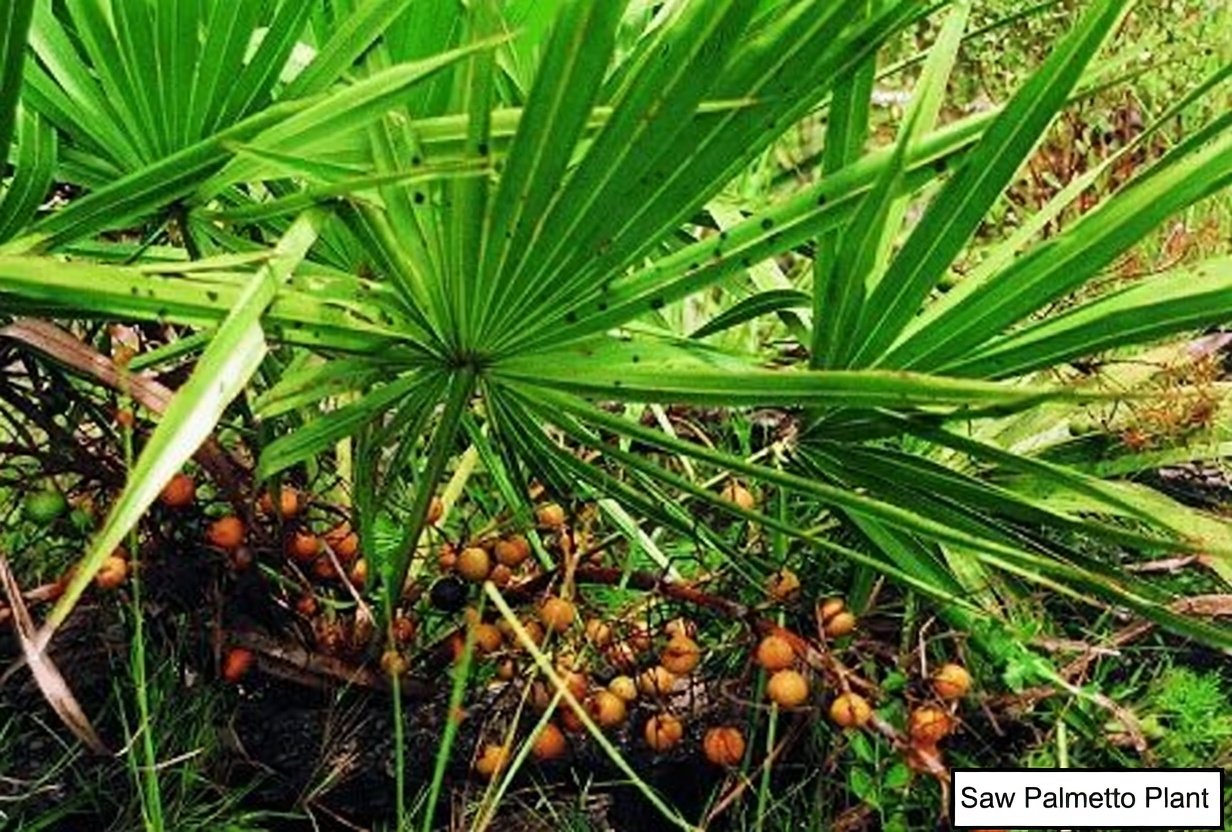
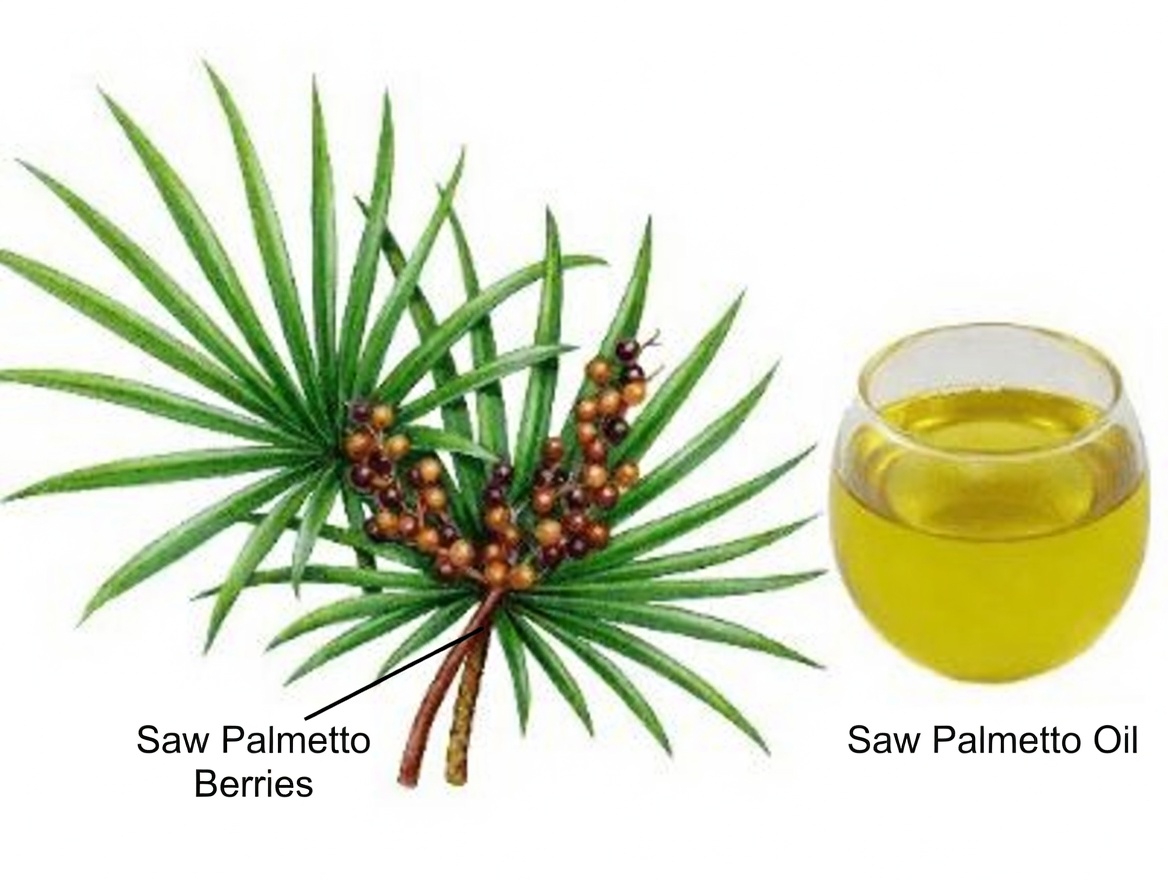
Among natural supplements for men’s health, saw palmetto remains one of the best known. It comes from the berries of a small palm native to the southeastern United States. For many years, concentrated extracts of these berries have been used in supplements aimed at supporting prostate health and urinary comfort.
You will usually see saw palmetto sold in:
- Softgel capsules
- Tablets
- Combination prostate support formulas
What has made it so popular is its content of fatty acids and plant sterols. Researchers have explored whether these compounds may influence hormone-related pathways and enzyme activity involved in prostate tissue function. Because of this, saw palmetto has become a common ingredient in over-the-counter prostate supplements in both the United States and Europe.
What Research Says About Saw Palmetto
The evidence on saw palmetto is mixed, which is why opinions on it vary so widely.
Some smaller clinical studies and observational research have reported modest benefits, especially in men with mild to moderate urinary symptoms. In certain trials, participants experienced:
- Slight improvements in urinary flow
- Fewer nighttime bathroom visits
- Better symptom scores on prostate health questionnaires
However, larger and better-designed studies have not been as encouraging. A major 2011 study published in JAMA tested saw palmetto at doses up to three times the standard amount and found no meaningful difference from placebo in symptom relief or urine flow. More recently, a 2024 Cochrane systematic review that examined many placebo-controlled trials concluded that saw palmetto does not appear to produce clinically important improvements in lower urinary tract symptoms or overall quality of life for most men.
What is the practical takeaway?
The most balanced conclusion is this:
- Some men say they feel better while taking saw palmetto
- Scientific evidence does not strongly support it as a reliable treatment
- It is generally considered safe for most healthy adults at standard doses
- It should not replace medical evaluation or prescribed treatment
Saw palmetto is not known to shrink the prostate in the same way certain prescription medications can. Instead, if it helps at all, it may offer mild support for some individuals. That is why many experts see it as a possible addition to a broader wellness plan, not a complete solution by itself.
Daily Habits That Can Improve Prostate and Urinary Comfort
Whether or not a supplement is part of the plan, lifestyle changes often make a meaningful difference. In fact, these are commonly recommended first because they are practical, affordable, and low risk.
Helpful habits include:
-
Exercise regularly
Moderate physical activity, such as brisk walking for 30 minutes on most days, supports circulation and helps with weight control, both of which are linked to better urinary health. -
Manage fluids carefully
Reducing caffeine, alcohol, and large amounts of liquid in the evening may help limit nighttime urination. -
Eat with prostate health in mind
A diet rich in colorful fruits, vegetables, omega-3-rich fish, and zinc-containing foods such as pumpkin seeds may be beneficial. Some studies also point to possible value from lycopene in cooked tomatoes and green tea polyphenols. -
Use smarter bathroom habits
Techniques like double voiding—urinating, waiting briefly, then trying again—can help improve the feeling of complete emptying. It also helps not to postpone urination for too long. -
Maintain a healthy body weight
Excess body fat can affect hormone balance and may contribute to prostate-related symptoms.
These steps may sound simple, but for many men they provide noticeable relief over time.
How to Try Saw Palmetto More Wisely
If you are considering saw palmetto, the best approach is to do it carefully and with realistic expectations. If your healthcare provider agrees it is reasonable to try, these steps can help:
-
Speak with your doctor first
This is especially important if you take medications, have chronic health conditions, or have never had your urinary symptoms evaluated. -
Choose a quality supplement
Look for products standardized to contain 85% to 95% fatty acids and sterols. Third-party tested brands, including those with USP or NSF verification, may offer better reliability. -
Use the dose most often studied
Many studies use 320 mg once daily or 160 mg twice daily, usually taken with food. -
Allow enough time
If any benefit occurs, it is typically assessed after about 4 to 12 weeks of consistent use. -
Track symptoms objectively
Keep notes on nighttime urination, urgency, stream strength, and overall comfort. This makes it easier to judge whether the supplement is actually helping.
Because supplements are not regulated in the same way as prescription drugs, product quality and consistency can vary. That makes careful selection especially important.
Other Natural Ingredients Often Discussed for Prostate Health
Saw palmetto gets most of the attention, but it is not the only plant-based option linked to urinary support. Other ingredients commonly found in prostate formulas include:
-
Stinging nettle root extract
Often combined with saw palmetto; some studies suggest it may support urinary flow. -
Pumpkin seed oil
Naturally rich in phytosterols and zinc, with small studies suggesting possible benefits for bladder and prostate comfort. -
Beta-sitosterol
A plant sterol found in many foods that has been studied for its potential to improve certain urine flow measures. -
Rye grass pollen extract
Used in some European approaches, with reports of symptom relief in some men.
These should be viewed as supportive options rather than cure-alls. In some cases, a professionally guided combination may be more useful than relying on one single herb.
When Urinary Symptoms Need Medical Attention
Natural support has its place, but some symptoms should never be ignored. Seek medical advice promptly if you experience:
- A sudden worsening of urinary symptoms
- Blood in the urine
- Pain during urination
- Unexplained weight loss
- Inability to urinate
- Recurrent urinary tract infections
These signs may point to something more serious than age-related prostate enlargement. Regular checkups with a healthcare professional or urologist remain essential. When appropriate, this may include PSA testing and other evaluations to monitor prostate health properly.
Bringing It All Together
Urinary problems linked to an aging prostate are extremely common, but they do not have to be accepted without question. BPH symptoms can interfere with sleep, comfort, and everyday confidence, yet many men can improve how they feel through a combination of smart habits, medical guidance, and realistic expectations about supplements.
Saw palmetto remains one of the most talked-about herbs for prostate support. While some men report relief, the strongest research suggests it is unlikely to produce major improvements for most people. That does not mean it has no place—it simply means it should be approached as one possible tool, not a proven fix.
In the bigger picture, the most reliable strategy usually starts with:
- Healthy daily routines
- Better fluid and diet choices
- Weight management
- Regular exercise
- Professional medical evaluation when needed
For men looking to support prostate health naturally, the smartest path is not chasing a miracle supplement. It is building a balanced plan that combines evidence-based habits with informed decisions.