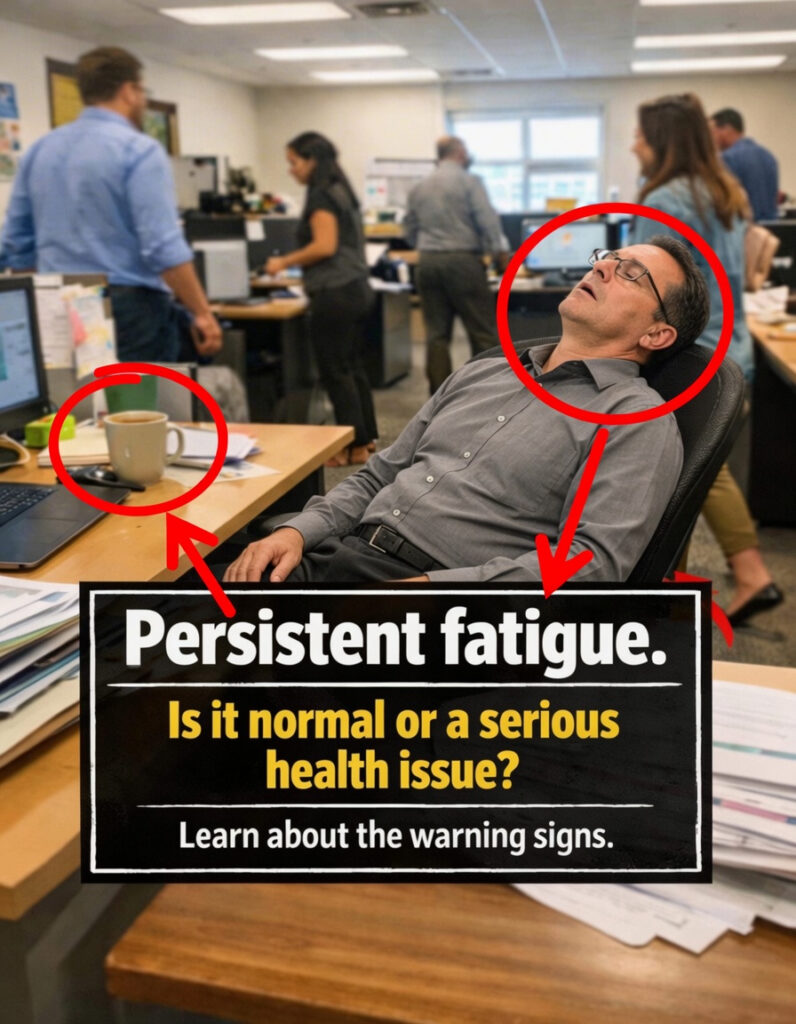
13 Health Conditions That Can Cause Persistent Fatigue
Do you feel worn out all day, even after what should have been a full night of sleep? If everyday tasks seem harder than they should and your energy never really returns, ongoing fatigue may be affecting more than just your schedule. It can reduce your enjoyment of life, make you short-tempered with people you care about, and hurt your ability to focus at work or be present at home.
Many people assume constant tiredness is just the result of stress, poor sleep, or a busy routine. However, when exhaustion continues for weeks, it can be a sign that something deeper is going on in the body. Below are 13 common medical reasons for long-lasting fatigue, along with warning signs that should not be ignored.
Why Fatigue Happens
Fatigue is often your body’s signal that it is not producing, using, or delivering energy properly. Feeling tired once in a while after a demanding day is completely normal. But if exhaustion continues even after rest, it may point to an underlying health issue.
Persistent fatigue affects millions of adults around the world. The cause may be relatively simple, such as a vitamin or iron deficiency, or it may relate to a chronic condition that needs medical care. The earlier you recognize the possible reason, the sooner you can take action.
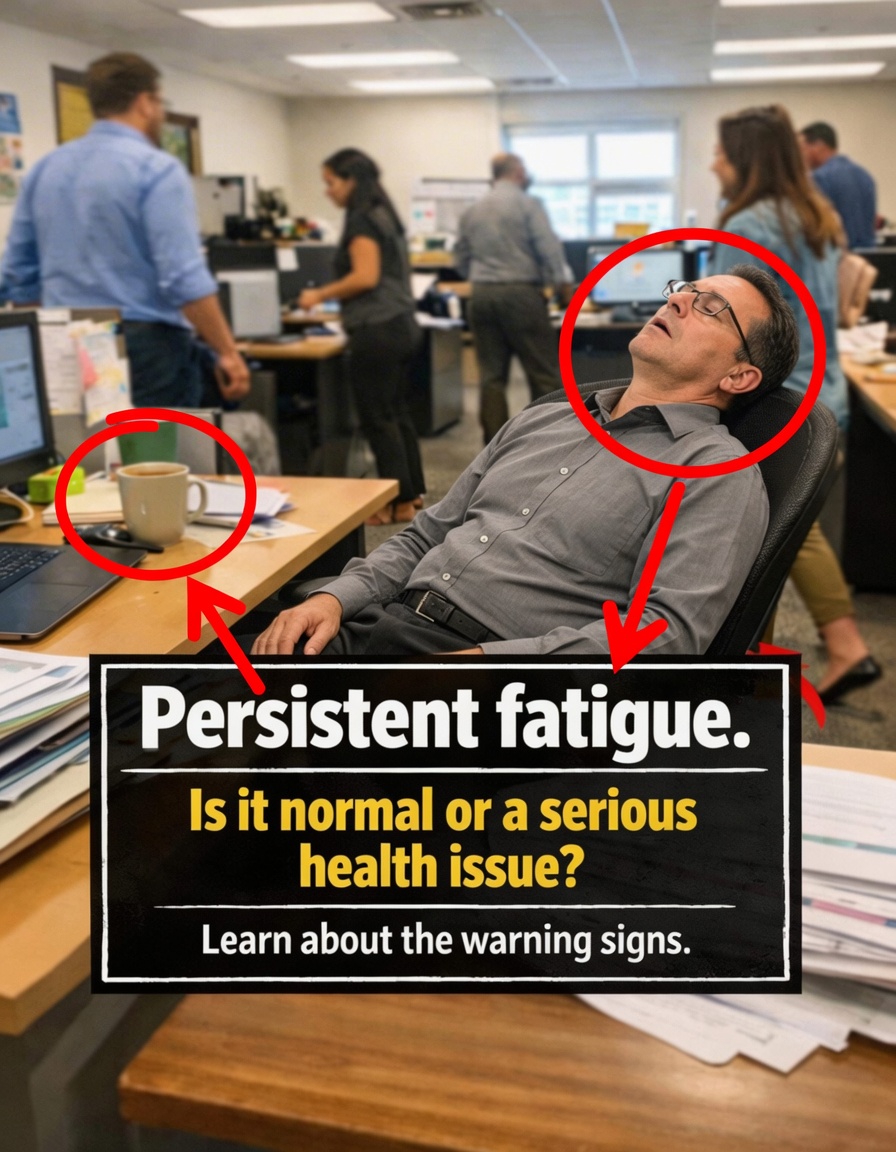
1. Anemia
Anemia is one of the leading causes of ongoing tiredness. It happens when the body does not have enough healthy red blood cells or enough hemoglobin to carry oxygen efficiently. As a result, your tissues and organs receive less oxygen, which can leave you feeling weak, lightheaded, and depleted.
Common symptoms include:
- Pale skin
- Dizziness
- Headaches
- Cold hands and feet
- General weakness
Iron-deficiency anemia is especially common in women during their childbearing years.
Helpful step: If anemia is a possibility, ask your doctor about a blood test. Foods such as spinach, lentils, and lean red meat, especially when paired with vitamin C sources, may help support iron levels.
2. Migraines and Chronic Headaches
Migraines do not just cause head pain. Many people also experience overwhelming fatigue before, during, or after an episode. The combination of throbbing pain, nausea, and sensitivity to light or sound can leave you completely drained.
Reduced blood flow in the brain and inflammation are believed to contribute to this exhaustion. If migraines are frequent, keeping track of sleep, stress, and food triggers may help identify patterns.
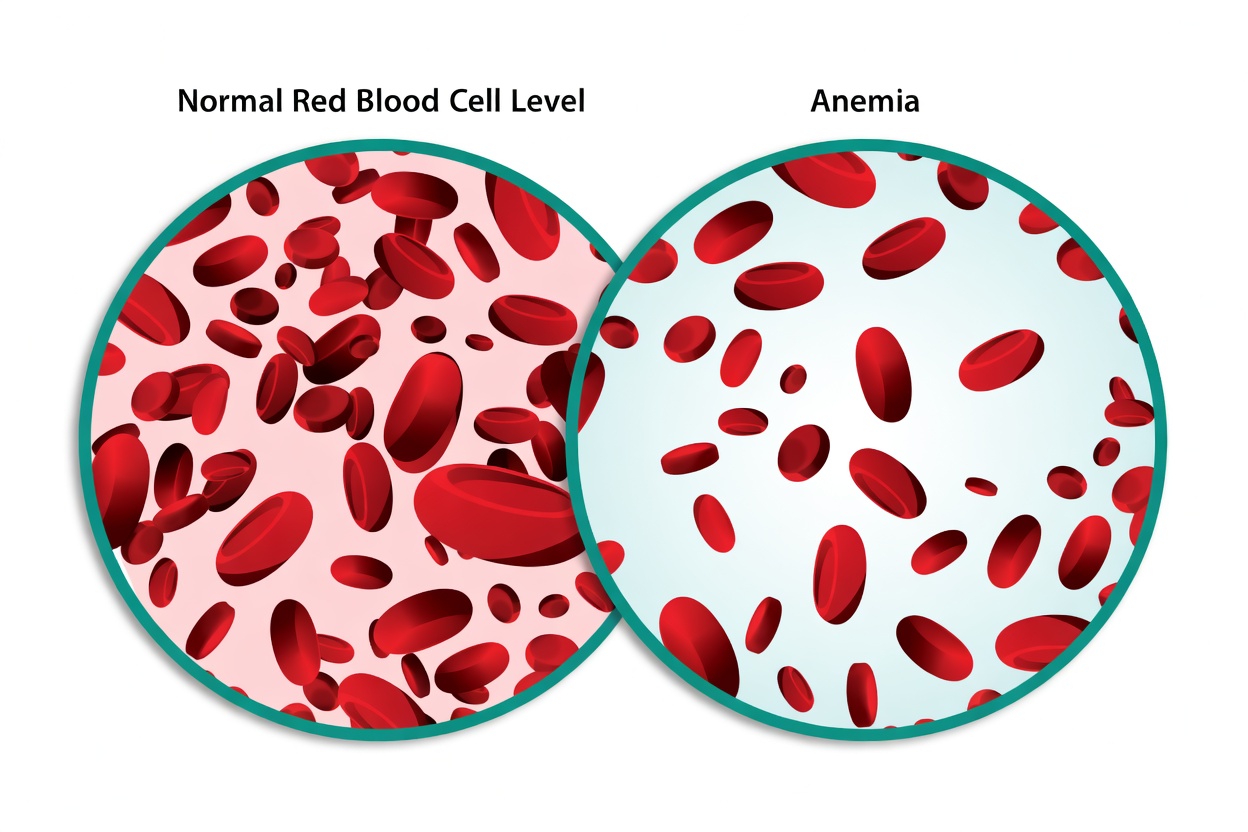
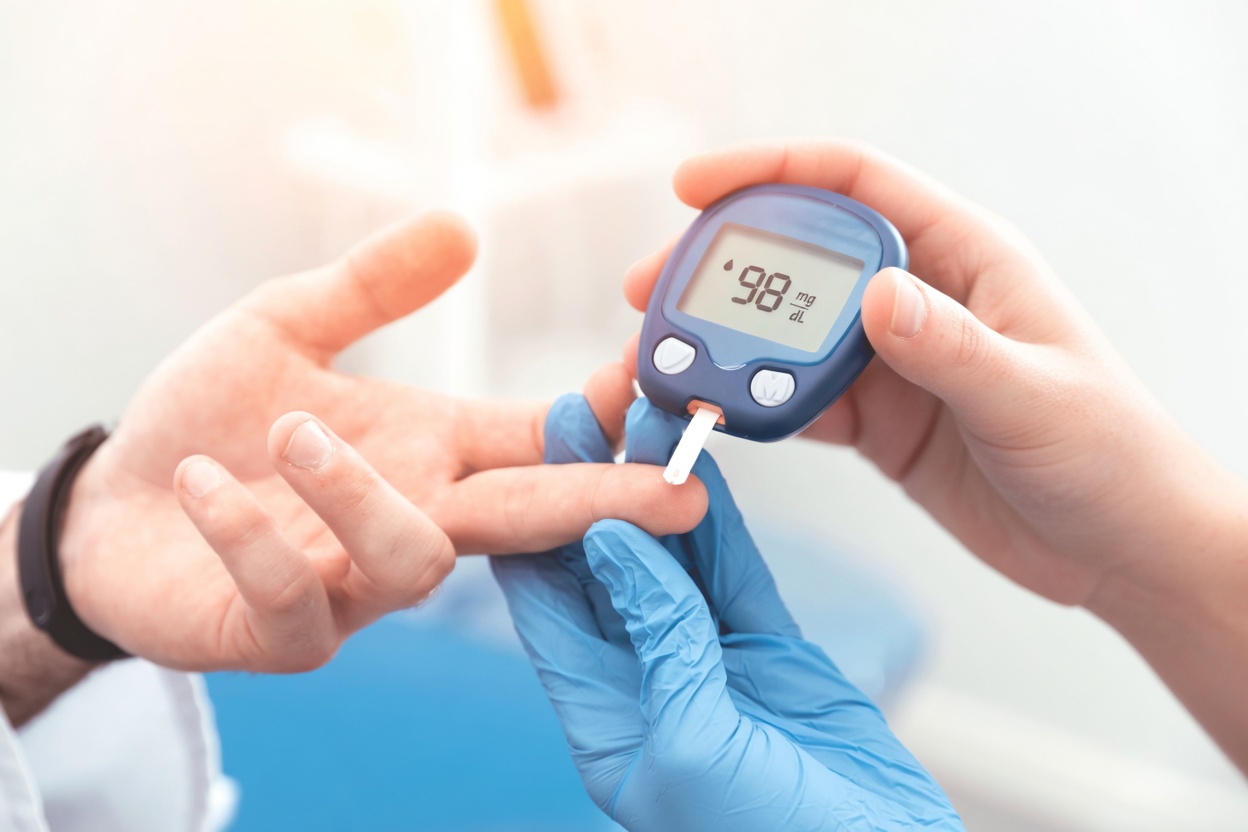
3. Diabetes
With diabetes, the body cannot properly use glucose for fuel. Even when blood sugar levels are high, the cells may still struggle to access that energy. This can create a constant feeling of sluggishness and fatigue.
Other signs may include:
- Frequent thirst
- More frequent urination
- Blurred vision
- Unexplained weight changes
Many adults live with undiagnosed diabetes or prediabetes, so these symptoms should not be overlooked.
Quick Self-Check
- Do you feel thirsty most of the time?
- Are you urinating more often than usual?
- Has your weight changed without trying?
4. Thyroid Disorders
The thyroid helps regulate metabolism, which directly affects your energy levels. If the gland produces too little hormone, known as hypothyroidism, you may feel tired, cold, and gain weight more easily. If it produces too much, energy may also become unstable.
Because thyroid problems can mimic many other conditions, a blood test is usually the best way to evaluate thyroid function.
5. Tuberculosis and Other Infections
Certain infections can drain your energy gradually over time. Tuberculosis is one example and may cause fatigue along with night sweats, coughing, and unexplained weight loss. Other bacterial or viral infections can also trigger prolonged exhaustion, even when symptoms are not obvious at first.
6. Chronic Stress and Elevated Cortisol
Long-term stress keeps the body in a constant state of alertness. During this process, cortisol levels stay elevated, which may eventually leave you mentally and physically burned out. Over time, this can affect sleep, mood, and overall stamina.
Simple daily habits can help reduce stress load, including:
- Deep breathing
- Short walks
- Mindfulness exercises
- Regular breaks during the day
7. Depression and Other Mental Health Conditions
Fatigue is a major symptom of depression. It may feel like emotional heaviness, loss of motivation, or having no energy for activities you once enjoyed. Some people also struggle with concentration, sleep changes, and difficulty getting out of bed.
If sadness, numbness, or low mood lasts longer than two weeks, it is important to speak with a healthcare professional.
8. Chronic Fatigue Syndrome
Chronic fatigue syndrome, also called myalgic encephalomyelitis, is a complex disorder marked by severe tiredness that does not improve with rest. In many cases, physical or mental activity makes symptoms worse.
Researchers are still investigating the exact cause, but immune system dysfunction and other biological changes may be involved.
9. Neurological Exhaustion (Neurasthenia)
People with neurasthenia may feel both physically and mentally exhausted despite getting enough sleep. They often describe constant weakness, irritability, poor focus, and body aches. Even small tasks may feel unusually demanding.
10. Blood Pressure Problems
Both high and low blood pressure can contribute to low energy.
- High blood pressure can place strain on the heart and kidneys over time.
- Low blood pressure may reduce blood flow to the brain and body, causing dizziness, weakness, and fatigue.
It is also worth noting that some blood pressure medications may lead to tiredness as a side effect.
11. Heart and Cardiovascular Disease
Persistent fatigue can be an early symptom of heart-related problems, including coronary artery disease and abnormal heart rhythms. In some cases, especially in women, unusual tiredness may appear weeks before a serious cardiac event.
Pay close attention if fatigue happens along with:
- Shortness of breath
- Chest discomfort
- Swelling
- Reduced tolerance for activity
Breathing difficulty during light movement or while lying down should always be taken seriously.
12. Sleep-Disordered Breathing, Including Sleep Apnea
Obstructive sleep apnea and similar conditions interrupt breathing during sleep. These repeated pauses reduce oxygen levels and prevent deep, restorative rest. As a result, you may wake up feeling unrefreshed even after 7 to 8 hours in bed.
Common warning signs include:
- Loud snoring
- Morning headaches
- Daytime sleepiness
- Trouble staying alert
13. Inflammatory and Autoimmune Conditions
Long-term inflammation can place a heavy burden on the body. Diseases affecting the lungs, liver, heart, or immune system may all show up as persistent fatigue. Autoimmune disorders are particularly known for causing energy loss because the immune system remains overactive.
Warning Signs You Should Never Ignore
Fatigue should be evaluated promptly if it appears together with any of the following symptoms:
- Sudden, unexplained weight loss
- Shortness of breath at rest or with very mild activity
- Night sweats
- Unexplained fever
- Yellowing of the skin or eyes
- Chest pain
- Heart palpitations
- Severe dizziness
- Fainting
If ongoing tiredness is accompanied by any of these signs, arrange a medical check-up as soon as possible.
Daily Habits That May Help Support Energy
Although persistent fatigue should always be discussed with a doctor, certain everyday habits may help improve overall energy and well-being:
- Keep a regular sleep and wake schedule
- Drink enough water throughout the day
- Choose balanced meals with protein, healthy fats, and complex carbohydrates
- Add light movement, such as a 10-minute walk
- Reduce caffeine later in the day
- Limit screen exposure before bedtime
Frequently Asked Questions
Q1: Is it normal to feel tired every day?
Occasional tiredness is common, especially after a busy day or poor sleep. But feeling exhausted most days, even after rest, is not considered normal and should be checked by a healthcare provider.
Q2: Can stress by itself cause constant fatigue?
Yes, long-term stress can significantly reduce energy levels. Still, it is important to rule out medical causes, especially if the fatigue is ongoing or severe.
Q3: When should I see a doctor about fatigue?
You should seek medical advice if fatigue lasts more than two weeks, disrupts daily life, or appears with symptoms such as chest pain, unexplained weight change, or shortness of breath.
Important Disclaimer
This article is intended for informational purposes only and does not replace professional medical advice, diagnosis, or treatment. Always consult a qualified healthcare provider if you have concerns about fatigue or any other symptoms.