Why Veins on Your Hands May Look More Noticeable
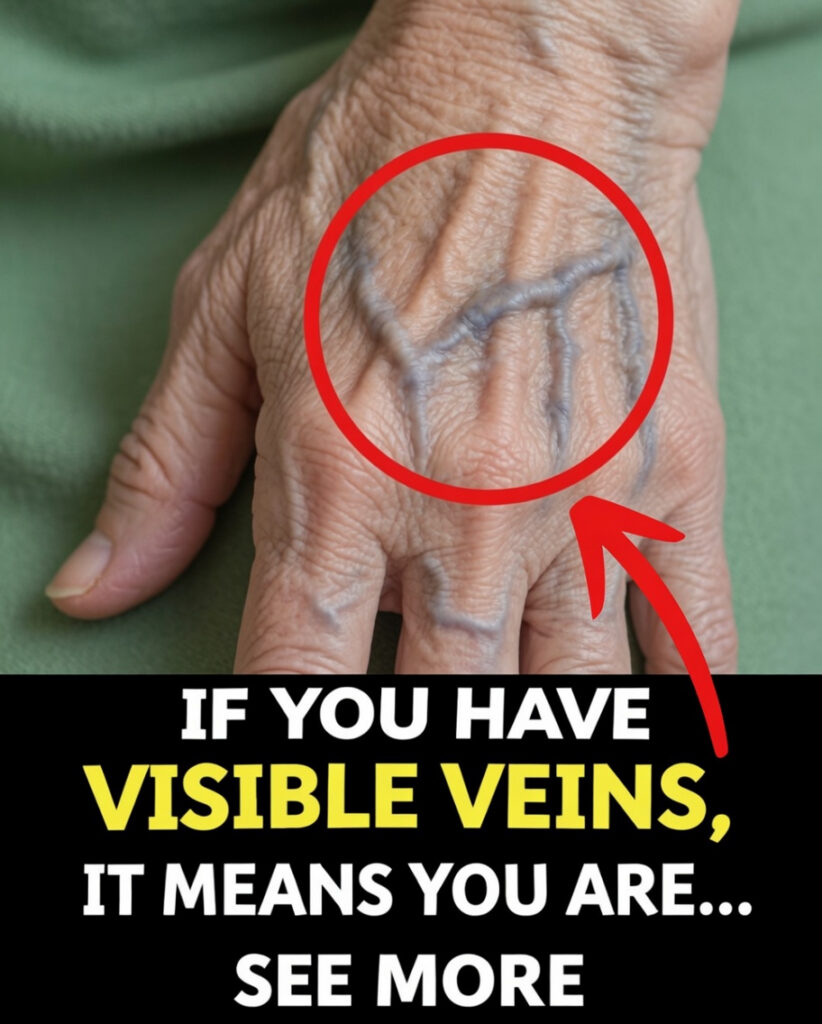
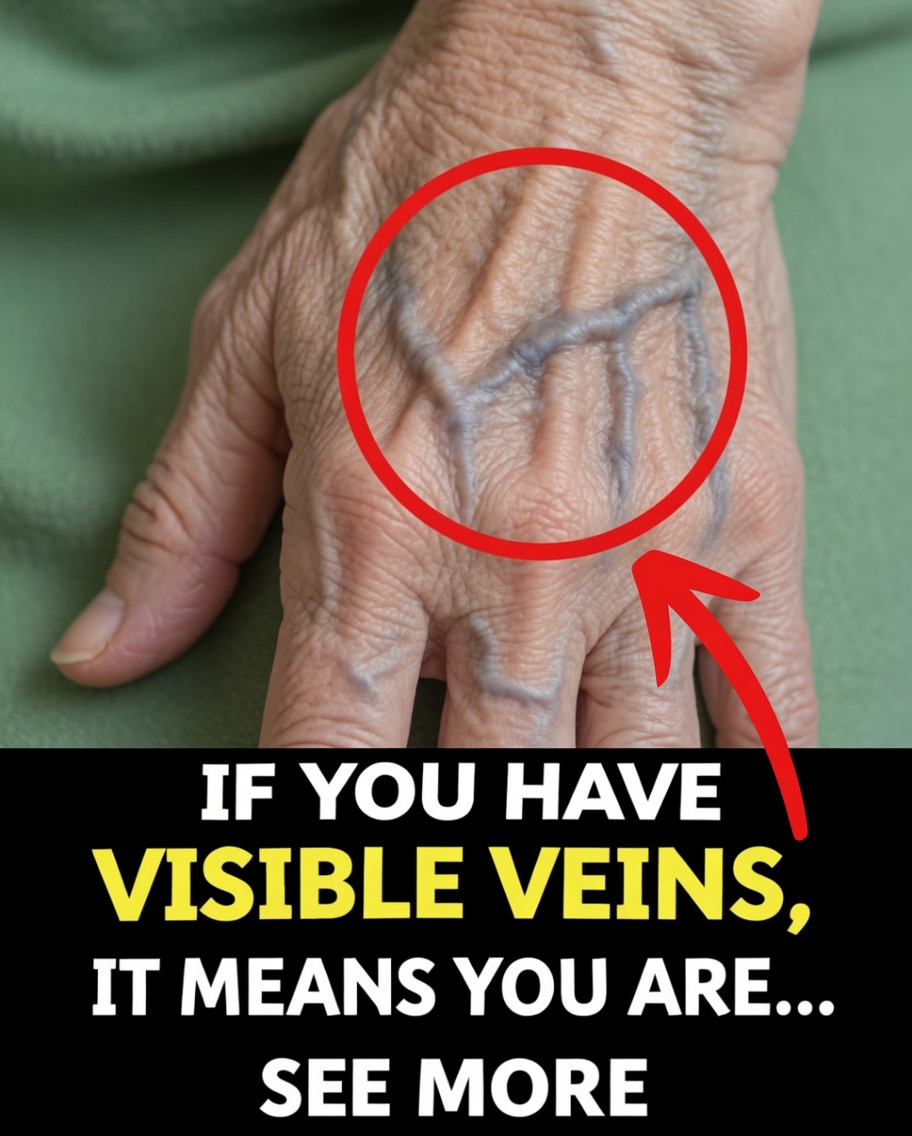
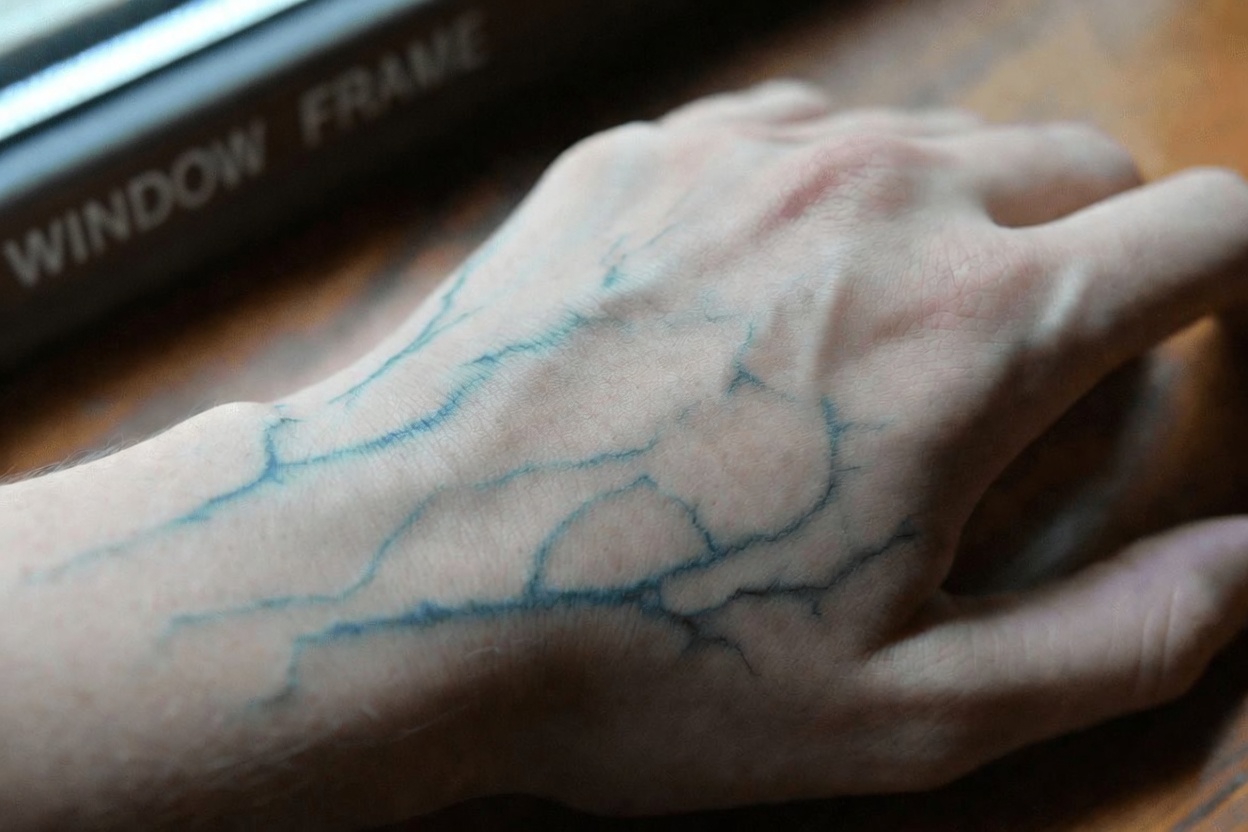
If the veins on the backs of your hands seem more visible lately, you are not alone. Many people begin to notice these blue or green lines more often during everyday moments like reaching for a cup, typing, or washing their hands. It can be easy to wonder whether this change means something is wrong with your circulation.
In most cases, visible hand veins are completely normal. They are usually linked to natural body changes, daily activity, skin texture, and temperature. In fact, experts in vascular health, including guidance commonly reflected by sources such as the Cleveland Clinic, note that prominent veins are often a routine physical change rather than a warning sign.
Your hand skin is thinner than skin in many other parts of the body. Over time, it also loses some of the soft tissue that once covered the veins underneath. As that happens, those veins simply become easier to see.
Common Reasons Hand Veins Stand Out
For most healthy adults, noticeable veins on the hands are caused by normal physiological factors. They do not usually signal disease. The most common reasons include:
- Physical activity: Exercise, lifting, gardening, or any effort that boosts circulation can make veins appear larger for a while. As muscles work harder, veins may rise closer to the skin surface.
- Low body fat: If you are naturally lean or athletic, there is less fat beneath the skin to conceal the veins.
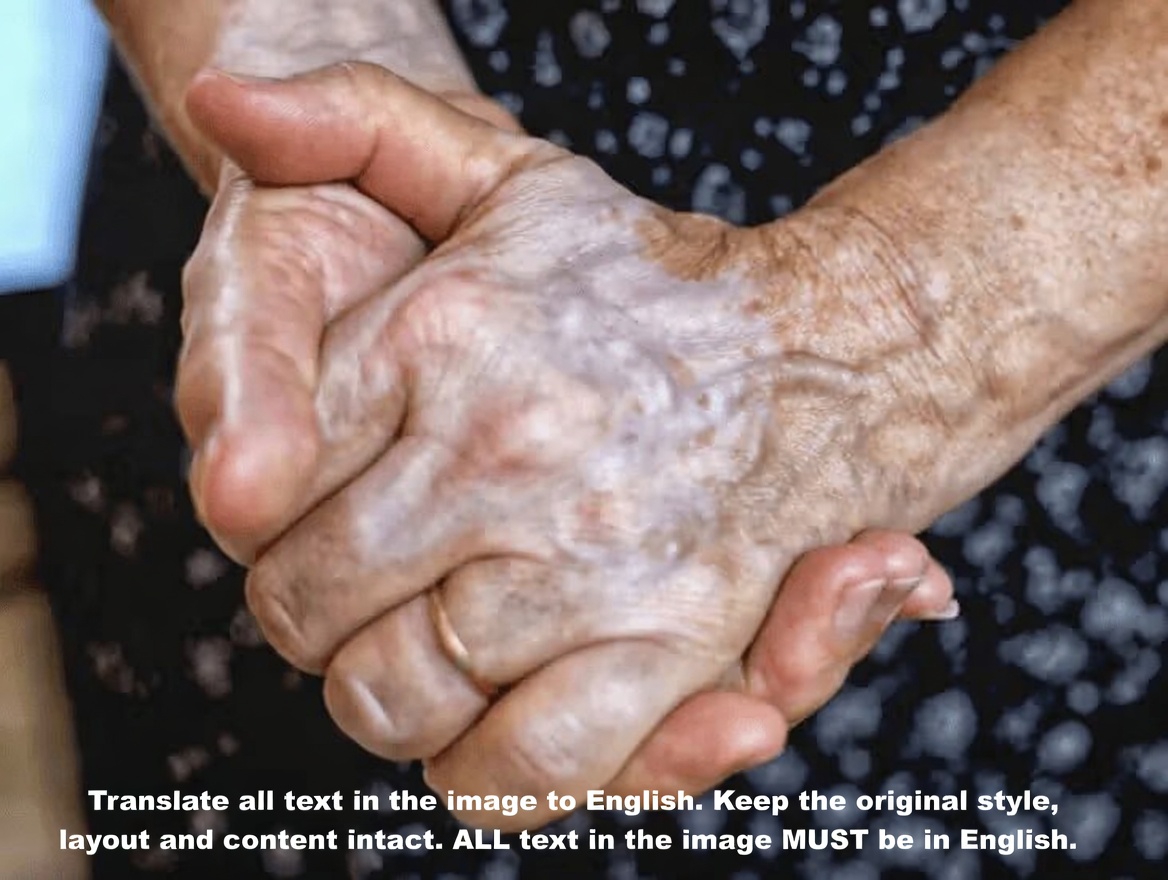
- Aging: As the years pass, skin becomes thinner and loses collagen and elasticity. This often makes veins more obvious, especially after age 40 or 50.
- Heat exposure: Warm weather, hot environments, and body heat can widen blood vessels temporarily, making veins more visible.
- Fair or delicate skin: Lighter skin tones and naturally thin skin tend to show the color of veins more clearly.
Genetics can matter too. If prominent hand veins are common in your family, you may simply be more likely to have them. For many people, that is just a normal inherited trait.
Why Skin Changes Make a Difference
One major reason hand veins become easier to see is that the skin changes over time. Hands are exposed to sun, soap, temperature shifts, and daily movement. That constant exposure can gradually reduce skin thickness and softness.
When there is less cushioning under the skin, veins do not necessarily become unhealthy—they just become easier to notice. This is why the same person may see very different-looking hands at age 25 versus age 55, even if circulation remains perfectly normal.
When Visible Hand Veins May Need Medical Attention
Although prominent veins are usually harmless, some changes should not be ignored. A sudden difference in how your veins look or feel can sometimes point to an underlying issue that deserves a professional opinion.
You may want to pay closer attention if the veins become:
- Twisted or rope-like
- Unusually swollen or bulging
- Painful or tender
- Warm to the touch
- Associated with redness or swelling
- Noticeably different on only one hand
In uncommon cases, these signs may relate to inflammation, abnormal blood flow, or a vein condition. While hand varicose veins are much less common than leg varicose veins, they can happen. Deep vein thrombosis, or DVT, is another important concern if symptoms appear quickly and are accompanied by pain, warmth, or swelling.
Normal Vein Visibility vs. Signs to Discuss With a Doctor
| Usually Normal | Worth Medical Advice |
|---|---|
| Develops gradually over time | Appears suddenly |
| More noticeable after exercise or in heat | Stays swollen even at rest |
| No pain or discomfort | Pain, tenderness, or warmth |
| Similar on both hands | Mainly affects one hand |
| Improves when hands cool down | Comes with redness or color changes |
| No other symptoms | Slow-healing spots or heavy sensation |
The main point is simple: most visible hand veins are cosmetic, not dangerous. Still, staying aware of new or unusual symptoms is always a smart approach.
Daily Habits That Support Healthy Circulation
You may not be able to make hand veins disappear completely, and they often do not need treatment. However, a few everyday habits can support healthy circulation and help your hands feel better overall.
- Drink enough water: Hydration helps maintain normal blood volume and supports healthier-looking skin.
- Move your hands often: Gentle stretching, wrist rolls, or opening and closing your fists can encourage blood flow, especially if you work at a desk.
- Protect your skin: Wear gloves in cold weather and limit unnecessary sun exposure to help preserve skin quality.
- Balance your workouts: Strength training is beneficial, but mixing it with walking, swimming, or other moderate movement can support circulation without excessive strain.
- Watch hand position: Avoid clenching your fists or holding your arms in tight positions for long periods, as this can increase temporary pressure in the veins.
Many people feel less concerned once they understand that visible veins are often a normal body change rather than a sign of poor health.
The Overlooked Everyday Trigger
Here is the often-missed factor: heat from daily routines.
Hot showers, saunas, and even holding a warm mug for a long time can widen blood vessels temporarily, just like summer weather. That makes hand veins stand out more than usual. Many people do not connect this small daily habit with the way their hands look.
Dehydration can also play a role. Busy days, not drinking enough water, or consuming a lot of caffeine may make veins appear more pronounced because your body has to work harder to maintain fluid balance and circulation.
These effects are usually temporary, but being aware of them can help explain why your hands may look different from one day to the next.
Other Lifestyle Factors That Affect Hand Vein Appearance
A few longer-term influences can also shape how visible your veins become over the years:
- Genetics: Some people are simply more likely to have prominent veins.
- Sun exposure: Repeated sun exposure may thin and age the skin, making veins easier to see.
- Body composition: Leaner hands naturally reveal more of the structures beneath the skin.
- Skin tone and skin thickness: Fair or thin skin often shows veins more clearly.
The good news is that understanding these factors gives you more control and more peace of mind.
When to Speak With a Healthcare Professional
Consider making an appointment if visible veins on your hands are accompanied by any of the following:
- Pain
- Swelling
- Warmth
- Persistent redness or discoloration
- Veins that feel hard or sensitive
- Changes that affect only one hand
- A sudden new appearance that does not fade with rest
A healthcare provider can usually evaluate this with a simple examination and determine whether the change is harmless or needs more attention. In many cases, the visit provides reassurance.
Frequently Asked Questions About Visible Hand Veins
Are visible hand veins always a sign of poor circulation?
No. Most of the time, they are a normal result of aging, exercise, low body fat, heat, or thinner skin. Circulation problems usually come with other symptoms such as pain, swelling, or unusual skin changes.
Can exercise make veins on the hands look more prominent over time?
Yes. Regular strength training and increased muscle tone can make veins easier to see, especially if body fat decreases. This is usually harmless and is often considered a normal effect of fitness.
Can creams or lotions reduce the appearance of hand veins?
Moisturizers can improve skin texture and help hands look smoother, but they do not remove or shrink the veins themselves. Their main benefit is supporting skin health, not altering blood vessels.
Final Takeaway
Visible veins on the hands are usually a normal part of life, not a cause for alarm. Aging, lean body type, exercise, warm temperatures, skin thickness, and genetics can all make them more noticeable. Even small habits, like taking hot showers or becoming mildly dehydrated, can temporarily increase their appearance.
The important thing is to look at the full picture. If the veins are simply more visible without pain, swelling, or one-sided changes, they are most likely harmless. If symptoms appear suddenly or come with discomfort, a medical check can offer clarity and reassurance.