Why Legs Feel Heavy, Tired, or Slightly Swollen
After hours of sitting or standing, many people notice their legs feel heavy, fatigued, or mildly puffy. This is common because the veins in the lower body must move blood upward against gravity. Over time, daily routines can make that job harder.
What may begin as occasional discomfort can slowly influence your movement, sleep quality, and enjoyment of everyday life.
The encouraging part is that steady, practical habits—including certain plant-based remedies and simple lifestyle changes—may help support healthy circulation and leave your legs feeling lighter. There is also one easy ingredient pairing that many people underestimate, and it may become a go-to daily ritual by the end of this article.
How Blood Circulation Affects Leg Comfort
Healthy circulation in the legs is essential for comfort and mobility. When blood tends to collect in the lower limbs, it may contribute to heaviness, slight swelling, or that restless feeling many people notice later in the day. Research indicates that supporting vascular function through movement and nutrition may improve day-to-day well-being.
Unlike the heart, which actively pumps blood, the veins in the legs depend on muscle movement and one-way valves to return blood upward. Long periods of sitting, standing, or inactivity can put extra strain on this system. That is why circulation-friendly habits matter more than most people think.
Plant-Based Options That May Help Support Leg Circulation
A number of herbs and plant compounds have been explored for their potential role in vascular comfort and fluid balance. They are not cures, but they may be useful as part of a healthy lifestyle.
Horse Chestnut Extract
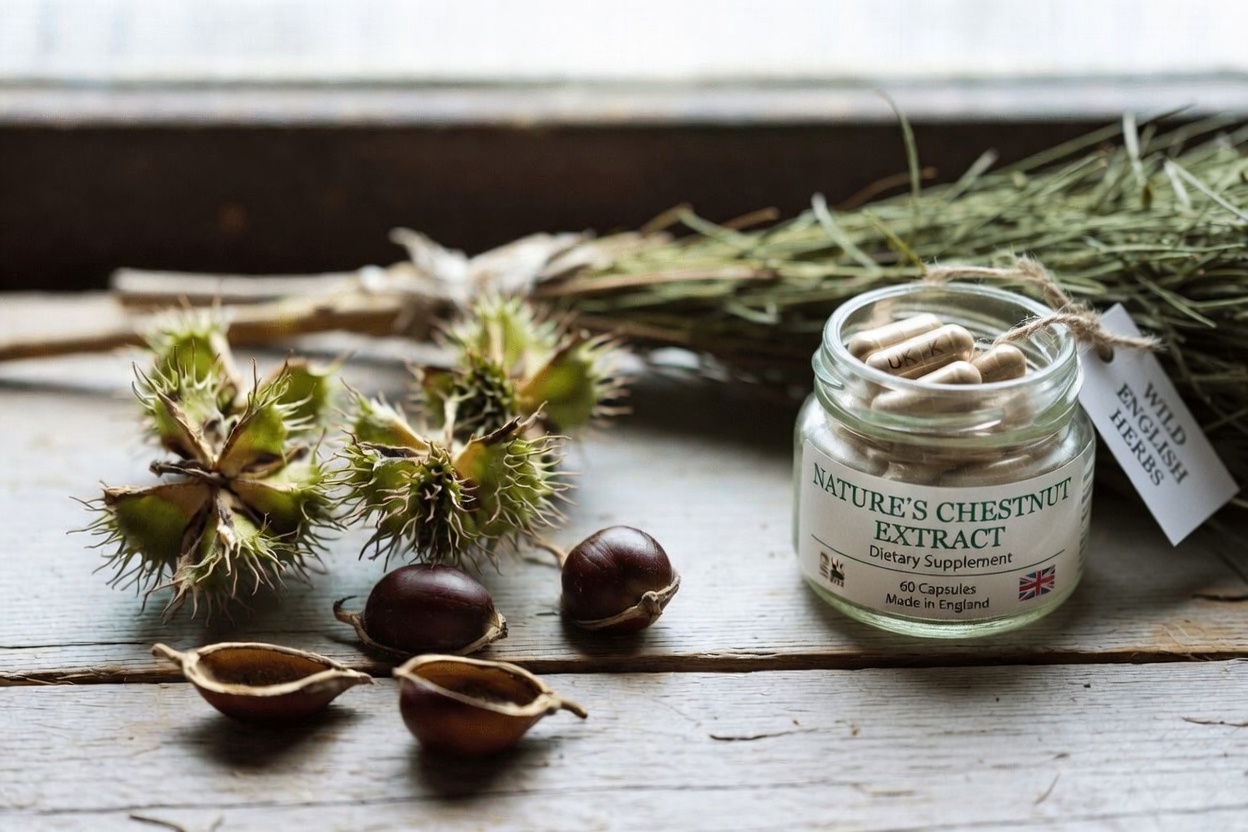
Horse chestnut seed extract is among the best-studied herbal choices for leg comfort. Its key compound, aescin, has been associated with supporting vein tone and helping reduce occasional swelling and feelings of heaviness. Several studies, including placebo-controlled trials, have reported improvements in leg volume and symptoms such as tiredness when used regularly.
Standardized extracts often supply about 50 to 150 mg of aescin daily, but it is important to read labels carefully and speak with a qualified professional before use.
Butcher’s Broom
Butcher’s broom (Ruscus aculeatus) contains ruscogenins, compounds that may gently support blood vessel tone and fluid balance. It is often mentioned in relation to leg discomfort and is sometimes combined with other herbs for broader support.
Ginger
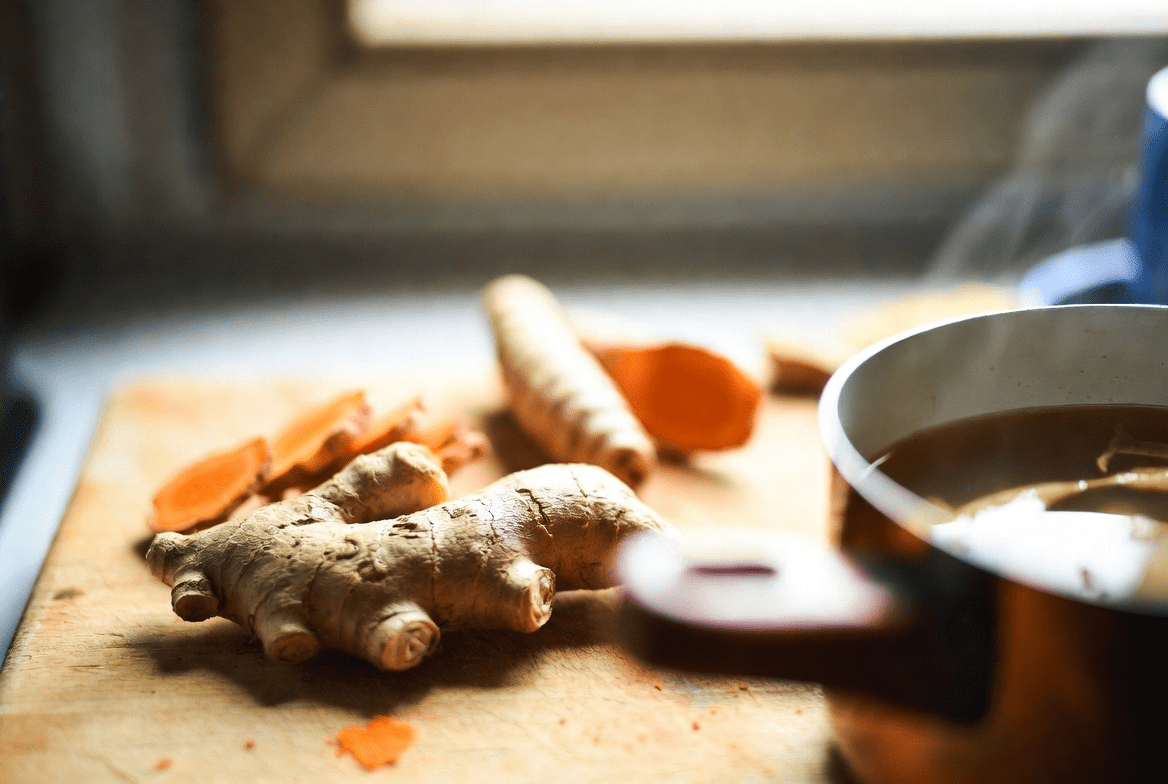
Ginger contains active compounds such as gingerol, which are widely known for anti-inflammatory effects. It may also support smoother blood flow and help relax blood vessels. For people who often experience heavy or cold-feeling legs, ginger can be an easy and practical addition. It can be used fresh, brewed as tea, or added to meals.
Cayenne Pepper
The capsaicin in cayenne pepper is linked to nitric oxide production, which may help blood vessels relax and widen. Its warming action can encourage circulation, although it is best introduced slowly if you are sensitive to spicy foods.
Turmeric
Turmeric’s standout compound, curcumin, offers antioxidant and anti-inflammatory benefits. It may help maintain healthy vascular function, especially when paired with black pepper to improve absorption. Many people use it consistently in cooking, teas, or golden milk.
Gotu Kola
Gotu kola (Centella asiatica) is often used to support connective tissue and microcirculation. Research suggests it may help strengthen vein walls and reduce mild swelling, making it a gentle choice for overall leg comfort.
Other Antioxidant-Rich Plant Compounds
Flavonoid-rich options such as grape seed extract and maritime pine bark are also frequently highlighted for their antioxidant properties, which may help protect blood vessels.
But the most interesting part is how these options can fit into simple daily habits.
Easy and Safe Ways to Use These Plants
You do not need complicated routines or expensive tools. In most cases, consistency matters more than perfection.
Here are a few easy ways to begin:
- Herbal teas: Simmer fresh ginger slices, about 1 to 2 cm, for around 10 minutes. You can also make a soothing turmeric drink with a pinch of black pepper and a little honey.
- With meals: Add fresh ginger or a small amount of cayenne to soups, stir-fries, smoothies, or sauces. Turmeric works well in curries, eggs, rice dishes, and roasted vegetables.
- Supplements: Choose reputable, standardized products if using horse chestnut or butcher’s broom. Begin with the lowest effective dose and pay attention to how your body responds.
- A simple daily blend: Many people enjoy a warm tea made with ginger and turmeric as a gentle everyday habit for circulation support.
Daily Habits That Can Make a Noticeable Difference
Lifestyle choices play a major role in how your legs feel. Small actions done consistently can have a meaningful effect.
Try these habits:
- Elevate your legs above heart level for 15 minutes each day
- Walk for at least 30 minutes on most days
- Do calf raises or ankle circles while sitting
- Stay hydrated throughout the day
- Eat antioxidant-rich foods such as:
- berries
- citrus fruits
- onions
- garlic
Start slowly and stay consistent. Many people notice subtle but encouraging changes after a few weeks.
Comparison of Popular Herbs for Circulation Support
The table below gives a quick overview of common plant-based options for leg comfort and blood flow support.
| Herb | Active Compound | Main Benefit | Common Form | Notes |
|---|---|---|---|---|
| Horse Chestnut | Aescin | May help reduce swelling and heaviness | Capsules | Strong research support for leg comfort |
| Butcher’s Broom | Ruscogenins | May support vessel tone and ease cramps | Capsules or tea | Often used in herbal combinations |
| Ginger | Gingerol | May encourage blood flow and relaxation | Tea or fresh root | Very easy to include in daily meals |
| Cayenne Pepper | Capsaicin | May help widen blood vessels | Powder or flakes | Introduce gradually if sensitive |
| Turmeric | Curcumin | Antioxidant and anti-inflammatory support | Powder or tea | Works best with black pepper |
| Gotu Kola | Triterpenes | Supports microcirculation and vein walls | Extract or tea | Gentle support for connective tissue |
This comparison can help you choose what best matches your routine and preferences.
Lifestyle Practices That Naturally Support Better Circulation
Movement is one of the strongest tools for promoting healthy blood flow. Gentle activities such as walking or swimming activate the calf muscle pump, which helps move blood upward from the legs.
Other helpful strategies include:
- Avoid sitting or standing for too long without a break
- Stand up, stretch, or walk around at least once every hour
- Wear compression socks if your healthcare provider recommends them
- Maintain a comfortable body weight to reduce strain on the vascular system
- Drink enough water, since even mild dehydration can make blood flow less easily
These habits often work best when combined with plant-based support. For example, finishing the day with leg elevation after a warm ginger-turmeric tea can feel especially soothing.
A Simple Routine to Help Your Legs Feel Lighter
If you want to get started, choose just one or two changes this week. A daily walk and a cup of ginger tea can be a practical first step. Then notice how your legs feel by the end of the day.
Many people find that small, repeatable changes lead to clear improvements in comfort and energy over time.
The easy combination many overlook is ginger and turmeric tea. This warm drink is comforting, simple to prepare, and brings together both circulation-supporting and anti-inflammatory properties in one daily ritual.
FAQ
1. How long does it take to notice improvements in leg circulation?
Results vary from person to person, but many individuals report lighter, more comfortable legs after a few weeks of consistent habits such as regular walking, good hydration, and the use of supportive herbs. Patience and daily consistency are important.
2. Are these plant-based options safe for everyone?
Most are generally well tolerated when used as directed, but responses can differ from one person to another. It is a good idea to speak with a healthcare professional before starting, especially if you are pregnant, nursing, taking medication, or managing a medical condition.