A fishy vaginal odor can feel uncomfortable, confusing, and even embarrassing—especially when it seems to show up suddenly. It’s natural to worry that something is “wrong” or that other people might notice. In reality, this concern is very common, usually treatable, and often connected to a simple shift in vaginal balance. By the end of this guide, you’ll also understand the key habit many women overlook that can make a real difference.
What Does a Fishy Vaginal Odor Mean?
A healthy vagina typically has a light, slightly musky scent. That normal smell can change a bit throughout your menstrual cycle because hormones influence vaginal fluids and pH.
However, a strong, persistent fishy smell—especially if it becomes more noticeable after sex or after “washing”—often suggests that the natural bacteria and pH inside the vagina have been disrupted.
An important reminder
A change in odor does not mean you are dirty. The vagina is a self-regulating ecosystem, and when its pH shifts, odor may change too.
So what actually causes that fishy smell?
Top 5 Causes of Fishy Vaginal Odor
Below are the most common reasons, explained clearly and calmly.
1. Bacterial Vaginosis (BV): The Most Common Cause
Bacterial vaginosis (BV) is the leading cause of fishy vaginal odor. It happens when the balance between beneficial bacteria and other bacteria changes.
BV is widespread worldwide and is particularly common during reproductive years.
Common BV signs include:
- A strong fishy odor (often stronger after sex)
- Thin, gray or white discharge
- Mild irritation (many women have no itching)
Why BV happens
The vagina is normally protected by lactobacilli, bacteria that help keep pH stable. When lactobacilli levels drop, other bacteria can overgrow, raising pH and producing the typical odor.
The good news: BV is often managed effectively with healthcare guidance and prescribed treatment when appropriate.
2. Trichomoniasis: A Sexually Transmitted Infection (STI)
Trichomoniasis is an STI caused by a parasite. Many people have few symptoms—or none—so it can go unnoticed.
Possible symptoms include:
- Fishy or unpleasant odor
- Yellow-green discharge
- Itching or burning
- Discomfort with urination
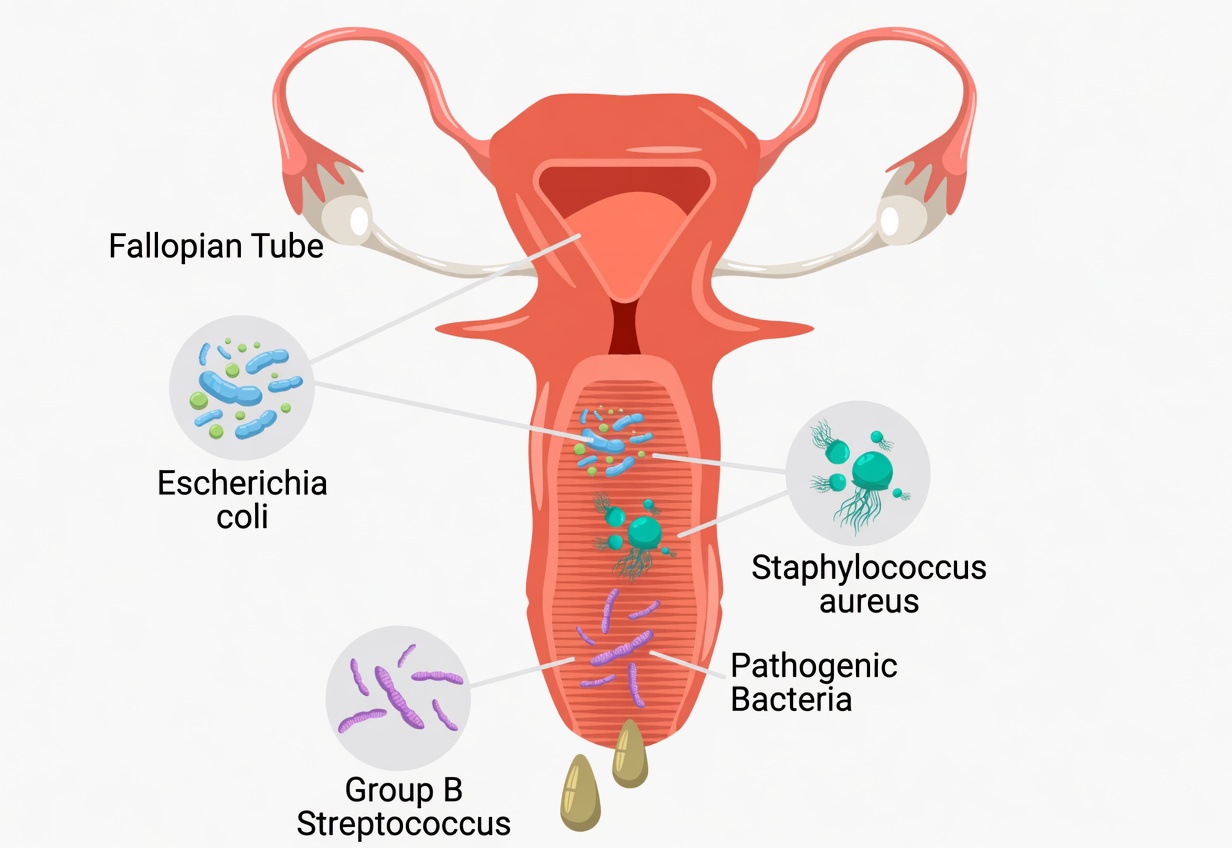
Because symptoms can be subtle, routine sexual health screening matters if you’re sexually active. Early evaluation usually makes treatment simpler and helps prevent passing it to a partner.
3. Hygiene Habits That Throw Off Vaginal pH
Sometimes odor isn’t caused by an infection at all—it can come from over-cleaning.
The vagina cleans itself. Using harsh products can disrupt the natural environment and make odor more likely.
Common habits that may worsen odor include:
- Douching
- Scented wipes or sprays
- Washing inside the vagina
- Strong antibacterial soaps
Research has linked douching in particular with a higher risk of bacterial imbalance. For most people, a gentler routine works better.
4. A Forgotten Tampon or Menstrual Product
A tampon (or other menstrual product) left in too long can lead to bacterial overgrowth and a sudden strong smell.
Common signs include:
- A sudden, intense odor
- Unusual discharge
- A feeling that something is “off” internally
Removing the product often improves odor quickly. If symptoms continue or you feel unwell, seek medical advice. This is more common than many people think—and it’s usually fixable.
5. Sweat, Tight Clothing, and Moisture Buildup
The genital area is naturally warm and moist. Add tight clothing, synthetic fabrics, or staying in sweaty clothes, and bacteria can multiply more easily.
This odor is often milder than infection-related odor.
Contributing factors may include:
- Wearing tight leggings all day
- Synthetic underwear that traps heat
- Sitting in sweaty gym clothes
- Limited airflow to the area

Small changes—like switching fabrics or changing clothes sooner—can make a noticeable difference.
Fishy Odor: Infection vs. Lifestyle Causes
Use this comparison as a general guide:
- Strong fishy smell
- Likely infection: Yes
- Likely lifestyle cause: Sometimes (usually milder)
- Unusual discharge
- Likely infection: Common
- Likely lifestyle cause: Rare
- Itching or burning
- Likely infection: Possible
- Likely lifestyle cause: Uncommon
- Improves with hygiene/fabric changes
- Likely infection: Not usually
- Likely lifestyle cause: Often yes
- Needs medical evaluation
- Likely infection: Yes
- Likely lifestyle cause: Usually not
If you’re uncertain, it’s safer to get checked.
How to Prevent Fishy Vaginal Odor
These steps support a healthier vaginal environment and reduce the chance of recurring odor.
Step 1: Clean Gently (External Only)
- Wash only the outer vulva, not inside the vagina
- Use a mild, fragrance-free cleanser if needed
- Avoid internal washing
In many cases, “less” truly is more.
Step 2: Skip Scented Feminine Products
Avoid products that claim to “freshen” but may disrupt pH, such as:
- Feminine sprays
- Scented pads
- Fragranced wipes
- Douching solutions
Step 3: Choose Breathable Clothing
- Wear cotton underwear
- Avoid very tight pants for extended periods
- Change out of sweaty clothes promptly
Airflow helps reduce moisture and supports balance.
Step 4: Practice Safer Sex
- Use protection
- Consider regular STI screening
- Communicate openly with partners
Sex can temporarily change vaginal pH, especially without barrier protection.
Step 5: Listen to Your Body’s Signals
Seek medical advice if you notice:
- Strong odor that persists
- Pain, burning, or irritation
- Symptoms that keep returning
- Thick, discolored, or unusual discharge
Early care often resolves the issue faster.
When to See a Healthcare Professional
Schedule an appointment if:
- The odor lasts longer than a few days
- It keeps coming back
- There’s discomfort, burning, or pelvic pain
- You suspect an STI
Clinicians can often identify the cause with straightforward tests. Recurrent odor is worth addressing—waiting may allow an imbalance to persist longer than necessary.
The Emotional Side of Vaginal Odor (And Why It Matters)
Odor concerns can affect confidence, intimacy, and daily comfort. Many people stay silent because it feels embarrassing.
But this is common: studies suggest up to 30% of women experience BV at some point. You are not alone, and it does not mean you’re unhygienic.
Understanding what’s happening can ease anxiety—and stress itself can influence hormones and the body’s balance.
The Simple Habit Many Women Overlook
When odor appears, many women respond by cleaning more aggressively. Often, that backfires.
In many cases, the real goal is to restore balance, not “scrub harder.” That usually means:
- Stop over-washing
- Avoid harsh or scented products
- Support healthy vaginal bacteria
- Get evaluated when symptoms persist
Sometimes the most effective change is doing less—and doing it consistently.
Final Thoughts
A fishy vaginal odor is common and typically manageable. It may be linked to bacterial vaginosis, an STI, a retained menstrual product, or lifestyle factors like sweat and tight clothing. Many cases improve with simple changes, while others require medical treatment.
Your body is signaling that something shifted. Responding calmly, gently, and early is often the healthiest approach—and understanding what’s happening is a powerful step toward confidence.
Frequently Asked Questions (FAQ)
1) Is a fishy vaginal smell always an infection?
No. BV is a frequent cause, but sweating, tight clothing, moisture, and certain hygiene habits can also contribute.
2) Can diet cause vaginal odor?
Diet can influence overall body odor, but a strong fishy vaginal smell is more often related to bacterial imbalance than specific foods.
3) Will vaginal odor go away on its own?
Odor from lifestyle factors may improve with simple changes. Persistent or strong odor should be evaluated by a healthcare professional.
Medical Disclaimer
This content is for informational purposes only and is not a substitute for professional medical advice. Always consult a qualified healthcare provider for diagnosis and personalized care.