

White Spots on the Arms and Legs: Common Causes and What You Can Do
Noticing tiny white marks on your arms or legs can feel unsettling, especially if they seem to appear out of nowhere. These changes in skin color often make people feel more aware of their appearance, particularly when wearing shorts, skirts, or short sleeves. It is also normal to wonder whether these spots are harmless or a sign of an underlying skin issue.
The reassuring news is that white spots on the skin are fairly common and often manageable. Once you understand what may be causing them, it becomes much easier to care for your skin effectively. And as you will see later in this guide, dermatology experts often point to one simple daily habit as the most important step for prevention and skin support.
Why Do White Spots Appear on the Skin?
White spots, sometimes described as hypopigmented patches, develop when certain areas of the skin produce less melanin than usual. Melanin is the natural pigment responsible for skin color. When pigment production decreases in small sections of the skin, those areas appear lighter than the surrounding surface.
This can happen in people of any skin tone, although the contrast may be easier to notice on darker skin.
According to research and clinical observation, several different factors can trigger this pigment loss. Some are linked to sun exposure, while others relate to mild skin conditions, fungal imbalance, inflammation, or immune-related changes.
Common Causes of White Spots on Arms and Legs
1. Long-Term Sun Exposure
A very common reason for small white spots on the arms and legs is idiopathic guttate hypomelanosis (IGH). These spots are usually tiny, pale, and scattered, often appearing on areas that have received years of sun exposure.
Experts believe repeated ultraviolet damage may interfere with the function of melanocytes, the skin cells that create pigment. Over time, this can lead to small “drop-like” white spots that become more visible with age.
Sun exposure can also contribute to uneven pigmentation more broadly, making skin tone appear less uniform over the years.
2. Fungal-Related Changes in Skin Color
In some cases, lighter patches may be caused by an overgrowth of yeast that naturally lives on the skin. This is commonly known as tinea versicolor. Although it often appears on the chest, back, or shoulders, it may also show up on the arms.
These patches can sometimes look slightly scaly and may appear lighter or darker depending on your natural complexion and how much sun exposure you get.
3. Mild Eczema-Related Conditions
For children, teenagers, and people with dry or sensitive skin, pityriasis alba is another possible explanation. This condition often begins as dry or mildly scaly patches that later fade, leaving behind pale marks.
It is frequently associated with mild eczema and usually improves gradually with proper skincare and time.
4. Other Possible Factors
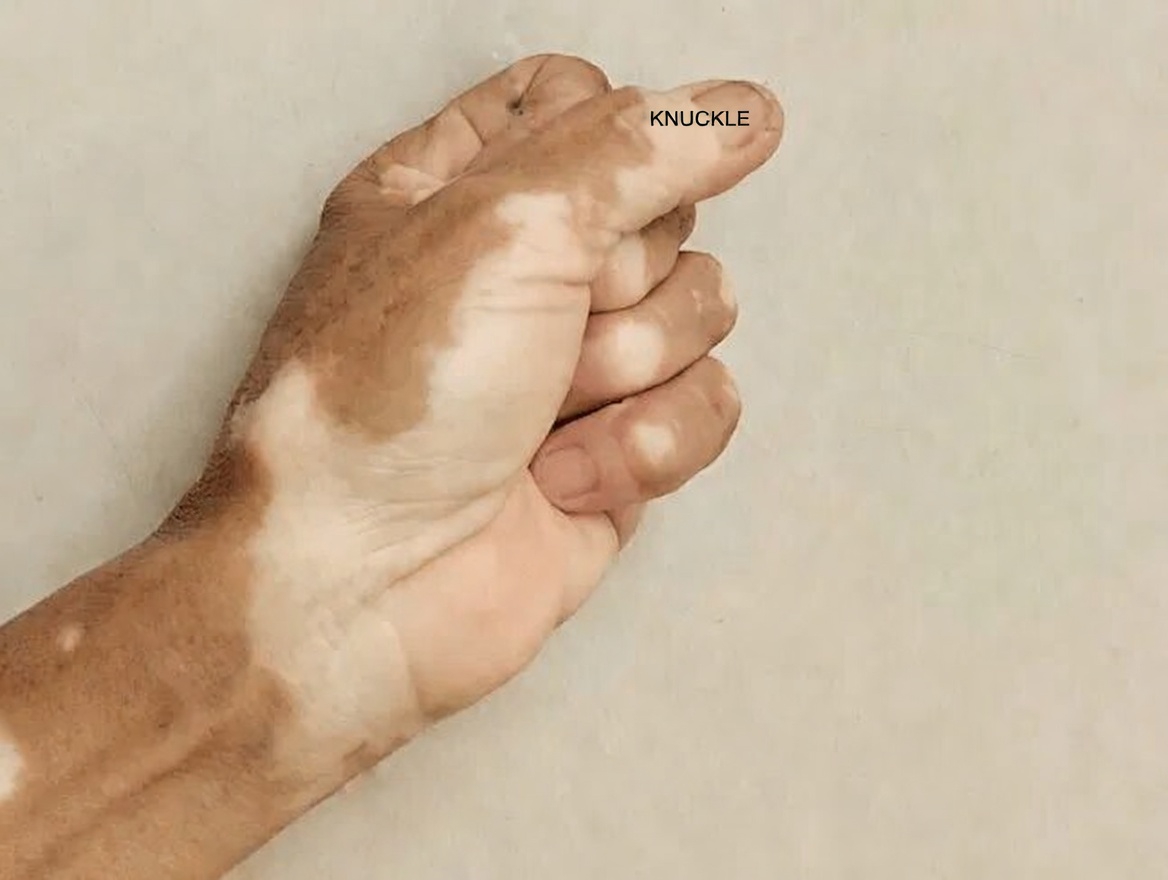
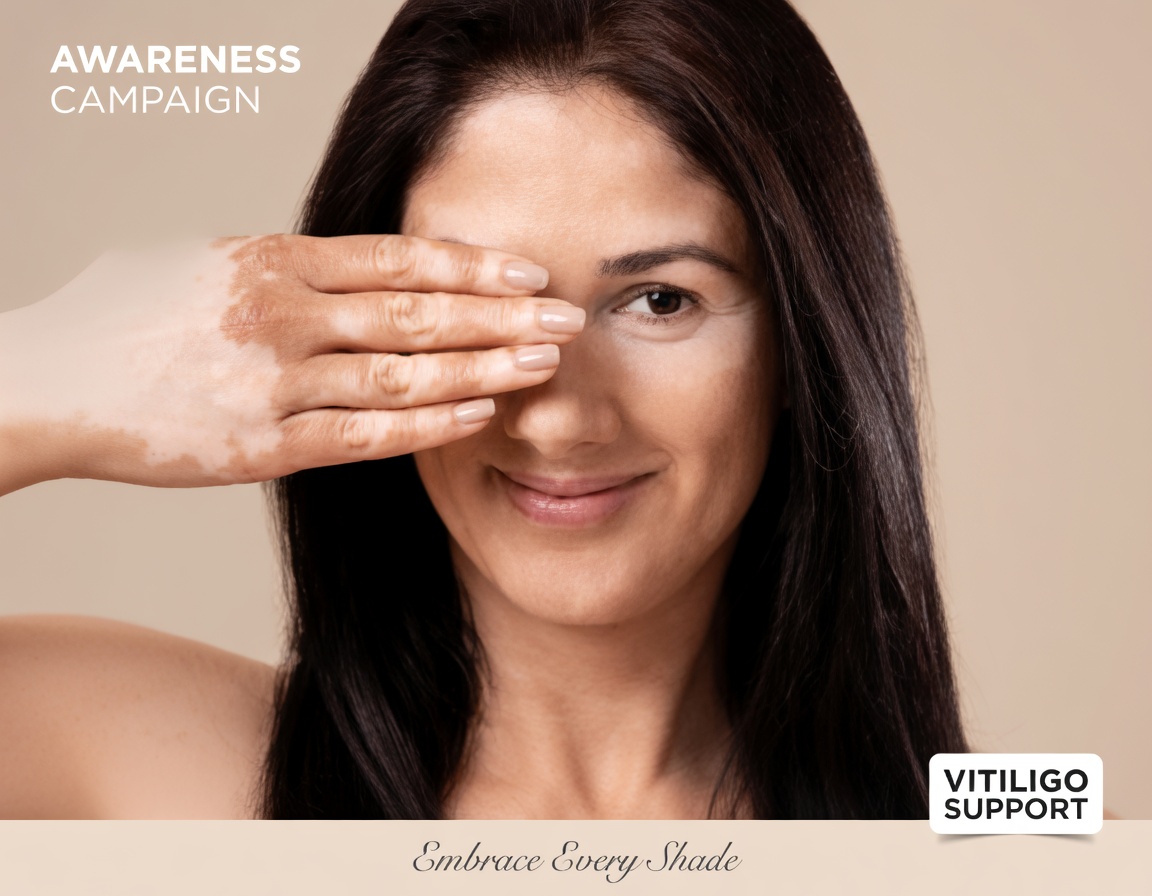
Some white spots are connected to autoimmune changes, such as vitiligo, which can cause larger and more clearly defined pale areas. In other cases, the skin may lose pigment after irritation, inflammation, or minor injury, a process known as post-inflammatory pigment change.
Other influences may include:
- Genetics
- Aging
- Overall skin condition
- Past skin irritation or trauma
Quick Comparison of Common White Spot Types
Here is a simple way to understand the most frequent patterns:
- Small scattered spots on the arms or legs: often associated with sun exposure and IGH
- Lighter patches with slight scaling: may suggest fungal overgrowth
- Faint pale marks in children or teens: commonly linked to pityriasis alba
- Larger, sharply outlined white areas: may involve pigment-cell disorders such as vitiligo
When Should You See a Dermatologist?
Although many white spots are harmless, it is still wise to get them checked if anything seems unusual. A dermatologist can often identify the cause through a straightforward skin examination.
You should consider professional evaluation if:
- The spots are spreading quickly
- Their shape, size, or color is changing
- You notice itching, irritation, or discomfort
- Larger patches begin to develop
- You are unsure of the cause and want a clear diagnosis
Getting an expert opinion can help rule out more serious concerns and guide you toward the right treatment or skincare plan.
Simple Ways to Support Healthy Skin
The good news is that there are practical steps you can start immediately to care for your skin and lower the chance of additional spots forming.
Build a Daily Sun Protection Habit
This is one of the most important things you can do.
- Use a broad-spectrum sunscreen with SPF 30 or higher every day on exposed skin
- Reapply sunscreen every two hours if you are outside
- Wear protective clothing such as long sleeves, hats, or lightweight cover-ups
- Try to limit direct sun exposure during peak hours, usually from 10 a.m. to 4 p.m.
This daily sun protection habit is the step experts most often emphasize, because ongoing UV exposure is one of the biggest contributors to pigment changes over time.
Practice Gentle Skincare
Supporting the skin barrier can also make a noticeable difference.
- Moisturize often to keep the skin hydrated
- Choose gentle, fragrance-free cleansers
- Avoid products that sting or cause irritation
- If appropriate, consider skincare ingredients such as niacinamide or antioxidants to promote a more even-looking tone
- Always patch test new products before regular use
Support Skin from the Inside Out
Healthy skin is also influenced by everyday lifestyle habits.
- Drink enough water throughout the day
- Eat a balanced diet rich in fruits and vegetables
- Include foods with vitamins and antioxidants
- Avoid aggressive scrubs or abrasive exfoliants that may irritate the skin
One of the most overlooked factors is consistency. Even simple habits can produce meaningful results when practiced every day.
Additional Skin Care Tips for White Spots
Take a Whole-Skin Approach
Dermatologists often encourage people to think beyond just the visible spots. Your skin tends to do better when your overall health is supported.
Helpful habits include:
- Managing stress
- Getting enough sleep
- Avoiding smoking
- Maintaining a regular skincare routine
If You Are Considering Cosmetic Treatment
If the appearance of white spots is affecting your confidence, a dermatologist can talk you through cosmetic or medical options that may be suitable for your skin type and specific condition. Results vary depending on the cause, skin tone, and treatment approach, so personalized advice is essential.
Frequently Asked Questions
1. Are white spots on the skin dangerous?
In most cases, white spots are not dangerous and do not pose a major health risk. Still, a medical evaluation can help rule out underlying conditions and provide reassurance.
2. Can white spots disappear on their own?
That depends on what is causing them. Some spots, especially those related to mild skin conditions, may improve gradually with time and good skincare. Others may be more stubborn. No matter the cause, sun protection remains extremely important.
3. What should I do if I suddenly notice new white spots?
Keep an eye on them and make an appointment with a dermatologist for a proper assessment. Early evaluation often leads to better long-term management.
Final Thoughts
White spots on the arms and legs can be unexpected, but they are a common skin concern with several possible causes. Whether they are linked to sun damage, fungal imbalance, mild eczema, or another factor, understanding the reason behind them can help you feel more informed and more confident.
The most effective place to start is with daily sun protection and a gentle skincare routine. Over time, these habits can help protect your skin, support a more even appearance, and reduce further pigment changes.
Disclaimer: This article is for informational purposes only and is not medical advice. Always speak with a qualified healthcare professional for diagnosis and treatment tailored to your individual needs.