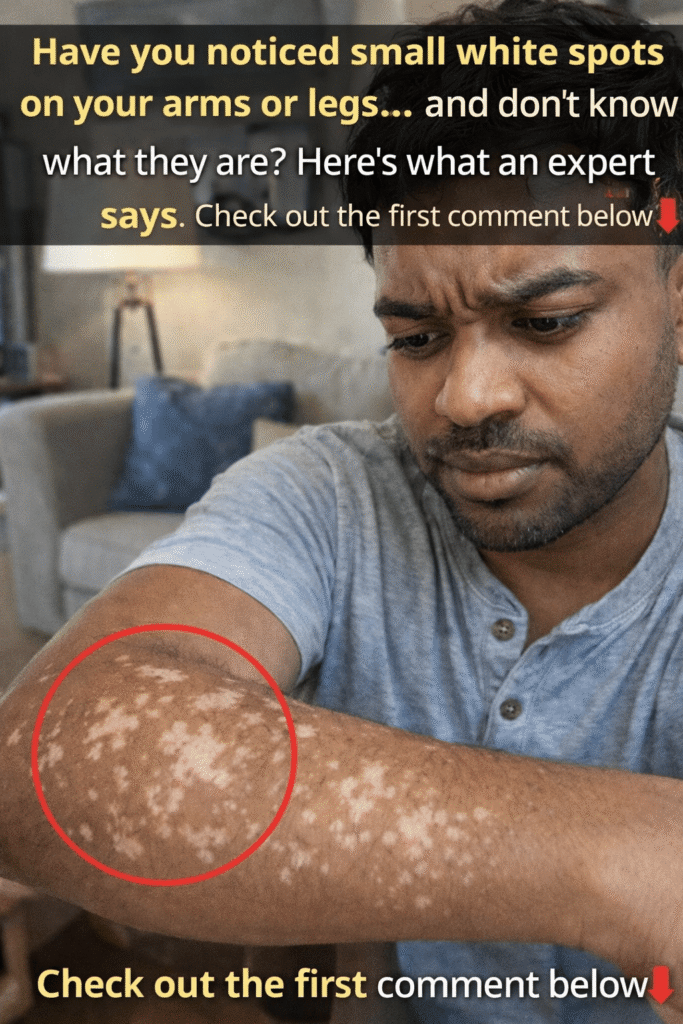
Why White Spots Appear on Your Arms and Legs
Noticing tiny white marks on your arms or legs can feel unsettling, especially if they seem to show up out of nowhere. These lighter areas may make you feel more aware of your skin when wearing shorts, skirts, or short sleeves. For many people, the biggest concern is not just how the spots look, but what might be causing them.
The reassuring part is that white spots on the skin are a common concern, and in many cases they are not dangerous. Once you understand the possible reasons behind them, it becomes easier to care for your skin properly. One everyday habit, in particular, can have the greatest long-term impact, and we’ll come back to that later in this guide.
What Are White Spots on the Skin?
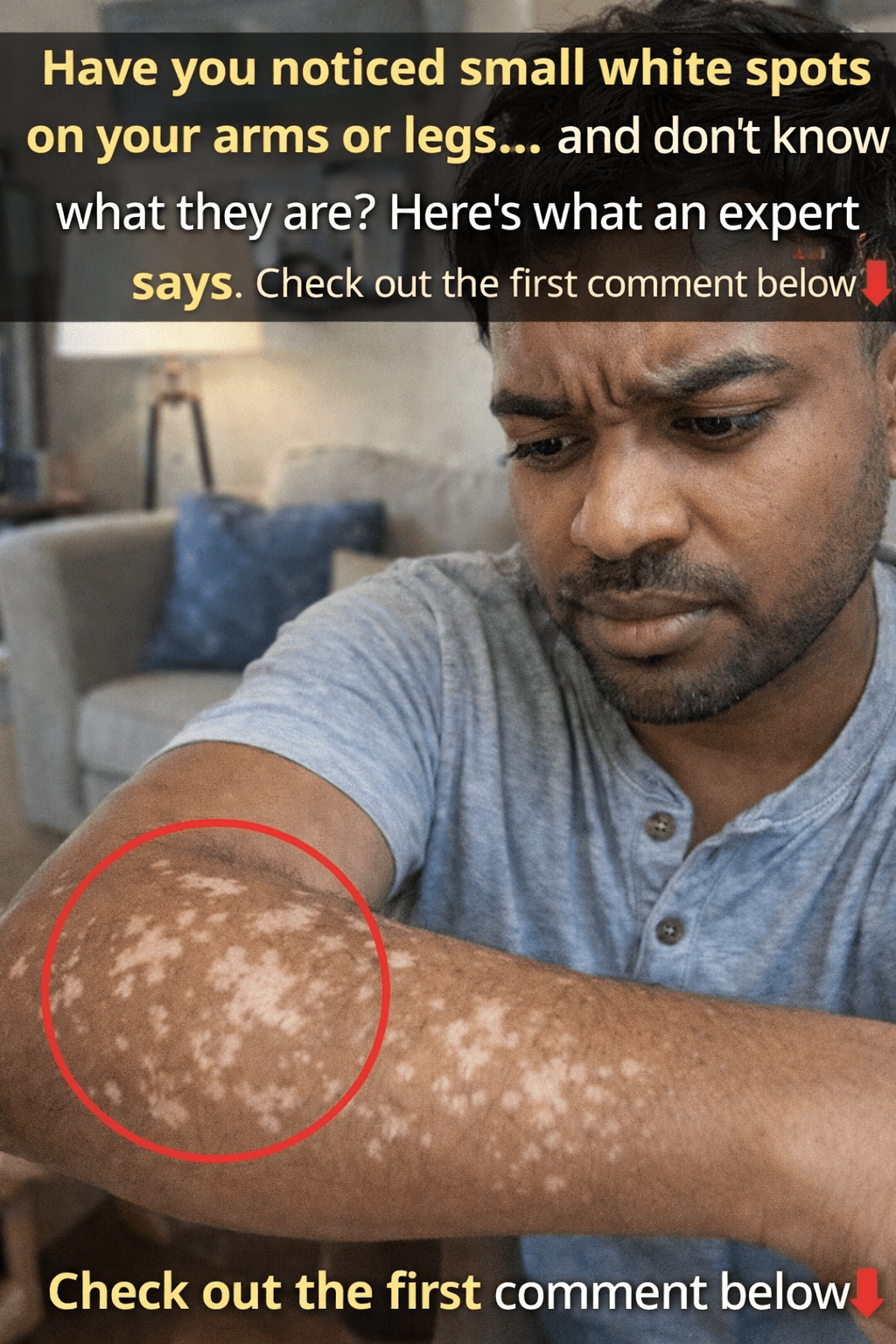
White spots are often described as hypopigmented areas, meaning sections of skin that contain less pigment than the surrounding area. Skin color is created by melanin, and when certain spots produce less of it, they appear lighter.
This can happen in people of every skin tone, although the contrast is often more visible on darker skin. A range of causes may be involved, from sun-related changes to mild skin conditions and other pigment disruptions.
Common Causes of White Spots on Arms and Legs
Long-Term Sun Exposure
One of the most frequent reasons for small white specks on the arms and legs is idiopathic guttate hypomelanosis (IGH). These spots are typically tiny, pale, and scattered, often developing gradually in areas that receive regular sun exposure.
Experts believe that repeated UV damage can interfere with melanocytes, the cells responsible for making pigment. Over time, this can lead to those small, drop-like pale spots. In addition to IGH, ongoing sun exposure can also contribute to uneven skin tone more broadly.
Fungal Changes in the Skin
Another possible cause is a yeast overgrowth on the skin, often linked to tinea versicolor. Although this condition is more commonly seen on the chest, shoulders, or back, it can sometimes affect the arms as well.
These lighter patches may look slightly dry or flaky. Depending on your natural skin tone and sun exposure, the color may appear white, pale, or uneven compared with surrounding skin.
Mild Eczema-Related Conditions
In children, teenagers, and people with dry or sensitive skin, pityriasis alba is another common explanation. This condition often begins as faint, dry, or slightly scaly patches that later fade into lighter areas.
It is often associated with mild eczema and tends to improve gradually, especially when the skin is kept moisturized and irritation is minimized.
Other Possible Triggers
Sometimes white patches are connected to other factors, including:
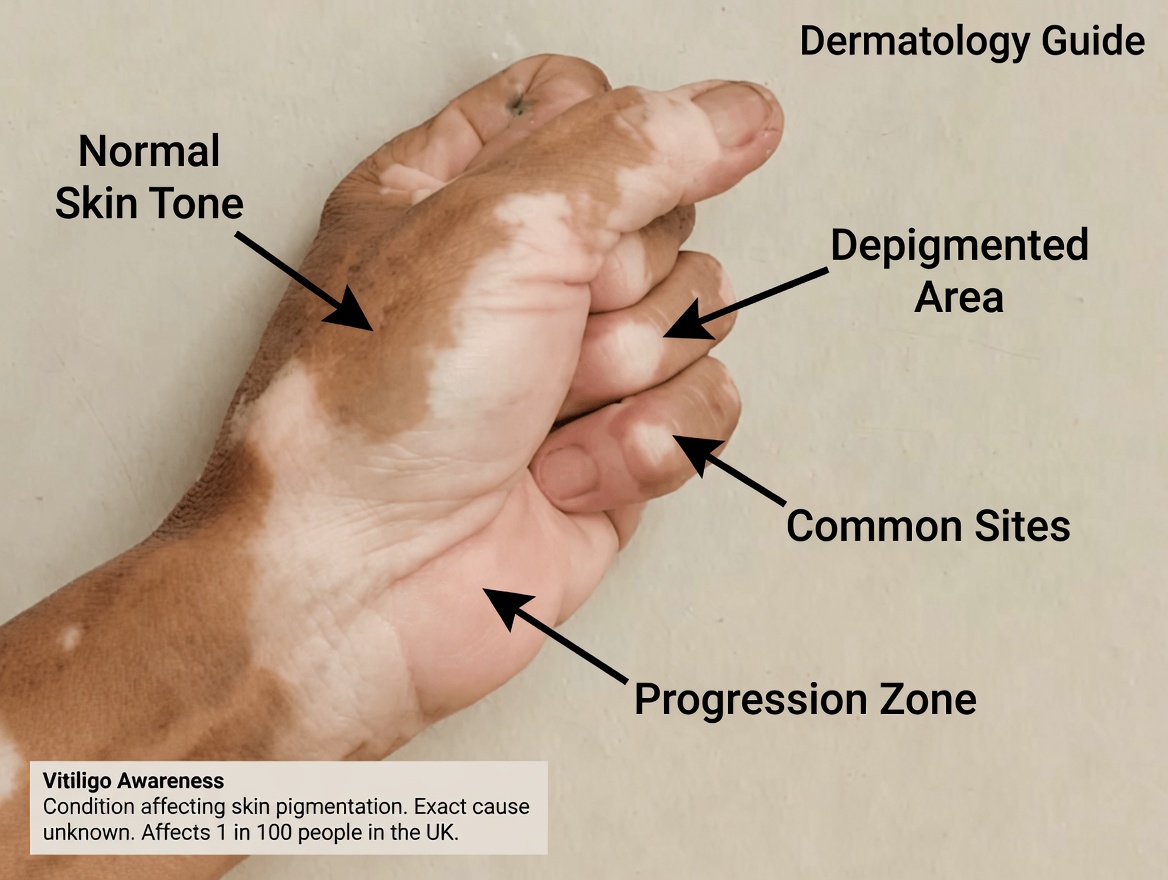
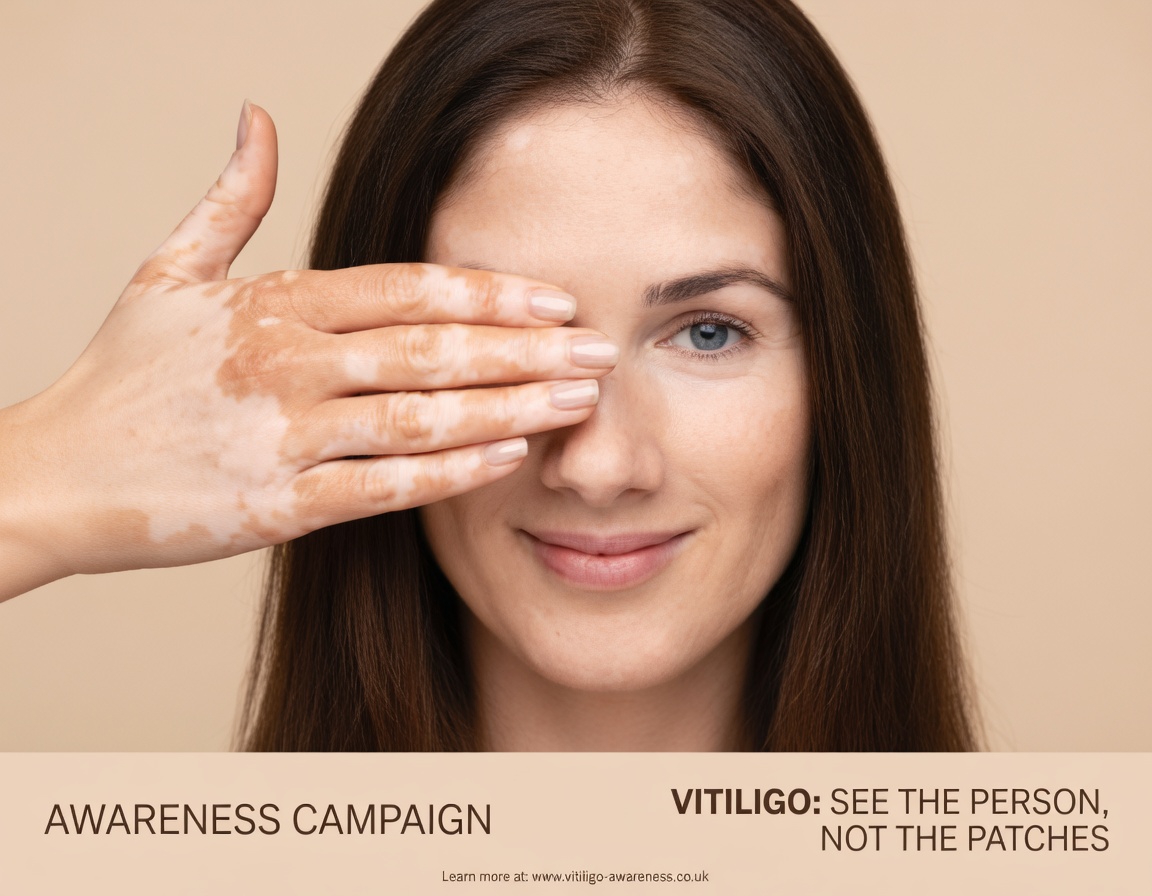
- Vitiligo, which can create larger and more clearly defined white areas due to changes affecting pigment cells
- Post-inflammatory hypopigmentation, which may happen after skin irritation, injury, or inflammation
- Genetic influences, which can affect how likely someone is to develop pigment changes
- Aging, since skin changes become more common over time
- Overall skin health, including barrier function and sensitivity
Quick Comparison of Common White Spot Types
Here is a simple overview of how different white spots may present:
- Small scattered spots on arms or legs: often associated with sun exposure and IGH
- Patches with slight scale or dryness: may be linked to fungal overgrowth
- Faint pale spots in children or teens: commonly seen with pityriasis alba
- Larger, more distinct white patches: may suggest pigment cell changes such as vitiligo
When You Should See a Dermatologist
Many white spots are harmless, but it is still wise to get expert advice if anything seems unusual. A dermatologist can often identify the cause with a straightforward skin examination.
Consider making an appointment if:
- The spots are spreading quickly
- Their shape, size, or appearance is changing
- You notice itching, irritation, or discomfort
- The patches are large or sharply defined
- You are unsure what is causing them and want a proper diagnosis
Getting a professional opinion can help rule out more serious conditions and give you peace of mind.
Practical Ways to Support Healthier Skin
The good news is that there are several simple habits that can help protect your skin and may reduce the chance of new white spots appearing.
1. Make Sun Protection a Daily Priority
This is the daily habit experts most often emphasize. Consistent sun protection plays a major role in maintaining even skin tone and preventing further UV-related pigment changes.
Try to follow these habits every day:
- Use a broad-spectrum sunscreen with SPF 30 or higher on exposed skin
- Apply it even when the weather is cloudy
- Reapply every two hours if you are outdoors
- Wear protective clothing such as long sleeves, hats, or lightweight cover-ups
- Limit direct sun exposure during peak hours, usually 10 a.m. to 4 p.m.
2. Keep Your Skincare Routine Gentle
Skin that is irritated or overly dry may be more prone to visible tone changes. A simple, soothing routine can help support the skin barrier.
Useful skincare habits include:
- Moisturizing regularly to reduce dryness
- Choosing mild, fragrance-free cleansers
- Avoiding products that sting or cause irritation
- Considering ingredients such as niacinamide or antioxidants to support a more even-looking complexion
- Patch testing new products before wider use
3. Support Skin from the Inside Out
Healthy skin is influenced by overall wellness too. Everyday habits can make a difference over time.
Helpful lifestyle practices include:
- Drinking enough water to stay hydrated
- Eating a nutrient-rich diet with fruits and vegetables
- Getting enough sleep
- Managing stress
- Avoiding smoking
- Skipping harsh scrubs that may inflame the skin
The key factor is consistency. Small daily habits often matter more than occasional intense efforts.
Additional Ways to Care for Skin with White Spots
Think About Skin Health as a Whole
Specialists often recommend looking beyond the spots themselves. Stronger, healthier skin is better able to recover from irritation and maintain a more balanced appearance. Stress control, proper rest, and a supportive skincare routine all contribute to better skin resilience.
If You Are Considering Cosmetic Treatments
If the appearance of white spots bothers you, a dermatologist can explain safe treatment or cosmetic options based on the underlying cause. Not every approach works the same for every person, so professional guidance is important.
Frequently Asked Questions
1. Are white spots on the skin dangerous?
In most cases, white spots are benign and do not pose a health risk. Still, it is a good idea to have them evaluated if they are new, spreading, or concerning.
2. Can white spots disappear on their own?
That depends on the cause. Some white spots, especially those related to mild skin conditions, may fade over time with proper care. Others can be longer-lasting. No matter the cause, sun protection remains essential.
3. What should I do if I notice new white spots?
Keep an eye on them and arrange a visit with a dermatologist for an accurate evaluation. Early assessment can make it easier to manage the condition appropriately.
Final Thoughts
White spots on the arms and legs can be surprising, but they are a very common skin issue with several possible causes. Learning what may be behind them helps you make informed choices and feel more confident about caring for your skin.
Above all, daily sun protection and gentle skincare are the habits most likely to support healthier, more even-looking skin over time.
Disclaimer: This article is for informational purposes only and is not medical advice. Always speak with a qualified healthcare professional for diagnosis and treatment tailored to your specific needs.