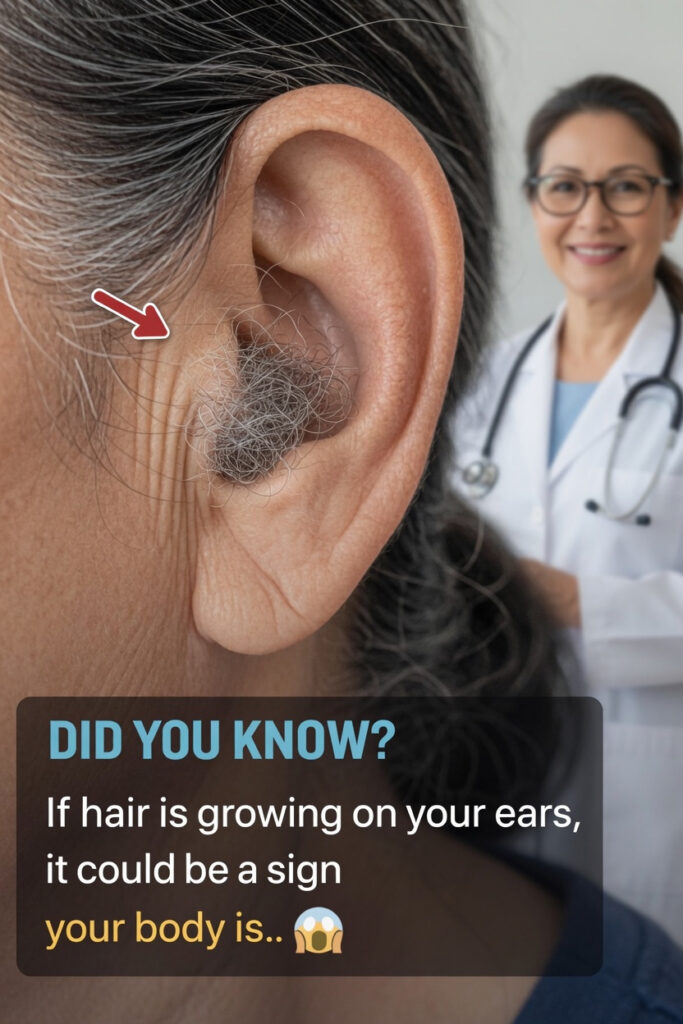
Why Ear Hair Gets More Noticeable as Men Age
You notice it in the mirror, or maybe your barber brushes past it during a haircut—and suddenly those stiff hairs around your ears are hard to ignore. For many men, this starts becoming obvious in their 40s, 50s, or later. An area that once seemed smooth can begin to look different, sometimes bringing a mix of annoyance, self-consciousness, and the familiar thought: this must be part of aging.
In reality, that is exactly what it is. Ear hair growth is a very common age-related change, and it happens because of normal biological processes rather than anything you caused. The reassuring part is that while you cannot completely stop it, you can manage it safely and easily. Once you understand why it happens, it often feels far less frustrating.
What Causes Ear Hair to Increase with Age?
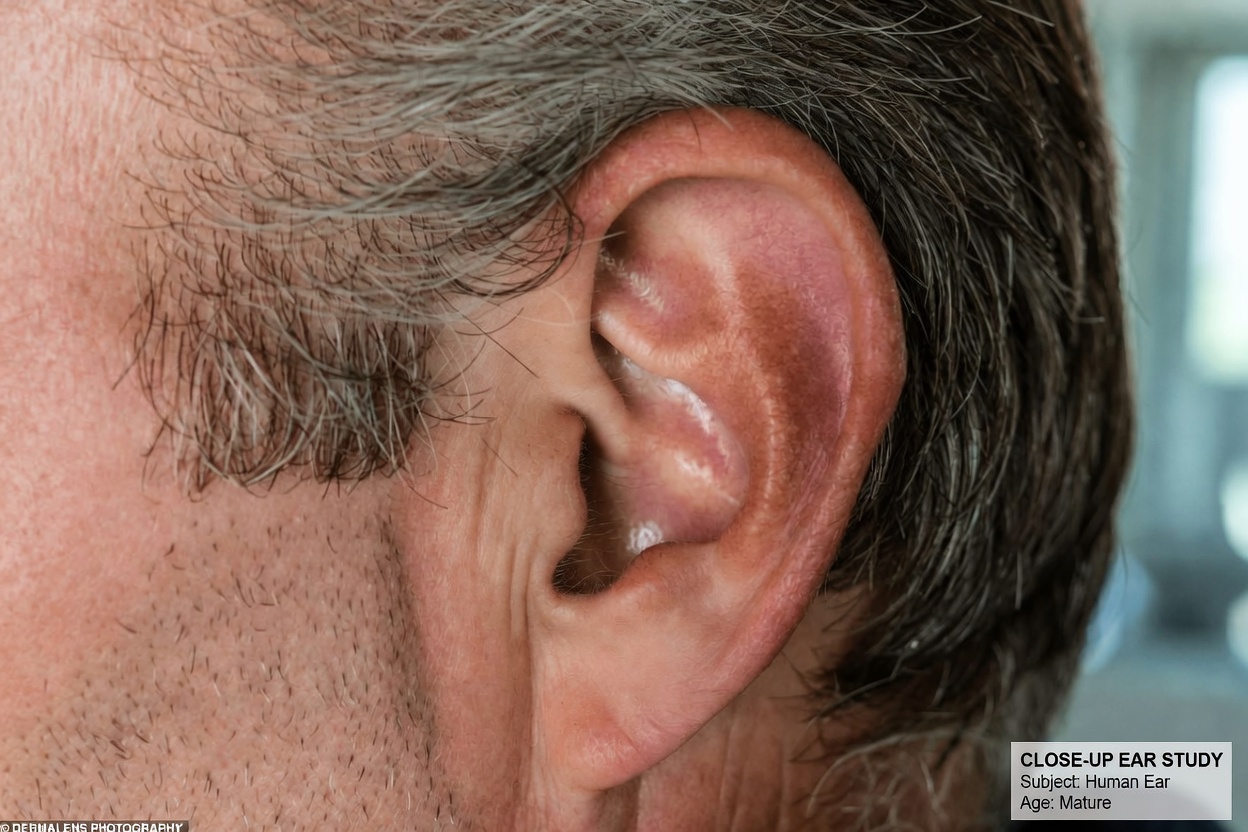
Most people already have tiny, soft hairs on and inside the ears from a young age. These fine strands are known as vellus hairs. Over time, some of them gradually shift into terminal hairs, which are thicker, darker, and more noticeable. Hormonal changes are one of the main reasons this happens.
As the body ages, its response to androgens—especially testosterone—changes in certain areas. Even though testosterone levels may slowly decrease over time, hair follicles in the ears, nose, and eyebrows can become more responsive to these hormones. That increased sensitivity can make ear hair grow longer, coarser, and darker than before. Research also suggests that long-term androgen exposure and changes in sex hormone-binding globulin, or SHBG, may influence this process.
An interesting contrast appears here: the same hormone-related forces that often contribute to hair thinning on the scalp may stimulate stronger hair growth in the ears. Scalp follicles can shrink with age, while ear follicles may become more active. That is why people joke that hair moves from the head to the ears—even though it does not actually migrate.
Main Reasons Ear Hair Becomes More Visible
- Greater hormonal sensitivity — Ear follicles may react more strongly to androgens over time.
- Longer growth phase — Hair can stay in its active growth stage longer, creating thicker and wirier strands.
- Thinner skin — As skin becomes less elastic and more delicate with age, previously subtle hairs are easier to see.
Genetics matter too. If men in your family tend to develop noticeable ear hair, there is a good chance you may as well. In people with a genetic tendency, it often becomes more obvious after age 30 or 40.
Ear Hair Still Has a Purpose
Before trimming everything away, it helps to remember that ear hair is not there by accident. These hairs can trap dust, dirt, and tiny particles before they travel deeper into the ear canal. In that sense, they provide a small but useful protective barrier for a sensitive part of the body.
Because of that, complete removal is not necessary. In fact, leaving a modest amount of hair can be beneficial. Of course, once the strands become long, thick, or uncomfortable, many people prefer to tidy them for cosmetic reasons. That choice is entirely personal.
Is Ear Hair a Sign of a Health Problem?
In most cases, no. More visible ear hair is usually harmless and simply reflects normal aging. It does not typically mean that anything is wrong.
That said, if hair growth changes very suddenly or dramatically—and especially if it appears alongside other symptoms such as unusual fatigue or shifts in overall energy—it may be worth mentioning to a healthcare professional.
Some older studies explored whether prominent ear hair might be linked to cardiovascular concerns. However, current evidence does not support using ear hair as a dependable marker of heart health. It is far more useful to focus on proven factors such as:
- Healthy eating habits
- Regular exercise
- Routine medical check-ups
- Managing blood pressure, cholesterol, and weight
The key takeaway is simple: ear hair is generally just another ordinary change that can come with age.
Safe Ways to Trim and Manage Ear Hair
If you want to control ear hair growth, choose methods that are gentle and low-risk. The ear and ear canal contain delicate skin and important structures, so harsh grooming techniques can easily cause irritation or minor injury.
Best options for safe grooming
- Electric ear and nose trimmers — These are usually the safest and easiest tools for routine upkeep. Choose one with rounded or shielded blades to reduce the chance of cuts.
- Blunt-tip scissors — These can work well for trimming visible hair on the outer ear when used carefully in bright lighting.
Methods to avoid or use with caution
- Tweezing or plucking — This can lead to irritation, ingrown hairs, or small infections.
- Home waxing or chemical hair removers — These products are not ideal for the sensitive skin in and around the ears and may cause damage.
- Sharp objects placed deep in the ear canal — This should always be avoided to protect both hearing and ear health.
If you prefer professional help, a licensed grooming specialist or esthetician with experience in ear hair removal may be able to treat the outer ear safely. Still, for most men, a basic trimmer used every few weeks is more than enough.
A Simple At-Home Ear Hair Trimming Routine
You do not need an elaborate routine to keep ear hair under control. A quick maintenance session every 2 to 4 weeks is often all it takes.
- Use a bright, well-lit bathroom.
- Choose a quality ear and nose trimmer with fresh batteries or a full charge.
- Gently pull the top of your ear upward and outward to open the area slightly.
- Turn on the trimmer and guide it in slow, circular movements around the outer ear and just at the entrance of the canal.
- Never push the tool deep inside the ear.
- Clean the trimmer thoroughly after use with alcohol or according to the manufacturer’s instructions.
- If the outer skin feels dry afterward, apply a small amount of gentle, fragrance-free moisturizer.
The goal is consistency, not perfection. Regular light trimming is usually better than waiting until the hair feels unmanageable.
Other Age-Related Changes That Often Appear at the Same Time
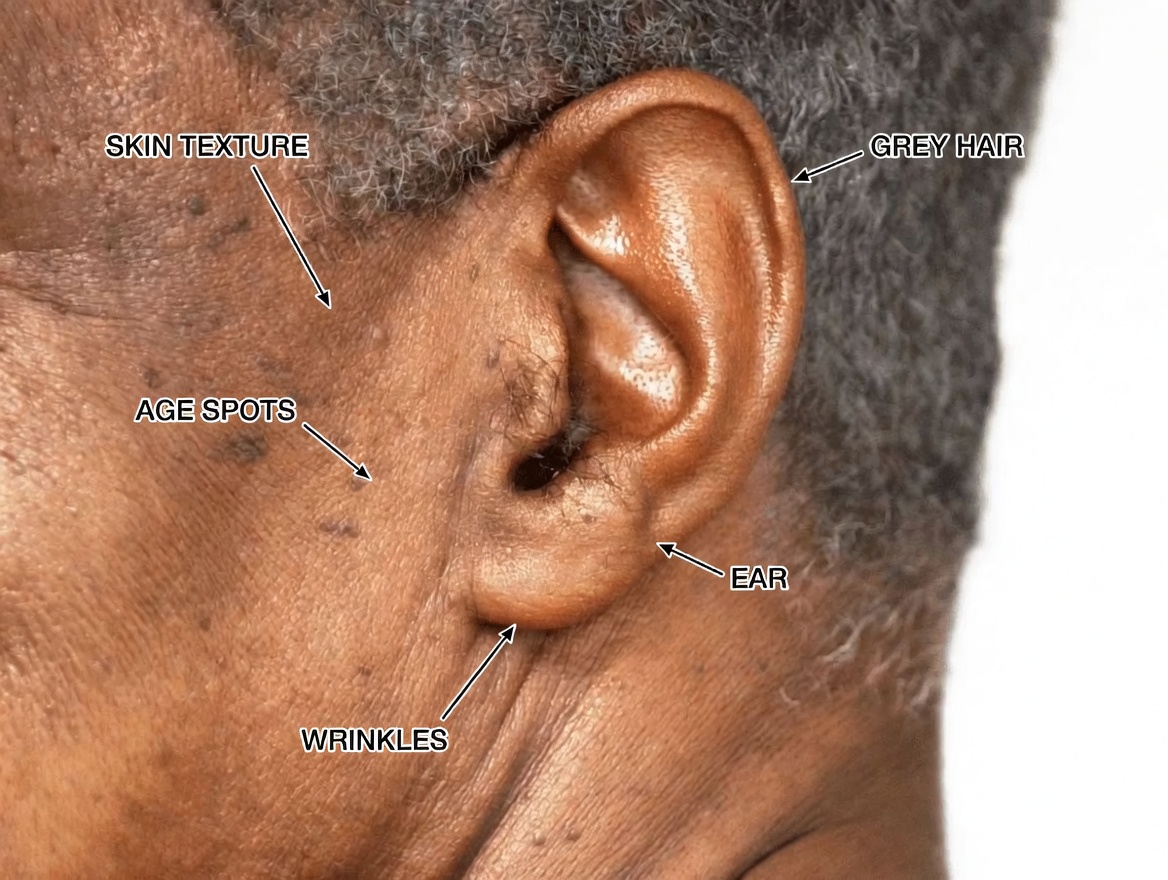
Ear hair rarely shows up alone. Many men notice several similar changes as they get older, including:
- Thicker eyebrow hairs
- Increased nose hair
- Changes in skin texture
- Slower or different hair growth patterns overall
These shifts are often influenced by the same combination of hormones, genetics, and aging. Seeing them as part of a broader pattern can make the experience feel more normal and less surprising.
Many men also feel more comfortable once they understand the reason behind it. It is not a sign of poor hygiene or neglect. It is simply how the body changes over time.
The Bottom Line
More noticeable ear hair is a normal part of aging for many men. It is mainly driven by hormone sensitivity, genetics, and natural changes in hair growth cycles. While it can be bothersome, it is usually not a warning sign of poor health and does not require extreme solutions.
With safe grooming habits and a more informed perspective, ear hair becomes just another manageable part of getting older. Often, a quick trim and a little acceptance are enough to make it feel like a very small issue.
Now that you know the science behind it, the risks to avoid, and the easiest ways to manage it, those stray hairs in the mirror should feel a lot less mysterious—and much easier to handle.
Frequently Asked Questions
1. Does ear hair growth mean my testosterone is high?
Not necessarily. Androgens such as testosterone do affect hair growth, but increased ear hair is often more about how sensitive certain follicles become with age than about having unusually high hormone levels.