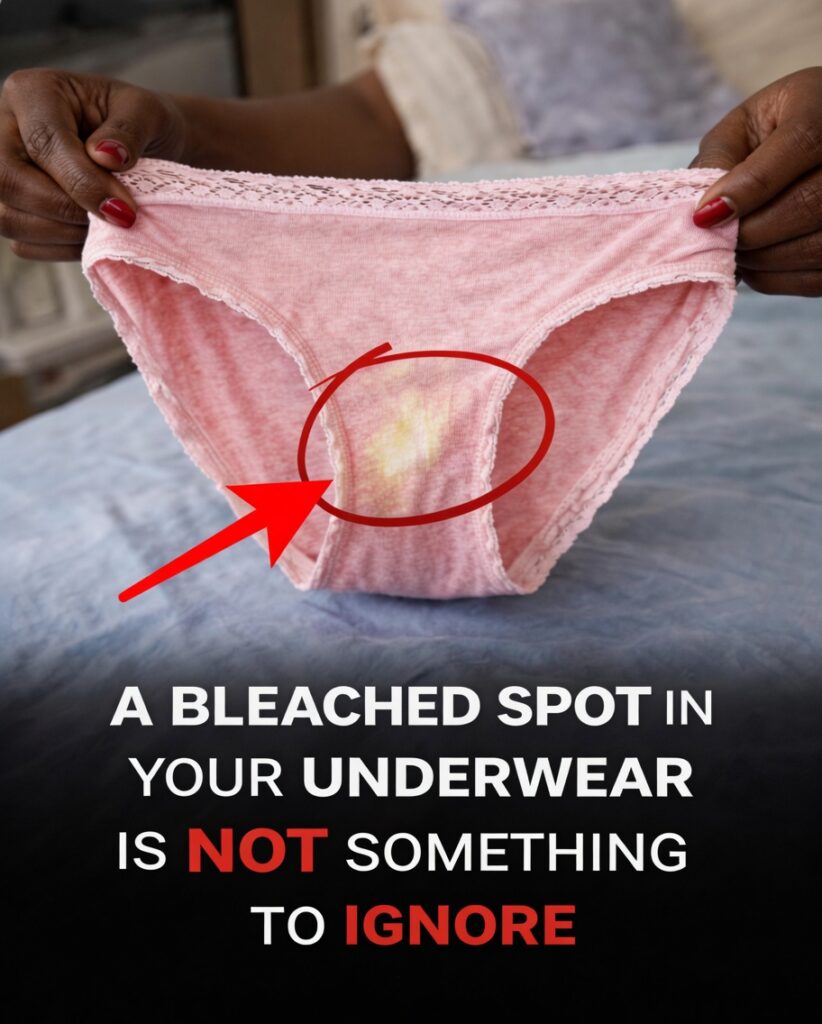
Why You May Notice Pale or Yellowish Marks in the Middle of Your Underwear
It can feel awkward: you’re putting away laundry and spot a pale or slightly yellow patch where your underwear sits against the vulva. It’s easy to assume something is wrong—especially when online advice is contradictory. The reassuring reality is that, for many women, this discoloration is a normal result of healthy vaginal discharge. What matters most is whether you have other symptoms, not the stain itself.

What Causes Underwear to Look “Bleached”?
Many people first blame detergent, sweat, or an infection. Often, the explanation is simpler: everyday vaginal discharge.
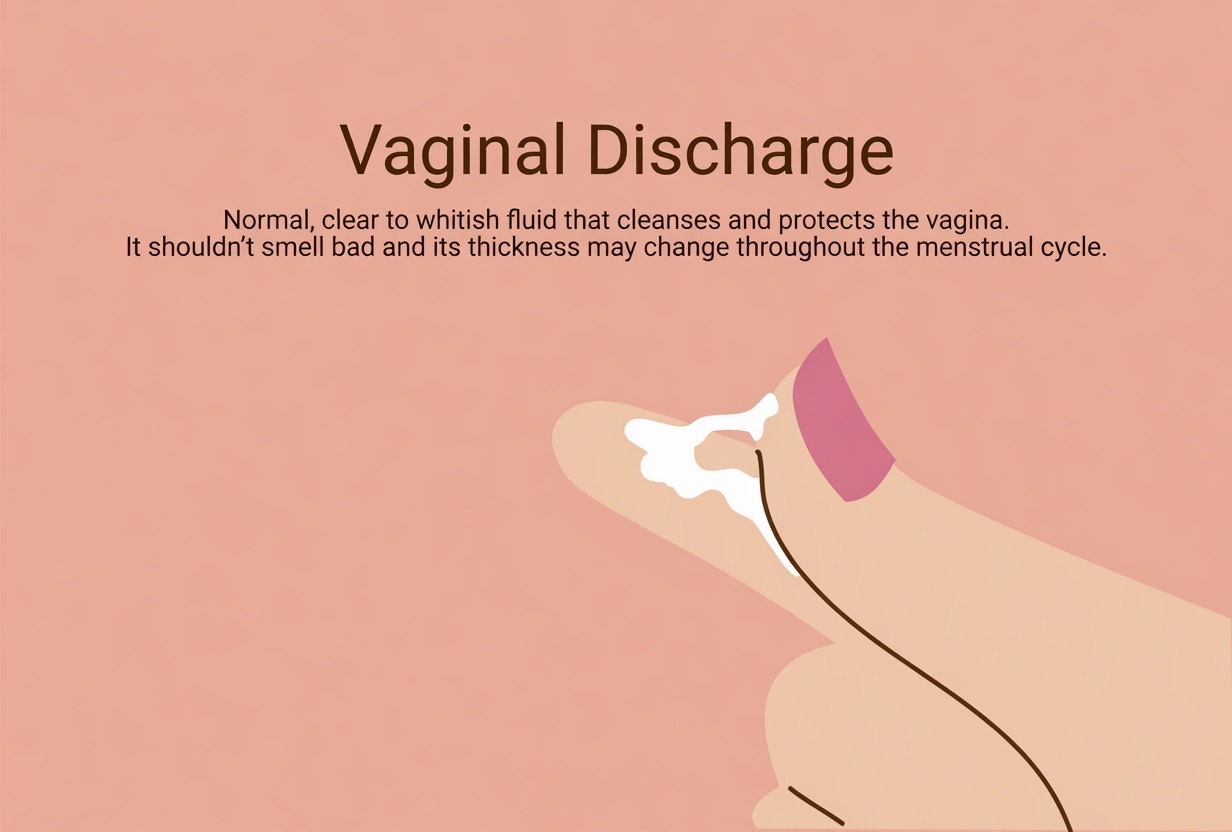
Vaginal fluid helps keep the vaginal area comfortable, cleansed, and protected. A key detail is that the vagina normally maintains a slightly acidic pH, usually around 3.8 to 4.5. This acidity supports a balanced environment by discouraging the overgrowth of harmful bacteria.
Over time, that mild acidity can interact with fabric dyes, especially on dark cotton underwear (black, navy, deep colors). The result can look like a bleached or faded spot right in the center.
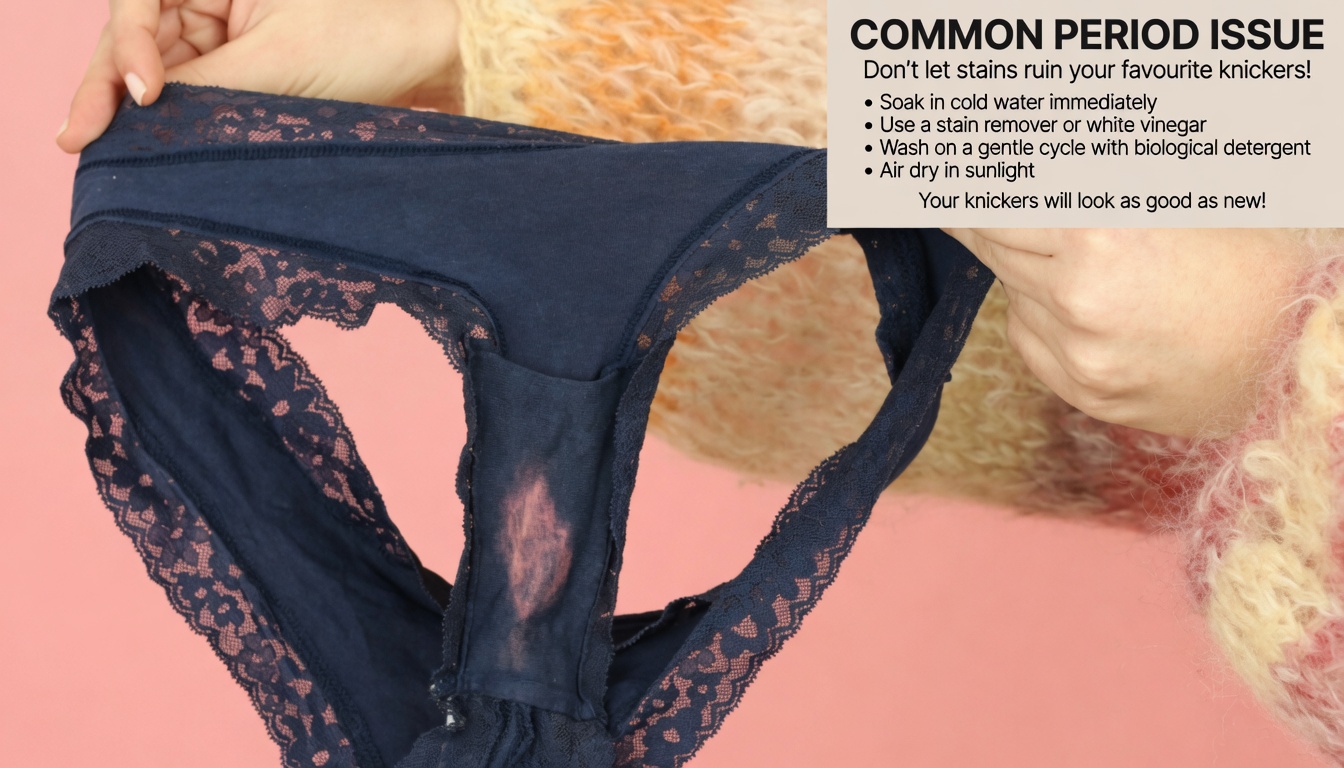
In other words, the fabric isn’t necessarily “damaged” by products—this is often natural chemistry between body fluids and dye. Many gynecologists note that this can actually reflect a vaginal environment that’s functioning as it should, since healthy vaginal microbiota help maintain that protective acidity.
When and Why Discoloration Can Be More Noticeable
For many women, these marks appear more often during completely normal changes in the body and menstrual cycle. Discharge volume can increase, which makes fabric fading easier to see.
Common (and usually normal) reasons include:
- Ovulation
- Mid-cycle cervical fluid increases to support fertility, so you may notice more moisture and stronger discoloration.
- Hormonal changes
- Puberty, pregnancy, postpartum recovery, and perimenopause can all shift discharge patterns.
- Sexual arousal
- Natural lubrication may also contribute to moisture and mild fabric fading.
- Heat, movement, and activity
- Warm climates, exercise, and long active days can increase moisture. In hotter regions, this effect may be more obvious.
Fabric Also Matters
Some underwear materials show the effect more clearly than others.

| Fabric Type | Likelihood of Color Change | Breathability |
|---|---|---|
| Cotton | Moderate to high | Very good |
| Synthetic fabrics | Lower visible discoloration | Often less breathable |
| Dark dyed fabrics | More noticeable fading | Depends on material |
| Light-colored fabrics | Discoloration less noticeable | Depends on material |
If the fading mostly appears on dark cotton underwear, that’s a common and expected pattern.
When to Pay Closer Attention (Possible Warning Signs)
A pale patch alone is usually not a problem. The more important question is whether you notice new or uncomfortable symptoms.
Typical discharge is often clear, milky white, or slightly creamy, and it usually has little to no strong smell. Consider speaking with a healthcare professional if discoloration comes with any of the following:
- Persistent itching or burning
- A strong fishy or foul odor
- Thick, clumpy discharge (often described as “cottage cheese–like”)
- Discharge that looks green, gray, or intensely yellow
- Redness, swelling, or irritation around the vulva

Medical literature on vaginal health commonly links unusual odor or color changes to shifts in vaginal flora. Also important: over-cleaning or using harsh “intimate” products can disrupt the natural protective balance—sometimes creating the very irritation someone is trying to avoid.
Simple Habits That Support a Healthy Vaginal Balance
If your goal is comfort and fewer issues with irritation, small everyday choices usually help most.
- Wear breathable cotton underwear
- Helps airflow and reduces trapped moisture.
- Change underwear daily (or more often when needed)
- Especially after workouts, sweating, or humid weather.
- Avoid internal washing or douching
- The vagina is self-cleaning; gentle external washing is typically enough.
- Use panty liners only if they improve comfort
- Some women prefer them during higher-discharge days (like ovulation).
- Choose looser clothing when possible
- Tight garments can trap heat and moisture.
If the look of discoloration bothers you, a simple cosmetic fix is to choose lighter-colored underwear, where fading is less visible.

The Biology Behind Vaginal Acidity (Why This Can Be a Good Sign)
A healthy vaginal environment is often supported by beneficial bacteria, especially Lactobacillus species. These bacteria help produce lactic acid, which maintains the vagina’s protective acidity. This mildly acidic environment acts like a natural defense system, making it harder for harmful microbes to multiply.
That’s why a faded spot on underwear can be, in many cases, a quiet sign of normal body function—a natural fluid meeting textile dye.
Final Takeaway
Seeing pale or yellowish marks in the center of underwear is extremely common. In many cases, it’s simply the result of healthy, mildly acidic vaginal discharge interacting with fabric dyes—especially in dark-colored cotton underwear. Focus less on the stain and more on any additional symptoms like odor, itching, burning, or unusual discharge color. With breathable fabrics, gentle hygiene, and basic comfort habits, most women can feel confident that this experience is normal.
Frequently Asked Questions
Is it normal for underwear to look bleached in the center?
Yes. Mildly acidic vaginal discharge can gradually lighten fabric dye, particularly on dark underwear.
Does this automatically mean I have an infection?
Not necessarily. If you don’t have itching, a strong odor, or unusual discharge color, the discoloration is often normal.
Should I wash inside the vagina to prevent this?
No. Internal washing (douching) is generally discouraged because it can disrupt the natural balance. Gentle external cleansing is usually sufficient.
Medical Disclaimer
This article is for educational purposes only and does not replace professional medical advice. If you have persistent discomfort, unusual symptoms, or concerns, consult a qualified healthcare professional.