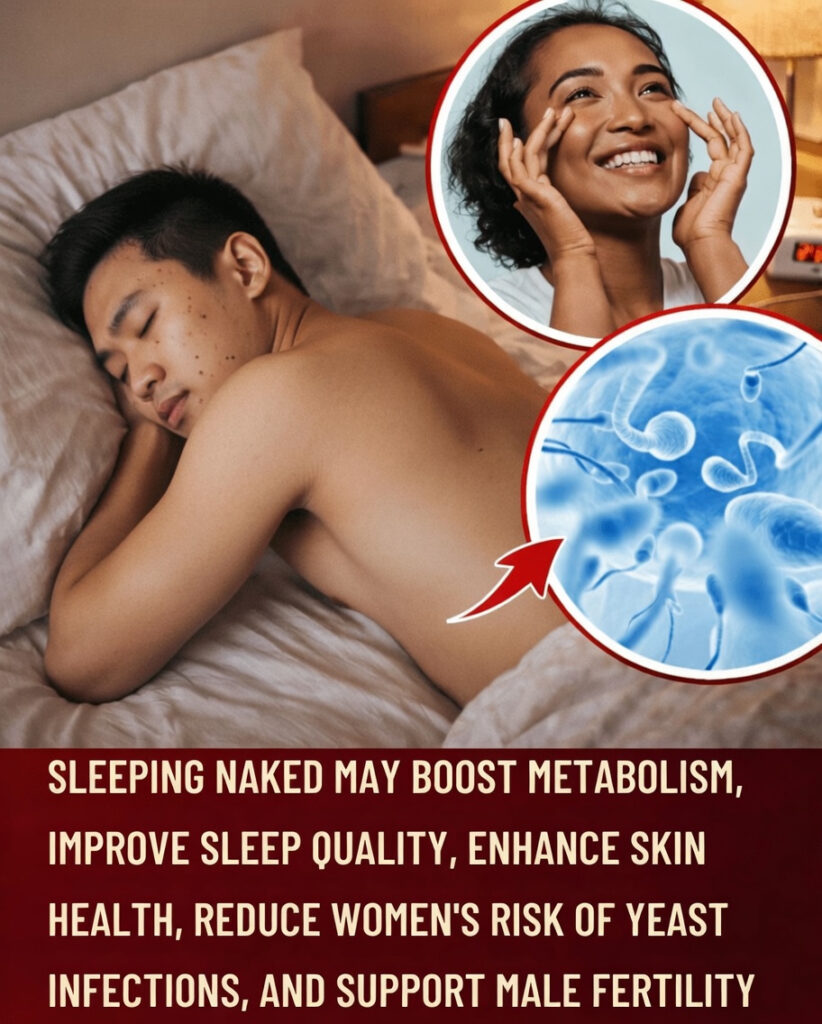
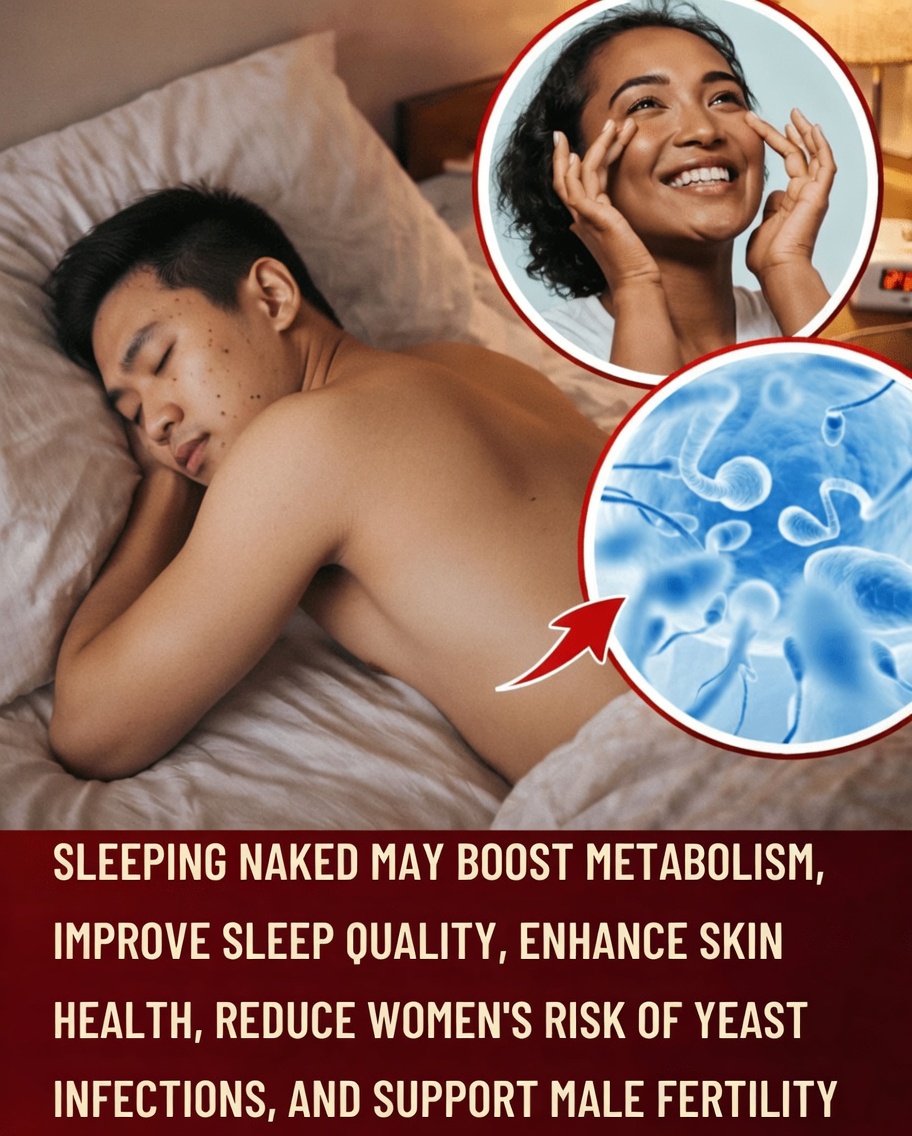
Why Sleeping Naked May Improve Sleep and Overall Well-Being
Many people look for better health through strict meal plans, demanding exercise programs, or expensive wellness products. But one very simple habit is often ignored: sleeping without clothes. This small nighttime choice works with the body’s natural sleep process and may help you rest more comfortably.
As your body gets ready for sleep, it naturally cools down. If you become too warm during the night, that process can be disrupted, leading to broken sleep, frequent wake-ups, and tired mornings. Studies suggest that keeping the skin cooler while sleeping may help you rest more deeply and wake up feeling more refreshed. Later in this article, you’ll also find practical tips for trying this habit safely and comfortably.
How Sleeping Naked Supports Natural Body Cooling
A drop in body temperature is part of the normal sleep cycle. It acts as a signal to the brain that it is time to relax and fall asleep. Research shows that a cooler core temperature can help people drift off faster and spend more time in the deeper, more restorative stages of sleep.
Wearing pajamas, especially tight or heavy fabrics, can trap heat and interfere with this cooling process. That extra warmth may cause discomfort, restlessness, or repeated waking during the night. Sleeping naked allows air to move more freely around the skin, making it easier to maintain a cooler sleep environment without relying entirely on air conditioning.
This is not an extreme lifestyle change. It is simply a way to support the body’s natural rhythm. Better sleep from improved temperature regulation can also contribute to:
- Better mood
- Sharper focus
- More stable daytime energy
- Stronger immune support
Can Sleeping Naked Gently Support Metabolism?
Some studies have examined how cooler sleeping conditions may affect metabolism. When the body detects lower temperatures, it may activate brown fat, a special type of fat that burns calories to create heat and help regulate body temperature.
Research, including findings from the National Institutes of Health, suggests that mild cold exposure such as sleeping in a cooler room may increase brown fat activity and improve insulin sensitivity in some individuals. Sleeping without clothes can help create that cooler environment by reducing the heat trapped by fabric.
It is important to keep expectations realistic. Sleeping naked is not a weight-loss solution by itself. However, when combined with healthy eating and regular physical activity, it may serve as a simple habit that offers mild metabolic benefits over time.
Why Your Skin May Benefit From More Airflow at Night
Wearing tight or synthetic sleepwear can hold moisture against the skin and create friction for hours. For some people, this may lead to irritation, especially in sensitive areas.
Sleeping naked increases ventilation and helps reduce sweat buildup overnight. Many skin experts agree that better airflow during sleep can improve skin comfort and may lower the chance of minor irritation.
When this habit is paired with clean bedding and a basic nighttime skincare routine, your skin has a better opportunity to recover while you sleep. Many people notice that their skin feels calmer and softer in the morning.
Simple Skin-Friendly Tips
- Wash sheets once a week using a mild, fragrance-free detergent
- Choose breathable bedding such as cotton or linen
- Apply a light moisturizer before bed to maintain hydration
- Keep bedroom humidity at a comfortable level to prevent dryness
Possible Benefits for Reproductive Comfort and Health
For women, increased airflow around the genital area may help reduce excess moisture, which can sometimes contribute to discomfort or imbalance. Yeast tends to thrive in warm, damp environments, so allowing the area to stay cooler and drier overnight may support better balance. This is similar to why health experts often recommend loose, breathable underwear during the day.
For men, lower temperatures around the testicles are associated with healthier sperm production. Research on underwear and fertility has suggested that avoiding tight, restrictive clothing may help maintain the cooler conditions needed for optimal sperm health. Sleeping without clothes may support that same principle at night.
These effects are usually modest and can differ from person to person. Still, the basic idea is clear: reducing heat buildup may help the body function more naturally.
A Small Habit That Works Well With Other Healthy Sleep Practices
Sleeping naked is not about making a dramatic change. It is a small, low-effort adjustment that can fit easily into a broader wellness routine. It works especially well alongside other healthy sleep habits such as:
- Going to bed at the same time each night
- Reducing screen time before sleep
- Keeping the bedroom quiet and calm
- Maintaining a cool sleep environment
Many people who adopt this habit say they wake up feeling more rested and have better energy throughout the day. One of its biggest advantages is its simplicity. There is nothing to buy and no complicated routine to follow. You only need to try it and pay attention to how your body responds.
How to Start Sleeping Naked Tonight
If you want to test this habit, the best approach is to start gradually and make comfort your priority.
Practical Steps to Begin
-
Ease into it
Try it on a cooler night first, or keep a light blanket nearby in case you need it. -
Set the bedroom temperature
A room temperature of 60–67°F (15–19°C) is often ideal for sleep and supports the body’s natural cooling process. -
Prioritize cleanliness
Shower before bed and sleep on fresh sheets so you feel comfortable and clean. -
Make gradual adjustments
If you share a bed, talk with your partner first. Some couples find that skin-to-skin contact increases closeness and comfort. -
Monitor the results
Pay attention to your sleep quality, morning energy, and overall comfort over one to two weeks. -
Listen to your body
If you have sensitive skin, feel too cold, or simply prefer some coverage, choose loose and breathable sleepwear instead.
Often, the biggest improvement comes when this habit is combined with other small changes, leading to noticeably better sleep and more pleasant mornings.
Final Thoughts
Sleeping naked is a simple way to support the body’s preference for cooler sleep. It may help improve sleep depth, increase skin comfort, and offer subtle benefits for metabolism and reproductive health. For many people, it is an easy habit worth trying.
The key is to experiment thoughtfully and choose what feels best for your body. If it helps you sleep more deeply and wake up feeling better, it may become one of the easiest wellness habits you ever adopt.
Frequently Asked Questions
Is sleeping naked safe for everyone?
For most people, yes. It is generally safe and comfortable. However, if you live in a very cold environment, have skin conditions, or feel uncomfortable without sleepwear, loose and breathable clothing may be a better option.
Can sleeping naked help you fall asleep faster?
It may. Research on temperature regulation suggests that cooler skin and body temperature can help the body move into sleep more efficiently, which may shorten the time it takes to fall asleep.
Can sleeping naked improve intimacy in a relationship?
Many couples say it helps them feel closer. Skin-to-skin contact can encourage the release of oxytocin, often called the bonding hormone, which may support emotional connection.
Disclaimer
This article is for informational purposes only and does not replace medical advice. Always speak with a qualified healthcare professional before changing your sleep or health habits, especially if you have an existing medical condition. Results can vary from person to person.