

Why Muscle Changes Become More Noticeable With Age
As we age, it is common to see and feel differences in muscle tone, strength, and overall physical ease. Tasks that once seemed effortless—such as carrying groceries, getting up from a chair, or walking up stairs—may begin to feel more demanding. For many adults in their 50s, 60s, and later years, these changes can be discouraging.
The encouraging part is that supporting muscle health does not always require a dramatic lifestyle overhaul. In many cases, small daily choices can make a meaningful difference. Sometimes, one simple food swap may offer more support than expected—and that option may already be in your refrigerator.
What Aging Does to Muscle Strength and Tone
Over time, the body naturally changes in ways that affect both appearance and performance. Muscles may feel less firm, movements can become slower or more tiring, and overall stamina may decline. Many people first notice this in their arms, legs, or energy throughout the day.
According to organizations such as the National Institute on Aging, regular movement and smart nutrition are two of the most important factors for maintaining strength as the years go by. This is where protein becomes especially important—and why one protein-rich food is getting more attention than another.
Why Protein Matters More After 50
Protein helps the body repair and maintain muscle tissue. As people get older, the body becomes somewhat less efficient at using protein, which is why many experts suggest including a solid protein source in every meal.
Eggs have long been a popular choice. They are convenient, affordable, and rich in high-quality protein, making them a breakfast staple in many households.
However, protein sources are not all processed the same way by the body. Some are absorbed quickly, while others provide a slower, steadier release of amino acids. That difference can be especially helpful for older adults who want more stable energy and better muscle support throughout the day.
Cottage Cheese vs. Eggs: Why Many Older Adults Are Making the Switch
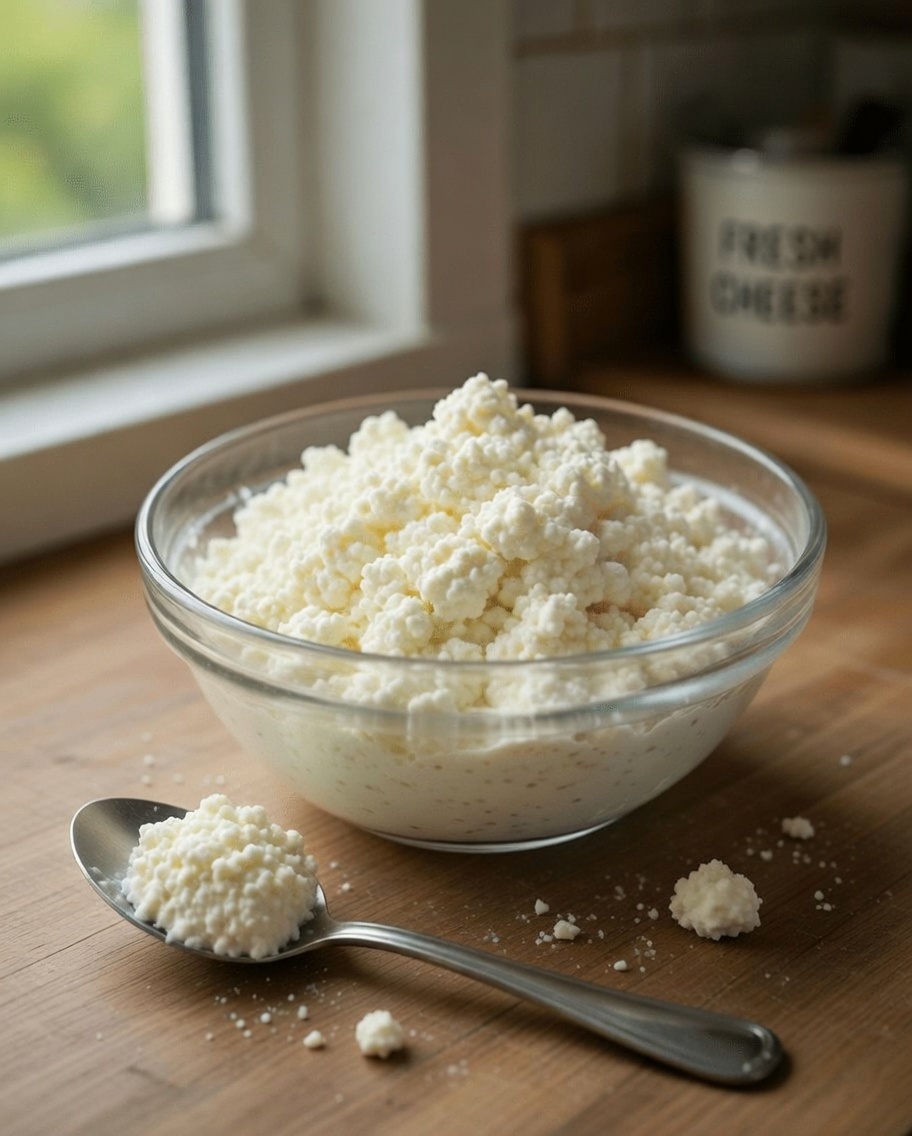
Cottage cheese is no longer just an old-fashioned diet food. More adults are rediscovering it as a practical and powerful protein option. One cup of cottage cheese can provide about 25 grams of protein, which is often more than what you get from two or three eggs.
Another major advantage is the type of protein it contains. Cottage cheese is rich in casein, a slow-digesting protein that releases amino acids gradually. Eggs are excellent too, but their protein is generally absorbed more quickly through whey and albumin.
Why does this matter? A slower protein release may help support satiety and more consistent energy levels, which can be useful if you often feel hungry again soon after breakfast. Cottage cheese is also naturally rich in calcium, giving it an added benefit for bone and muscle health.
It also tends to be easy to eat and easy to digest for many people. There is no cooking involved, the flavor is mild, and it can work with both sweet and savory foods.
Nutritional Benefits of Cottage Cheese
Cottage cheese stands out for several reasons:
- High in leucine: This amino acid plays an important role in muscle support.
- Slow-digesting protein: Casein keeps amino acids available to the body for longer.
- Calcium-rich: Helps support bones along with muscle function.
- Lower-fat choices available: Options like 1% or 2% fat offer plenty of protein without excess calories.
- Affordable and convenient: It is budget-friendly and can stay fresh in the fridge for a good amount of time.
Together, these benefits make cottage cheese a realistic food choice for everyday life—not just something that sounds good in theory.
Easy Ways to Eat More Cottage Cheese
If you want to try adding more cottage cheese to your routine, it does not need to be complicated. Here are a few quick ideas:
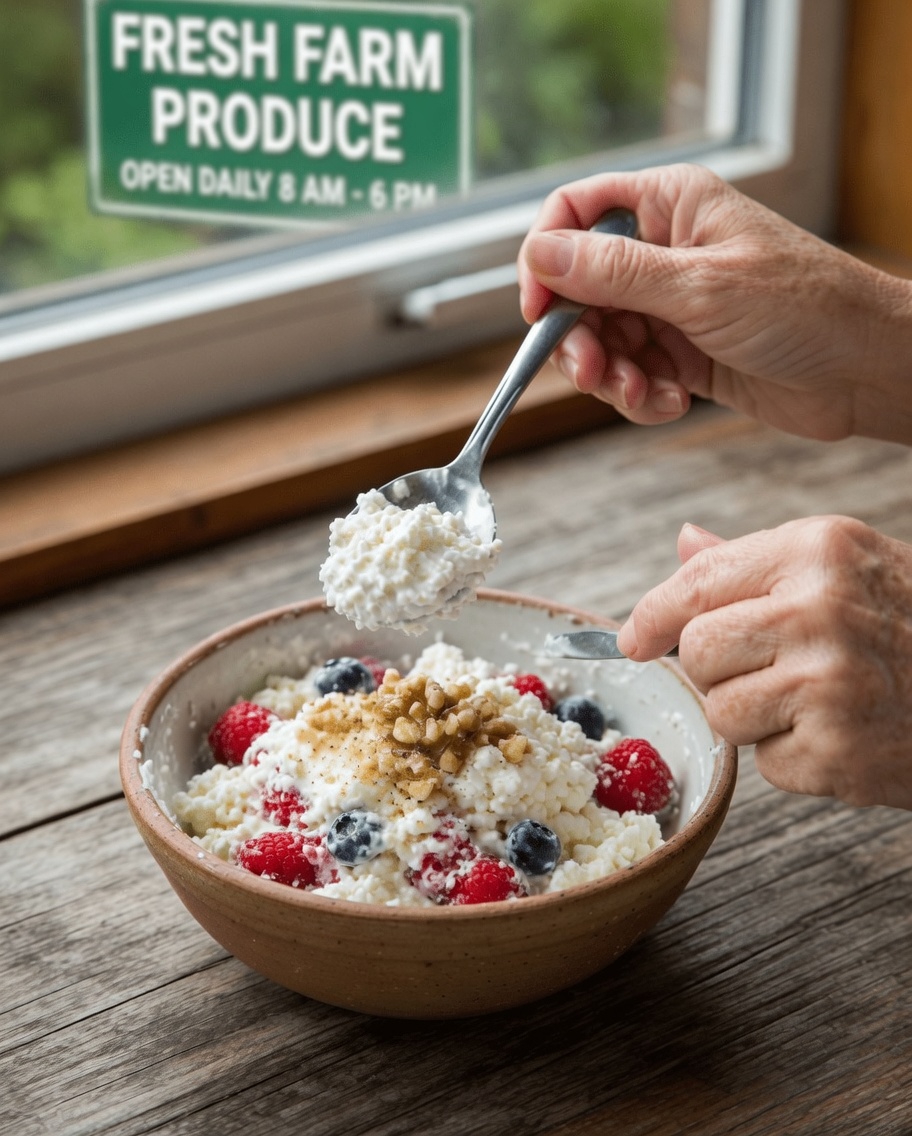
- Breakfast bowl: Add fresh berries and a little cinnamon for a naturally sweet start.
- Savory snack: Top with cherry tomatoes, cucumber slices, and black pepper.
- Smoothie upgrade: Blend it with banana, spinach, and almond milk for extra protein.
- Lunch addition: Serve it alongside tuna or grilled chicken over greens.
- Evening snack: Eat it plain with a handful of almonds for a filling finish to the day.
These ideas are simple, fast, and easy to maintain, which makes them more likely to become lasting habits.
Simple Ways to Start the Switch
If you are ready to swap eggs for cottage cheese occasionally, here are a few practical steps:
- Buy a low-fat container: Choose cottage cheese with minimal added ingredients.
- Begin with one meal: Replace one egg-based breakfast or snack this week.
- Pay attention to how you feel: Notice whether you stay full longer or feel steadier through the morning.
- Combine it with movement: A short walk or light resistance exercise can work well with increased protein intake.
- Adjust as needed: Start with portions that feel comfortable, and increase or reduce based on your appetite and routine.
A gradual approach is often the easiest to sustain.
What Research Says About Dairy Protein and Aging
Studies in nutrition and healthy aging continue to show that dairy proteins can be beneficial for adults over 50. Cottage cheese contains a combination of casein and whey, and this protein mix may help support muscle protein balance in a way that fits the body’s changing needs with age.
Eggs are still an excellent food, and there is no reason to eliminate them completely. But cottage cheese offers a different kind of advantage thanks to its slower digestion and strong protein content. For many people, it works well as either an addition to the diet or an occasional replacement for eggs.
Health professionals generally recommend variety, so the goal is not perfection. The goal is steady, practical nourishment that supports strength and energy over time.
The Bottom Line
A small change in your diet can influence how you feel throughout the day. Adding cottage cheese to your routine gives you a protein source that is convenient, filling, nutrient-rich, and often easier on the stomach. It is a simple step that may help support muscle health as you get older.
When thoughtful nutrition is paired with regular movement, even modest changes can add up. Try it for a week or two and see how your body responds. Sometimes the simplest habits create the most noticeable results.
FAQ
Is cottage cheese better than eggs for protein every day?
Both foods are high-quality protein sources. Cottage cheese often provides more protein per serving and digests more slowly, which may help some older adults feel full and energized for longer.
How much cottage cheese should I eat daily?
A common starting point is 1/2 to 1 cup as part of a meal or snack. It is best used alongside other protein sources as part of a balanced daily diet.
Can I still eat eggs if I start eating cottage cheese?
Yes. Eggs and cottage cheese can both have a place in a healthy eating plan. Cottage cheese does not have to fully replace eggs—it can simply be another smart option.
Important Note
This article is for informational purposes only and should not be considered medical advice. Always speak with your healthcare provider before making dietary changes, especially if you have medical conditions, food sensitivities, or specific nutrition restrictions.