Purple Spots on the Skin: Common Causes, Warning Signs, and What to Do
Seeing dark purple marks or unexplained spots on your skin can feel unsettling, especially when they appear suddenly and seem to last longer than a typical bruise. A tiny discoloration may not look like much at first, but when it shows up without a clear cause, it can trigger concern about whether it is harmless or a sign that something else is going on.
That uncertainty often becomes more frustrating when the spots keep returning without any obvious injury, such as a fall or bump. The good news is that learning what commonly causes purple spots on the skin—and knowing when they deserve medical attention—can help you respond with confidence. In many cases, there is a simple explanation, though one lesser-known factor may be involved as well.
What Are Purple Spots on the Skin?
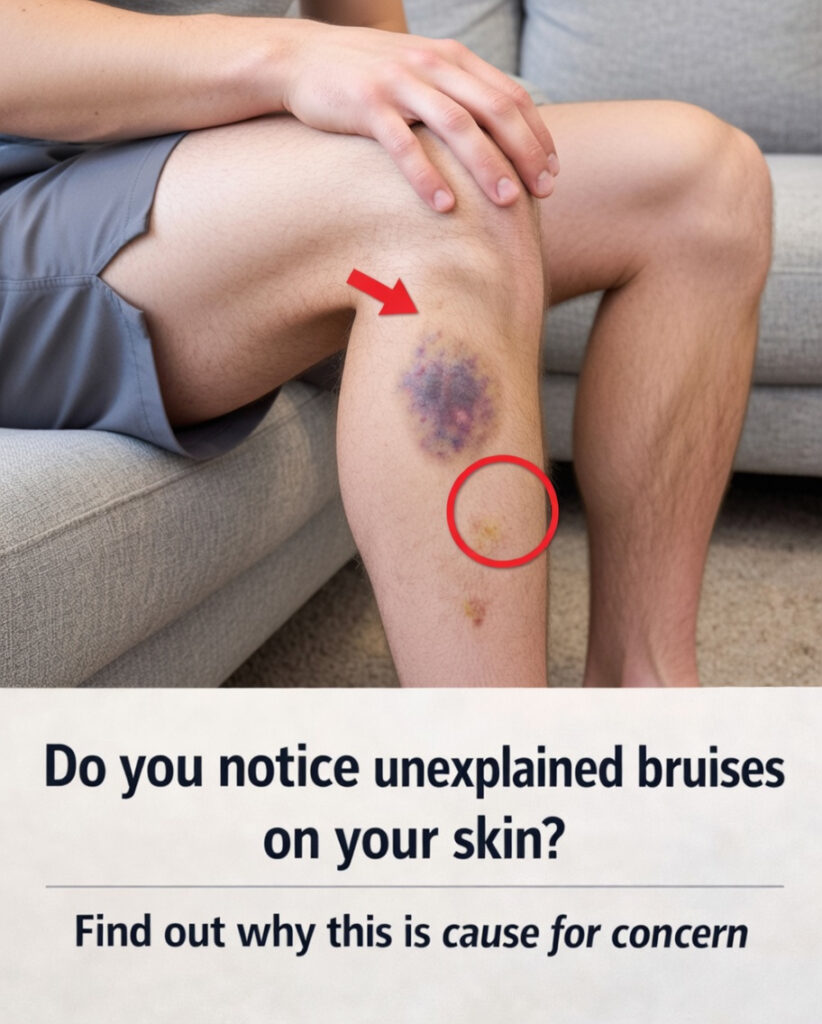
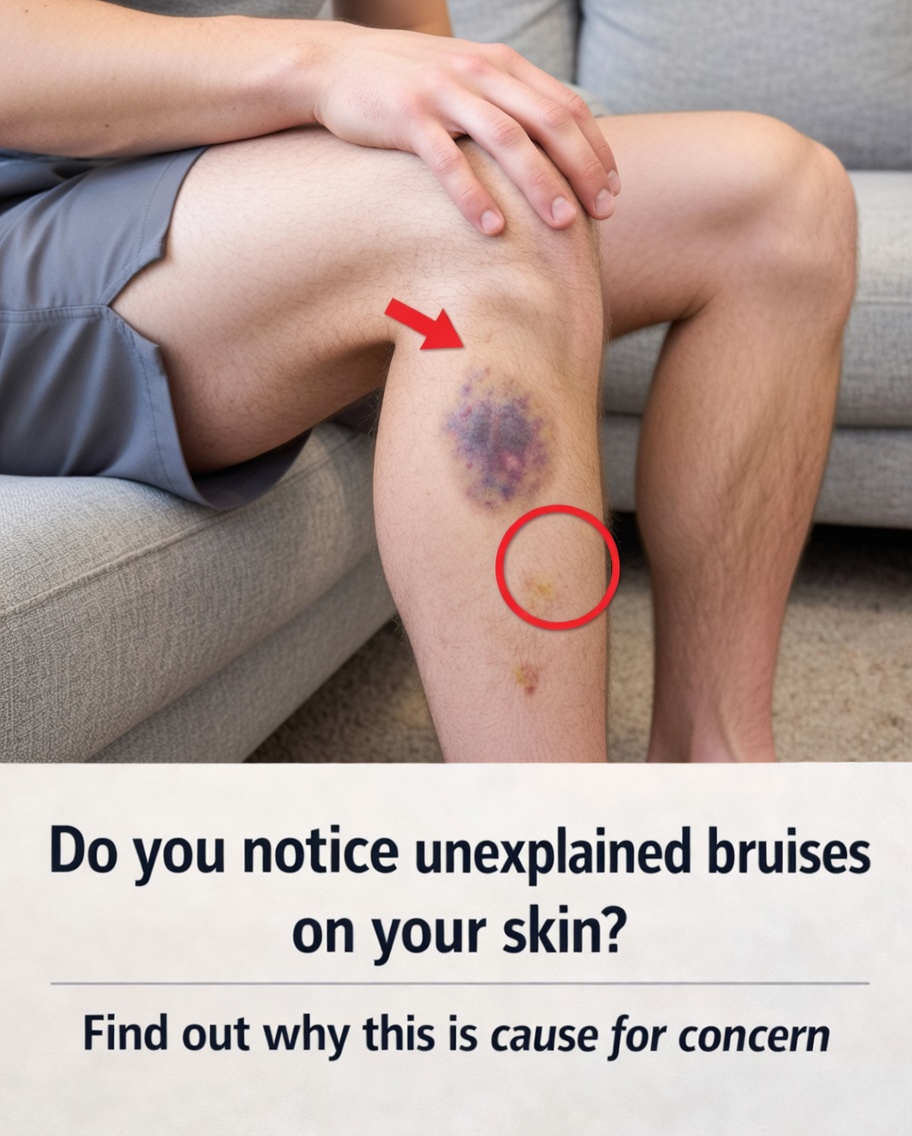
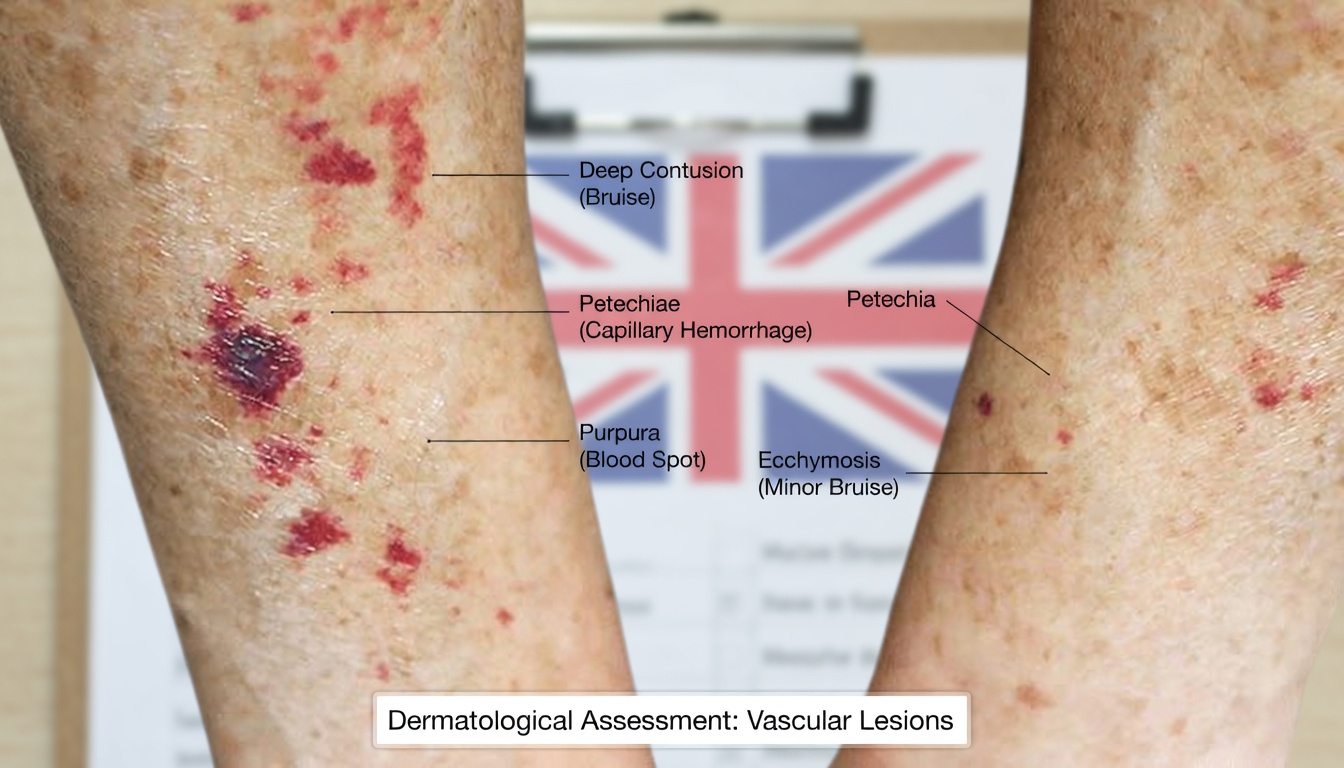
Purple skin spots are often referred to as purpura or ecchymoses. They develop when very small blood vessels beneath the skin break or leak, allowing blood to collect under the surface. This creates patches that may look reddish-purple, deep violet, or even brownish as they evolve.
Unlike many skin rashes, these spots usually do not blanch, meaning they do not turn white when pressed. Their size can vary widely, from tiny pinpoint marks to much larger areas.
People often notice them first on the hands, arms, or legs. Over time, the color may gradually change from purple to green or yellow as the body slowly reabsorbs the trapped blood.
While some of these spots are completely harmless, others can offer important clues about your overall health. That is why understanding the context in which they appear matters.
Common Causes of Purple Spots on Skin
Purple spots can develop for several different reasons, and the cause is not always obvious right away. Below are some of the most common explanations.
1. Minor Injuries and Everyday Bumps
Even a small knock against furniture or pressure from tight clothing can injure delicate blood vessels. In some cases, the mark does not appear until hours later, then fades gradually over the following days.
2. Aging and Thinner Skin
As skin ages, it becomes thinner and loses some of the natural padding that protects blood vessels. This makes the vessels easier to damage, especially on areas exposed to the sun, such as the forearms and hands.
A common age-related form, often called actinic purpura or senile purpura, is especially frequent in older adults. Research suggests it may affect as many as 30% of people over age 75.
3. Medications That Interfere With Clotting
Some medicines can make bruising or purple spots more likely. These include:
- Aspirin
- Blood thinners
- Certain steroid medications
These drugs do not directly create the spots, but they can reduce the body’s ability to stop small amounts of bleeding quickly.
4. Low Platelet Count
Platelets play a major role in blood clotting. When platelet levels fall too low, purple spots may form more easily, even if there was no noticeable injury. This can happen for a variety of medical reasons, including immune-related conditions.
5. Vitamin Deficiencies
A lack of certain nutrients—especially vitamin C—can weaken blood vessel walls over time. In some adults, this leads to skin that bruises more easily or develops purple marks more often than expected.
6. Infections or Immune System Issues
Some viral infections and autoimmune conditions can cause inflammation in the blood vessels. When that happens, purple spots may appear over a wider area of the body.
In many situations, there is more than one cause at work. For example, aging skin, sun exposure, and blood-thinning medication can all combine to produce spots that seem to come out of nowhere.
When Purple Spots May Need Medical Attention
A simple bruise from minor trauma usually improves within about two weeks. However, there are times when purple spots should be evaluated more carefully.
You should pay closer attention if the spots:
- Appear suddenly without any known injury
- Spread quickly or begin covering larger areas
- Occur together with bleeding from the gums or nose
- Come with frequent bruising in other parts of the body
- Are accompanied by fatigue, fever, or joint pain
- Continue appearing while you are taking blood-thinning medication
One important thing to remember is that an early medical evaluation often provides reassurance. In many cases, a basic blood test can quickly identify or rule out common underlying causes.
Seeking help sooner rather than later can make it easier to monitor the issue and decide whether simple lifestyle changes, medication review, or further testing is needed.
Simple Ways to Support Skin Health
You do not always have to wait and do nothing while purple marks fade. A few practical habits may help protect your skin and support recovery.
Apply a Cool Compress Early
If the spot is new, place a cold pack or ice wrapped in a soft cloth on the area for about 10 to 15 minutes. This may reduce further bleeding under the skin.
Elevate the Affected Area
If possible, raise the arm or leg where the mark appeared. Elevation can lower pressure in the vessels and may help the discoloration settle faster.
Protect Fragile Skin Every Day
Daily skin protection can make a real difference. Helpful steps include:
- Wearing long sleeves on sunny days
- Using a gentle moisturizer regularly
- Avoiding rough scrubbing or harsh skin care products
Review Your Medications With a Doctor
Do not stop prescribed medicine on your own. However, if purple spots are becoming frequent, it is worth discussing your medications with a healthcare provider. In some cases, dosage changes or protective strategies may help.
Stay Hydrated and Eat Nutrient-Rich Foods
Good hydration and a balanced diet support healthy blood vessels. Foods rich in vitamin C may be especially useful, such as:
- Citrus fruits
- Berries
- Bell peppers
These small steps are easy to include in daily life and may reduce how often new spots appear.
Lifestyle Habits That May Lower the Risk
Long-term habits can also help protect the skin and reduce the chance of frequent purple marks.
Consider these routines:
- Use sunscreen every day on exposed skin
- Choose loose, soft clothing to avoid unnecessary pressure or friction
- Maintain a stable weight and stay physically active to support circulation
- Moisturize the hands and arms consistently
- Schedule regular health check-ups so changes are noticed early
Many people underestimate how much these daily choices matter. Over time, small protective habits can have a noticeable effect.
Final Thoughts
Purple spots on the skin are often a mild signal from your body rather than an emergency. In many cases, they are linked to a minor bump, aging skin, or medications. In other situations, they may point to something worth checking more closely.
The key takeaway is simple: understanding the usual causes and watching for important warning signs can help you act early and avoid unnecessary worry. Pay attention to what your skin is showing you, follow basic skin-supportive habits, and contact a healthcare professional if something does not seem right. Being proactive is one of the best ways to care for your health.
FAQ
Can purple spots on the skin disappear on their own?
Yes. Spots caused by small bumps or age-related skin changes often fade naturally within one to three weeks as the body reabsorbs the blood. Protecting the area can help support healing.
Are purple spots always a sign of a serious condition?
No. Most purple spots are not dangerous, especially when they appear after a known minor injury. However, spots that develop without explanation, spread quickly, or return often should be checked by a healthcare professional.
Can diet affect how easily I bruise or get purple spots?
Yes, it can. Proper hydration and enough vitamin C help maintain stronger blood vessel walls. While healthy eating will not prevent every bruise, it may reduce how often these spots occur.
Disclaimer
This content is for informational purposes only and does not replace professional medical advice, diagnosis, or treatment. Always speak with a qualified healthcare provider about concerns related to your skin or overall health.