
Red Onions and Blood Sugar: What You Need to Know
Red onions, often called purple onions, are members of the Allium family and stand out for their distinctive set of nutrients. Their deep reddish-purple hue comes from pigments called anthocyanins, but an even more noteworthy compound is quercetin—a powerful flavonoid antioxidant found in higher concentrations in red onions than in most white or yellow varieties.

Scientists have been exploring how these plant compounds interact with pathways involved in glucose metabolism. Early findings suggest that quercetin may help support insulin sensitivity and influence how the body processes carbohydrates. Studies in animals and small-scale human observations have linked regular intake of onions or onion extracts with markers of improved glucose regulation.
In addition, red onions supply sulfur-containing molecules such as allyl propyl disulfide. Preliminary research indicates these compounds may also modulate insulin-related mechanisms in potentially beneficial ways.
What Research Shows About Onions and Blood Sugar
A growing body of laboratory and animal research has examined how onions might contribute to metabolic health. Reviews of the evidence point out that quercetin from foods like red onions may play a role in:
- Supporting healthier glucose tolerance
- Reducing oxidative stress, which is often associated with blood sugar imbalances
In several animal studies, adding onion powder or concentrated onion extracts to the diet over a period of weeks led to noticeable shifts in:
- Fasting blood glucose levels
- Blood lipid profiles (such as cholesterol and triglycerides)
Human research is more limited but still informative. Some small trials that included roughly 100 grams of raw onion per day have reported modest improvements in post-meal (postprandial) glucose responses in certain participants.
The main message: current data are encouraging, but onions should be viewed as part of a broader, healthy dietary pattern rather than a cure or single “magic” food. Personalized guidance from a health professional is essential for safe and effective blood sugar management.
Key Nutrients in Red Onions That May Support Metabolic Health
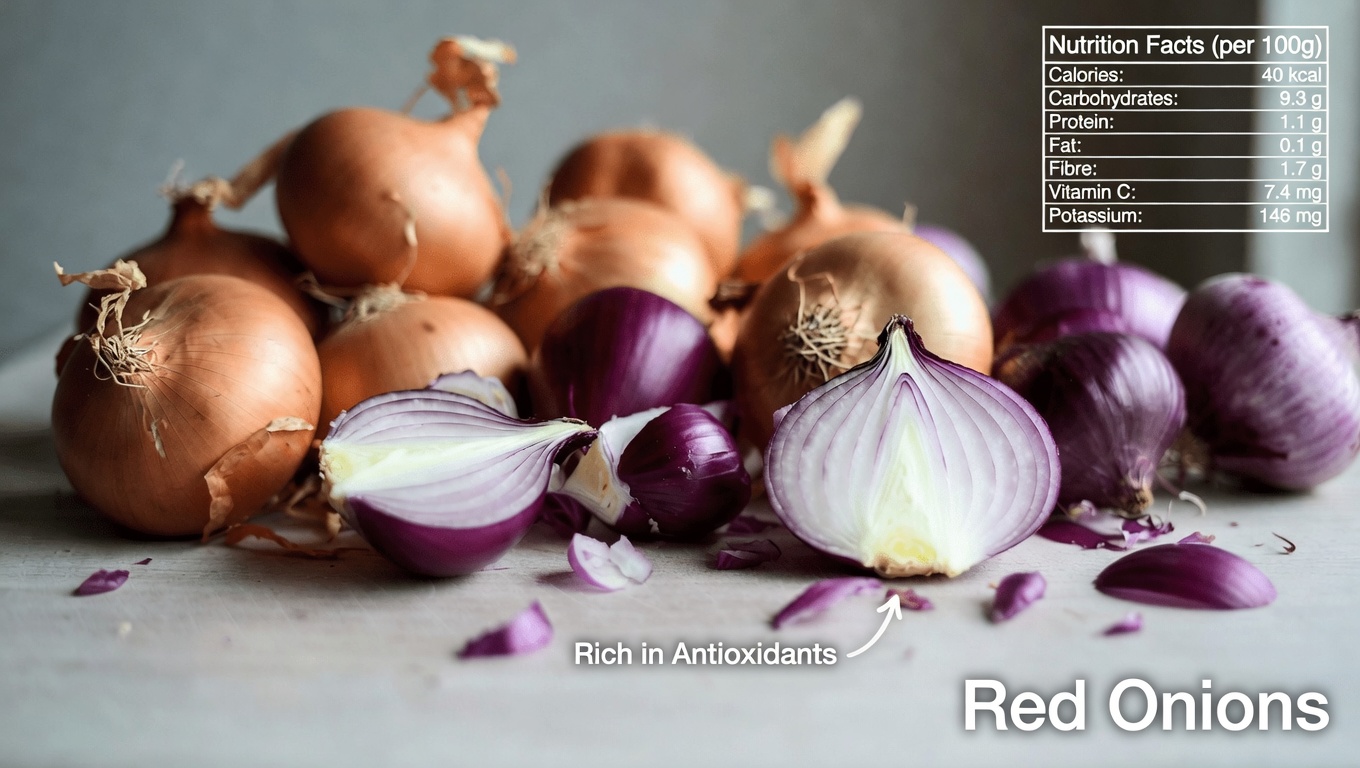
Red onions pack meaningful nutrition into a low-calorie, flavorful vegetable. Several components are of particular interest for people monitoring blood sugar:
-
Quercetin
A well-studied flavonoid with strong antioxidant properties. Quercetin has been investigated for its potential to support healthy inflammatory responses, cardiovascular wellness, and metabolic function, including how the body uses glucose and insulin. -
Sulfur compounds
Responsible for the characteristic aroma and sharp taste of onions, these compounds may influence enzyme activity and biochemical pathways involved in carbohydrate metabolism. -
Fiber
Red onions contribute a modest amount of fiber, including soluble fiber, which can help slow digestion and the absorption of carbohydrates. This more gradual release may support steadier energy and less dramatic blood sugar spikes. -
Low glycemic index (GI)
Onions generally rank low on the glycemic index, meaning they have a relatively small direct impact on blood glucose when eaten in typical amounts.
Together, these features make red onions a thoughtful addition to meals for individuals aiming to support healthy blood sugar levels as part of a comprehensive lifestyle plan.
Simple Ways to Include Red Onions in Your Routine
You do not need elaborate recipes to take advantage of red onions. The key is consistency, moderate amounts, and paying attention to how your body responds.
Gentle Option: Making Red Onion Water
Many people prefer a mild, easy-to-sip preparation they can integrate into their morning or evening habits. Here is a straightforward method:
- Take one medium red onion and remove the dry outer skin.
- Slice or chop it into thin pieces to help release its juices.
- Place the onion pieces into a glass or jar.
- Pour in 1–2 cups of room-temperature or warm (not boiling) water.
- Cover and let it steep in the refrigerator for 8–12 hours or overnight.
- In the morning, strain the liquid. You can add a squeeze of fresh lemon for flavor if desired.
- Drink slowly on an empty stomach or sip throughout the day, depending on preference and tolerance.
This method draws out some of the water-soluble components without cooking, which may help preserve certain heat-sensitive nutrients.

Everyday Culinary Ideas
You can also use red onions as a regular ingredient in your meals:
- Add thin slices of raw red onion to salads for extra crunch and color.
- Stir them into soups, stews, stir-fries, or roasted vegetable dishes.
- Use quick-pickled red onions as a topping for tacos, grain bowls, sandwiches, or grilled proteins.
Keep in mind that high-heat cooking can reduce levels of some delicate compounds, including certain flavonoids, though many sulfur compounds remain relatively stable. For variety and broader benefits, aim for a mix of both raw and cooked preparations.
Benefits Beyond Blood Sugar Support
While much attention goes to blood sugar, red onions may offer additional health-supportive properties:
-
Heart health
Antioxidants such as quercetin may help neutralize free radicals and support healthy blood vessels, potentially contributing to cardiovascular wellness. -
Digestive support
Onions contain prebiotic fibers that serve as fuel for beneficial gut bacteria, which can support a balanced microbiome and digestive comfort in many people. -
General anti-inflammatory support
Quercetin and other phytochemicals found in red onions have been studied for their potential to help maintain healthy inflammatory responses throughout the body.
These broader effects underscore why red onions can be a valuable ingredient in long-term, health-focused eating patterns.
Important Considerations When Using Red Onions
Although red onions are widely consumed and generally safe, a few points are worth keeping in mind:
-
Digestive sensitivity
Some individuals experience gas, bloating, or discomfort, especially with large amounts of raw onion. Starting with small portions and increasing slowly can help gauge tolerance. -
Medication interactions
Onions may interact with certain drugs, particularly blood-thinning medications and diabetes medications. If you take prescription drugs, consult your healthcare provider before making significant changes to your onion intake. -
Balanced approach
No single food can dramatically transform health on its own. Sustainable progress usually comes from a combination of nutritious eating, appropriate portion sizes, regular physical activity, and ongoing monitoring of blood sugar levels when needed.
Conclusion: A Small, Practical Addition to Better Habits
Red onions offer a simple, affordable way to enhance meals with flavorful, nutrient-dense ingredients. Emerging research suggests they may play a supportive role in metabolic and blood sugar health, thanks to compounds like quercetin, sulfur molecules, and fiber.
Whether you choose to try a mild onion water infusion or simply use red onions more often in everyday cooking, they can easily fit into a balanced, health-conscious diet. Consistent, modest changes—such as regularly including vegetables like red onions—often accumulate over time and complement other lifestyle strategies for managing blood sugar and overall wellness.
FAQ
Can I eat red onions every day to support blood sugar?
Yes, many people safely include moderate amounts of onions daily as part of balanced meals. Research often uses portions around 50–100 grams, but the ideal amount varies by individual. Pay attention to your digestion and overall response, and consult your healthcare provider or dietitian for personalized guidance.
Are red onions better than white or yellow onions for blood sugar?
Red onions generally contain higher levels of quercetin and certain pigments due to their color, which may provide stronger antioxidant activity. However, all onion varieties offer beneficial compounds. Choosing a mix of types can add diversity to your diet.
Does cooking reduce the beneficial compounds in red onions?
Some heat-sensitive components, including certain flavonoids, may decline with prolonged or high-heat cooking. Many sulfur compounds, however, remain relatively stable. Using both raw onions (for salads, toppings, quick pickles) and cooked onions (in soups, sautés, and roasts) can help you capture a broad range of benefits.
Disclaimer
This content is for informational and educational purposes only and is not intended as medical advice, diagnosis, or treatment. Red onions and other dietary changes should not replace prescribed medications or professional medical care. Always speak with your doctor or a registered dietitian before making significant adjustments to your diet, particularly if you have diabetes, other metabolic conditions, or are taking any medications. Individual responses vary, and improper management of blood sugar can have serious health consequences.