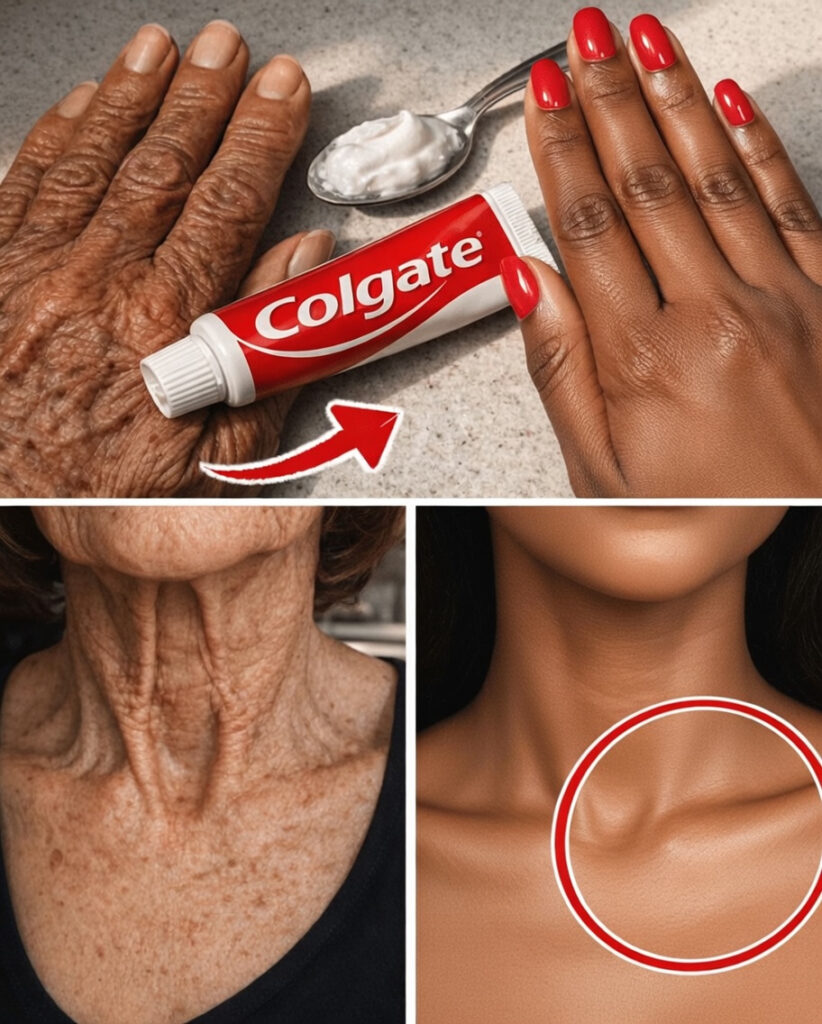
Toothpaste and Baking Soda for Wrinkles and Dark Spots: Why This Viral Hack Can Backfire
Many people look in the mirror each morning and feel discouraged when wrinkles and dark spots seem more visible than the day before. Sun exposure, stress, and the natural aging process can slowly affect how your skin looks, and that can take a real toll on self-confidence. It may leave you avoiding bare-faced days, feeling uncomfortable in photos, and searching for a fast solution that promises smoother, brighter skin.
That is exactly why toothpaste and baking soda for wrinkles and dark spots have become such popular social media trends. They are cheap, easy to find, and often presented as miracle fixes hiding in your home. But according to skincare experts, these DIY shortcuts may irritate the skin instead of improving it. The good news is that there are gentler, more reliable habits that can help support a clearer, more radiant complexion over time.
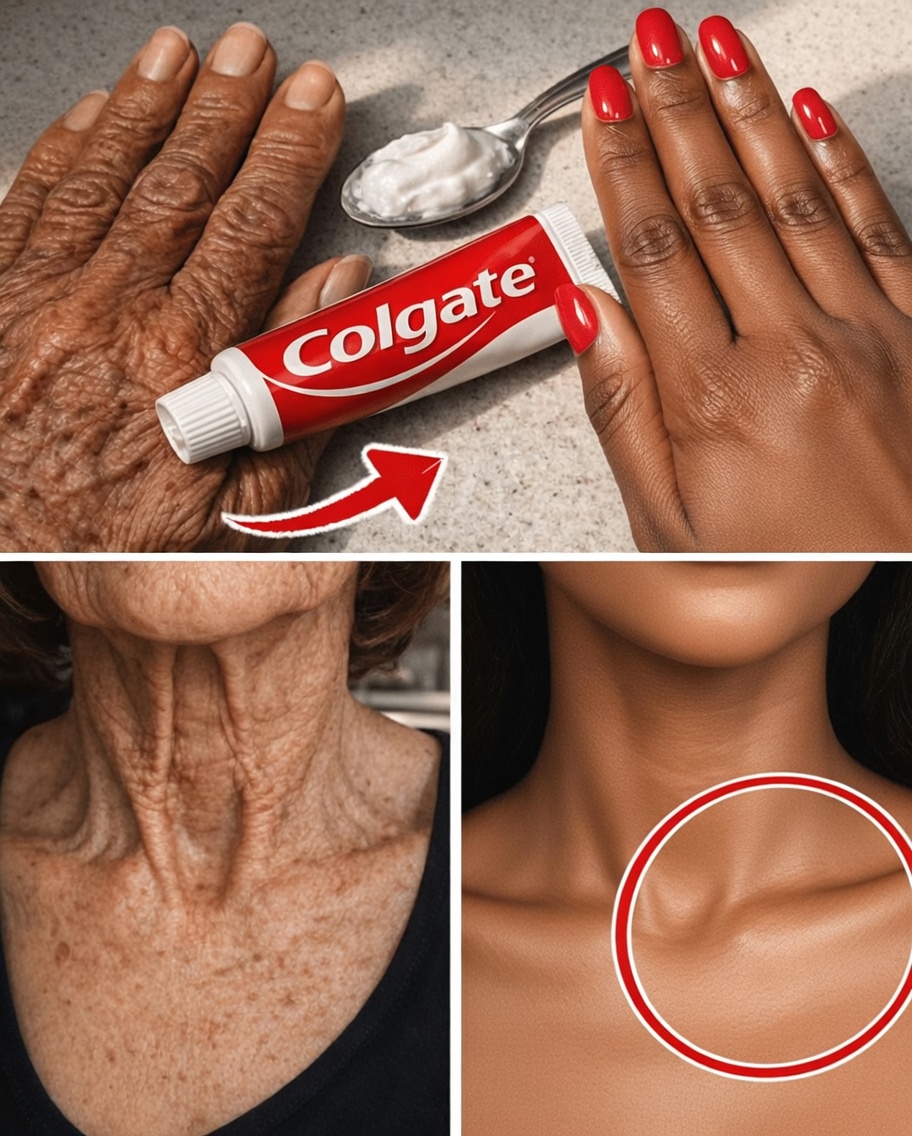
The Myth Behind Toothpaste and Baking Soda for Wrinkles and Dark Spots
When wrinkles and dark spots start to affect how young or refreshed you feel, it is easy to understand the appeal of quick online beauty hacks. Toothpaste and baking soda seem harmless because they are common household products already sitting in your bathroom or kitchen. Many people assume that their drying, brightening, or exfoliating effects will reduce lines and fade discoloration overnight.
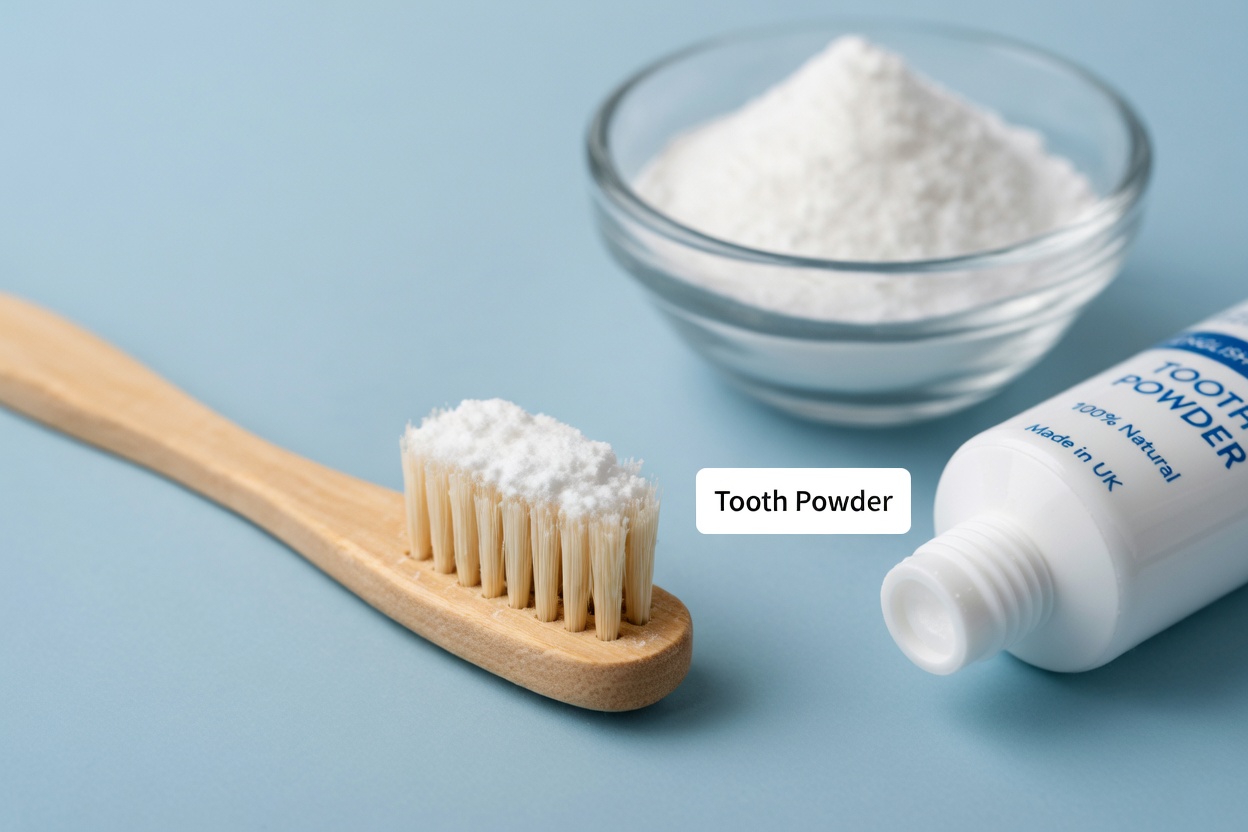
The problem is that this idea leaves out an important fact: these products were never made for facial skin. Toothpaste is formulated for oral care, while baking soda is intended for cooking and cleaning. The skin on your face is far more delicate, especially around areas where wrinkles and pigmentation are already noticeable. Instead of helping, these ingredients can cause irritation that makes the skin look worse.
Why Dermatologists Warn Against Using Toothpaste and Baking Soda on the Face
Dermatologists often advise against applying toothpaste and baking soda for wrinkles and dark spots because the risks can outweigh any short-lived effect. While the skin may initially feel tighter or look temporarily drier, that does not mean real improvement is happening.
Toothpaste commonly contains:
- Abrasive particles
- Menthol
- Fluoride
- Detergent-like ingredients
These ingredients are beneficial for teeth, but not for your skin barrier. On the face, they can strip away natural oils, trigger redness, and worsen dryness, especially around fine lines and unevenly pigmented areas.
Baking soda creates another issue. Its alkaline pH is much higher than the skin’s natural pH level. This imbalance can weaken the skin barrier, leaving it more sensitive to environmental stressors and slower to recover. Over time, that kind of disruption may actually contribute to more visible wrinkles and dark spots, not fewer.
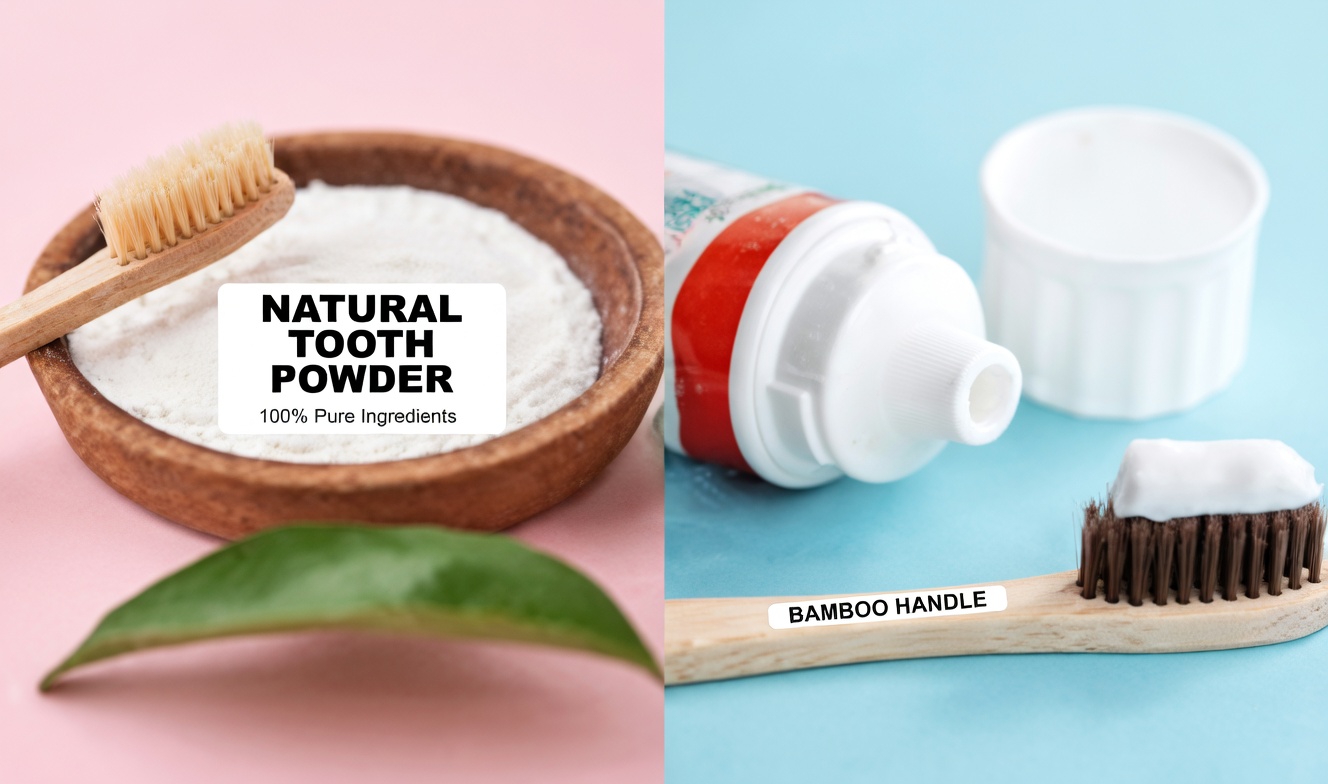
A Real Example: When the Trend Goes Wrong
Sarah, 58, had become increasingly bothered by deepening lines and sun-related dark spots. After seeing a popular skincare hack online, she decided to try applying toothpaste and baking soda directly to her face before bed, hoping to wake up with brighter, smoother skin.
Instead, the next morning her skin felt tight, irritated, and patchy. The redness made her complexion appear even more uneven than before. Once she stopped using the DIY mixture and switched to a gentler routine, her skin gradually became calmer and more comfortable.
Her experience reflects a common pattern: when the skin is already dealing with aging and discoloration, harsh treatments can make those concerns more obvious rather than less.
8 Gentle Habits That May Help Improve Wrinkles and Dark Spots
If harsh DIY treatments are not the answer, what should you do instead? The best approach is usually a steady, skin-friendly routine focused on protection, hydration, and ingredients backed by research. Below are eight habits that may support smoother, more even-looking skin.
1. Use Broad-Spectrum Sunscreen Every Day
UV exposure is one of the biggest causes of worsening wrinkles and dark spots. Wearing sunscreen each morning helps protect the skin from further damage while you work on improving existing concerns.
2. Prioritize Hydration Inside and Out
When skin is dehydrated, lines can look deeper and pigmentation may appear more pronounced. Drinking enough water and applying a gentle moisturizer can help the skin look softer, fuller, and more balanced.
3. Eat More Antioxidant-Rich Foods
Free radical damage plays a role in visible skin aging. Foods such as berries, leafy greens, seeds, and nuts provide antioxidant support that may complement your topical skincare routine.
4. Exfoliate Gently and Sparingly
Exfoliation can be helpful, but overdoing it often leads to irritation. Mild chemical exfoliants used once a week may help reveal fresher skin without the rough scrubbing effect associated with toothpaste or baking soda.
5. Try Niacinamide
Niacinamide, a form of vitamin B3, is known for being gentle and versatile. It may help reduce redness, support the skin barrier, and improve uneven tone, making it a smart option for people concerned about dark spots.
6. Add a Stable Vitamin C Serum
Vitamin C is widely used in skincare for its brightening and antioxidant benefits. Research suggests it may also help support collagen production, which can improve the appearance of fine lines over time.
7. Introduce Low-Strength Retinoids Slowly
Retinoids encourage skin cell turnover and are often recommended for both wrinkles and pigmentation. Starting with a low-strength product a few nights a week can help minimize irritation while your skin adjusts.
8. Stay Consistent With a Simple Routine
A daily habit of cleansing, moisturizing, and sun protection creates the foundation for healthier-looking skin. Consistency is far more effective than harsh one-time hacks.
Quick Comparison: Viral DIY Fixes vs. Gentle Skincare Habits
Here is a simple comparison between toothpaste and baking soda for wrinkles and dark spots and dermatologist-aligned alternatives.
| Approach | Main Feature | Possible Effect on Wrinkles and Dark Spots | Evidence |
|---|---|---|---|
| Toothpaste and Baking Soda | Abrasive and high pH | May cause short-term dryness, irritation, and barrier damage | Dermatologists generally advise against it |
| Sunscreen | Broad-spectrum SPF | Helps prevent worsening of lines and pigmentation | Strong scientific support |
| Vitamin C Serum | Stable antioxidant | May brighten skin and support collagen | Clinical studies show benefits |
| Niacinamide | 5% to 10% concentration | May improve skin tone and strengthen the barrier | Supported by research on pigmentation |
Another Skin Journey: Choosing Patience Over Quick Fixes
Emily, 62, noticed her confidence fading as wrinkles and dark spots became more visible over the years. She also tried the toothpaste-and-baking-soda trend after seeing it recommended online. Unfortunately, the result was flaky, irritated skin that felt uncomfortable for days.
After that, she simplified her routine. She began using sunscreen daily, added vitamin C in the morning, and focused on keeping her skin moisturized. After several months, she felt her skin looked calmer and more even, and her fine lines seemed less harsh.
Her takeaway was simple: gentle consistency worked better than aggressive shortcuts.
Safe Steps to Support Your Skin Instead
You do not need a complicated 10-step routine to care for wrinkles and dark spots effectively. Starting with a few basics can make a meaningful difference.
Simple Starter Routine
-
Morning
- Cleanse gently
- Apply a vitamin C or niacinamide serum
- Use moisturizer
- Finish with broad-spectrum SPF 30 or higher
-
Evening
- Wash with a mild cleanser
- Apply a retinoid 2 to 3 nights per week at first
- Follow with a richer moisturizer
-
Weekly
- Use one gentle exfoliating treatment
- Avoid physical scrubs and harsh rubbing
Helpful Tips for Better Results
- Patch-test every new product before full use
- Choose fragrance-free formulas if your skin is easily irritated
- Reapply sunscreen every two hours when outdoors
- Keep a simple journal or take progress photos to track changes
The key is not intensity. It is regular care that supports your skin barrier instead of damaging it.
Frequently Asked Questions About Toothpaste and Baking Soda for Wrinkles and Dark Spots
Can toothpaste and baking soda ever be safe for facial use in small amounts?
Most dermatologists recommend avoiding both on the face. Even small amounts can irritate the skin, especially if you already have sensitivity, dryness, wrinkles, or pigmentation concerns.
How long does it take to see improvement with gentle skincare habits?
Visible changes often take 8 to 12 weeks of consistent care. That timeline may feel slower than a viral hack promises, but the results are usually more reliable and much less likely to harm the skin.
What if my skin is very sensitive?
If your skin reacts easily, choose simple, fragrance-free products and introduce only one new item at a time. You may also want to start with lower-strength actives and use them less often. If irritation continues, a dermatologist can help you build a routine suited to sensitive skin.
Are dark spots and wrinkles treated the same way?
Not exactly. Some products, such as sunscreen, vitamin C, and retinoids, can support both concerns. However, dark spots often respond best to brightening and pigment-targeting ingredients, while wrinkles may benefit more from hydration and collagen-supportive treatments.
Final Thoughts
Using toothpaste and baking soda for wrinkles and dark spots may sound like a convenient shortcut, but these household ingredients can be too harsh for delicate facial skin. Rather than improving your complexion, they may increase redness, dryness, and sensitivity.
A better path is to choose gentle, science-supported habits such as sunscreen, hydration, niacinamide, vitamin C, retinoids, and a consistent skincare routine. These methods may take more time, but they are far more likely to help your skin look smoother, calmer, and more evenly toned in a safe and sustainable way.