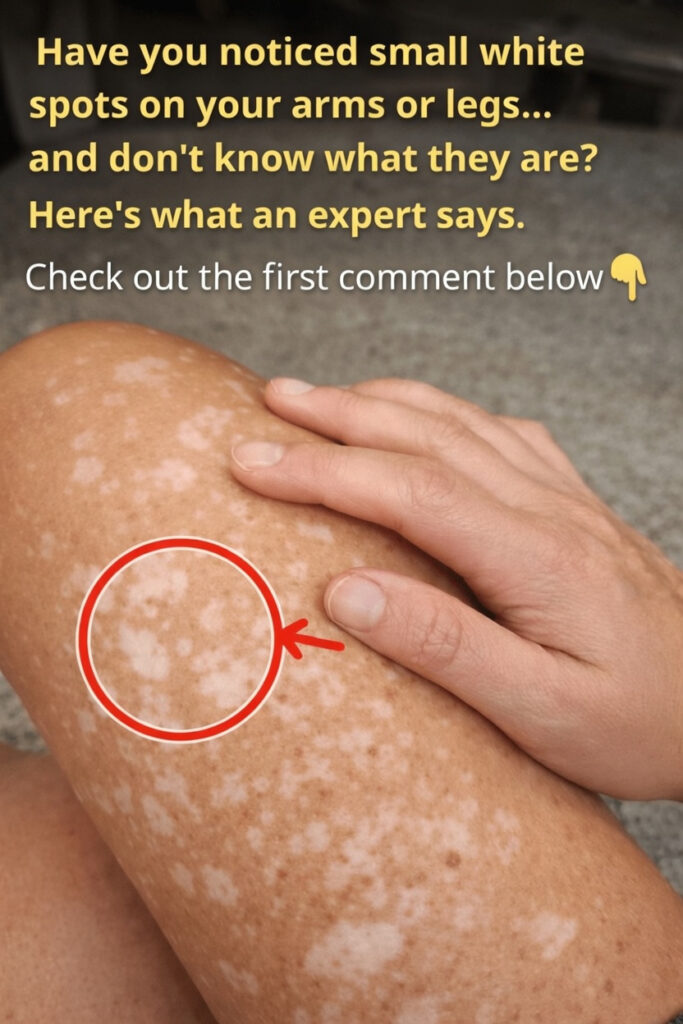
Why White Patches Appear on the Skin After 40
Seeing lighter areas on your arms, chest, shoulders, or back can be unsettling, especially if they seem to appear out of nowhere. Many adults over 40 notice uneven skin tone after years of sun exposure or during hot, humid weather. These pale spots often become more obvious when the surrounding skin tans, which can make them feel even more noticeable.
Understanding what may be causing these changes can make them feel less alarming. In many cases, white spots on the skin are linked to common, everyday factors rather than anything severe. With the right information and a few supportive habits, it becomes easier to manage skin tone changes with confidence.
A Common Skin Change That Often Appears Gradually
Skin pigmentation shifts rarely happen all at once. Often, the complexion looks normal for years, and then small light patches begin to show up on areas that receive the most sun, such as the forearms, upper back, chest, or shoulders. Some spots may feel dry or slightly rough, while others are smooth and only become obvious in brighter light or during summer.
Studies suggest that visible pigment changes affect a significant number of people worldwide. Certain causes, especially those related to yeast imbalance, are seen more often in warm and humid climates. The reassuring part is that many of these skin changes are associated with familiar environmental and lifestyle influences.
Tinea Versicolor: A Common Yeast-Related Cause
One frequent explanation for pale patches on the chest, shoulders, or back is tinea versicolor. This condition develops when Malassezia, a yeast naturally present on the skin, grows more than usual. It tends to thrive in heat, humidity, and sweaty conditions.
These patches may look lighter than the surrounding skin, or sometimes slightly pink or tan. They can also have a fine, subtle scale. Many people first notice them after a beach trip, during the summer, or in tropical climates when nearby skin darkens but the affected areas do not.
Habits that many people find helpful include:
- Using a gentle cleanser
- Keeping the skin as cool and dry as possible
- Wearing breathable clothing
- Applying sunscreen daily
Research has shown that this condition is more noticeable in people living in tropical and subtropical regions.
Idiopathic Guttate Hypomelanosis: The “White Sun Spots”
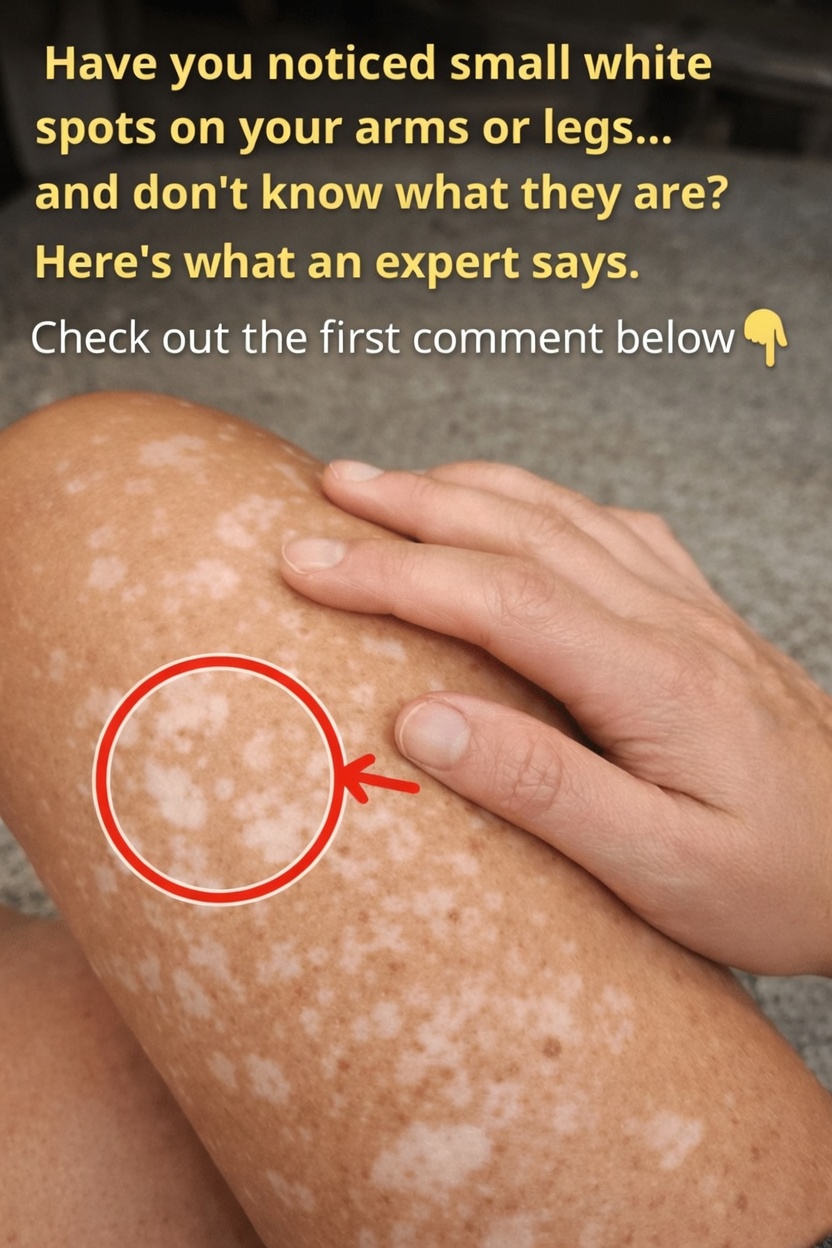
If you notice tiny, round, porcelain-white dots on the arms, legs, or shins, these may be idiopathic guttate hypomelanosis, often called white sun spots. These small spots are especially common after long-term sun exposure and tend to become more frequent with age, particularly after 40.
They are usually flat, painless, and sharply defined. Experts believe they are related to cumulative ultraviolet exposure that gradually affects the skin’s pigment-producing cells in sun-exposed areas.
A useful self-check is to compare skin that is regularly uncovered outdoors with areas that are usually protected by clothing. If the lighter spots mainly appear where the sun hits most often, sun exposure may be a major factor.
Pityriasis Alba: Often Connected to Dryness and Mild Irritation
Another possibility is pityriasis alba, which appears as pale, slightly scaly patches, commonly on the face, cheeks, or arms. It is often associated with dry skin or mild eczema-like irritation. In some cases, the area begins as a faint pink patch and gradually becomes lighter over time.
Although it is more common in children and teenagers, adults can also develop it, especially when the skin barrier is weakened by weather changes, dryness, or sensitivity.
Supportive habits often include:
- Moisturizing regularly
- Avoiding harsh soaps
- Using fragrance-free skin care products
- Protecting the skin from sun exposure
Quick Comparison of Common Causes of White Spots
| Cause | Common Areas | Typical Look | Often Noticed When |
|---|---|---|---|
| Tinea versicolor | Back, chest, shoulders | Pale or slightly pink patches, sometimes scaly | During warm, humid weather |
| Idiopathic guttate hypomelanosis | Arms, legs, shins | Small round white spots | After years of sun exposure |
| Pityriasis alba | Face, cheeks, arms | Light, mildly scaly patches | In dry weather or after irritation |
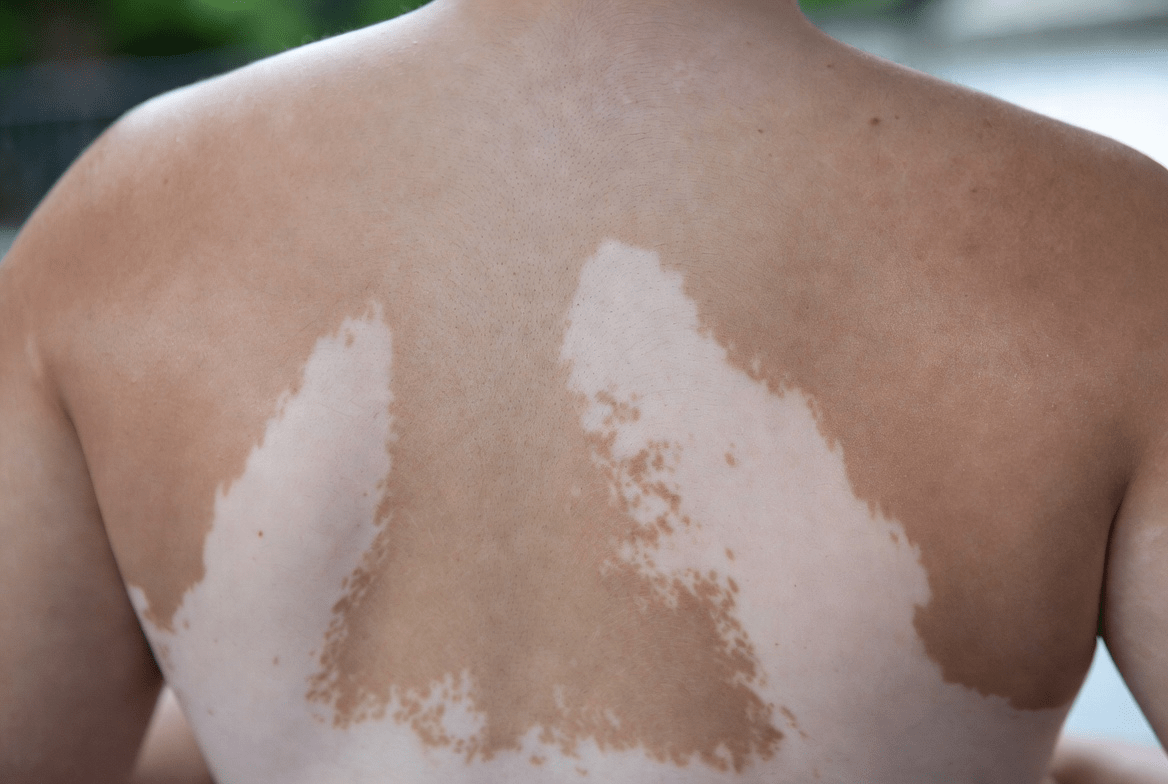
Vitiligo: Distinct White Patches from Pigment Loss
Vitiligo causes clearly defined white patches where pigment is lost. These spots may begin small and can spread over time. It is generally considered an autoimmune-related condition, meaning the body’s immune response affects the cells responsible for skin color.
Vitiligo can occur anywhere on the body, though many people first notice it on the hands, face, around the mouth, or near joints. Research continues to examine the roles of genetics, immune activity, and environmental triggers.
Early awareness often helps people feel more prepared to care for the cosmetic and emotional side of the condition.
Milia: Tiny White Bumps That Are Often Confused with Spots
Not all white marks are flat. Milia are tiny, firm, white cysts that form when keratin becomes trapped beneath the surface of the skin. They commonly appear around the eyes, on the cheeks, or on the forehead.
Unlike pigment-related patches, milia are slightly raised and feel like tiny beads under the skin. They are harmless and very common in adults, especially as natural skin turnover slows with age.
Some people choose to:
- Use gentle exfoliation
- Avoid very heavy creams around the eyes
- Keep skin care simple in areas prone to bumps
Post-Inflammatory Hypopigmentation: Light Marks After Healing
Sometimes pale areas are left behind after the skin recovers from irritation or injury. This is known as post-inflammatory hypopigmentation. It happens when pigment production temporarily decreases during the healing process.
Common triggers include:
- Eczema flare-ups
- Acne
- Minor burns
- Scratches or skin irritation
- Healing rashes
With time, sun protection, and supportive skin care, many of these areas gradually blend more evenly with the surrounding skin.
Daily Habits That May Help Support More Even Skin Tone
Simple routines can make a meaningful difference in how visible these changes appear and how well the skin recovers.
Many people find the following habits useful:
- Apply a broad-spectrum sunscreen with SPF 30 or higher every morning
- Moisturize consistently to support the skin barrier
- Avoid scrubbing, picking, or over-exfoliating affected areas
- Wear protective clothing during long periods outdoors
- Take photos in the same lighting each week to monitor changes
Other Factors That May Contribute
Nutrition may also play a supporting role in overall skin health. Some research has explored possible links between vitamins such as B12 and D and pigment changes, although findings are not always consistent. Even so, balanced meals, hydration, and general wellness remain important foundations for healthy skin.
Other less common causes can include:
- Progressive macular hypomelanosis
- Localized pigment changes after cosmetic or medical skin procedures
- Genetic influences
- Pigment changes in sensitive or intimate areas that should be assessed professionally
One simple but valuable reminder: sun protection matters all year, not just in summer. Daily UV exposure can slowly contribute to pigment irregularities even on cloudy days.
When It’s Time to Seek Professional Advice
Although many white spots on the skin are harmless, some changes deserve closer attention. It may be a good idea to consult a dermatologist if the patches:
- Appear suddenly
- Spread quickly
- Change in texture
- Become itchy, inflamed, or uncomfortable
- Occur along with other symptoms
A dermatologist can help distinguish between common conditions such as tinea versicolor, vitiligo, sun spots, or post-inflammatory hypopigmentation and suggest a more personalized plan.
A practical timeline many people use is:
- First 1 to 2 weeks: Photograph the areas once a week in the same lighting
- Daily: Use moisturizer and broad-spectrum sunscreen
- After 1 month or sooner if concerned: Schedule a skin evaluation if the patches continue changing
Key Takeaway
White spots and pale patches on the skin are very common, especially after 40. In many cases, they are related to familiar causes such as sun exposure, yeast imbalance, dryness, or marks left behind after skin irritation.
Learning what may be behind these skin changes can reduce unnecessary worry and make it easier to focus on healthy daily habits. Regular sunscreen use, gentle cleansing, and consistent moisturizing are simple steps that many people find helpful.
Small actions done consistently can go a long way in helping you feel more comfortable and in control of your skin.
FAQ
1. Are white spots on the skin usually serious?
Most white spots are not serious and are often related to common issues like sun exposure, dry skin, yeast overgrowth, or healing after inflammation. Still, if the spots spread quickly or look unusual, it is worth getting them checked.
2. Can sun exposure cause white spots?
Yes. Long-term UV exposure can contribute to white sun spots, also known as idiopathic guttate hypomelanosis, and can make other pale patches more noticeable by darkening the surrounding skin.
3. How can I tell if a white spot is flat or raised?
Flat white areas are often linked to pigment changes, while raised white bumps may be milia. Texture can be an important clue in telling the difference.
4. Do white patches go away on their own?
Some do improve over time, especially post-inflammatory hypopigmentation or mild dryness-related patches. Others, such as white sun spots or vitiligo, may persist without changing much.
5. What is the best daily habit for preventing new spots from standing out?
Consistent use of broad-spectrum sunscreen is one of the most effective everyday habits for helping maintain a more even-looking skin tone.