Tonsil Stones: The Hidden Cause of Persistent Bad Breath
You brush carefully, floss every day, and still deal with bad breath that keeps returning. It can be frustrating, especially when gum, mints, and mouthwash only seem to help for a short time. If this sounds familiar, the issue may not be your brushing routine at all. In many cases, the real cause is hidden in the tonsils: small hardened buildups called tonsil stones.
The good news is that this is a common problem, and once you understand it, it becomes much easier to manage. Better yet, one simple prevention habit near the end of this article may completely change how you approach your daily routine.
What Are Tonsil Stones?
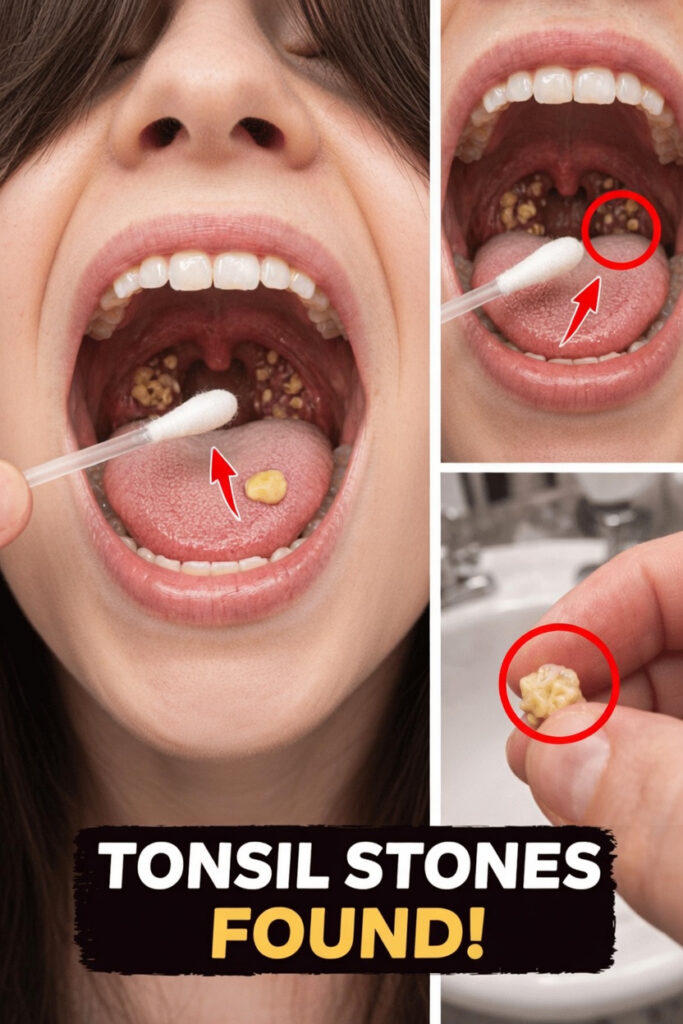
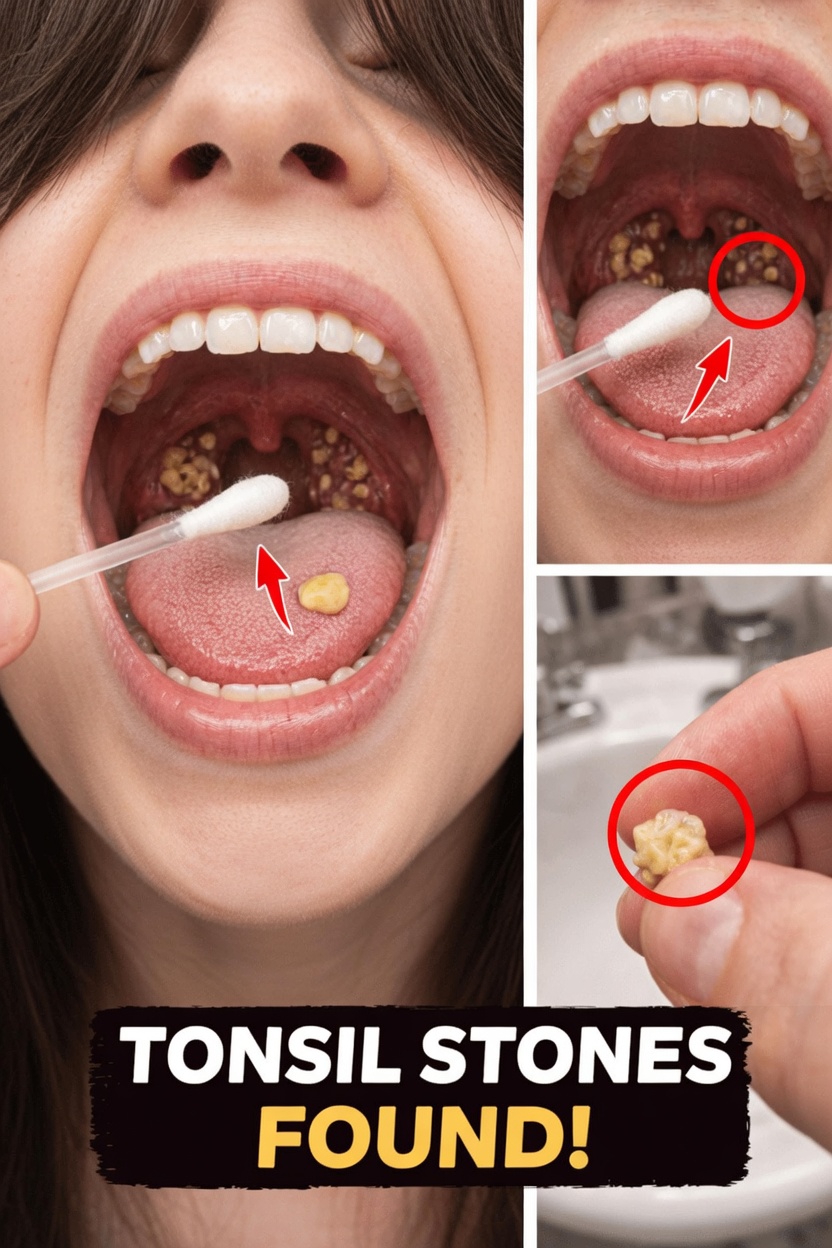
Tonsil stones, also known as tonsilloliths, are small calcified deposits that develop inside the natural folds of the tonsils. They are usually white or yellowish and form from a mix of food debris, dead cells, mucus, and bacteria that gradually harden over time. Many people describe them as looking like tiny pebbles or grains lodged in the back of the throat.
Your tonsils are the two soft tissue structures located on each side of your throat. Their job is to help your body defend against infection. However, because their surface contains many tiny pockets and crevices, they can easily trap material. When that trapped matter stays in place long enough, it can turn into a stone.
Although tonsil stones may seem like a modern discovery because of social media and close-up online images, they are not new. People have likely experienced them for generations. Often, they only become noticeable when symptoms like bad breath start interfering with everyday life.
Why Do Tonsil Stones Form?
The main reason tonsil stones develop is the structure of the tonsils themselves. Deep tonsil crypts can collect:
- Food particles
- Mucus
- Bacteria
- Dead cells
As time passes, minerals in saliva harden this trapped material, creating calcified stones. Studies suggest they are more common in people with larger tonsil crypts or a history of repeated throat infections.
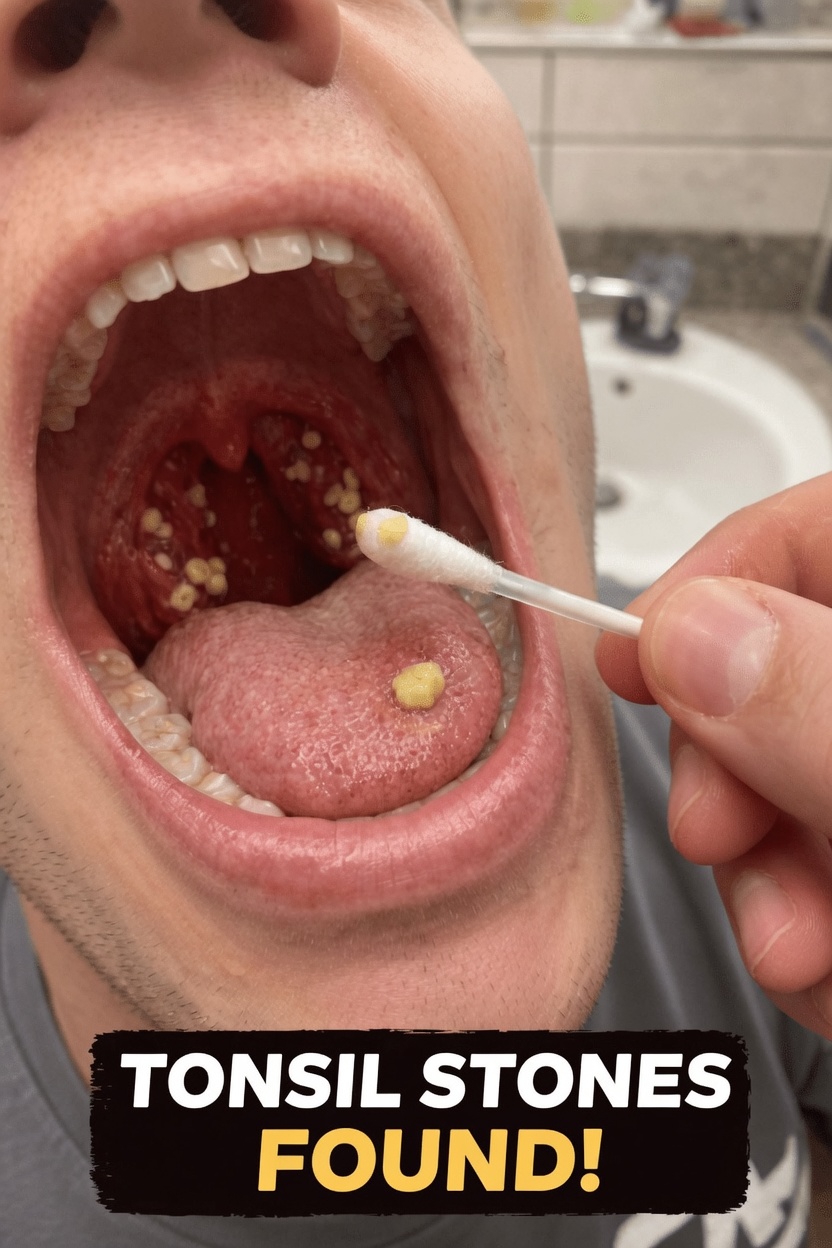
There are also other factors that can increase the likelihood of formation. For example, post-nasal drip caused by allergies or sinus issues may bring extra mucus into the throat, giving bacteria more material to feed on. Oral hygiene can influence the problem as well, though even people with excellent dental habits may still get tonsil stones if their tonsils naturally trap debris.
Research has shown that tonsil stones are more common than many people think, with some estimates suggesting they affect up to 10% of the population.
Lifestyle habits can make a difference too. Dehydration may thicken saliva, allowing debris to remain in the tonsil pockets longer. People who have had chronic tonsillitis may also have scar tissue or deeper crevices, which creates even more places for buildup to hide. This helps explain why some individuals experience repeated tonsil stones while others never seem to develop them.
Symptoms You Might Not Immediately Connect to Tonsil Stones
Tonsil stones do not always cause dramatic symptoms. In many cases, they go unnoticed for a long time. When symptoms do appear, they can feel vague or easy to mistake for allergies, irritation, or a mild infection.
Common signs include:
- Chronic bad breath that does not improve with brushing
- The feeling that something is stuck in the throat
- Minor throat irritation or soreness
- Ear discomfort, often on one side
- White or yellow spots visible on the tonsils
- Frequent coughing or repeated throat clearing
Because these symptoms can come and go, many people do not realize tonsil stones are involved. However, oral health research has highlighted that the bacteria inside these stones can release sulfur compounds, which are a major cause of persistent unpleasant breath. If you have struggled with odor that mints cannot cover, tonsil stones may be the missing explanation.
How to Check for Tonsil Stones at Home Safely
You do not need any specialized tools to look for tonsil stones, but you should always be gentle. Stand in front of a mirror in a well-lit room, open your mouth wide, and use a flashlight to inspect the back of your throat. If tonsil stones are present, you may notice small white or yellow bumps on the tonsils.
Some people try to remove visible stones using a clean cotton swab, but this should only be done very carefully and without force. Pressing too hard can irritate the tissue or cause discomfort.
A safer at-home routine includes:
- Gargle with warm salt water first to help loosen debris.
- Use a bright light and mirror to examine both tonsils.
- If you spot a possible stone, avoid aggressive poking.
- Try gentle gargling again rather than forcing it out.
- Make sure your hands and any tools are completely clean.
Home checks should be for awareness, not aggressive treatment. If the area looks unusual, painful, swollen, or difficult to assess, it is best to have a medical professional evaluate it.
Daily Habits That May Help Prevent Tonsil Stones
The encouraging part is that prevention does not usually require extreme measures. In many cases, simple daily habits can reduce buildup in the tonsil crypts and lower the chance of stones forming. Research into oral health and the oral microbiome supports the value of consistent hygiene and hydration.
Helpful habits include:
- Drink water regularly throughout the day to support healthy saliva flow
- Brush your teeth and tongue twice a day using a soft toothbrush
- Gargle with warm salt water after meals to help clear leftover particles
- Use a water flosser if recommended, especially to clean areas brushing may miss
- Limit dairy before bedtime if it seems to worsen mucus production for you
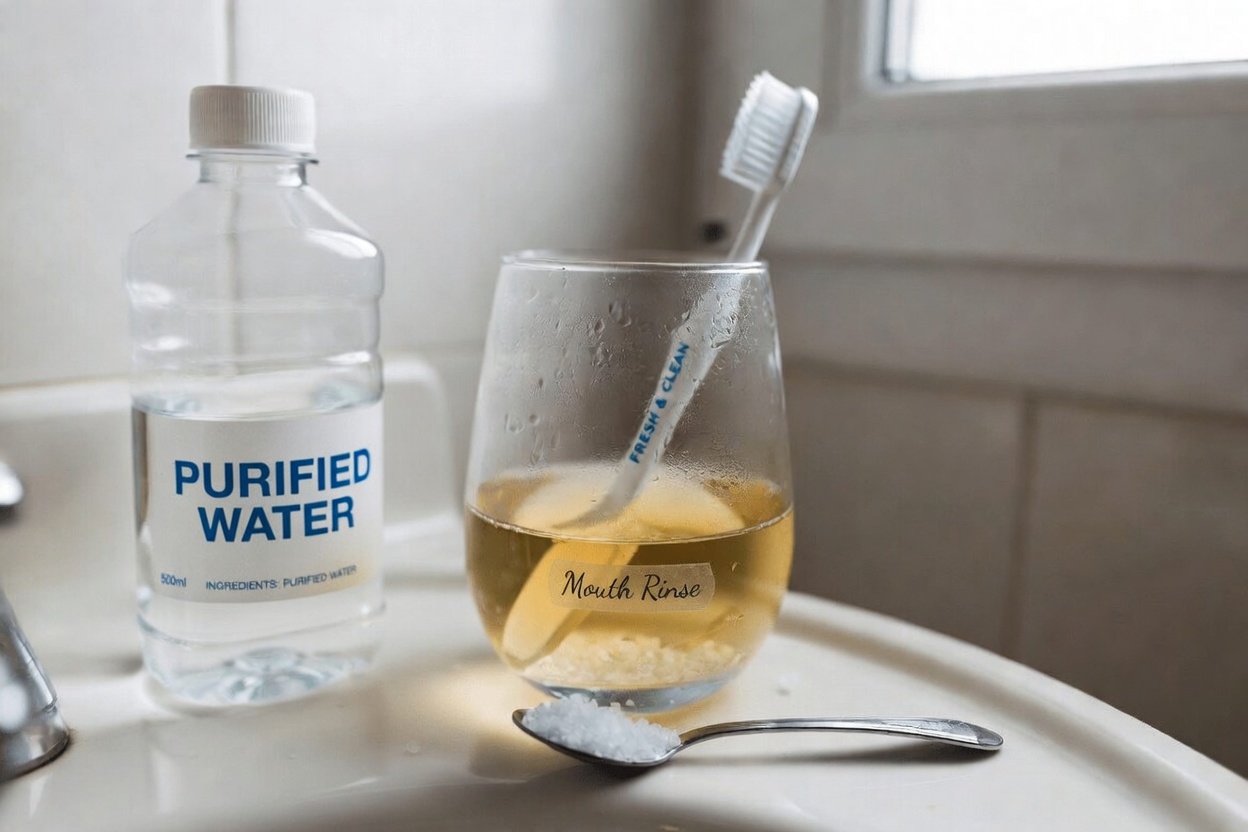
One of the most important points is this: consistency matters more than perfection. You do not need an elaborate routine. What matters most is following habits you can maintain over time. Some studies have noted that people who stay well hydrated and gargle regularly report fewer throat-related problems overall.
In other words, the goal is not to control every possible trigger. It is to build simple habits that make tonsil stones less likely.
When to Seek Professional Help
Tonsil stones are usually harmless, but there are situations where professional advice makes sense. Consider speaking with an ear, nose, and throat specialist if you experience:
- Repeated tonsil stones despite good daily care
- Ongoing throat discomfort
- Swelling that does not improve
- Pain during swallowing
- Symptoms that affect your confidence, sleep, or quality of life
A doctor can examine the area, rule out other causes, and recommend safe next steps. In some cases, they may offer gentle removal methods or discuss longer-term options for people with frequent recurrence.
It is always worth paying attention to symptoms that continue over time. Many people feel reassured after a simple examination confirms that the issue is manageable and not something more serious.
Tonsil Stones and Your Overall Health
Tonsil stones are not just an isolated nuisance. They may reflect an oral environment that needs a little more support. Factors such as diet, hydration, mucus production, and even stress can affect how the body handles bacteria and debris in the throat.
It helps to think of the mouth as the entrance to the rest of the body. When you support oral health with practical, everyday choices, the benefits often extend beyond fresher breath. You may also feel more comfortable speaking closely with others, notice less throat irritation, and even sleep better without that bothersome sensation in the back of the throat.
Final Thoughts
Tonsil stones can be the overlooked reason why bad breath persists even when brushing and flossing are part of your routine. Once you understand what they are, how they form, and which daily habits help reduce them, you are already in a stronger position to manage the problem.
Small changes often lead to meaningful results. And that simple prevention tip mentioned earlier? For many people, gargling with warm salt water every night before bed has made a noticeable difference. It is easy, inexpensive, and surprisingly effective for keeping the throat cleaner and clearer.
Frequently Asked Questions
Are tonsil stones dangerous over time?
In most cases, tonsil stones are harmless and do not cause serious long-term health issues. They are usually more annoying than dangerous, although persistent or uncomfortable cases should be checked by a professional.
Can tonsil stones really cause ongoing bad breath?
Yes. The bacteria trapped inside tonsil stones can produce sulfur compounds, which are strongly linked to stubborn bad breath. Many people notice fresher breath once the stones are reduced or removed and prevention habits are improved.
What daily changes may help stop tonsil stones from forming?
Simple lifestyle habits can make a real difference. Drinking more water, brushing the teeth and tongue consistently, gargling with salt water, and managing mucus from allergies or sinus issues may all help lower the chance of new tonsil stones developing.