Why Your Blood Sugar May Stay High Even When You Eat Well
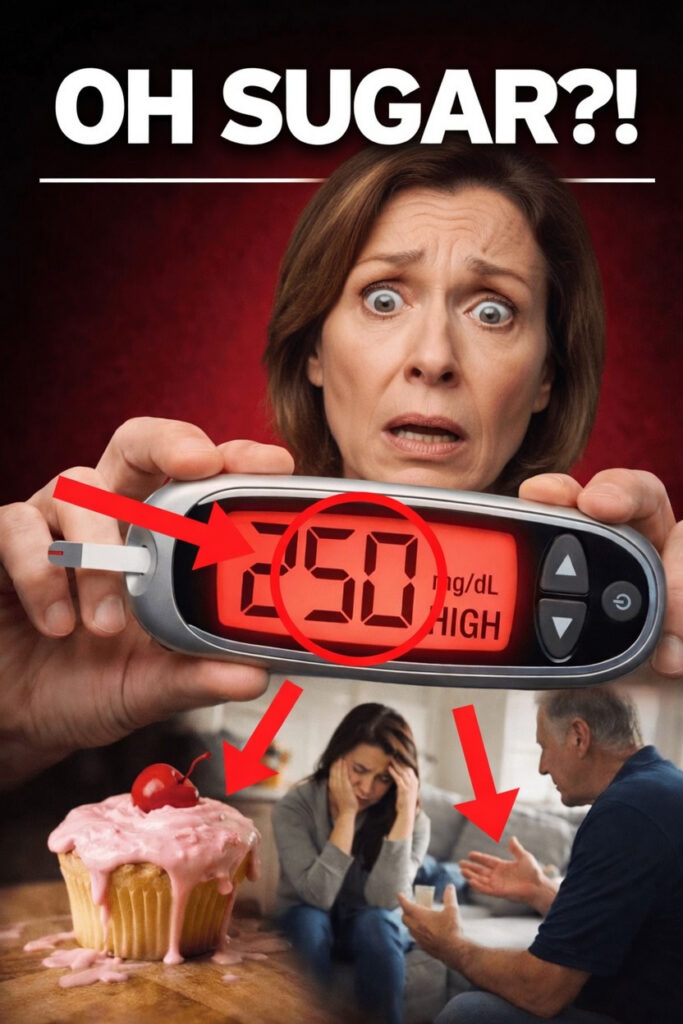
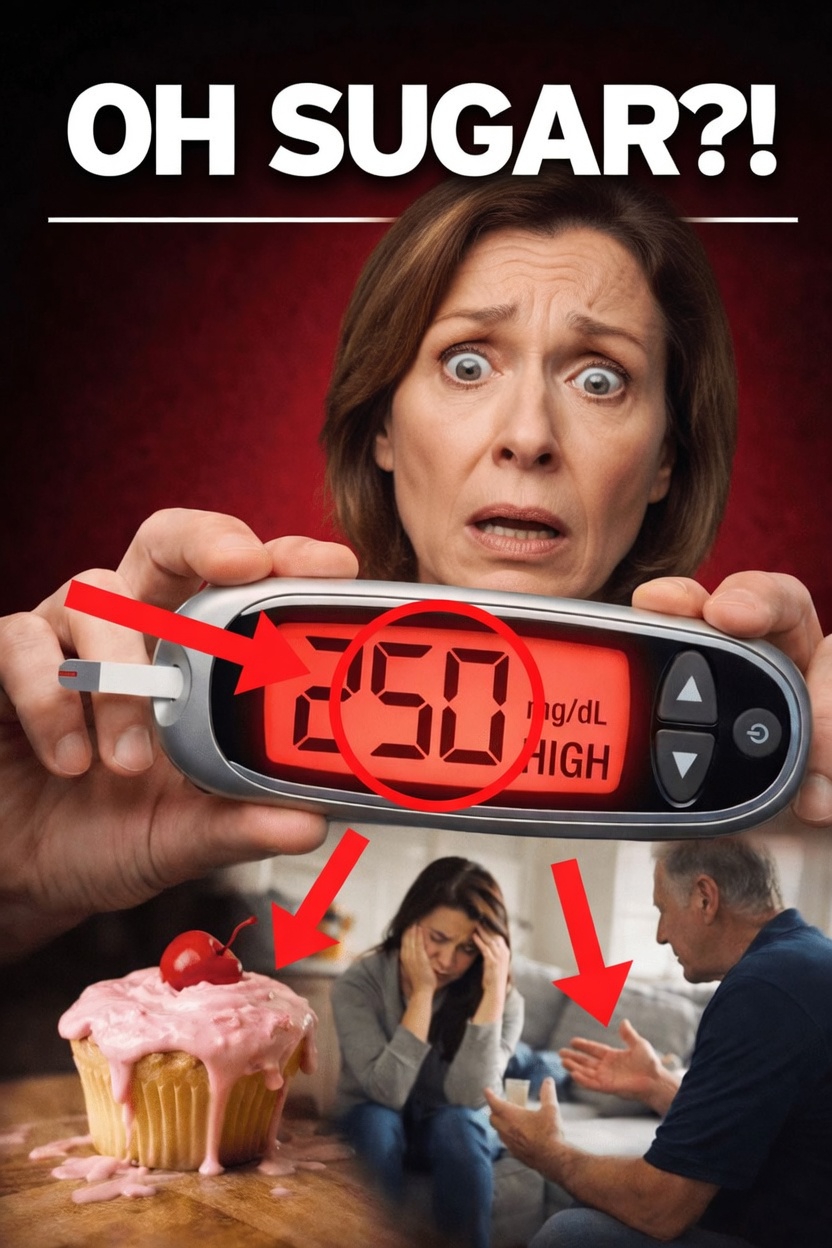
You may be eating less sugar, controlling portions, and following what seems like a healthy meal plan, yet your blood sugar still refuses to improve. That can feel discouraging. When your effort does not match your glucose readings, it is easy to feel exhausted, anxious, and unsure about what to eat next.
The important thing to know is this: food is only one part of blood sugar control. Several common daily factors can quietly push glucose levels higher, even when your diet looks good on paper. By understanding these overlooked influences, you may find the missing piece that helps bring your numbers into a better range.
Why Diet Is Not the Whole Story
Many people believe that reducing carbohydrates should automatically lower blood sugar. In reality, the body is affected by much more than food alone. Hormones, sleep, hydration, medication use, and everyday routines all play a role in how glucose is regulated.
Medical sources such as the Mayo Clinic and the American Diabetes Association have highlighted that these less obvious triggers are common. If your readings stay elevated despite healthy eating, these hidden causes may be part of the reason.
7 Hidden Reasons Your Blood Sugar May Still Be Elevated
These often-overlooked issues can interfere with your progress and make daily glucose checks more frustrating than expected.
1. Ongoing Stress and High Cortisol Levels
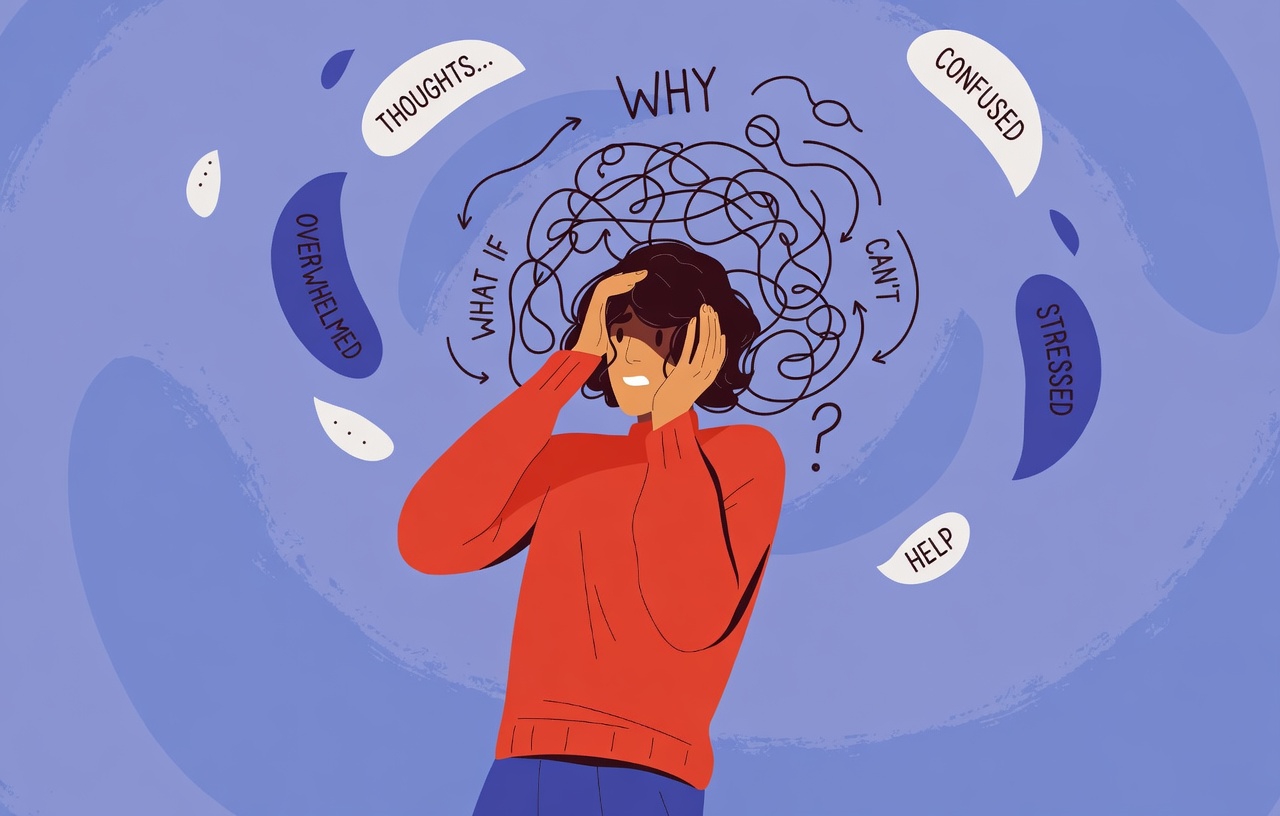
When you are constantly dealing with pressure, worry, deadlines, or family responsibilities, your body releases cortisol. This stress hormone tells the liver to send stored glucose into the bloodstream for quick energy.
That means stress can raise blood sugar even if your meals are well balanced. It is not simply an emotional reaction. It is a real biological process that many people do not notice until their readings stay high without a clear food-related cause.
2. Poor Sleep Quality or Too Little Sleep
A single restless night can affect how your body responds to insulin. Studies suggest that getting less than the recommended 7 to 8 hours of sleep can increase insulin resistance the following day.
If you wake up often, struggle to fall asleep, or sleep for too few hours, your body may have a harder time moving glucose out of the blood and into the cells. This is one reason morning blood sugar may stay high even after a healthy dinner.
3. Dehydration
Not drinking enough water can make blood sugar more concentrated in the bloodstream. According to public health guidance from the CDC, even mild dehydration may contribute to higher glucose levels.
Many adults drink coffee, tea, or other beverages throughout the day but still do not get enough plain water. That small habit can have a bigger effect on blood sugar than many realize.
4. Hidden Carbohydrates and Fat Combinations
Some foods that seem harmless can lead to longer-lasting glucose spikes. Items such as flavored yogurt, pizza, creamy sauces, fried foods, and processed snacks often contain a mix of carbohydrates and fats.
This combination can slow digestion and extend the blood sugar rise for hours. In other words, it is not always just the carb count that matters. The fat-carb pairing can make glucose stay elevated much longer than expected.
5. The Dawn Phenomenon
In the early morning, usually between about 3 a.m. and 8 a.m., the body naturally releases hormones such as cortisol and growth hormone to help you wake up and prepare for the day.
For people managing diabetes or blood sugar issues, this natural hormone surge can cause the liver to release extra glucose. The Mayo Clinic describes this as the dawn phenomenon. It is normal, but it can lead to higher fasting blood sugar, even when you did everything right the night before.
6. Other Medications You Are Taking
Certain medicines can temporarily increase blood sugar. These may include steroids, some cold medicines, diuretics, and even a few nonprescription products.
If your readings started climbing after an illness or after starting a new medication, the cause may not be your diet at all. It is a good idea to ask a doctor or pharmacist whether a medication could be affecting your glucose levels.
7. Irregular Habits Such as Skipping Breakfast or Poor Oral Care
Small daily habits can also make blood sugar harder to control. Skipping breakfast or going too long without eating may cause larger glucose swings later in the day.
Oral health matters too. Gum disease and poor dental hygiene can cause ongoing inflammation, and that inflammation may interfere with healthy blood sugar control. These details seem minor, but over time they can make a meaningful difference.
Simple Ways to Support More Stable Blood Sugar
The encouraging news is that you do not need extreme changes to make progress. Small adjustments in your routine can help address the hidden causes listed above.
Try these practical steps:
- Lower daily stress with 10 minutes of deep breathing, stretching, a short walk, meditation, or gentle yoga.
- Improve sleep consistency by keeping a regular bedtime, dimming lights at night, and avoiding screens for an hour before bed.
- Drink more water throughout the day, aiming for about 8 to 10 glasses unless your healthcare provider recommends otherwise.
- Read food labels carefully and watch for meals or snacks that combine refined carbs with high amounts of fat.
- Stay physically active with 20 to 30 minutes of moderate movement on most days, such as walking or cycling.
- Review your medications with a healthcare professional if you suspect they are affecting your blood sugar.
- Eat breakfast within the first hour after waking and choose a meal that includes protein and fiber.
- Maintain good oral hygiene by brushing and flossing daily and keeping up with dental checkups.

Common Habits That May Work Against You
Here is a quick look at everyday habits that can stall progress, along with smarter alternatives.
Better Swaps for Blood Sugar Support
-
Skipping breakfast
- Why it may be a problem: Can lead to bigger blood sugar spikes later
- Better choice: Eat a balanced breakfast with protein and fiber
-
Eating one large dinner
- Why it may be a problem: Large meals high in fat and carbs can keep glucose elevated longer
- Better choice: Choose smaller, balanced meals across the day
-
Drinking coffee all day and very little water
- Why it may be a problem: Can contribute to dehydration and more concentrated blood sugar
- Better choice: Alternate coffee with water or unsweetened herbal tea
-
Late-night snacking
- Why it may be a problem: May interfere with overnight blood sugar regulation
- Better choice: Finish eating 2 to 3 hours before bedtime
Key Takeaway
If you are already working hard on your diet, you are not failing. Blood sugar management is influenced by more than food alone. Stress, sleep, hydration, medication, meal timing, and even dental health can all affect your numbers.
Paying attention to these hidden factors can help you feel more in control and may lead to steadier results over time. In many cases, the most effective changes are not dramatic. They are the small, consistent habits you repeat every day.
Frequently Asked Questions
Can stress by itself raise blood sugar?
Yes. Long-term stress increases cortisol, and that hormone encourages the liver to release glucose. Even with a healthy diet, chronic stress can make blood sugar harder to manage.
Can the dawn phenomenon be prevented?
The dawn phenomenon is a normal body process, so it cannot always be eliminated completely. However, meal timing, physical activity, and medication adjustments may help reduce its effect. Speak with your healthcare provider for personalized guidance.
How can I tell whether dehydration or hidden ingredients are affecting my blood sugar?
Start by tracking your daily water intake and keeping a simple food log. Write down what you eat, when you eat it, and how your blood sugar responds. Many people notice improvements within a few days when they drink more water and reduce foods that combine heavy fats with refined carbs.
Important Medical Disclaimer
This article is for informational purposes only and should not be considered medical advice, diagnosis, or treatment. Blood sugar management is highly individual. Always consult your healthcare provider before changing your diet, exercise routine, or medications.