
Tylenol Side Effects: What You Should Know Before Taking Acetaminophen
Many people reach for Tylenol to ease headaches, muscle pain, or fever because it seems like one of the safest over-the-counter choices available. That sense of familiarity can make it easy to use without much thought. However, even common medications can cause problems when dosing instructions are overlooked or when other risk factors are involved. What starts as simple pain relief can become a bigger concern if you do not fully understand how the body handles acetaminophen.
The encouraging part is that a little awareness goes a long way. With a few smart daily habits, you can use Tylenol more confidently and reduce the risk of unwanted side effects. One of the most important habits, and one many people miss, is checking labels carefully before taking any medicine.
What Tylenol Is and Why So Many People Use It
Tylenol contains acetaminophen, a pain reliever and fever reducer that has been a staple in households for years. Many people prefer it because it can help with common aches and fever without causing the stomach irritation often linked to some other pain medications. That convenience explains why millions of people use it regularly.
Still, being widely used does not mean it should be taken casually. Acetaminophen is processed primarily by the liver, and when it is used correctly, most adults tolerate it well. Problems are more likely to happen when someone takes too much, combines multiple acetaminophen-containing products, or ignores underlying health factors.
Understanding these basics is the first step toward using Tylenol safely.

The Biggest Risk: Liver Damage
The most serious concern associated with acetaminophen is its effect on liver health, especially when the recommended daily amount is exceeded. Health authorities generally state that adults should not go over 4,000 milligrams within 24 hours, although many medical professionals recommend staying closer to 3,000 milligrams per day for added safety.
The risk rises further when high doses are taken repeatedly or when acetaminophen is combined with alcohol. This combination can place extra stress on the liver and increase the chance of injury.
Warning signs of possible liver trouble may show up within hours or by the following day. Symptoms can include:
- Nausea
- Pain or discomfort in the upper abdomen
- Yellowing of the skin or eyes
- Unusual fatigue
If any of these symptoms appear, getting medical help quickly is essential. Early treatment can make a major difference.
It is also important to remember that many people use Tylenol without any issue at all when they follow instructions carefully. The key is knowing your personal risk, especially if you have liver disease, drink alcohol regularly, or take other medications.
Other Tylenol Side Effects to Watch For
Serious side effects are not common when Tylenol is used correctly, but there are still a few reactions worth knowing about. Being informed can help you respond quickly if something feels wrong.
Possible side effects may include:
- Allergic reactions, such as rash, hives, swelling of the face, or trouble breathing
- Kidney problems linked to long-term use of high doses, sometimes noticed through fatigue or changes in urination
- Blood pressure changes in people who already have hypertension, especially with frequent daily use
- Rare blood-related effects, including lower levels of certain blood cells
For most people, these issues never happen. Still, understanding the warning signs can give you peace of mind and help you use acetaminophen more responsibly.
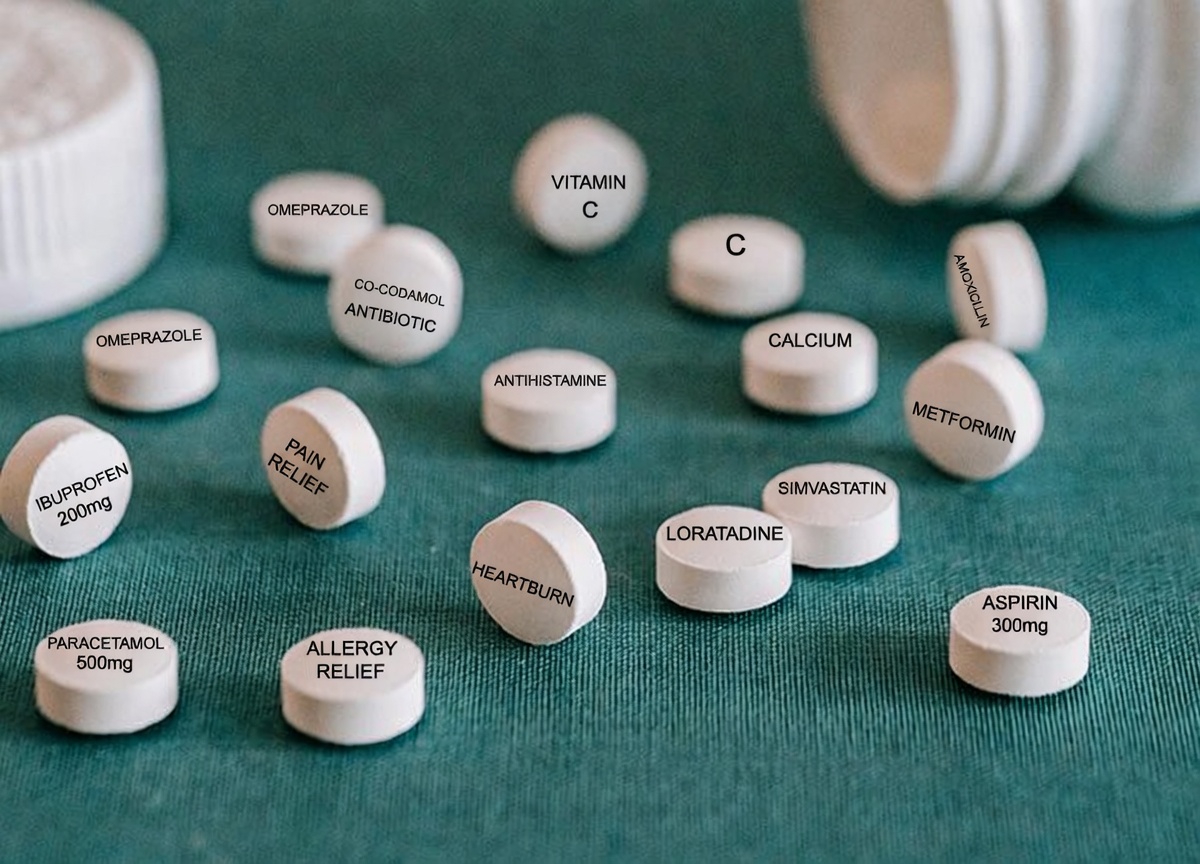
Another important point is that Tylenol is not the only product that contains acetaminophen. Many cold medicines, flu formulas, and nighttime remedies include it as well. This is one of the main reasons people accidentally take too much.
Why Reading Labels Matters More Than You Think
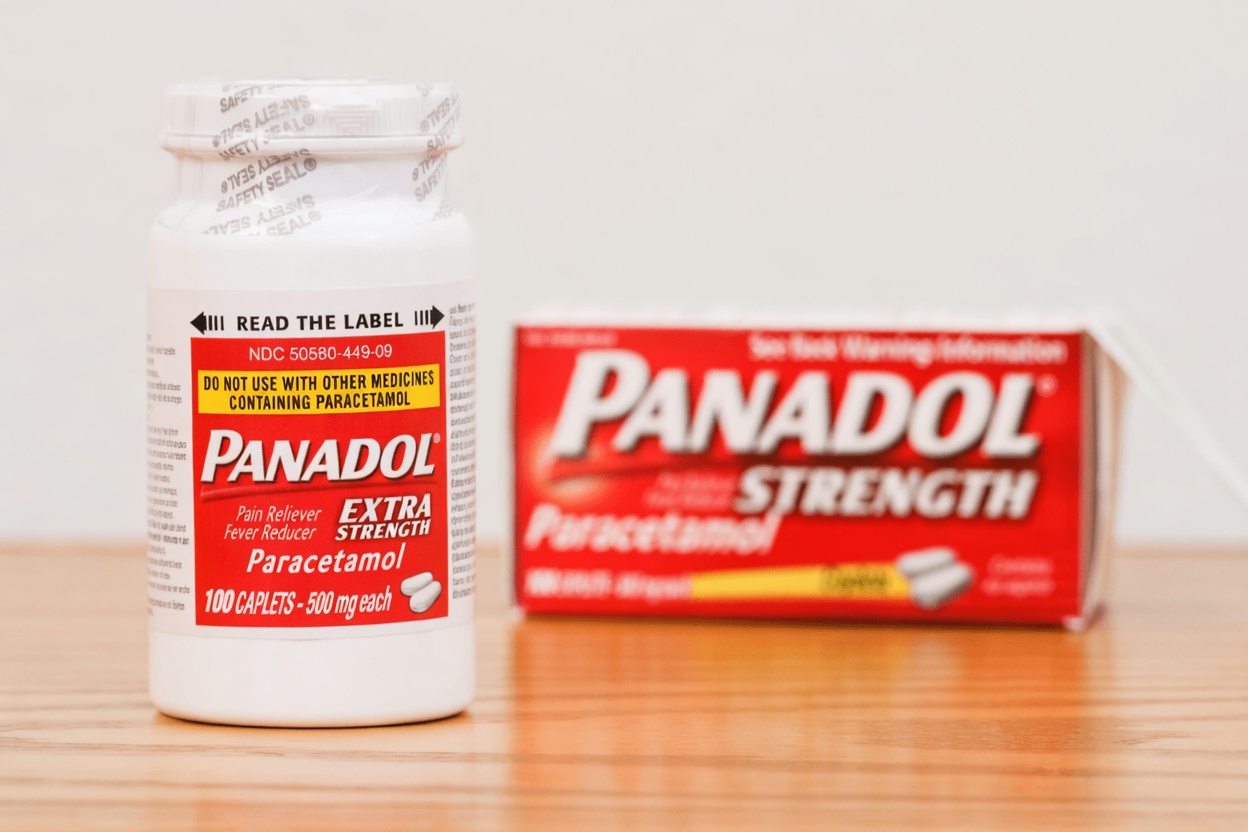
Take a look at the medicines you keep at home. A cough syrup, flu treatment, or pain-and-fever product may already contain acetaminophen. If you take that along with regular Tylenol, your total dose can climb higher than intended without you realizing it.
The easiest way to avoid this is to make label-checking a habit every single time. It takes less than a minute, but it can prevent accidental overuse.
Health experts, including those at the FDA, consistently stress the importance of reading ingredient lists and dosage instructions. If you drink alcohol, this becomes even more important. Mixing alcohol with acetaminophen should be avoided because it can increase the burden on the liver.
Daily Habits That Help You Use Tylenol Safely
If you want to lower your risk and feel more confident when using acetaminophen, these simple habits can help:
-
Read the label every time
- Even familiar products can change their ingredients or strength.
-
Keep track of your total daily dose
- Use your phone, a note app, or paper to record how much you have taken.
-
Set a lower personal maximum
- Many people choose to stay under 3,000 milligrams per day unless their healthcare provider advises otherwise.
-
Avoid alcohol while taking Tylenol
- This helps reduce unnecessary liver stress.
-
Use only one acetaminophen product at a time
- Do not stack cold medicine, pain relievers, and sleep aids without checking ingredients.
-
Ask a pharmacist or doctor if you are unsure
- A quick question can prevent mistakes and provide guidance based on your health history.
These small habits are easy to build into your routine and can make a significant difference over time.
Safe Habits vs. Risky Habits
Here is a quick comparison that makes safe use easier to remember.
Safe Daily Habits
- Taking only one acetaminophen-containing product at a time
- Tracking each dose clearly
- Skipping alcohol while using it
- Checking labels regularly
Habits to Avoid
- Mixing several pain or cold medicines without reading ingredients
- Guessing how much you have taken
- Drinking alcohol while using acetaminophen
- Assuming all extra-strength products are the same
Even small adjustments in your daily routine can help protect your health and reduce unnecessary stress.
What to Do If You Think Something Is Wrong
If you notice nausea, stomach pain, yellowing of the eyes or skin, or any unusual reaction after taking Tylenol, do not wait to see if it passes. Stop taking the medication and contact a healthcare professional immediately.
If you believe you may have taken too much acetaminophen, call poison control or seek emergency medical care right away. Hospitals can treat acetaminophen overdose effectively, especially when it is caught early. Fast action is one of the most important factors in recovery.
Final Thoughts: A Little Caution Can Go a Long Way
Learning about Tylenol side effects is not about being afraid to use it. It is about using a familiar medicine more wisely. When you follow dosage instructions, avoid mixing products, read labels, and pay attention to your body, acetaminophen can remain a helpful option for pain and fever relief.
The real benefit comes from the small choices you make every day. Those simple habits can protect your liver, reduce side effect risks, and help you feel more in control of your health.
Frequently Asked Questions
Is it safe to take Tylenol every day for chronic pain?
Some people use Tylenol for short periods without problems, but long-term daily use should be discussed with a healthcare provider. They can review your health history, current medications, and overall risk before recommending the best approach.
How can I tell if I accidentally took too much acetaminophen?
Early symptoms often include nausea, vomiting, or pain in the upper stomach area within the first 24 hours. If you are unsure whether you took too much, contact poison control or a doctor immediately. Quick action is extremely important.
Do children and older adults follow the same dosing rules?
No. Children’s doses are based on body weight, and accurate measuring is essential. Older adults may also need extra caution because the body can process medications differently with age. A pharmacist or doctor can help determine the safest dose for each person.
Important Note
This article is for educational purposes only and should not be considered medical advice. Always speak with a qualified healthcare professional before changing your medication routine or if you have concerns about your health.