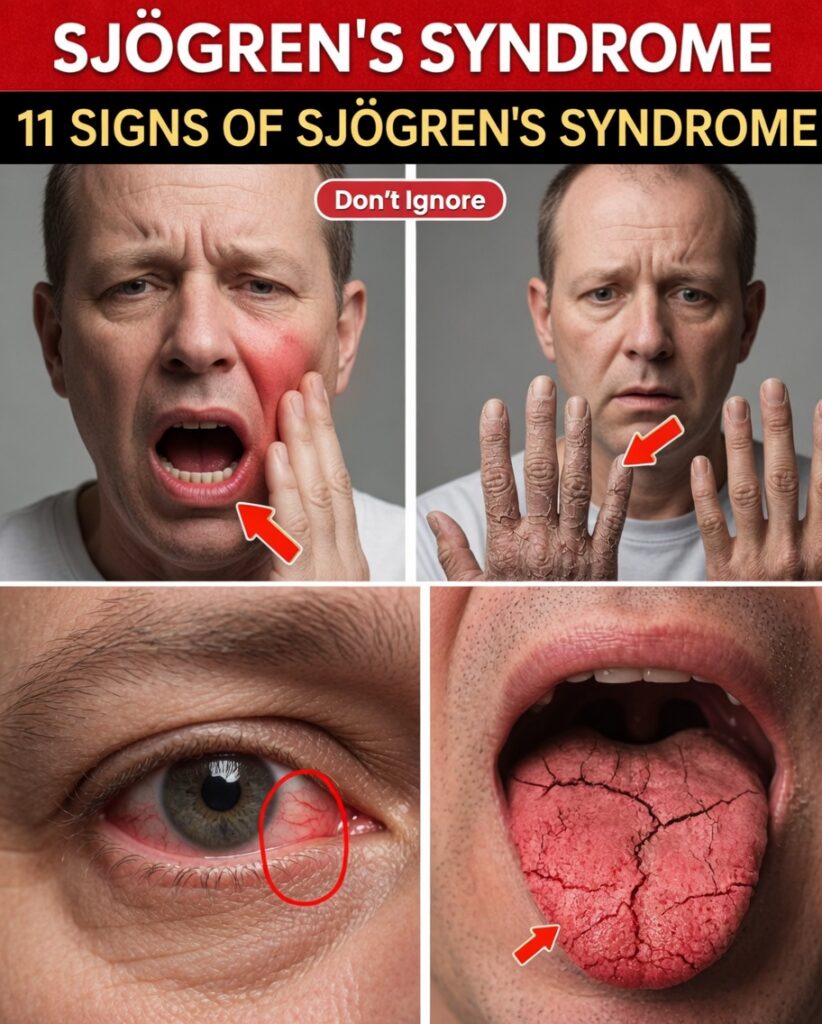
8 Subtle Signs of Sjögren’s Syndrome You Might Be Ignoring
Waking up with eyes that sting like they’re full of grit and a mouth so dry it’s hard to say “good morning” can be far more than a rough night. These everyday frustrations can interfere with work, conversations, and even enjoying a simple meal, leaving you tired, distracted, and self-conscious. For many people, these symptoms reflect an autoimmune process that interferes with the body’s ability to produce moisture.
There’s an important insight that can help you make sense of what you’re feeling—and it becomes much clearer when you see how eight key signs often fit together in ways most people never notice.
What Is Sjögren’s Syndrome?
Sjögren’s syndrome is an autoimmune disease in which the immune system mistakenly attacks the glands that produce moisture—especially the tear and salivary glands. The Mayo Clinic identifies reduced tear flow and decreased saliva as the classic features, but the condition can influence far more than just your eyes and mouth.
According to the National Institute of Arthritis and Musculoskeletal and Skin Diseases (NIAMS), Sjögren’s syndrome:
- Affects people of all ages but is most common in women over 40
- Often appears alongside other autoimmune disorders, such as rheumatoid arthritis or lupus
- Does not follow a single pattern—symptoms can fluctuate, intensify, ease up, and return
Many people live with the symptoms for years, treating each issue separately, without realizing they may all be part of the same underlying condition.
8 Signs Your Body May Be Pointing to Sjögren’s Syndrome
These signs usually surface slowly, and it’s the overall pattern—not just one symptom—that can offer the clearest clue. Here’s a closer look at each one.
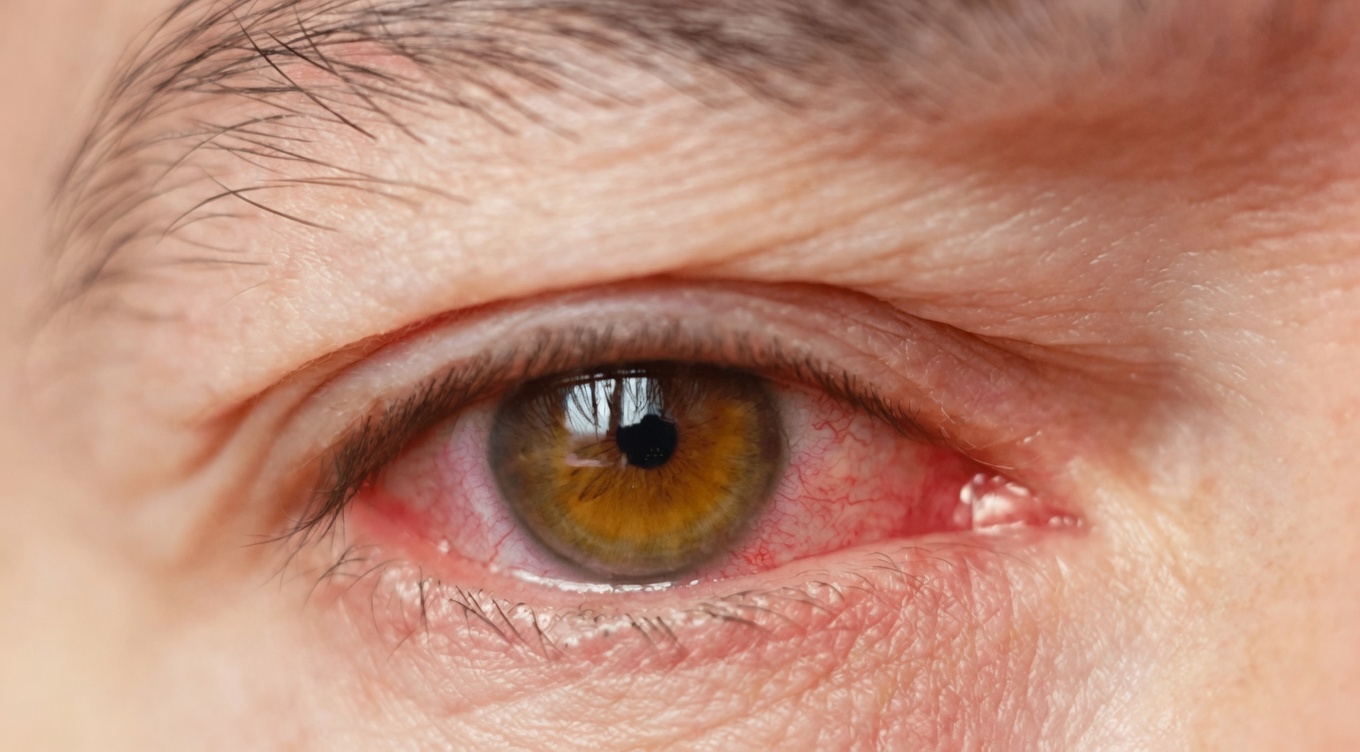
1. Dry, Gritty, or Burning Eyes
Your eyes may feel like they’re full of sand, sting, itch, or burn—even when you’re not exposed to smoke, wind, or dust. You might notice:
- Temporary blurry vision
- Sensitivity to bright light
- Needing to blink or use eye drops constantly
This often occurs because the tear glands aren’t producing enough tears or the tears lack the right balance to keep the surface of the eye properly lubricated. Night driving, reading, or working on a screen can become exhausting, not just inconvenient.
2. Uncomfortably Dry Mouth
People often describe it as a “cotton mouth” sensation that simply doesn’t go away. You may find that:
- Swallowing dry foods feels difficult
- Speaking for long periods becomes uncomfortable
- You frequently wake at night to drink water
The Mayo Clinic notes that reduced saliva—your mouth’s natural protection against bacteria and decay—lies at the root of this dryness. Beyond discomfort, this lack of moisture can set the stage for other changes in your oral health.
3. Persistent Fatigue That Doesn’t Lift With Sleep
You might get a full night of sleep and still wake up feeling like your energy never fully recharges. Research from NIAMS highlights fatigue as one of the most common complaints beyond dryness. This type of tiredness can:
- Make routine tasks feel overwhelming
- Lower motivation and concentration
- Influence mood and emotional resilience
In many cases, this fatigue is closely linked to the body’s continual immune system activity, not just poor rest.
4. Aching or Stiff Joints and Muscles
Pain, stiffness, or swelling in the fingers, wrists, knees, or shoulders can show up without any clear injury. You may notice:
- Stiffer joints in the morning
- Discomfort after periods of inactivity or activity
- Trouble with everyday movements like opening jars or typing
Mayo Clinic resources list joint pain and stiffness as frequent companions of Sjögren’s syndrome. While aches can occur with aging, persistent or unexplained joint issues warrant closer attention—especially when combined with dryness and fatigue.
5. Color Changes in Fingers or Toes (Raynaud’s Phenomenon)
If your fingers or toes turn white, blue, or purple in response to cold or stress, you may be experiencing Raynaud’s phenomenon. This can involve:
- Numbness, tingling, or a “pins and needles” sensation
- Color changes that shift from white to blue to red
- Discomfort as blood flow returns
Although Raynaud’s can occur on its own, it is also frequently seen alongside autoimmune conditions, including Sjögren’s syndrome. The visible color changes often make people suspect a broader, systemic issue.
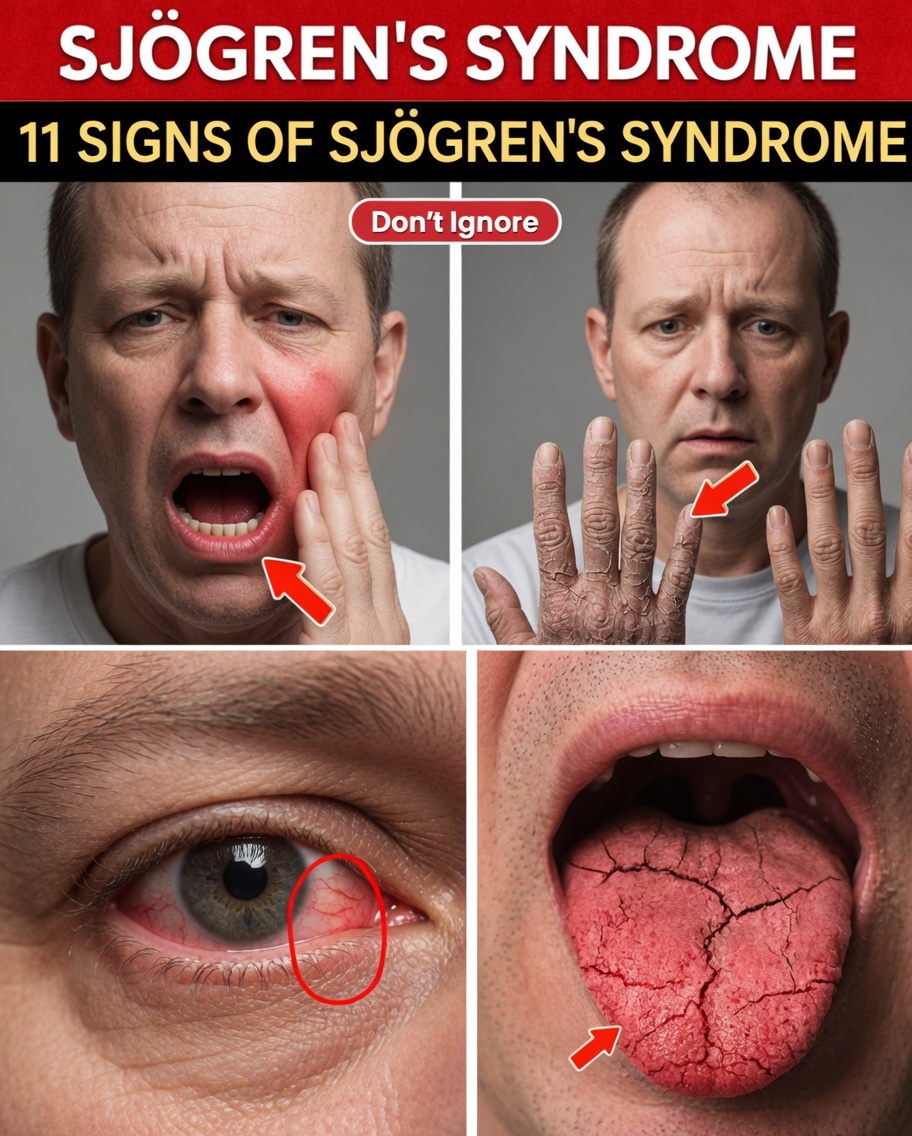
6. Swelling or Tenderness Near the Jaw
Salivary glands around the ears and under the jaw can become enlarged or sore, especially around mealtimes. You might feel:
- Puffiness in front of the ears or beneath the jawline
- Mild to moderate tenderness in these areas
- Swelling that comes and goes over time
When this gland swelling appears together with chronic dry mouth, it can be an important clue that the salivary glands themselves are involved.
7. A Cracked, Dry, or Sore Tongue
Your tongue may look or feel different than usual. Common changes include:
- A red, smooth, or fissured (cracked) appearance
- Pain, burning, or roughness
- Reduced ability to taste food fully
These symptoms reflect the lack of adequate moisture in the mouth. Beyond the visual change, discomfort can interfere with enjoying food and may increase anxiety around eating out or social gatherings.
8. Increasing Dental Problems
You may suddenly find yourself needing more dental work than before. Typical issues include:
- More frequent cavities
- Sensitive or inflamed gums
- Mouth sores or recurrent oral infections
With less saliva to neutralize acids and flush away food particles, teeth and gums are more vulnerable. The Mayo Clinic highlights this connection between Sjögren’s syndrome and oral health problems. For many people, an uptick in dental issues is one of the earliest signs that something more than “just dryness” is happening.
When several of these symptoms appear together—especially dry eyes, dry mouth, fatigue, and joint pain—they form a more recognizable pattern.

How These Symptoms Interact and Affect Daily Life
Research suggests that dryness, pain, and fatigue often reinforce each other, creating a cycle that can touch nearly every part of daily life. Many people describe:
- Difficulty enjoying meals with family and friends
- Avoiding conversations or social events because talking or swallowing is uncomfortable
- Struggling with reading, computer work, or screen time due to eye irritation
- Feeling embarrassed about cracked lips, a dry tongue, or frequent sipping of water
- Having less energy for hobbies, exercise, or social plans
These experiences can be emotionally draining, especially when symptoms are dismissed as “just getting older” or “being tired.” Recognizing the pattern can be the first step toward getting appropriate evaluation and support.
Importantly, these signs can overlap with other autoimmune conditions, which is why looking at the full picture—not just one symptom in isolation—matters so much.
Simple Steps You Can Take Right Now
If several of these signs sound familiar, a few practical actions can help you track what’s happening and prepare for a more productive discussion with a healthcare professional:
-
Keep a daily symptom log
Note when dryness, fatigue, pain, or color changes in your fingers occur, and how intense they are. -
Identify possible triggers
Pay attention to whether symptoms worsen with cold weather, certain foods, stress, long screen time, or specific activities. -
Support moisture where you can
- Sip water regularly throughout the day
- Consider over-the-counter artificial tears or eye lubricants
- Use saliva substitutes or sugar-free lozenges if advised by a professional
-
Monitor oral and skin changes
Record new dental problems, mouth sores, tongue changes, or skin sensations you haven’t noticed before.
These steps are not a substitute for medical care, but they can give your healthcare provider a clearer view of your symptoms over time.
The Overlooked Connection
Many people are surprised to learn that the symptoms of Sjögren’s syndrome can emerge slowly over many years. Dry eyes might appear first, then fatigue, then joint pain, with each issue treated separately. Recognizing how they fit together can:
- Help you seek evaluation earlier
- Support more accurate diagnosis and tailored treatment
- Give you a greater sense of understanding and control over your health journey
Seeing the pattern doesn’t mean you should panic—it means you can approach your care with greater clarity and confidence.
Frequently Asked Questions
Do these symptoms always stay the same, or can they come and go?
They often fluctuate. Many people notice that dryness, fatigue, or pain vary in intensity and may worsen with stress, illness, weather changes, or hormonal shifts. Even if symptoms fade and return, keeping track of them is valuable.
Who is most likely to experience these signs?
Studies show that Sjögren’s syndrome is more common in women over 40, but men and younger adults can also be affected. A personal or family history of autoimmune diseases may increase the likelihood, though anyone can develop the condition.
Do all symptoms need to appear together?
No. Some people start with only dry eyes or dry mouth, while others notice fatigue or joint pain first. Over time, additional symptoms may appear. Each person’s experience is unique, which is why paying close attention to your own body and patterns is so important.
Final Thoughts
Your body often sends signals when moisture production changes and energy reserves are strained. By recognizing these eight potential signs of Sjögren’s syndrome early, you gain insight that can lead to more informed, targeted conversations with healthcare professionals. Understanding what your symptoms might mean doesn’t just provide information—it can also restore a sense of direction and agency in your daily life.
Disclaimer: This article is for informational and educational purposes only and is not a substitute for professional medical advice, diagnosis, or treatment. Always consult a qualified healthcare provider with any questions you may have about your health or a medical condition.