
Many people rely on familiar medicines for pain relief, infections, or long-term conditions without realizing that some may place added strain on the liver—the organ responsible for filtering and processing much of what you ingest. Over time, this “quiet” pressure can contribute to unexplained fatigue, digestive discomfort, or concerns about long-term health, especially if you take multiple prescriptions or use over-the-counter products regularly. The good news: understanding medications that may potentially affect liver health helps you make safer, more informed choices.
These widely used drugs are generally effective and appropriate when taken correctly, but research consistently shows that awareness, monitoring, and early action can reduce the risk of drug-related liver stress.

Understanding Your Liver’s Role (and Why Medications Matter)
If you’re feeling unusually tired or experiencing on-and-off digestive issues, medications could be one factor—particularly for adults over 50 who are more likely to use several treatments at once.
Your liver’s job is to break down medications, convert them into forms your body can use, and help remove them safely. Some medications that may potentially affect liver health can make this process harder—especially at higher doses, during extended use, or when combined with other liver-stressing substances (including alcohol or certain supplements).
Drug-related liver issues are more common than many people assume, yet they’re often manageable when caught early. The most helpful step is knowing when to check in with a healthcare professional.

Early Warning Signs of Potential Liver Stress
Liver strain doesn’t always cause obvious symptoms at first. Subtle changes—like ongoing tiredness or lingering nausea—can sometimes appear before more noticeable signs.
Common early warning signs include:
- Persistent fatigue
- Yellowing of the skin or eyes (jaundice)
- Dark urine or pale stools
- Itching or abdominal discomfort
Research supports that early recognition improves outcomes. A simple symptom log (what you feel, when it starts, and what medications you’ve taken) can make it easier to spot patterns and share clear information with your clinician.
Here’s a quick reference guide:
| Early sign | What it might indicate | Suggested action |
|---|---|---|
| Fatigue | A common early response to liver stress | Track patterns and discuss with your doctor |
| Jaundice | Possible bilirubin buildup | Seek medical evaluation promptly |
| Dark urine / pale stools | Changes in bile processing | Note and report changes |
| Unexplained itching | Possible irritation or bile-related changes | Monitor; consult if persistent |
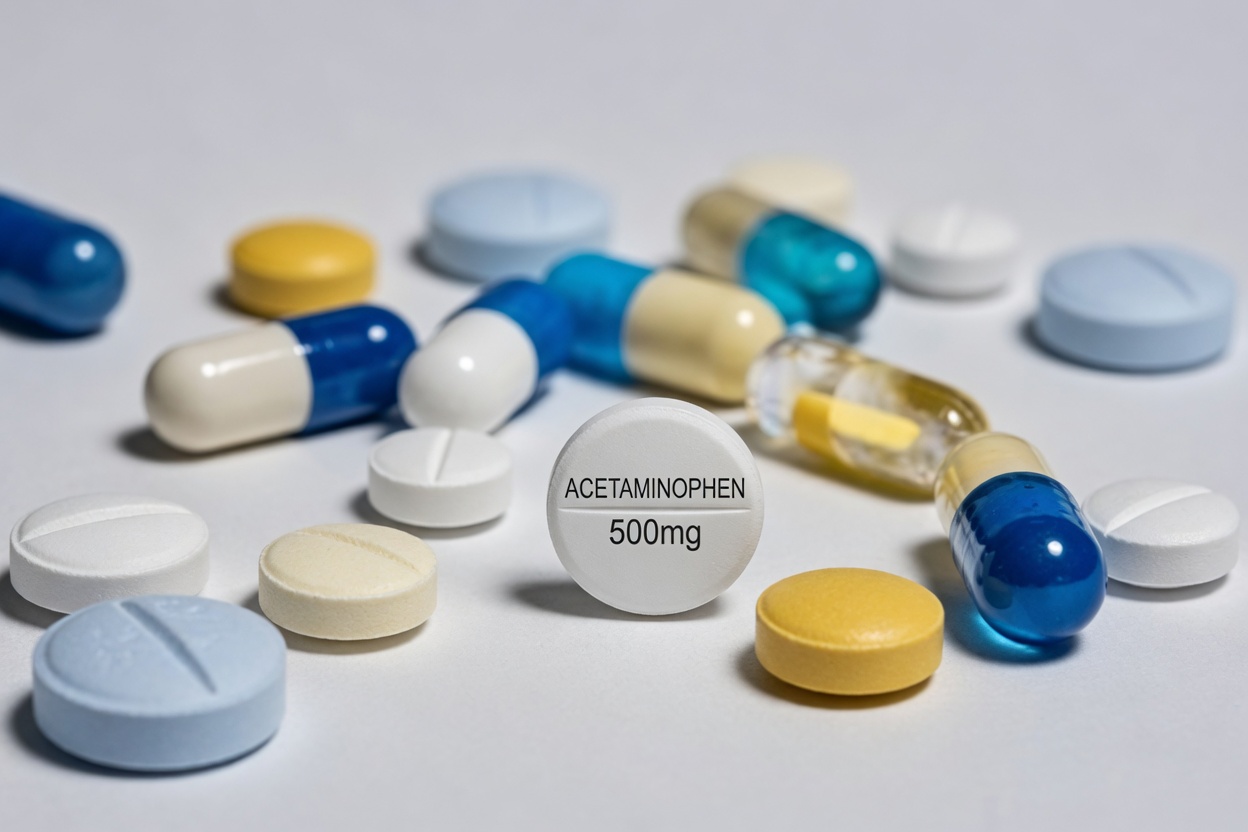
1. Acetaminophen: Effective Pain Relief That Requires Dose Awareness
Acetaminophen is a trusted choice for headaches, muscle aches, and fever, but research shows it’s also one of the leading causes of medication-related liver injury when taken above recommended amounts.
The risk often comes from unintentional overdose, such as taking multiple cold/flu products that also contain acetaminophen.
- Practical tip: Read labels carefully and track your total daily intake. Many guidelines cite 4,000 mg/day for adults as an upper limit, but some people may need a lower maximum based on age, liver history, or other medications.
2. Certain Antibiotics (e.g., Amoxicillin–Clavulanate)
Antibiotics are essential for treating bacterial infections, yet certain combinations—especially amoxicillin–clavulanate—are frequently highlighted in studies as antibiotics more commonly associated with liver-related side effects.
Most people use them without major problems, but it’s wise to:
- Monitor symptoms during the course
- Stay attentive to changes that appear after finishing the medication, as reactions can sometimes occur later
With early recognition and appropriate adjustments, many people recover fully.
3. Amiodarone: Heart Rhythm Control That Needs Regular Monitoring
Amiodarone can be highly effective for managing arrhythmias, but it may affect liver enzymes—particularly with long-term use. Because of this, clinicians commonly recommend routine blood tests to monitor liver function.
- Ask your cardiologist what testing schedule fits your situation, especially if you’re taking other medications that may potentially affect liver health.
4. Methotrexate: Common in Autoimmune Treatment (and Requires Liver Checks)
Methotrexate is widely used for conditions like rheumatoid arthritis and psoriasis. Since it can impact the liver over time, standard care often includes ongoing liver function monitoring.
Many treatment plans also include supportive measures such as folic acid supplementation, which can reduce certain side effects and improve tolerability (as advised by your clinician).
5. Allopurinol: A Key Medication for Gout Management
Allopurinol helps lower uric acid levels and is commonly prescribed for gout prevention. When starting treatment, it’s important to watch for early reactions and report any unusual symptoms promptly.
Helpful safety habits often include:
- Staying well-hydrated
- Using a gradual dose approach when recommended by your prescriber
6. Certain Antifungals (e.g., Fluconazole, Itraconazole)
Antifungal medications are effective for many fungal infections, but some can change liver enzyme levels, especially in higher doses or longer treatment periods.
In general, shorter courses tend to carry lower risk, while longer courses may require closer clinical follow-up.
7. Nonsteroidal Anti-Inflammatory Drugs (NSAIDs) (e.g., Diclofenac)
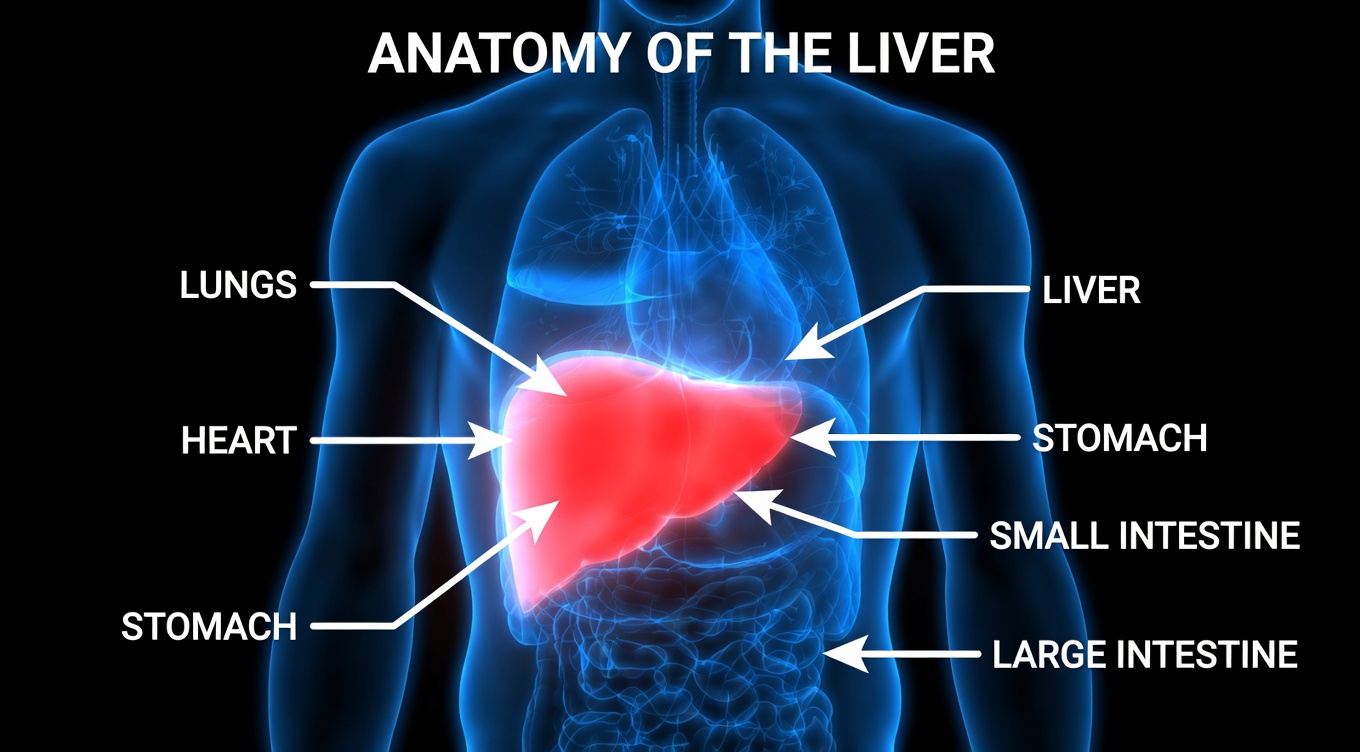
NSAIDs can reduce pain and inflammation, but some—such as diclofenac—are noted in research for a higher likelihood of liver-related side effects, particularly with prolonged or high-dose use.
If you need longer-term pain control, your clinician may discuss options such as:
- Short-term NSAID strategies
- Alternative medications
- Topical formulations, which may reduce whole-body exposure for some people
8. Certain Anti-Seizure Medications (e.g., Valproate, Phenytoin)
Some anti-seizure medications (also used in certain mood-stabilizing regimens) can affect liver function, so periodic liver testing is often part of safe, long-term care.
Consistent monitoring helps clinicians detect changes early and adjust treatment before problems escalate.
How to Support Liver Health While Taking Medications
You can’t always avoid medicines that may potentially affect liver health—but you can reduce risk with practical habits and good communication.
Key steps:
- Keep a complete list of all prescriptions, over-the-counter drugs, and supplements
- Schedule regular check-ups and recommended blood tests
- Stay hydrated and prioritize nutrient-rich, liver-supportive foods
- Avoid excessive alcohol
- Never change your dose or stop a medication without professional guidance
Here’s a simple overview:
| Medication type | Common use | Key monitoring tip |
|---|---|---|
| Acetaminophen | Pain/fever relief | Track total daily intake across all products |
| Certain antibiotics | Infections | Watch symptoms during and after treatment |
| Amiodarone | Heart rhythm issues | Regular liver function tests |
| Methotrexate | Autoimmune conditions | Enzyme checks; follow folic acid guidance |
| NSAIDs (e.g., diclofenac) | Pain/inflammation | Prefer shorter use or discuss alternatives |
Open, specific conversations with your healthcare provider about medications that may potentially affect liver health can lead to a safer plan tailored to your needs.
Final Thoughts
Knowing which common medications may potentially affect liver health can help you feel more confident—and protect your long-term wellness. Small actions like tracking symptoms, reviewing labels, and following a regular monitoring schedule can make a meaningful difference.
Choose one liver-friendly step today—your body will benefit from the support.
Frequently Asked Questions
Which medications most commonly affect liver health?
Acetaminophen is frequently linked to liver concerns when dosing exceeds recommended limits—often due to accidental overlap between products. Certain antibiotics and longer-term medicines such as amiodarone are also commonly monitored for liver effects.
How often should I get liver tests if I take these medications?
There isn’t a single schedule that fits everyone. For higher-risk medications, testing may be recommended every few months, but your clinician will base timing on your dose, duration, overall health, and other medications.
Are natural alternatives always safer for the liver?
No. “Natural” does not automatically mean liver-safe. Some supplements and herbal products can also affect liver function or interact with prescriptions, so it’s important to review any alternative options with a qualified professional.