Fatty Liver Disease (MASLD): A Growing Health Issue in the U.S.
Fatty liver disease—now more accurately called metabolic dysfunction–associated steatotic liver disease (MASLD)—is affecting an increasing number of adults across the United States. Current estimates suggest as many as 40% (or more) of U.S. adults may have MASLD, largely alongside rising rates of obesity, type 2 diabetes, insulin resistance, and other metabolic challenges.
What makes MASLD especially concerning is that it often begins without obvious symptoms. Fat can accumulate in the liver quietly for years, while many people assume subtle changes—like low energy or mild discomfort—are simply due to stress or getting older. Recognizing possible early signals matters, because lifestyle awareness and timely medical guidance can meaningfully support liver health.
Why MASLD Is Becoming More Common—and Why It Matters
Over the past decade, MASLD has become one of the most frequent causes of long-term liver problems in the U.S. Research commonly reports adult prevalence from about 25% to more than 40%, and forecasts suggest these numbers may continue to climb as metabolic risk factors become more widespread.
Your liver is essential for:
- Processing nutrients
- Filtering toxins
- Regulating energy and metabolism
When fat builds up in liver cells, these functions can become less efficient. Early MASLD may stay “silent,” but progression can be associated with inflammation and more serious liver changes.
Medical organizations such as the Mayo Clinic and Cleveland Clinic note that many people only discover MASLD after:
- Routine blood work shows elevated liver enzymes
- Imaging tests reveal fatty buildup in the liver
If you’re in your 30s, 40s, or older and noticing persistent fatigue or changes you can’t easily explain, it may be worth considering how your symptoms connect to broader metabolic health.
Why This Condition Is Often Missed
MASLD is easy to overlook because it develops gradually. You might push through a busy day and feel unusually drained later, assume it’s poor sleep, or notice your clothes fitting differently without making major diet changes.
Fatigue is frequently reported among people with MASLD and can significantly affect daily life. Because the liver is deeply involved in energy regulation, even mild impairment can leave you feeling “off.” The upside: Noticing early clues helps you have more productive conversations with a healthcare professional.
Before moving on, consider this: How does your energy today compare with your energy a few years ago? Even small shifts can be important.

10 Possible Signs of Fatty Liver Disease (MASLD)
1) Persistent Discomfort in the Upper Right Abdomen
Some people feel a dull ache, pressure, or fullness on the upper right side of the abdomen, where the liver sits. It may resemble mild indigestion or feel more noticeable after eating.
Clinicians explain this can occur when the liver is enlarged or mildly irritated. It’s often subtle, which is why many people dismiss it as stress, posture, or everyday digestive issues.
Tip: Note when it happens (after meals, at certain times of day) so you can share clear details during a medical visit.
2) Ongoing Fatigue That Doesn’t Improve with Rest
A very common complaint is persistent exhaustion, even after adequate sleep. This is more than typical tiredness—it may affect:
- Concentration
- Mood
- Motivation
- Daily productivity
Experts associate this with the liver’s reduced ability to support efficient metabolism and clearance of certain substances. If fatigue is consistently strong, it’s worth discussing with a clinician.
3) Reduced Appetite or Feeling Full Quickly
You may notice that foods you used to enjoy are less appealing, or that you feel satisfied after smaller portions. This can reflect shifts in appetite signaling and metabolism.
It often develops slowly—sometimes other people notice first because your eating habits change over time.

4) Unexplained Weight Changes
Some individuals experience unintentional weight loss, while others may notice weight gain, depending on metabolic patterns and eating changes.
Health sources commonly describe unexplained weight change as more concerning when it appears alongside other MASLD-related signs. Tracking trends over weeks (not just days) can help clarify what’s happening.
5) Occasional Nausea or Ongoing Digestive Upset
Symptoms like:
- Nausea
- Bloating
- Indigestion
- Reflux
…may happen more often than before. As MASLD progresses, digestion can feel increasingly unsettled, sometimes alongside other warning signs.
Keeping a brief symptom log (frequency, timing, triggers) can be surprisingly helpful.
6) General Muscle Weakness or Reduced Strength
Some people notice a gradual decline in stamina—everyday activities feel harder, and strength seems lower than expected. This can be related to disruptions in energy metabolism.
Because it often creeps in slowly, it’s easy to attribute to aging or being out of shape, but it may still deserve evaluation in context.
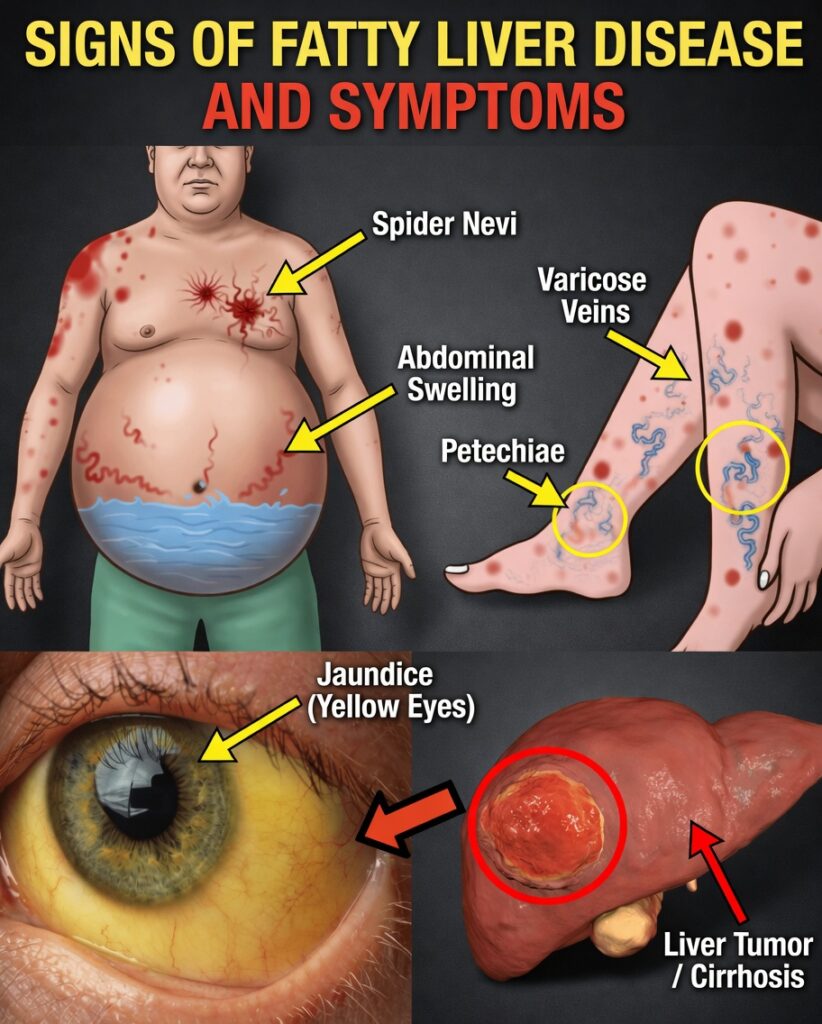
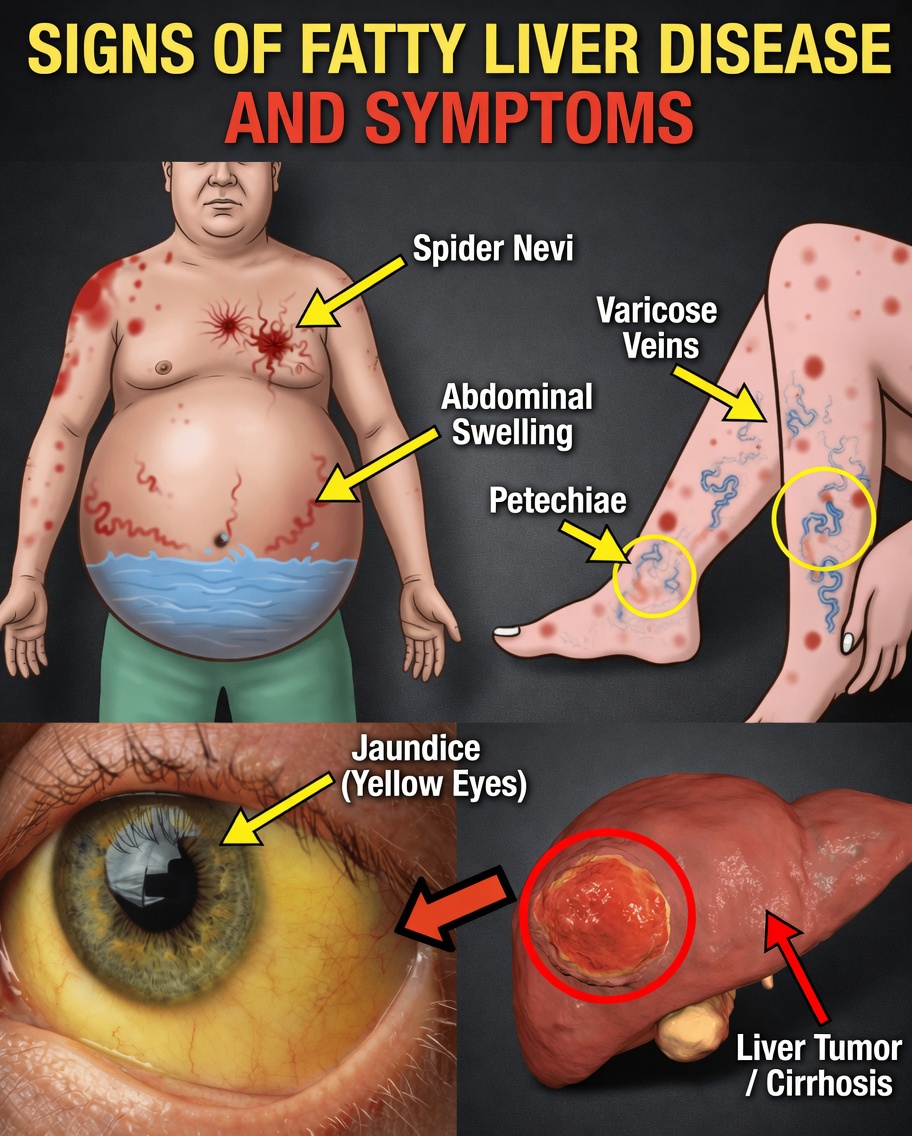
7) Yellowing of the Skin or Eyes (Jaundice)
A yellow tint in the skin or the whites of the eyes can indicate the body is struggling to process bilirubin properly. This is generally a more advanced and urgent warning sign.
If jaundice appears, seek medical care promptly.
8) Dark Urine
Urine that becomes noticeably darker than usual—sometimes described as tea- or orange-colored—can reflect changes in bile handling or bilirubin processing.
This sign is often more concerning when it appears alongside jaundice or other visible changes.
9) Swelling in the Legs or Abdomen
Fluid retention may lead to:
- Swollen ankles or legs
- Abdominal swelling or bloating that seems fluid-related
This is more typical of later-stage liver dysfunction and should be evaluated without delay.
10) Breast Tissue Changes in Men (Gynecomastia)
In some advanced cases, hormonal imbalance related to altered estrogen metabolism can contribute to enlarged breast tissue in men. It’s not among the most common signs, but it is a notable one and should be medically assessed.
Quick Reference: MASLD Signs at a Glance
-
Often earlier and subtle
- Upper right abdominal discomfort
- Persistent fatigue
- Reduced appetite / early fullness
- Unexplained weight changes
-
More advanced and higher urgency
- Nausea or frequent digestive upset
- Muscle weakness
- Jaundice
- Dark urine
- Leg/abdominal swelling
- Gynecomastia (in men)
If multiple symptoms are present or symptoms are worsening, urgency increases—early medical discussion can make a meaningful difference.
Practical Steps You Can Start Today to Support Liver Health
Daily habits play a major role in metabolic and liver health. Evidence-informed steps include:
- Build balanced meals with vegetables, fruits, whole grains, and lean proteins
- Move regularly, such as 30 minutes of walking most days (adjust to your ability)
- Reduce ultra-processed foods and added sugars
- Limit alcohol, especially if you have metabolic risk factors
- Stay hydrated and aim for gradual, sustainable weight management if needed
- Schedule routine checkups, particularly if you have obesity, diabetes, or lipid concerns
Small, consistent changes tend to be more effective than extreme short-term efforts. Monitor how your energy, digestion, and overall well-being shift over several weeks.
Conclusion: Take Control of Your Liver Health Early
Identifying possible signs of MASLD early creates opportunities for supportive action. With millions affected, you’re not alone—and awareness is one of the most powerful first steps.
If several signs in this guide feel familiar, consider contacting a healthcare professional for personalized evaluation and appropriate testing.
FAQ
What is the main cause of fatty liver disease (MASLD)?
MASLD is most often associated with metabolic dysfunction, including excess body weight, insulin resistance, high blood sugar, and elevated cholesterol or triglycerides. In many cases, alcohol is not the primary driver.
Can MASLD be detected early?
Yes. MASLD is often identified through:
- Blood tests (including liver enzymes)
- Imaging tests such as ultrasound
- Additional assessments during routine care, especially when risk factors exist
Who is most at risk?
Higher risk is seen in adults with:
- Obesity or central weight gain
- Type 2 diabetes
- High cholesterol or triglycerides
- Metabolic syndrome or related conditions
MASLD can still occur in a wide range of people, so symptoms and risk factors should be considered together.
Medical disclaimer: This article is for informational purposes only and does not replace professional medical advice, diagnosis, or treatment. Always consult a qualified healthcare provider regarding symptoms or health concerns.