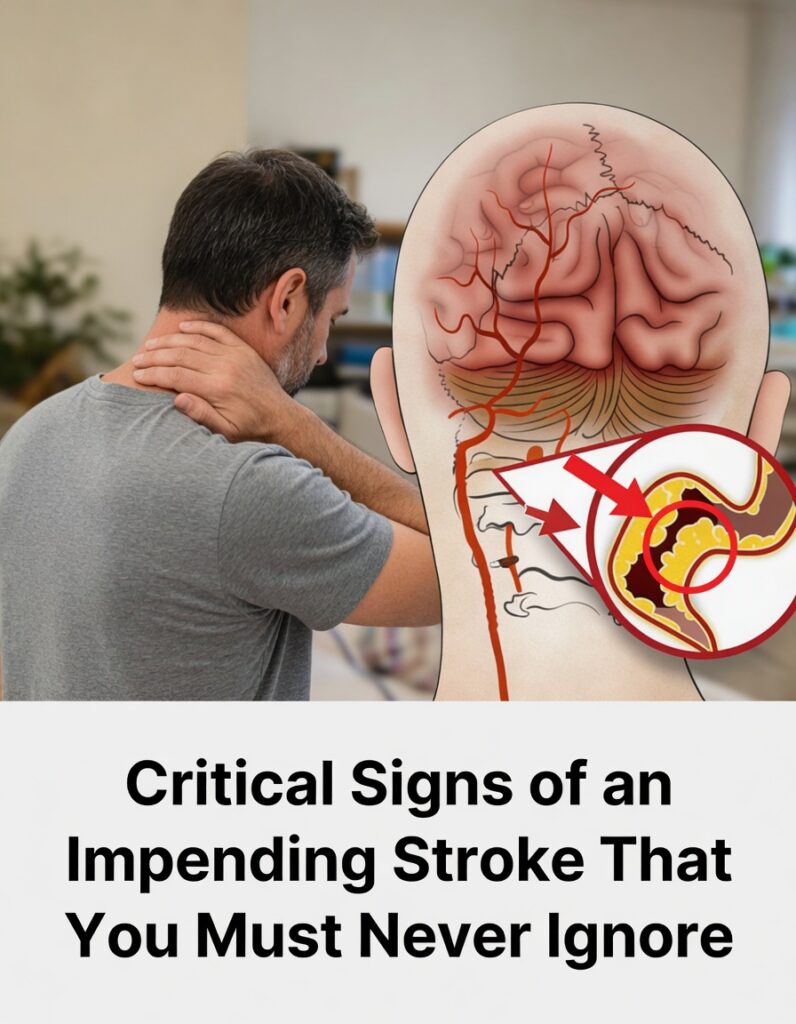
A stroke can happen in an instant—without warning—when blood flow to part of the brain is blocked or a blood vessel ruptures. The result can be permanent brain damage or death. Millions of people face this medical emergency every year, yet many miss the early signals their body sends. The most alarming reality is that even a short delay in recognizing symptoms can affect whether someone makes a strong recovery or lives with lifelong disability.
The encouraging news: when you know the warning signs of stroke and respond immediately, you give yourself or someone you love the best possible chance of survival and recovery. Stay with this guide through the end for practical, research-backed daily habits that can help reduce stroke risk over time.
What Happens During a Stroke?
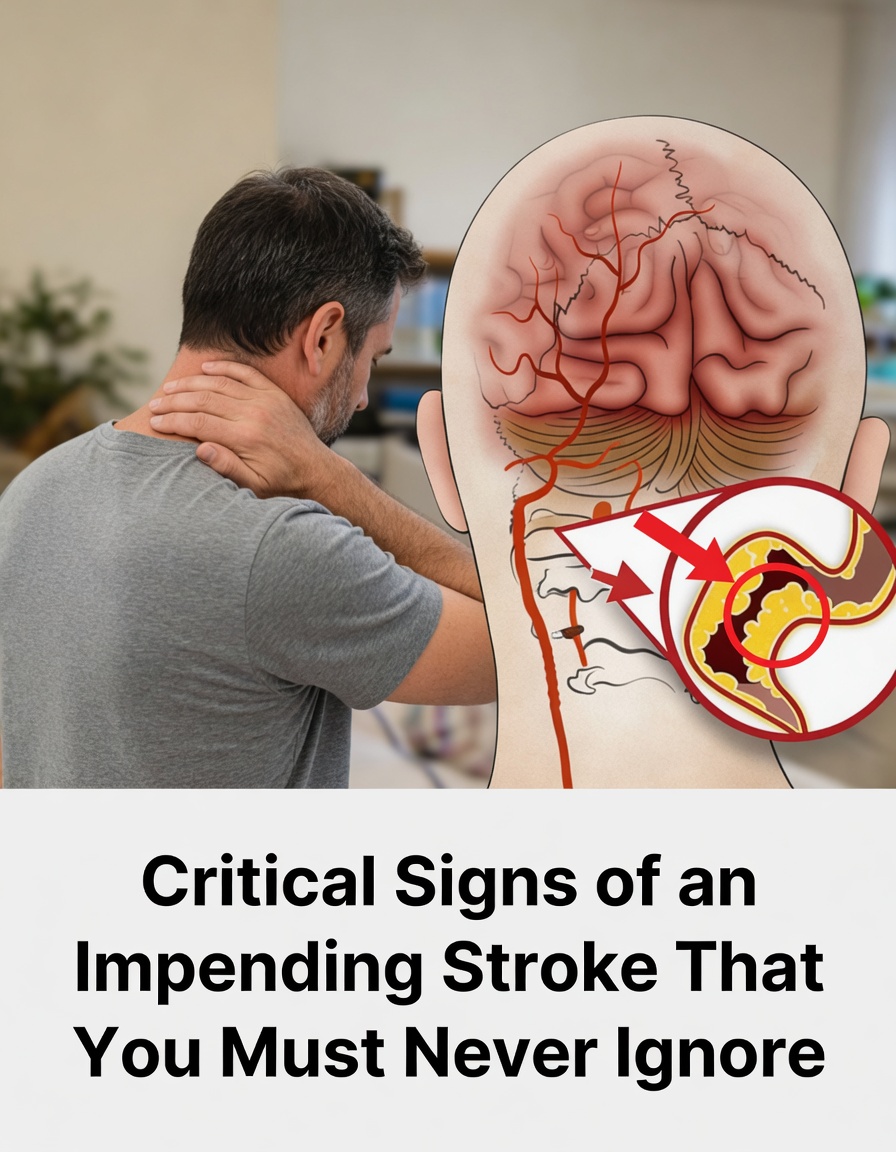
A stroke occurs when the brain’s blood supply is interrupted in one of two main ways:
- Ischemic stroke (most common): a clot blocks a blood vessel in the brain
- Hemorrhagic stroke: a blood vessel breaks and bleeds into or around the brain
Without oxygen and nutrients, brain cells begin dying within minutes. Major public health organizations, including the American Heart Association and the CDC, consistently stress the same message: fast action saves brain tissue and improves outcomes.
What many people don’t realize is that the body may show warning signs before or during the event. Recognizing them early can be life-changing.
10 Early Warning Signs of Stroke You Should Never Ignore
1. Sudden Numbness or Weakness on One Side of the Body
A common early stroke symptom is abrupt weakness, tingling, or numbness, often affecting only one side—such as:
- Face
- Arm
- Leg
You may notice a heavy limb, trouble gripping objects, or a sudden “dead” feeling on one side. This typically happens because one hemisphere of the brain is affected.
2. Facial Drooping or an Uneven Smile
A quick self-check or caregiver check: ask the person to smile (or look in a mirror). Red flags include:
- One side of the mouth droops
- The smile looks uneven
- One eye won’t close properly
Even subtle facial asymmetry deserves immediate medical attention.

3. Difficulty Speaking or Understanding Speech
Stroke can disrupt the brain’s language areas, causing:
- Slurred speech
- Trouble forming words
- Using the wrong words
- Confusion when listening
- Inability to understand simple questions
This can develop so quickly that it’s easy to dismiss at first—but it’s a critical warning sign.
4. Sudden Vision Changes
Vision symptoms may include:
- Blurred vision
- Double vision
- Sudden loss of vision in one or both eyes
It may not hurt, but it can indicate a serious problem in the brain’s visual pathways and should be treated as urgent—especially if combined with other symptoms.
5. Loss of Balance, Coordination, or Sudden Dizziness
A stroke can affect the brain regions responsible for balance, leading to:
- Trouble walking straight
- Unsteadiness
- A spinning sensation (vertigo)
- Sudden clumsiness
Dizziness alone can be caused by many things, but dizziness plus other stroke symptoms should raise immediate concern.
6. A Sudden, Severe “Thunderclap” Headache
A headache that arrives explosively—often described as the worst headache of your life—may be linked to hemorrhagic stroke. This is especially alarming if it appears with neurological changes such as weakness, confusion, or vision issues.
7. Sudden Confusion or Trouble Thinking Clearly
A rapid change in mental clarity can show up as:
- Disorientation
- Difficulty concentrating
- Memory lapses
- Feeling unusually “out of it”
This often occurs alongside other symptoms and may signal reduced blood flow to the brain.
8. One Arm Drifts Down or Can’t Stay Raised
A simple at-home screening: raise both arms at the same time. If one arm:
- Drops downward
- Drifts without control
- Can’t be held up
…it suggests one-sided weakness and is commonly used in emergency stroke assessments.
9. Intense Vertigo with Other Neurological Symptoms
Vertigo is frequently harmless on its own. However, sudden severe vertigo combined with any of the following is more concerning:
- Balance problems
- Vision changes
- Nausea/vomiting
- Weakness or numbness
This pattern may point to stroke in specific parts of the brain.
10. “Mini-Stroke” Symptoms (TIA)
A transient ischemic attack (TIA) is often called a mini-stroke. It causes stroke-like symptoms that resolve within minutes to hours, such as weakness, speech trouble, or vision changes.
A TIA is not “nothing” just because it passes. Medical research highlights TIAs as major warning events: up to 1 in 3 people who experience a TIA later have a full stroke, frequently within days.
Key difference to remember:
- Full stroke: symptoms persist and can cause permanent damage
- TIA: symptoms fade, but it remains a medical emergency and signals high future risk
The FAST Rule: A Simple Way to Recognize Stroke Quickly
Health authorities promote FAST as a quick and effective stroke checklist:
- F — Face: Does one side droop when smiling?
- A — Arms: Does one arm drift downward when both are raised?
- S — Speech: Is speech slurred, strange, or hard to understand?
- T — Time: Call emergency services immediately
If any one of these signs appears, act right away. Also note the exact time symptoms started, since many treatments depend on timing.
Why Every Minute Matters
During a stroke, the brain loses cells at an alarming rate when blood flow is disrupted. Rapid emergency care can allow time-sensitive treatments—such as clot-dissolving therapy—to work effectively, often within a limited window of hours.
Even if symptoms disappear (as in a TIA), you still need urgent evaluation, because the next event could be more severe.
Practical Ways to Reduce Stroke Risk Starting Today
You can’t change factors like age or family history, but daily habits strongly influence the biggest stroke risk drivers. Research consistently supports these preventive steps:
- Keep blood pressure controlled, ideally around under 120/80 mmHg (with medical guidance)
- Follow a heart-healthy diet with more:
- Fruits and vegetables
- Whole grains
- Lean proteins
And less: - Salt
- Saturated fat
- Added sugar
- Move more: aim for 150 minutes of moderate activity per week, such as brisk walking
- Stop smoking and limit alcohol
- Manage diabetes and high cholesterol with routine checkups and prescribed treatment
Small starts count. Examples:
- Track blood pressure at home a few days a week
- Add one additional serving of vegetables each day
Final Thoughts
Knowing these 10 early stroke warning signs can protect brain health, independence, and life itself. A stroke doesn’t always begin dramatically—sometimes it starts quietly. Pay attention, share these signs with people close to you, and commit to the daily prevention habits that lower risk over time.
Frequently Asked Questions
What should I do if I notice only one stroke symptom?
Call emergency services immediately—even if the symptom is mild or improves. Time is critical, and early treatment can prevent long-term damage.
Can younger adults have a stroke?
Yes. While stroke risk increases with age, it can occur in younger people as well, especially with factors such as high blood pressure, smoking, and certain medical conditions.
Do stroke symptoms differ between women and men?
The core stroke signs are similar, but women may sometimes experience less obvious symptoms such as sudden fatigue, nausea, or generalized weakness alongside the classic signs.
Disclaimer
This article is for informational purposes only and does not replace professional medical advice. If you suspect a stroke or experience any concerning symptoms, seek emergency medical care immediately. Always consult a qualified healthcare professional for personalized guidance.