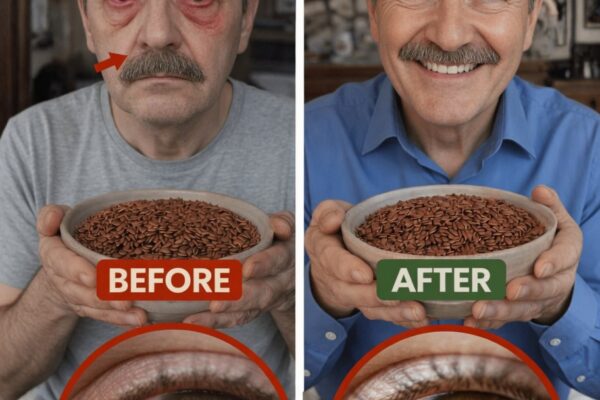
Protect Your Kidneys: 10 Everyday Habits That May Be Quietly Doing Damage
Your kidneys work nonstop to filter waste, regulate fluids, and help manage blood pressure. Yet many people unintentionally put extra strain on them through routine choices that seem harmless. These habits that are hurting your kidneys often cause gradual changes—like persistent tiredness, puffiness, or lingering concern about long-term health.
The good news: kidney-friendly improvements don’t have to be dramatic. A few consistent adjustments can support healthier kidney function and help reduce risks before they grow into bigger problems. Stay with this guide to the end, and you’ll also find a simple “swap” that many people overlook—but can make a meaningful difference.

The 10 Everyday Habits That Are Hurting Your Kidneys (and What to Do Instead)
Below are common daily patterns that can increase kidney stress over time, along with practical ways to shift them.
1. Drinking Too Little Water
If you often feel mildly thirsty, sluggish in the afternoon, or “off” without knowing why, hydration may be part of the issue. When you don’t drink enough, your kidneys have a harder time flushing waste effectively. Over time, this can increase the likelihood of kidney stones and reduced filtering efficiency. Even mild dehydration may affect how well the kidneys do their job.
Simple hydration upgrades:
- Keep a reusable water bottle nearby and sip regularly.
- Use reminders to aim for roughly 8–10 cups per day (adjust for your needs).
- Add lemon or fruit slices if plain water feels boring.
2. Eating Too Much Sodium (Salt)
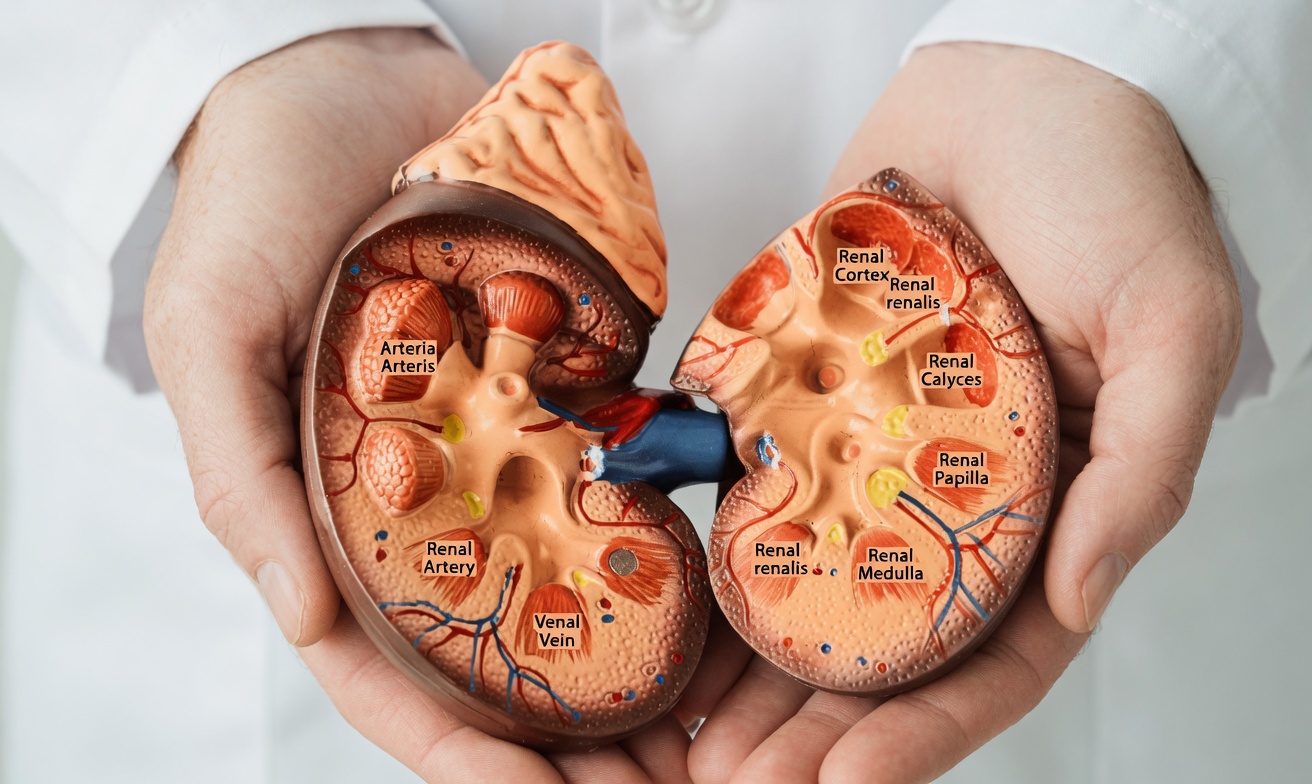
Salty convenience foods and processed snacks can quietly raise blood pressure, forcing the kidneys to work harder. Sodium is hidden in many everyday items—canned soups, sauces, deli meats, fast food—and consistently high intake is associated with faster kidney strain. Swelling, especially around the ankles, can also be a clue you’re overdoing it.
Ways to reduce salt without sacrificing flavor:
- Check labels and aim for under 2,300 mg sodium/day (or lower if advised).
- Swap chips and salted snacks for unsalted nuts or fresh options.
- Season with herbs, spices, citrus, garlic, or vinegar instead of extra salt.

3. Overusing Over-the-Counter Painkillers
Taking NSAIDs (like ibuprofen) frequently for headaches, muscle soreness, or back pain can reduce blood flow to the kidneys. Because these medications are easy to access, many people don’t realize the risk can build quietly over time—especially with regular use or higher doses.
Safer pain-management habits:
- Use the lowest effective dose for the shortest time.
- Try heat/ice, light stretching, or rest before reaching for medication.
- If pain is ongoing, ask your clinician about safer long-term options.
4. Holding in Urine Too Often
Delaying bathroom trips—because you’re busy, stuck in meetings, or traveling—can increase pressure in the urinary system and raise infection risk. Recurring UTIs and urinary retention can eventually contribute to kidney stress and, in some cases, stone formation.
Helpful fixes you can start today:
- Go when you feel the urge instead of “waiting it out.”
- Build in bathroom breaks during long events or commutes.
- Stay hydrated to avoid overly concentrated urine.
5. Consuming Too Much Sugar
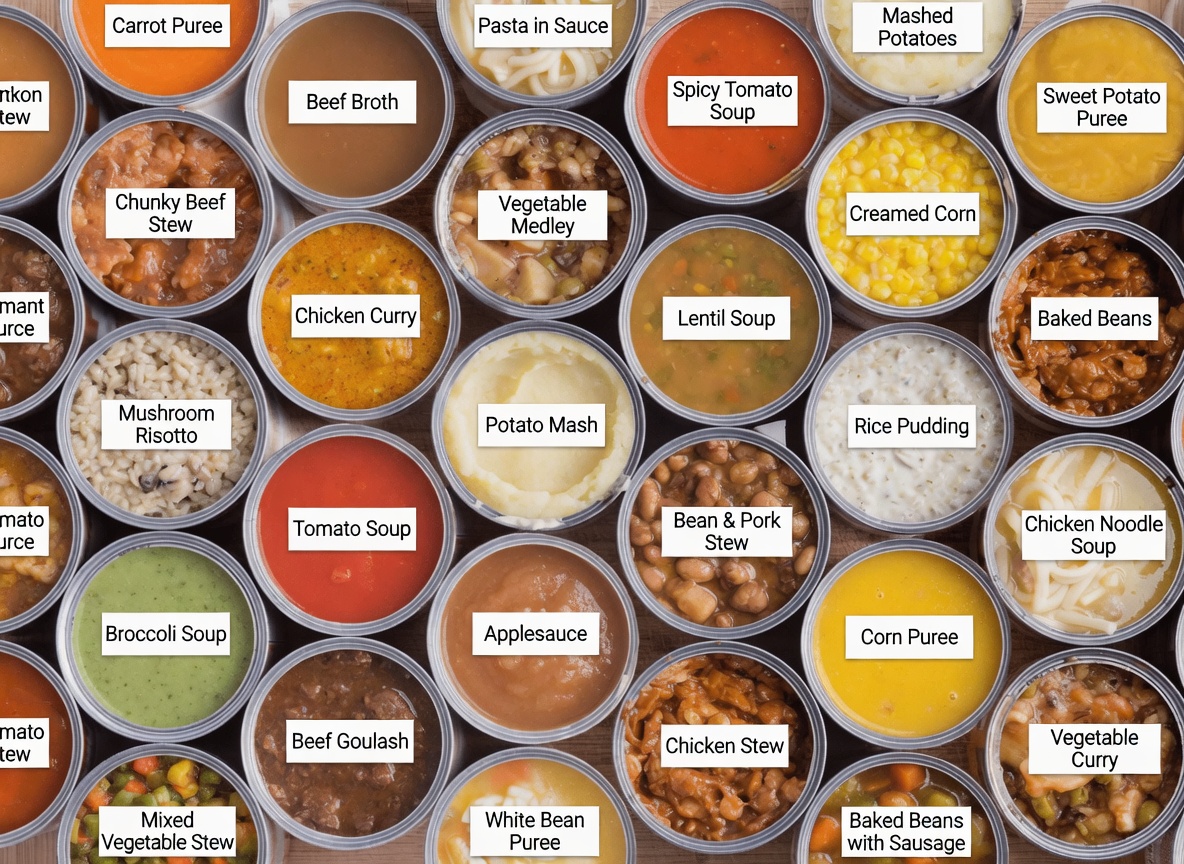
Sugary drinks, desserts, and sweet “extras” can add up quickly. Over time, high sugar intake contributes to weight gain and blood sugar swings—both strongly tied to kidney strain, especially through diabetes-related damage. Even items that look “healthy” (like flavored yogurt or sauces) can contain surprising amounts of added sugar.
Lower-sugar swaps that still satisfy:
- Replace soda or sweet tea with water, sparkling water, or infused water.
- Read labels for added sugars in everyday staples.
- Choose fruit when cravings hit, especially berries or citrus.
6. Smoking (Even Occasionally)
Smoking narrows blood vessels, reduces healthy circulation, and can accelerate kidney decline—especially when paired with high blood pressure or other risk factors. It also makes blood pressure harder to control, compounding kidney stress over time.
Quitting strategies that can help:
- Consider nicotine replacement (patches/gum) or cessation apps.
- Replace the smoking cue with a short walk or breathing exercise.
- Track smoke-free milestones to stay motivated.
7. Drinking Too Much Alcohol
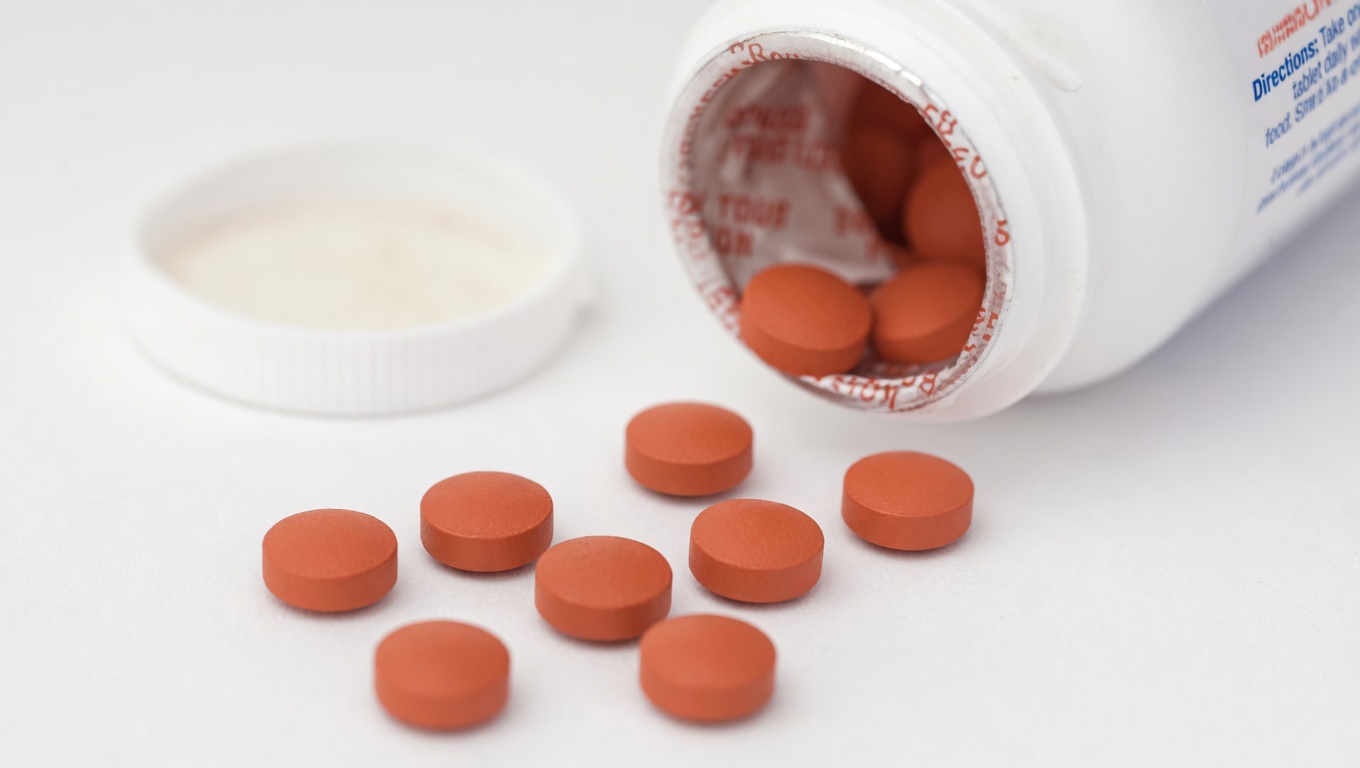
Alcohol can dehydrate you and trigger blood pressure spikes, increasing the workload on your kidneys. What starts as “weekend drinks” can gradually become more frequent, and the combination of dehydration plus blood pressure effects can be especially taxing.
How to make moderation easier:
- If you drink, aim for no more than one drink per day.
- Alternate alcohol with water during social occasions.
- Try non-alcoholic options that still feel celebratory.
8. Skimping on Quality Sleep
Short or disrupted sleep can interfere with hormones that regulate blood pressure and recovery processes. Over time, chronic poor sleep is linked with slower kidney recovery and higher health risks. If you’re constantly exhausted, it can also make other kidney-healthy habits harder to maintain.
Sleep routines that support kidney health:
- Stop screens about one hour before bed.
- Keep the bedroom cool, dark, and quiet.
- Stick to a consistent sleep and wake time.

9. Going Overboard on Protein
High-protein diets, frequent protein shakes, and meat-heavy meals may increase filtration demands—particularly for anyone with borderline kidney function or existing risk factors. Protein matters, but balance matters too, and many people do better by mixing animal and plant sources.
Balanced protein ideas:
- Make half your plate vegetables, not just protein.
- Add beans, lentils, tofu, or tempeh a few times per week.
- If you have kidney concerns, ask a professional about an appropriate protein target.
10. Ignoring Underlying Health Issues
One of the most damaging patterns is letting conditions like high blood pressure or diabetes go unmanaged—or skipping medications and routine checkups. These issues can harm the kidneys silently for years. Monitoring your numbers consistently can prevent surprises and protect long-term kidney function.
Practical steps to stay on track:
- Schedule routine labs and kidney function checks.
- Monitor blood pressure (and blood sugar if relevant) at home.
- Work with your clinician on realistic diet and lifestyle adjustments.
Your Action Plan: Small Moves That Add Up
To support kidney health, start with just two changes this week—for example:
- Drink more water consistently.
- Reduce sodium from processed foods.
Track how you feel after 30 days (energy, swelling, thirst, sleep, and overall well-being). Progress beats perfection—your kidneys benefit from steady, manageable improvements.
FAQ: Common Questions About Kidney Health
What are early signs my daily habits may be affecting my kidneys?
Early clues can include fatigue, changes in urine color or frequency, or mild swelling (often in hands, feet, or ankles). If these persist, it may be time to review the everyday habits that are hurting your kidneys and speak with a professional.
Can lifestyle changes actually improve kidney health?
Yes. Evidence supports that shifts like better hydration, lower sodium intake, and blood pressure control can help protect kidney function and reduce long-term risk.
How often should kidney function be checked?
Many adults over 40 or with risk factors (high blood pressure, diabetes, family history) benefit from annual testing, but your clinician can recommend a schedule based on your personal situation.
Medical Disclaimer
This article is for informational purposes only and is not a substitute for professional medical advice. Consult a qualified healthcare provider if you have symptoms or concerns about your kidney health.