As we grow older, keeping healthy vitamin D levels becomes increasingly important. Yet many seniors still deal with fatigue, muscle weakness, and even frequent falls—problems that can disrupt routines and chip away at confidence. When you feel unsteady or drained, it’s easy to move less, stay indoors more, and end up in a cycle that makes weakness and low energy worse.
The encouraging part is that vitamin D management is highly actionable. With the right steps, you can better support bone strength, muscle function, and day-to-day energy. Stay to the end for a practical tip that may change how you think about vitamin D altogether.
Why Vitamin D Matters More as You Age
Vitamin D helps your body absorb calcium, a cornerstone of bone health—especially important for seniors, who face a higher risk of fractures. Vitamin D also supports muscle performance, so when levels run low, everyday movements may feel harder and more exhausting, limiting independence and enjoyment of activities.
Many older adults produce less vitamin D from sunlight due to age-related changes in skin and lifestyle factors (less time outdoors), making deficiency more common and supplements more frequently used. Getting vitamin D right starts with awareness of your personal needs—not guesswork.
Most guidelines recommend that adults over 70 get at least 800 IU (international units) of vitamin D per day, but real requirements can vary depending on diet, sun exposure, health conditions, and medications. Low vitamin D has also been associated with sleep disturbances and mood changes, which can add to the emotional load of aging. The good news: correcting low vitamin D thoughtfully can help you feel steadier and more energized.

Mistake 1: Starting Vitamin D Without a Blood Test
A common issue is taking vitamin D “just in case” without knowing your baseline. That can lead to:
- Too little, so fatigue and weakness continue
- Too much, which may cause symptoms like nausea or other discomfort
A simple lab test can remove the uncertainty. Ask your clinician for a 25-hydroxyvitamin D blood test. If you’ve noticed muscle weakness, bone aches, low energy, or frequent falls, this is an especially helpful first step.
To stay on track, discuss whether you should retest after a few months, particularly after changing dose or adding supplements.
Mistake 2: Picking the Wrong Type of Vitamin D
Not all vitamin D supplements are the same. Many seniors accidentally choose vitamin D2 (ergocalciferol), which may be less effective at maintaining blood levels compared with vitamin D3 (cholecalciferol)—the form your body naturally makes from sunlight.
To improve results:
- Choose vitamin D3 when possible (check the label)
- Take it with a meal that contains healthy fats for better absorption
If you prefer plant-based choices, some fortified foods and supplements may use D2. In that case, confirm the best option with a healthcare professional based on your goals and lab results.

Mistake 3: Taking Too Much—or Too Little—Vitamin D
Dose guessing often backfires. Underdosing may leave you with ongoing weakness and higher fall risk, while overdosing can cause unpleasant effects and raise safety concerns.
A practical range many clinicians use is 800–2,000 IU daily, adjusted based on blood tests and individual risk factors. Unless your clinician recommends otherwise, avoid extreme dosing strategies.
Vitamin D intake overview (general guidance)
| Age group | Common recommended daily intake (IU) | Potential risks if excessive |
|---|---|---|
| 50–70 | 600 | Nausea, kidney strain |
| Over 70 | 800 | High calcium levels |
The best plan is straightforward: start with an appropriate dose, test, adjust, and retest—instead of trial-and-error.
Mistake 4: Overlooking Medication Interactions
If you take multiple medications, vitamin D deserves the same caution as any other supplement. Some drug combinations may affect calcium balance or vitamin D handling in the body, potentially increasing risk—especially when doses are high.
Ask a pharmacist or doctor to review your medications before starting or changing vitamin D. Interactions to be aware of include:
- Thiazide diuretics: may raise calcium levels
- Statins: may affect absorption or metabolism in some cases
- Heart medications: may require closer monitoring in certain situations
Simple habits like spacing doses (when advised) and maintaining hydration can also help reduce preventable issues.
Mistake 5: Relying Only on Supplements and Ignoring Natural Sources
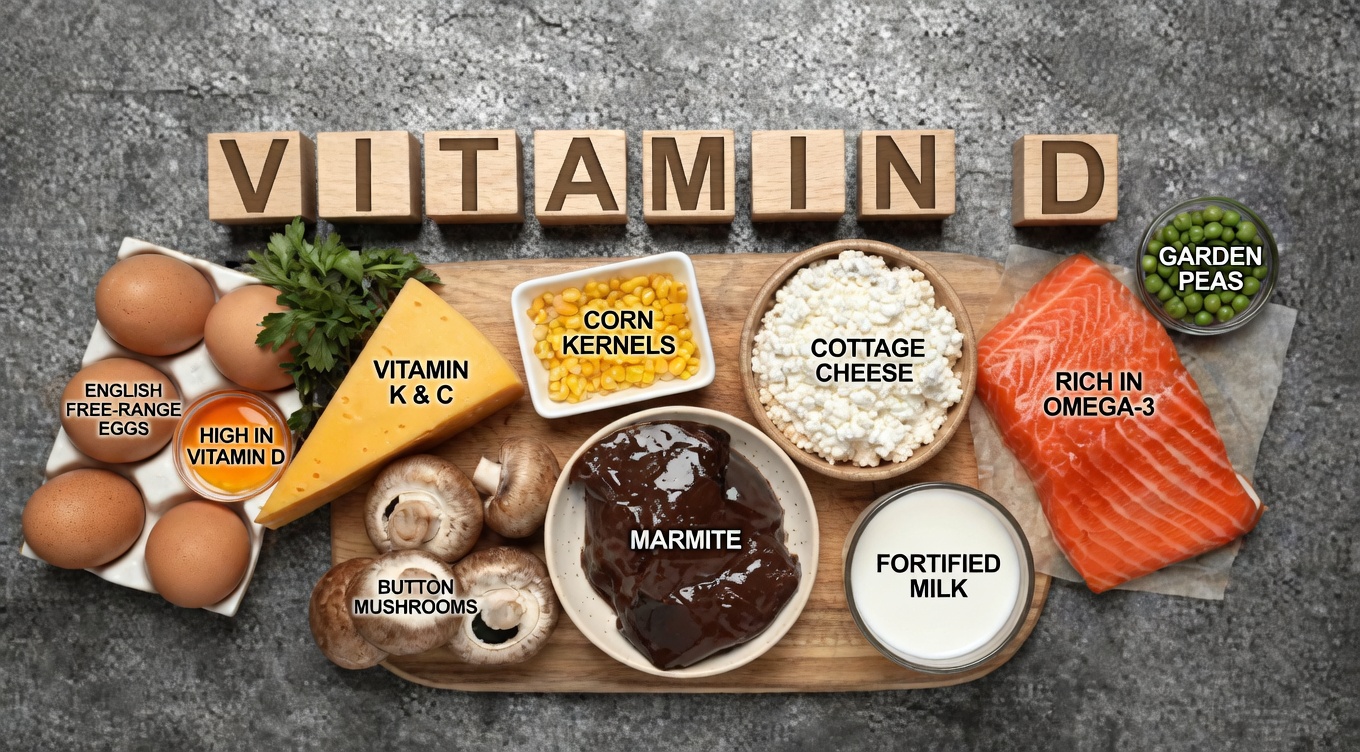
Supplements are useful, but an all-pill approach may miss the benefits of combining sources—especially for overall wellbeing and mood. Building in safe sunlight exposure and vitamin D-rich foods can make the plan feel more sustainable.
Consider:
- 10–15 minutes of midday sun on face and arms a few times per week (avoid burning; follow skin-safety guidance)
- Adding vitamin D foods such as:
- Fatty fish (salmon, mackerel)
- Fortified milk, yogurt, or plant alternatives
- Eggs
- Mushrooms
A balanced approach often supports steadier results—and may help you feel better overall.
Mistake 6: Missing Early Signs of Vitamin D Overdose
High-dose vitamin D without monitoring can cause symptoms that may be mistaken for “normal aging,” such as:
- Nausea
- Confusion
- Unusual weakness
- Excessive thirst
Unless specifically supervised by a clinician, many experts recommend staying below 4,000 IU per day. If you develop concerning symptoms, stop the supplement and seek medical advice promptly—especially if you have kidney issues or a history of high calcium.
Practical Steps to Get Vitamin D Right (Senior-Friendly Checklist)
- Test first: get a 25-hydroxyvitamin D blood test
- Choose the right form: prefer vitamin D3, taken with food
- Use smart dosing: follow recommended ranges and adjust based on lab results
- Combine sources: food + safe sun exposure + supplements when needed
- Review medications: check for interactions with your doctor or pharmacist
- Watch symptoms: monitor for both low-level signs and overdose warnings
Conclusion: Build Smarter Vitamin D Habits for Stronger Bones and Better Energy
Avoiding these common vitamin D mistakes can help seniors maintain stronger bones, improved muscle support, and more stable energy, while reducing worries about falls and fatigue. The most effective strategy is personalized: test your level, select the appropriate supplement form, and balance supplements with natural sources.
The “surprising” tip: some people benefit from pairing vitamin D with magnesium or vitamin K2 to support utilization and bone health. This isn’t right for everyone, so discuss it with your clinician for advice tailored to your health history and medications.
FAQ
What are common signs of low vitamin D in seniors?
Low vitamin D often shows up as muscle weakness, bone discomfort, frequent tiredness, and increased fall risk. If symptoms persist, ask your doctor about testing.
How much vitamin D should seniors take daily?
Many guidelines suggest 800 IU per day for adults over 70, but the best dose depends on your blood level, sun exposure, diet, and health conditions.
Can vitamin D interact with medications?
Yes. Vitamin D can interact with certain medications (including some diuretics and heart-related drugs) and may affect calcium levels. Review your supplement plan with a healthcare professional.
Medical Disclaimer
This article is for informational purposes only and does not replace professional medical advice, diagnosis, or treatment. Always consult a qualified healthcare provider before starting or changing supplements.