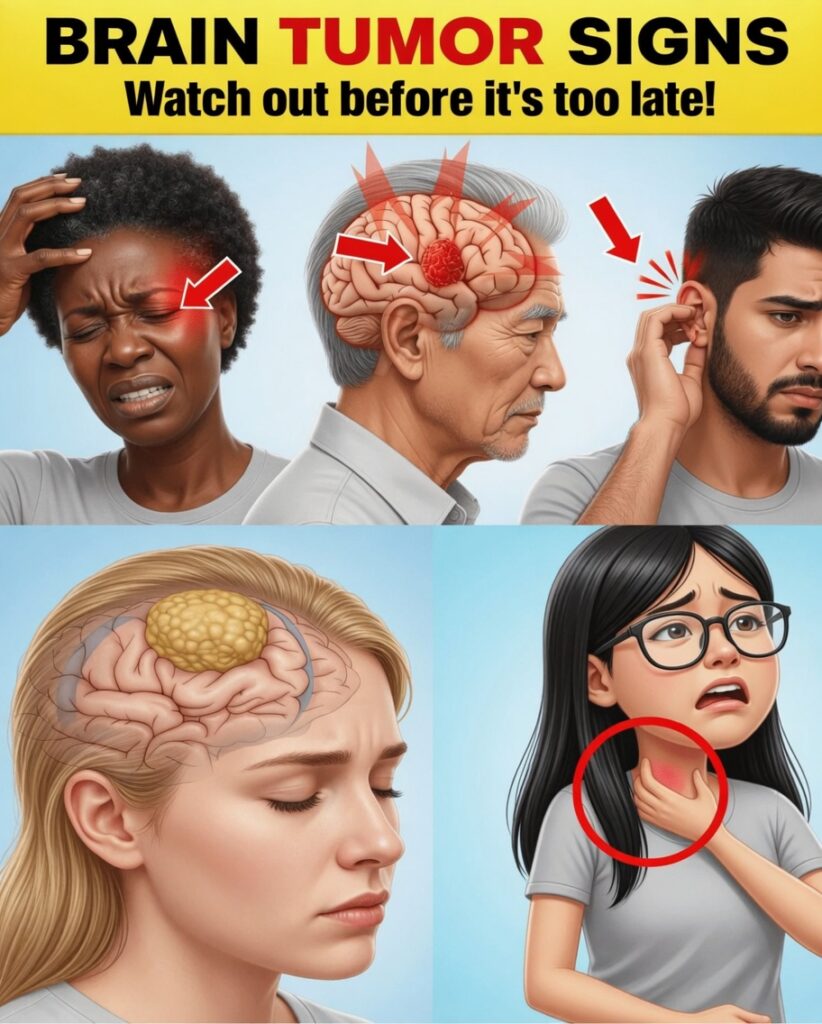
Could These Subtle Changes Be Telling You Something?
Have you ever opened your eyes in the morning with a headache that won’t let go, or noticed your vision seems “off” and assumed it’s just screen time or tiredness? Those moments are common—and often harmless. But when they persist, intensify, or show up alongside other changes, they can be worth a closer look.
Many people chalk these shifts up to stress, busy schedules, or getting older. The problem is that repeatedly dismissing ongoing symptoms can leave you stuck in confusion and worry. By learning what patterns to watch for, you’ll be better prepared to describe what’s happening to a healthcare professional—and make informed decisions sooner.
Brain Tumors: What They Are and Why Awareness Helps
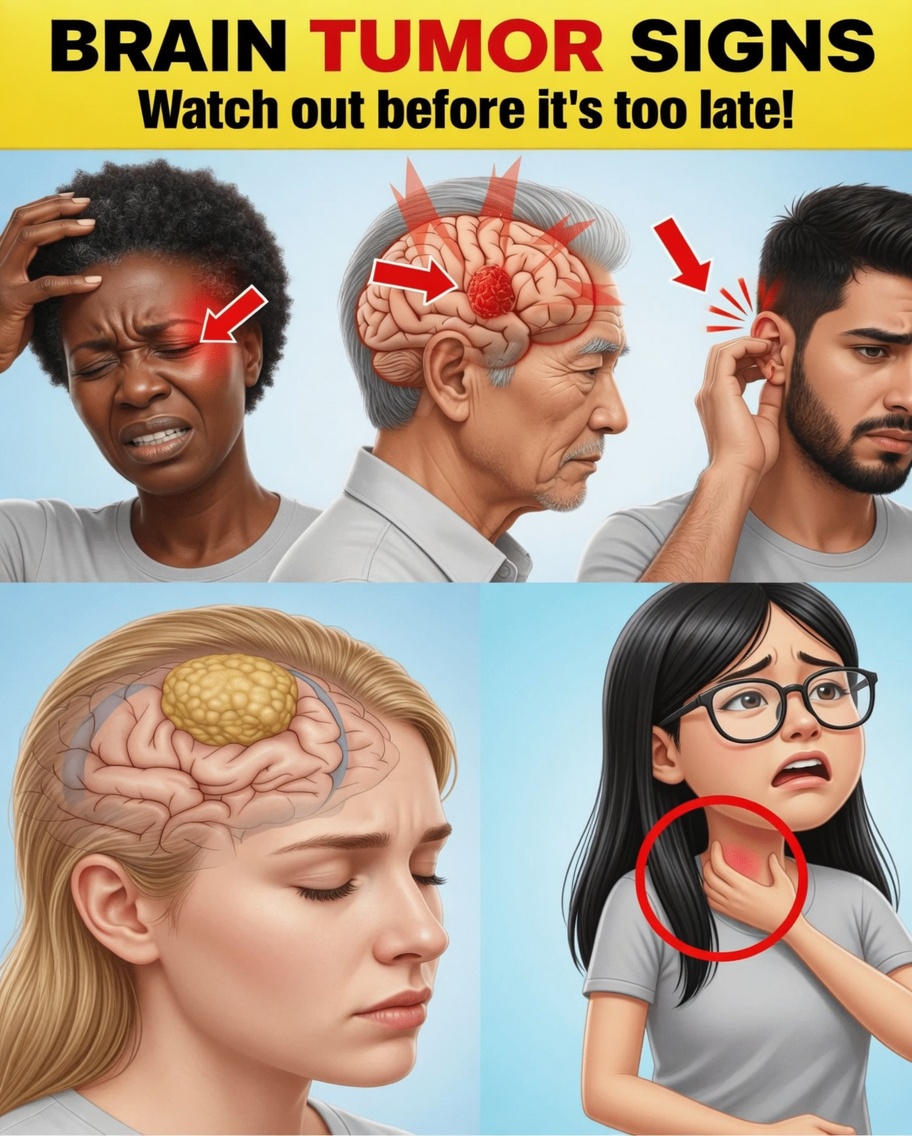
A brain tumor is an abnormal growth in or around the brain. Some are benign (non-cancerous), while others are malignant (cancerous). Regardless of type, a tumor can interfere with normal brain function over time—either by affecting specific brain regions or by increasing pressure inside the skull.
One reason brain tumor symptoms are often missed early is simple: they can resemble everyday conditions like migraine, eye strain, digestive issues, anxiety, or aging-related changes. Staying informed doesn’t mean assuming the worst—it means recognizing when it’s time to seek medical advice.
Many adults, especially those over 40, report ignoring early signs as “normal wear and tear.” Paying attention to your body’s signals can help you act proactively rather than reactively.
Sign 1: Headaches That Are Persistent or Clearly Different
Headaches are extremely common, but headaches associated with brain tumors may show distinctive features. They can:
- Feel worse in the morning
- Intensify with coughing, bending, or changing position
- Seem unusual compared to your typical headache
- Respond poorly to standard over-the-counter pain relief
Medical explanations often point to increased pressure within the skull as a reason these headache patterns may occur.
A practical step is to track what makes the headache better or worse, what time it appears, and how it compares to your usual baseline. Hydration and rest may reduce discomfort in some cases, but headaches that persist or evolve should be discussed with a clinician.
Sign 2: Nausea or Vomiting Without a Clear Digestive Cause
Feeling sick to your stomach can come from countless causes—but nausea that appears repeatedly, especially in the morning or without clear triggers, can be a sign worth monitoring. Some people also experience vomiting that feels sudden or unusually forceful.
Research commonly associates this pattern with pressure changes that affect brain areas involved in nausea control.
If you’re unsure what’s driving it, try tracking:
- Time of day symptoms happen
- Whether they occur with headaches
- Food intake and hydration
- Stress and sleep quality
A combined symptom-and-food log can make your medical conversation far more precise.

Sign 3: New or Unexplained Vision Changes
Vision issues can disrupt daily life quickly. Symptoms sometimes reported include:
- Blurred vision that comes on unexpectedly
- Double vision
- Loss of peripheral (side) vision
- Episodes where vision “dims” or becomes difficult to focus
These changes may occur when pressure or growth affects the brain’s visual pathways. They’re also frequently mistaken for eye fatigue, aging, or the need for updated glasses.
If changes are new, frequent, or worsening, an eye exam can be a helpful first step—but ongoing unexplained symptoms deserve medical attention beyond routine eye strain advice (like screen breaks).
Sign 4: First-Time Seizures (Including Subtle Ones)
A seizure can look dramatic, but it can also be easy to miss. Some episodes involve:
- Full-body convulsions
- Brief “staring spells”
- Sudden confusion
- Involuntary jerking or twitching
In adults with no prior seizure history, a first seizure should be treated as a medical priority and evaluated promptly, as it may signal a neurological change.
If possible, document:
- What happened before and after the episode
- How long it lasted
- Any triggers (sleep deprivation, alcohol, flashing lights)
- Witness observations
Until cleared by a professional, safety matters—avoid driving or high-risk activities.
Sign 5: Memory Problems or Thinking “Slips” That Stand Out
Occasional forgetfulness is common. However, if you notice a clear change—such as forgetting recent conversations, losing track mid-task, or struggling to focus—especially if it’s worsening, it may involve brain regions related to memory and executive function.
Because stress and poor sleep can cause similar issues, supportive habits can help:
- Prioritize consistent sleep
- Reduce multitasking
- Try mentally engaging activities (puzzles, reading, learning)
Still, if cognitive changes are persistent or accelerating, it’s wise to seek an assessment.
Sign 6: Personality or Mood Changes That Feel Out of Character
Mood shifts happen to everyone, but sudden or unexplained changes that strain relationships can be significant. Examples include:
- Irritability that feels unusual
- Withdrawal from social interaction
- Rapid mood swings
- Reduced motivation or emotional “flatness”
Loved ones often notice these changes first because they’re comparing you to your normal baseline. While life pressures can contribute, abrupt personality shifts should not be ignored.
Mindfulness, movement, and stress management can support emotional stability—but persistent, unexplained changes merit a deeper look.

Sign 7: Weakness, Numbness, or Tingling—Especially on One Side
Neurological symptoms may appear as:
- Weakness in an arm or leg
- Numbness or pins-and-needles sensations
- Increased clumsiness (dropping objects, tripping)
- Reduced coordination on one side
Medical literature links these experiences to disruption in motor and sensory pathways.
A simple self-check is to note whether one side consistently feels weaker, less coordinated, or less sensitive. Strength and balance exercises can support mobility, but new or worsening one-sided symptoms require evaluation.
Sign 8: Speech or Language Difficulties
Communication changes can be deeply frustrating. Signs may include:
- Trouble finding common words
- Slurred speech
- Difficulty understanding what others are saying
- Speaking more slowly or inconsistently
These symptoms may be connected to areas of the brain involved in language processing. Since fatigue can also cause similar issues, look for repetition and persistence.
Reading aloud and regular conversation can keep skills active, but if the difficulty continues or escalates, professional assessment is important.
Sign 9: Balance Problems and Coordination Changes
If you’re suddenly unsteady, dizzy, or stumbling more than usual, take note. Balance and coordination can be affected when certain brain regions are disrupted.
Because dizziness is often blamed on inner ear issues, dehydration, or low blood pressure, it’s easy to overlook patterns—especially if symptoms come and go.
Helpful actions include:
- Tracking when unsteadiness occurs
- Practicing safe balance exercises (as tolerated)
- Watching for progression over time
Worsening balance should never be brushed off.
Sign 10: Hearing Changes or Tinnitus (Often on One Side)
Hearing-related symptoms can begin subtly, such as:
- Ringing in one ear (tinnitus)
- Muffled hearing
- Gradual hearing loss
- Difficulty understanding speech in noisy places
Medical overviews often note that tumors near auditory nerves can contribute to these symptoms. People commonly assume it’s just aging or noise exposure, but one-sided (unilateral) changes are particularly important to report.
Protecting your hearing from loud noise is always beneficial, but unexplained hearing differences deserve clinical attention.
Common Symptoms vs. Red Flags (Quick Comparison)
| Symptom | Often Benign Causes | Red Flags Suggesting Evaluation |
|---|---|---|
| Headaches | Stress, dehydration | New pattern, morning worsening, paired with nausea |
| Vision changes | Eye strain, aging | Double vision, persistent field loss |
| Nausea | Food triggers, migraines | Morning onset without GI explanation |
| Seizures | Low blood sugar, sleep loss | First seizure in adulthood |
| Memory slips | Poor sleep, overload | Rapid or unexplained decline |
This table is not a diagnostic tool—it simply highlights when “everyday” symptoms may warrant a professional conversation.
A Simple Timeline for Monitoring Symptoms
Use time as a guide for what to do next:
- First few days: Start tracking symptoms daily to spot patterns early.
- After a few weeks of persistence: Talk with a primary care provider to review what you’ve noticed.
- After months of ignoring symptoms: Risks and complications can increase, and options may become more limited.
Health research consistently supports the value of timely recognition and documentation.
Smarter Ways to Track Symptoms (Without Obsessing)
These practical habits make symptom awareness easier and more useful:
- Keep a symptom journal: Date, description, severity (1–10), duration, triggers, and what helped.
- Do a morning check-in: Many pressure-related symptoms are more noticeable after waking.
- Ask trusted people for observations: Changes in mood, behavior, or speech can be clearer to others.
- Support your baseline health: Hydration, balanced meals, movement, and adequate rest can reduce noise in the data and make true patterns easier to see.
Practical Steps You Can Take Today
If you’re concerned, focus on clarity and action:
- Rate your symptoms: Score frequency and impact from 1–10 for each sign you recognize.
- Document details: Write down timing, progression, and any combinations (e.g., headache + nausea, vision changes + dizziness).
- Schedule the right starting point: A primary care clinician can guide next steps, such as neurological evaluation or imaging when appropriate.
- Seek urgent care when needed: First-time seizures, sudden weakness, severe confusion, or rapidly worsening symptoms should be treated as urgent.
The Surprising Connection That Ties These Signs Together
Many of these symptoms—headaches, nausea, vision changes, balance issues, and even cognitive or mood shifts—can be linked by one underlying theme: changes in brain function caused either by pressure inside the skull or by disruption of specific brain regions. That’s why symptoms may appear unrelated at first, yet still share a common neurological origin.
Awareness isn’t about self-diagnosing—it’s about recognizing patterns early, documenting them clearly, and getting the right medical guidance when something doesn’t feel normal for you.