Persistent heartburn that won’t ease up can quietly interfere with meals, disturb sleep, and wear on your mood. It’s easy to blame stress or spicy dishes, but when the burning keeps coming back, it can start shaping everyday life. The reassuring part is that recognizing common hiatal hernia signs and symptoms helps you spot patterns early, reduce discomfort, and know when to seek support. Near the end, you’ll also find one often-missed habit that many people say makes a surprisingly big difference.

What Is a Hiatal Hernia—and Why It Matters
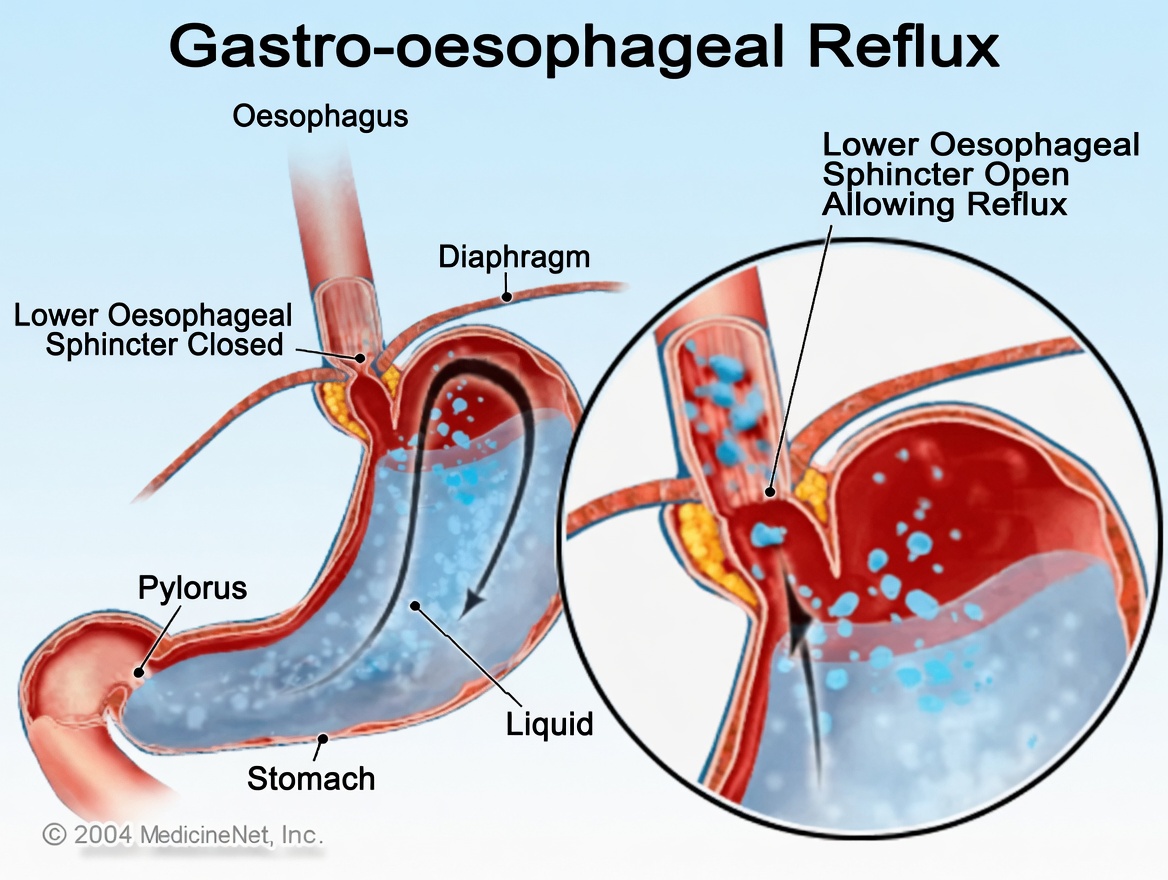
A hiatal hernia occurs when a portion of the stomach pushes upward through the diaphragm (the muscle separating the chest from the abdomen). When this happens, it can become easier for stomach contents—especially acid—to move back toward the esophagus.
Medical organizations such as the American College of Gastroenterology note that hiatal hernias are common, particularly in adults over 50, and many people have no clear symptoms.
What makes this important is that when symptoms do appear, they can resemble other digestive problems. That’s why knowing the typical warning signs can be so useful.
10 Common Hiatal Hernia Signs and Symptoms
Symptoms vary widely. Some people notice only occasional discomfort, while others deal with persistent issues.
1. Frequent Heartburn
One of the most common complaints is a burning feeling behind the breastbone, often after eating or when lying down. Hiatal hernias frequently occur alongside acid reflux, since the stomach’s position may make it easier for acid to rise.
2. Regurgitation of Food or Sour Liquid
You might experience a sour or bitter taste in the back of the mouth when stomach contents flow upward. This can be especially uncomfortable after large meals.
3. Difficulty Swallowing (Dysphagia)
Some people feel as though food is “sticking” in the chest. This can happen as the esophagus becomes irritated over time.
4. Chest Pressure or Discomfort
Digestive-related chest discomfort can be confusing because it may feel similar to other conditions. It often worsens after eating, bending forward, or lying down.
If chest pain is severe, sudden, or unusual, seek urgent medical care.
5. Chronic Cough
A lingering dry cough—especially without cold symptoms—may be linked to reflux. Acid irritation can heighten sensitivity in the throat and airways.
6. Hoarseness or a Sore Throat
Waking up hoarse can be a subtle sign. Acid reaching the throat during sleep may irritate the vocal cords, causing voice changes.
7. Feeling Full Too Quickly
Early fullness after small portions can occur when stomach positioning changes the way pressure builds during digestion.
8. Bloating and Frequent Belching
Excess gas, bloating, and repeated burping may show up alongside heartburn or reflux. While occasional bloating is common, recurring symptoms in combination can point to an underlying issue.
9. Nausea After Eating
Some people feel nauseated after meals, especially heavy or high-fat foods. This may occur when the stomach doesn’t empty as comfortably.
10. Shortness of Breath
Less common but important: a larger hiatal hernia can press against the diaphragm, making breathing feel more difficult—often after eating.
Symptoms can change based on the hernia’s size and individual lifestyle factors, so patterns matter.
Quick Symptom Overview
- Heartburn: often after meals or lying down; linked to acid moving upward
- Regurgitation: often after eating; stomach contents rise
- Difficulty swallowing: during meals; esophageal irritation
- Chest discomfort: after bending or eating; pressure shifts
- Chronic cough: at night or after meals; throat/airway irritation
- Hoarseness: commonly in the morning; nighttime acid exposure
- Early fullness: even with small meals; altered stomach position
- Bloating/belching: after eating; gas buildup
- Nausea: after heavy meals; slower, uncomfortable digestion
- Shortness of breath: after large meals; diaphragm pressure
Tracking when symptoms appear can make it easier to connect them to daily habits.
Why Some People Develop a Hiatal Hernia
Several factors can raise the likelihood of developing a hiatal hernia, including:
- Aging, as muscles naturally weaken over time
- Increased abdominal pressure (for example, heavy lifting)
- Excess body weight or obesity
- Pregnancy
- Chronic coughing or straining
Research suggests that sustained pressure in the abdominal area can contribute to the stomach being pushed upward.
The encouraging takeaway: many contributors are lifestyle-related, meaning small adjustments may improve comfort.
When Hiatal Hernia Symptoms Often Get Worse
Many people notice flare-ups after:
- Large meals
- Spicy or fatty foods
- Lying down shortly after eating
- Bending forward
- Wearing tight clothing around the waist
A simple food-and-symptom journal for a few weeks can uncover triggers you didn’t expect.
Practical Tips to Reduce Daily Discomfort
These strategies focus on everyday comfort and digestive support.
Step 1: Eat Smaller, More Frequent Meals
Big portions increase pressure in the stomach. Consider splitting three large meals into four or five smaller meals across the day.
Step 2: Stay Upright After Meals
Wait 2–3 hours before lying down. Gravity helps keep stomach contents where they belong.
Step 3: Elevate the Head of Your Bed
Raising the head of the bed a few inches can reduce nighttime reflux. Bed elevation is typically more effective than stacking extra pillows.
Step 4: Choose Gentler Foods
Some people feel better reducing:
- Fried foods
- Citrus fruits
- Chocolate
- Caffeine
- Carbonated drinks
Instead, emphasize lean proteins, vegetables, whole grains, and non-acidic fruits.
Step 5: Maintain a Healthy Weight
Even modest weight reduction can lessen abdominal pressure. Gradual, sustainable changes are often more effective than extreme diets.
Step 6: Practice Mindful Eating
Eat slowly, chew thoroughly, and avoid rushing meals. This can reduce swallowed air and support smoother digestion.
Step 7: Avoid Tight Clothing
Waistbands that compress the abdomen can increase reflux pressure. Comfort-focused clothing can make a noticeable difference.
Step 8: Lower Stress Levels
Stress can influence digestion and also make symptoms feel more intense. Helpful options include:
- Deep breathing
- Light stretching
- A gentle walk after meals
- Short meditation sessions

When to Speak With a Healthcare Professional
Lifestyle changes may help mild symptoms, but professional evaluation is important if you experience:
- Persistent vomiting
- Worsening trouble swallowing
- Unexplained weight loss
- Severe chest discomfort
- Black or bloody stools
These symptoms should be assessed to rule out more serious conditions and to guide appropriate care.
The Overlooked Habit That Can Help: Consistent Meal Timing
One commonly missed strategy is eating at consistent times each day. Regular meal timing may help the body regulate acid production. When eating is unpredictable, acid can build without food to buffer it, which may increase irritation and discomfort.
It’s simple, but many people find that this kind of routine consistency supports smoother digestion.
Key Takeaways
Hiatal hernia signs and symptoms often overlap with everyday digestive complaints, so awareness is essential. Common signals include heartburn, regurgitation, difficulty swallowing, bloating, chest pressure, nausea, chronic cough, and morning hoarseness. By identifying triggers and applying practical lifestyle adjustments—especially smaller meals, staying upright after eating, stress reduction, and consistent meal timing—many people can improve daily comfort and have more informed conversations with a healthcare professional when needed.