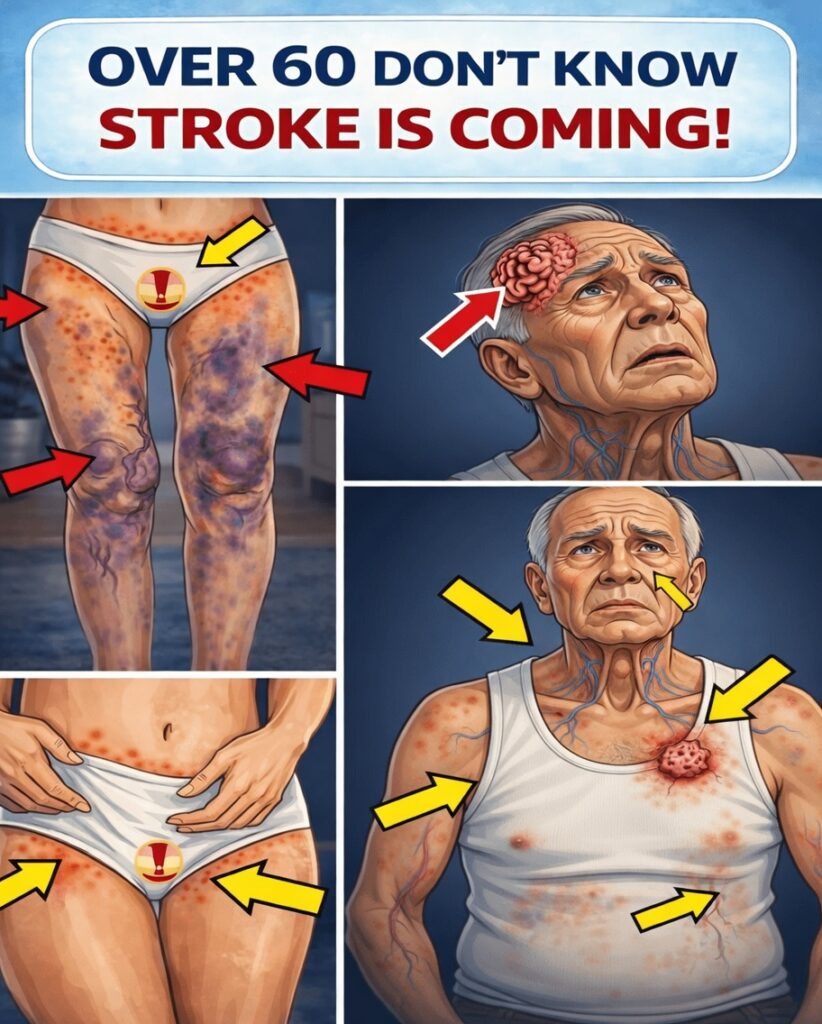
Stroke Risk in Women Over 60: 10 Leg Changes You Shouldn’t Ignore
Stroke continues to be a major cause of death and long-term disability worldwide—and women are more likely than men to have a fatal outcome. Organizations such as the American Heart Association report that stroke claims more women’s lives each year, and women represent a large share of stroke-related deaths.
For many women over 60, small changes in the legs can be easy to dismiss as “just aging.” Yet certain leg symptoms may reflect circulation or vascular problems that also increase stroke risk. Noticing what’s happening in your legs—and acting early—can help protect mobility, independence, and overall health.
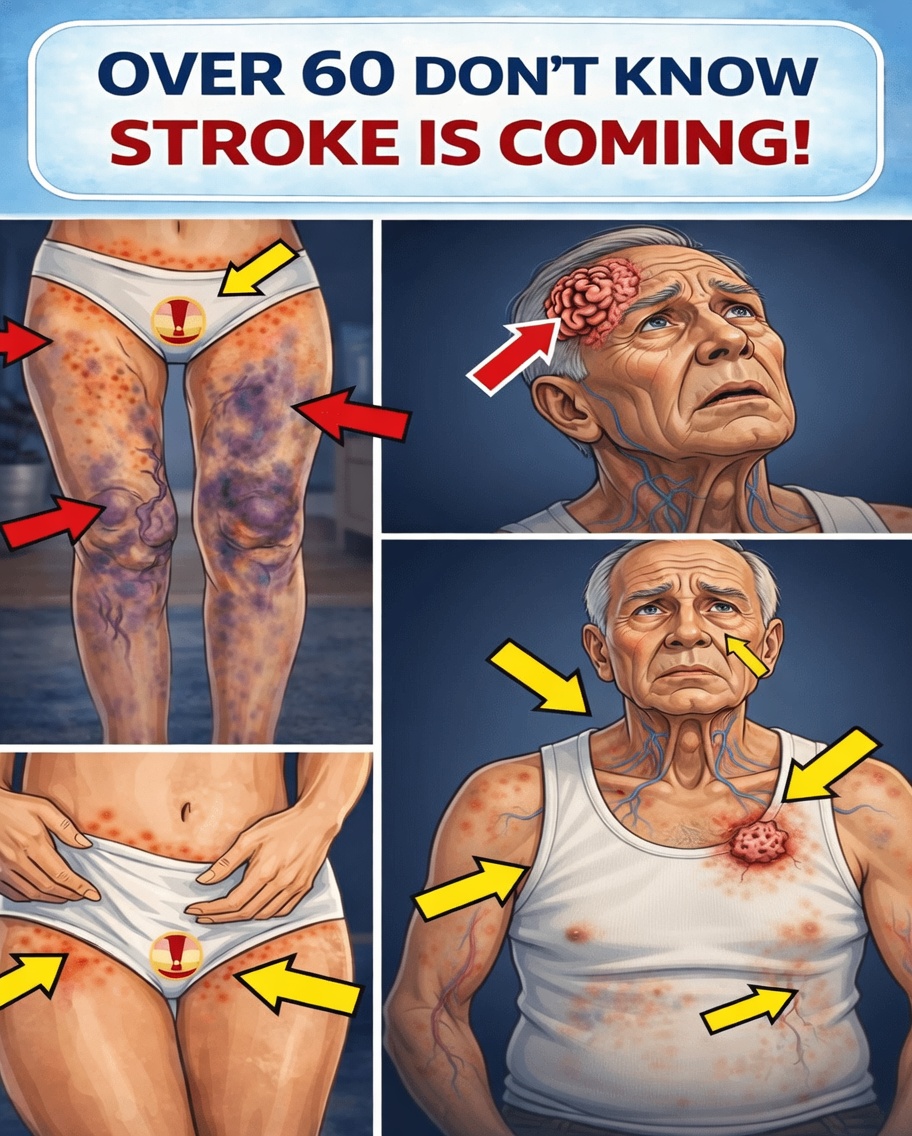
The positive takeaway: spotting patterns early and discussing them with a healthcare professional can lead to timely testing, prevention strategies, and peace of mind. Below are 10 leg-related warning signs, why they matter, and simple ways to monitor them at home.
Why Leg Symptoms Can Signal Bigger Vascular Concerns in Women Over 60
It’s normal for aging to bring slower walking speed, occasional soreness, or leg fatigue after activity. However, some changes go beyond typical wear-and-tear. Vascular health in the legs is closely connected to vascular health elsewhere in the body—including the brain.
Issues such as artery narrowing, plaque buildup, or blood-clot risk may show up as leg problems first. Many women attribute these symptoms to arthritis, “poor circulation,” or sitting too long, but persistent or sudden changes may deserve a closer look—especially because women can experience stroke-related symptoms in less obvious ways.
1) Sudden One-Sided Leg Weakness (Possible TIA Warning)
A rapid onset of heaviness, weakness, or loss of control in one leg—making it difficult to stand, step, or support your weight—should be treated as urgent.
This can be associated with a transient ischemic attack (TIA), sometimes called a “mini-stroke,” where blood flow to part of the brain is briefly reduced. TIAs can precede a larger stroke, and the risk can be higher in the days and weeks afterward.
- Quick self-check: While seated, lift one leg at a time. Is one noticeably harder to raise or hold up?
- What to do: Contact a medical professional immediately. If it’s sudden or paired with other symptoms (face drooping, speech trouble), seek emergency care.
2) Claudication: Leg Pain While Walking That Improves With Rest
If your calf (or thigh) pain reliably appears after walking a certain distance and eases when you stop, this pattern is often called claudication. It commonly relates to peripheral artery disease (PAD)—narrowed leg arteries that reduce oxygen delivery to working muscles.
PAD is important because the same plaque-building process can affect arteries supplying the brain, raising the likelihood of cardiovascular events, including stroke.
- Self-check: Track how far you can walk before pain begins and whether it occurs in the same location each time.
- Why it matters: Early evaluation can reduce complications and improve walking comfort.
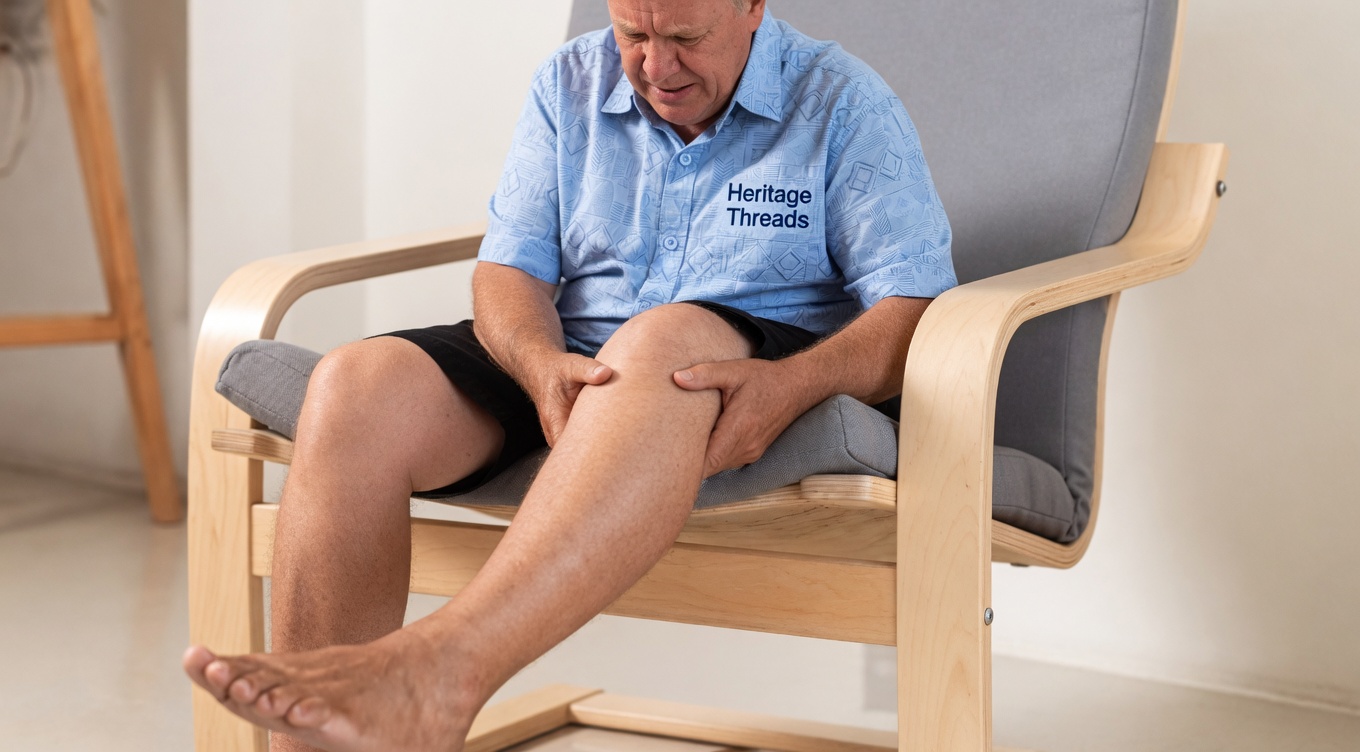
3) Swelling in One Leg (Especially Sudden or Warm to the Touch)
A noticeable size difference—where one leg becomes swollen, warm, or tender—can indicate deep vein thrombosis (DVT), a blood clot in a deep vein. DVT is a medical issue that needs prompt assessment.
In certain situations, clots can contribute to serious complications affecting circulation and, in some people, may be linked to stroke risk pathways.
- Daily habit: Compare both legs each morning (especially calves and ankles).
- Important note: Don’t self-treat sudden one-sided swelling without medical advice.
4) Ongoing Numbness or Tingling in One Leg
Pins-and-needles or reduced sensation that persists—particularly on one side—may be brushed off as posture, back problems, or nerve irritation. However, in some cases, sensory changes can reflect circulation problems or neurological involvement.
- Self-check: Is the numbness patchy or widespread? Does it come and go? How long does it last?
- Helpful step: Write down timing and triggers so your clinician can evaluate patterns accurately.
5) One Foot Consistently Colder Than the Other
If one foot is repeatedly cooler to the touch than the other, it can suggest unequal blood flow due to narrowing or blockage in leg arteries.
- Simple check: After resting, feel both feet. If the temperature difference is consistent over multiple days, bring it up with your provider.
- Why it matters: Addressing reduced circulation early can help prevent progression.
6) Nighttime Leg Cramps That Wake You Up
Occasional cramps happen, but frequent night cramps—especially those that improve when you hang your legs off the bed—may point to circulation limitations that worsen when lying down.
- Clue to watch: Repeated episodes that disrupt sleep and improve with position changes.
- Next step: Discuss with a clinician, particularly if other vascular symptoms are present.
7) Foot Drop or Unexplained Tripping
If you suddenly have trouble lifting the front of your foot (toes dragging, stumbling, tripping “for no reason”), it may indicate disrupted nerve signaling. When this appears abruptly and persists, it deserves timely medical evaluation.
- Self-check: Notice whether your toe catches the floor more often or your gait changes unexpectedly.
- Act early: New neurological-style symptoms should not be ignored.
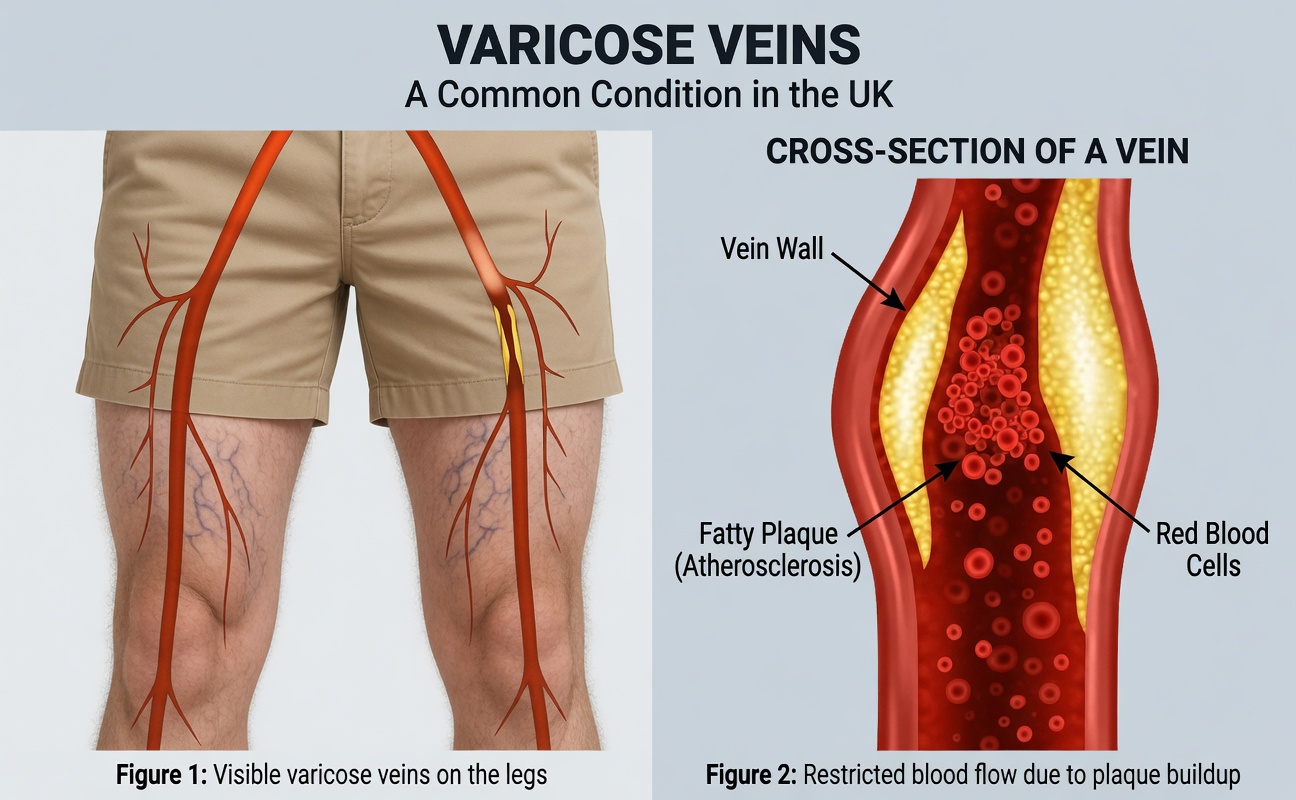
8) Rapid Changes in Varicose Veins (New Pain, Redness, Tenderness)
Varicose veins are common, but a sudden shift—such as increased swelling, redness, warmth, or pain—can sometimes signal inflammation or clot involvement that needs prompt review.
- What to watch: A vein that becomes unusually tender or looks suddenly more prominent.
- Why act quickly: Some vein-related clots require medical treatment.
9) Restless Legs That Suddenly Get Much Worse
A strong urge to move the legs—especially during rest or at night—can have multiple causes. If restless legs symptoms sharply intensify and coincide with other circulation changes, it’s worth discussing as part of a broader health picture.
- Track it: Note frequency, sleep disruption, and whether other leg symptoms are also changing.
10) The Biggest Red Flag: Several Leg Symptoms Plus Other Stroke Risk Factors
Any one sign may have a non-stroke explanation. But when multiple leg symptoms appear together—especially alongside common stroke risk factors—the concern level increases.
Key risk factors include:
- High blood pressure
- Diabetes
- Smoking history
- Atrial fibrillation (irregular heartbeat)
- High cholesterol
- Prior TIA or cardiovascular disease
Women over 60 often have overlapping risks related to age and other medical conditions, which makes regular check-ins and early testing especially valuable.
Practical Steps You Can Take Today
- Do a daily leg symmetry scan: Compare strength, swelling, skin color, temperature, and sensation between both legs.
- Keep a symptom log: Record onset, duration, triggers (walking, rest, nighttime), and severity.
- Move safely and consistently: Gentle walking, ankle pumps, and seated leg raises can support circulation (within your ability and your clinician’s guidance).
- Know the FAST stroke signs:
- Face drooping
- Arm weakness
- Speech difficulty
- Time to call emergency services
- Schedule routine medical visits: Ask about evaluations such as the ankle-brachial index (ABI) or ultrasound when appropriate.
Conclusion: Awareness Protects Independence
Your legs support everything from daily errands to travel, family time, and independence. Paying attention to subtle changes isn’t about panic—it’s a smart way to protect your long-term vitality. Many women stay healthier longer by recognizing early clues, getting assessed promptly, and partnering with healthcare professionals.
FAQ
What should I do if I notice sudden leg weakness?
Treat it as urgent. Seek immediate medical attention because it could be a TIA or another serious condition. If it’s sudden or comes with FAST symptoms, call emergency services.
Are these leg signs always caused by stroke?
No. Many can result from arthritis, nerve compression, vein problems, or other conditions. Still, for women over 60, these symptoms should be discussed with a healthcare provider to rule out vascular risks.
How can I reduce overall stroke risk?
Prioritize blood pressure control, regular physical activity, heart-healthy eating, not smoking, and following your clinician’s plan for cholesterol, diabetes, or atrial fibrillation management.