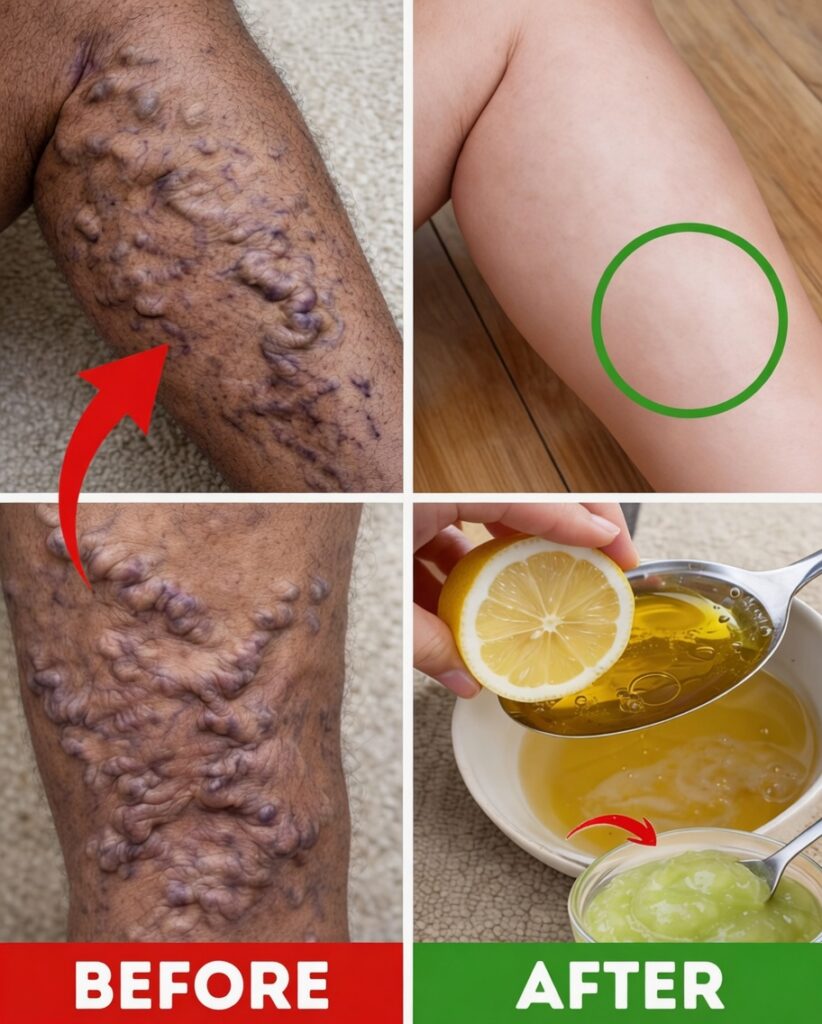
Varicose veins affect millions of people worldwide. In the United States alone, estimates suggest about 23% of adults develop these enlarged, twisted veins—most commonly on the legs. Beyond appearance, varicose veins can cause aching, heaviness, swelling, and fatigue, making routine activities like standing, walking, or working long shifts feel more difficult.
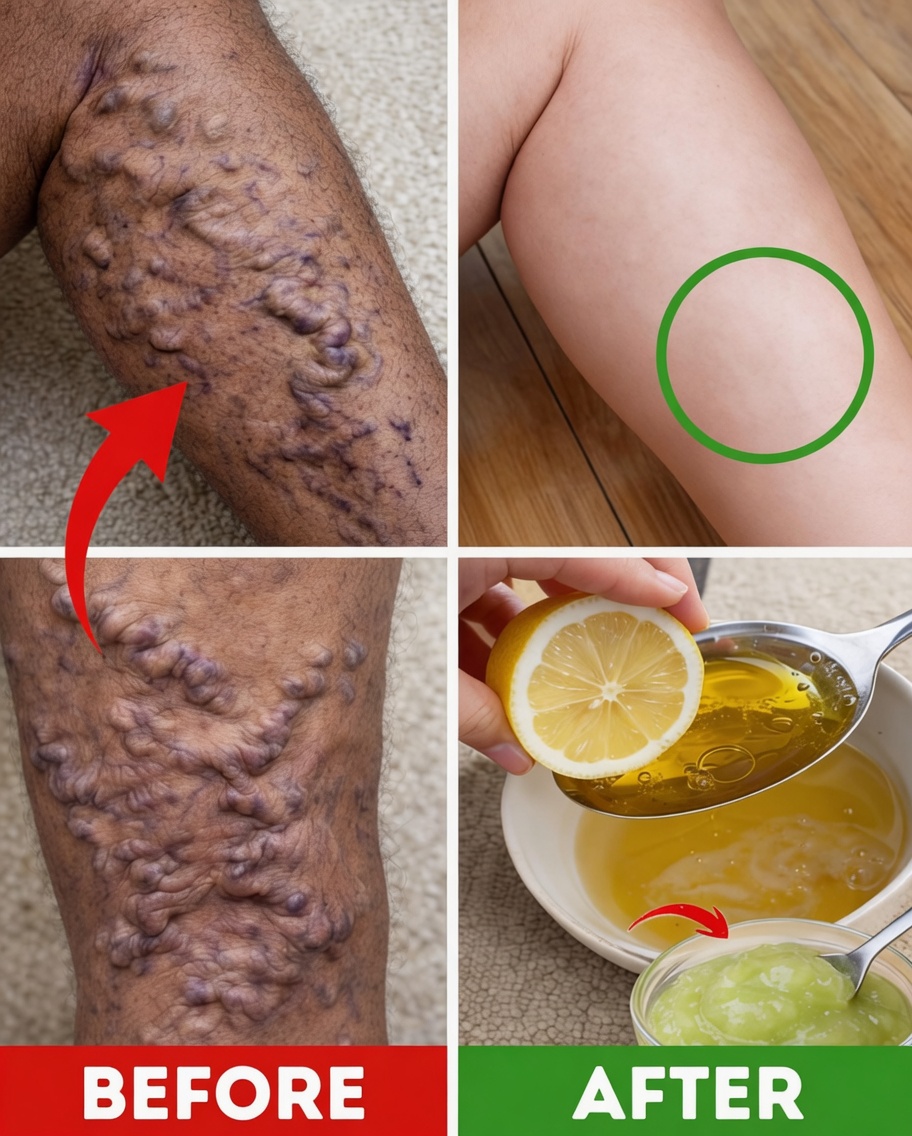
The encouraging part is that simple, consistent lifestyle habits can support healthier blood flow and may help reduce day-to-day discomfort. Below are practical, research-informed strategies commonly recommended by reputable health sources and vascular experts—plus one frequently overlooked habit that helps tie many of them together.
How Poor Leg Circulation Contributes to Varicose Veins
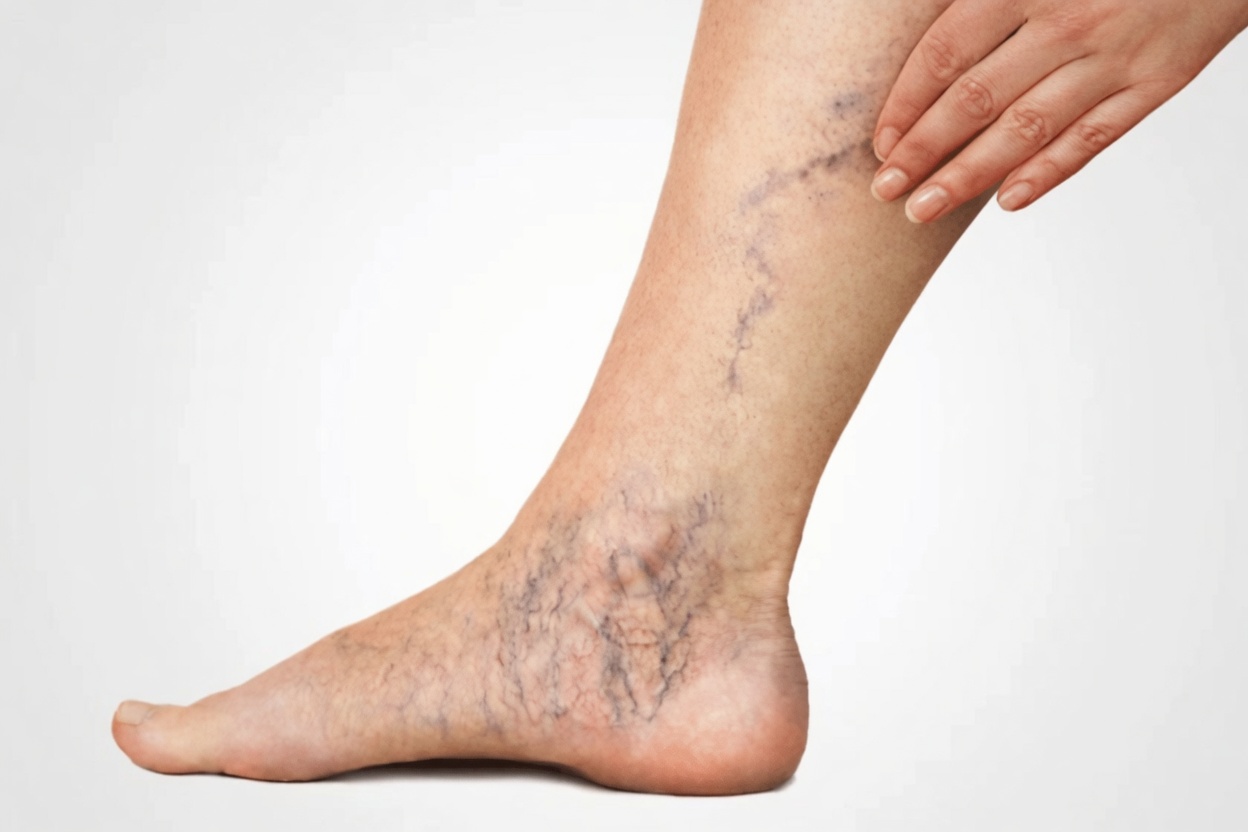
Varicose veins often develop when vein walls weaken and one-way valves stop working efficiently. Instead of moving smoothly upward toward the heart, blood can pool in the legs, increasing pressure and causing veins to bulge. Many adults—especially those over 40—report symptoms such as:
- Leg heaviness or aching
- Swelling around ankles or calves
- Visible, rope-like veins
- Fatigue, tingling, or a “restless” leg sensation
While early symptoms may seem mild or mostly cosmetic, they can progress without supportive daily habits. Rather than relying only on quick fixes, a more sustainable approach focuses on movement, circulation-friendly nutrition, and routine recovery practices.
10 Everyday Habits That May Help Support Circulation and Varicose Vein Symptoms
1) Stay Well-Hydrated Every Day
Adequate water intake helps maintain healthier blood viscosity (how “thick” blood is), which can support smoother circulation and reduce unnecessary strain on blood vessels.
- Aim for around 8 glasses of water daily, and more if you sweat heavily or live in a hot climate.
- Add lemon for taste and a small vitamin C boost, which supports vascular health.
Quick self-check: Rate your hydration from 1–10. If it’s low, tracking water for one week is often an easy, high-impact change.
2) Use Gentle Massage to Encourage Flow
Light massage may support the movement of blood and fluid in the legs, especially after long periods of standing or sitting.
- Use your hands or a soft massage tool with a small amount of oil (such as olive oil).
- Massage upward from ankles toward the heart for 10–15 minutes, a few times per week.
- Keep pressure gentle and avoid pressing directly on prominent varicose veins.
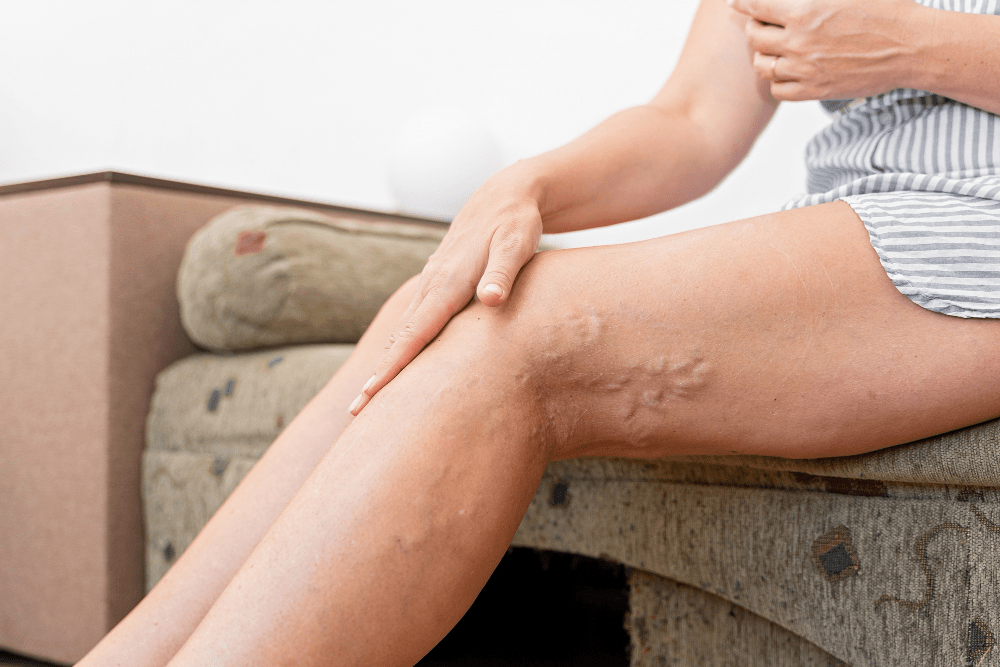
A simple routine like this can feel soothing immediately and may help reduce the sensation of tightness over time.
3) Elevate Your Legs Regularly
Leg elevation uses gravity to help blood return toward the heart, which can reduce venous pressure and help ease swelling.
- Lie down and raise legs on pillows so they’re above heart level.
- Try 15–20 minutes, 2–3 times per day (while reading, resting, or winding down).
4) Eat More Folate- and Flavonoid-Rich Foods
Nutrition plays a meaningful role in vascular support. Folate helps maintain healthy blood cells, and flavonoids are linked in nutrition research to improved vessel function.
Easy options to add more often:
- Folate foods: spinach, leafy greens, avocado, legumes
- Flavonoid foods: berries, citrus fruits, grapes, onions
A practical goal is adding one leafy-green serving daily, such as spinach in a salad or smoothie.
5) Drink Green Tea (Unsweetened)
Green tea contains polyphenols (including catechins) that have been studied for their potential to support endothelial function and healthy blood vessel response.
- Drink 1–2 cups daily, unsweetened.
- Add ginger if you enjoy a warming, circulation-friendly combination.
6) Choose Loose, Comfortable Clothing
Tight garments can restrict circulation, especially when they compress areas like the waist, groin, or thighs.
- Choose breathable pants and avoid overly tight waistbands.
- Prioritize comfort during long workdays or travel, when blood tends to pool in the legs.
7) If You Smoke, Consider Quitting
Smoking is strongly associated with blood vessel damage and reduced oxygen delivery. Over time, it can worsen circulation and vascular function.
Supportive ways to start:
- Gradual reduction plans
- Counseling or support groups
- Quit-smoking apps and structured programs
Many people notice improvements in energy and circulation within weeks of stopping.
8) Add Warming Spices to Meals
Certain spices contain compounds that may support circulation and vessel relaxation.
Try incorporating:
- Cayenne (capsaicin)
- Ginger
- Garlic
Simple ideas:
- Add a pinch of cayenne to eggs or soups
- Stir ginger into tea
- Use garlic regularly in savory meals
If you’re sensitive to spice, start with small amounts.
9) Drink Red Wine in Moderation (If You Already Drink Alcohol)
Red wine contains antioxidants such as resveratrol, which has been studied for possible vascular-supportive effects. This is not a recommendation to start drinking—but for those who already do, moderation matters.
- Limit to no more than one glass per day, if appropriate.
- Check with your healthcare provider if you have conditions or take medications affected by alcohol.
10) Walk Daily (With a Pet or On Your Own)
Walking is one of the most practical habits for leg circulation because the calf muscles act like a pump, helping move blood upward through the veins.
- Aim for 20–30 minutes per day.
- Walk with a dog, a friend, or alone—what matters most is consistency.
This is the “often-overlooked” habit: regular walking supports nearly every other strategy by improving circulation, encouraging recovery, and building a sustainable routine.
Quick “Problem → Habit” Guide
- Swollen legs after standing → Elevate legs for 15–20 minutes
- Heavy, tight feeling → Gentle upward massage
- General fatigue and sluggish circulation → Hydration + daily walking
Putting It All Together: Build a Simple Circulation Routine
Start with one or two habits you can maintain without effort—such as hydration and leg elevation—then layer in others over time. Keeping changes small but consistent often produces the best long-term results.
Consider tracking:
- Swelling level (morning vs. evening)
- Leg heaviness after work
- Weekly walking minutes
- Hydration consistency
Natural Habits vs. Other Options (High-Level Comparison)
- Lifestyle habits: low cost, sustainable, minimal side effects for most people
- Other approaches: may involve higher costs, medications, or procedures and can carry risks depending on the method
Lifestyle support can be valuable, but it doesn’t replace evaluation and treatment when needed.
FAQ
How soon can these habits make a difference?
Many people notice small improvements in comfort within 2–4 weeks of consistent practice, though results vary by individual and severity.
Are these tips safe for everyone?
Most are gentle lifestyle adjustments, but it’s important to check with your doctor, especially if you have chronic conditions, significant swelling, or take medications.
Can these habits replace medical treatment for varicose veins?
No. These strategies may help manage symptoms and support circulation, but they do not repair damaged valves or eliminate the underlying cause.
Medical Disclaimer
This article is for informational purposes only and does not replace professional medical advice. Always consult a qualified healthcare provider before making health changes, especially if you have existing medical conditions or concerns.