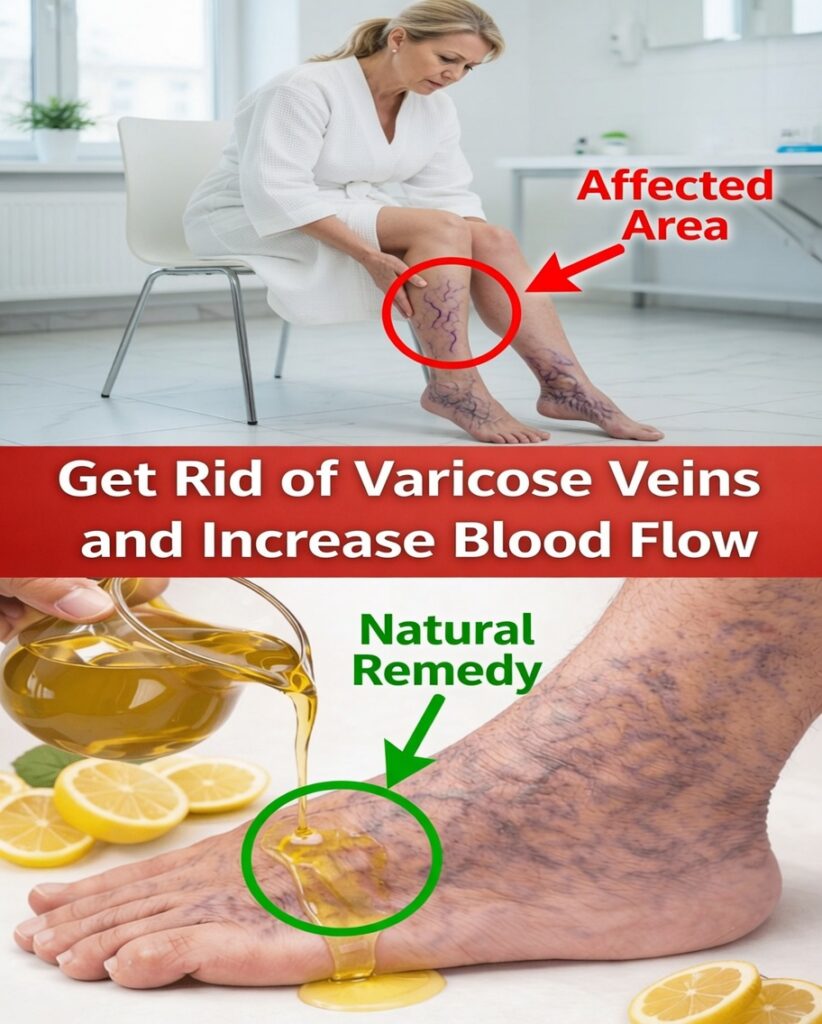
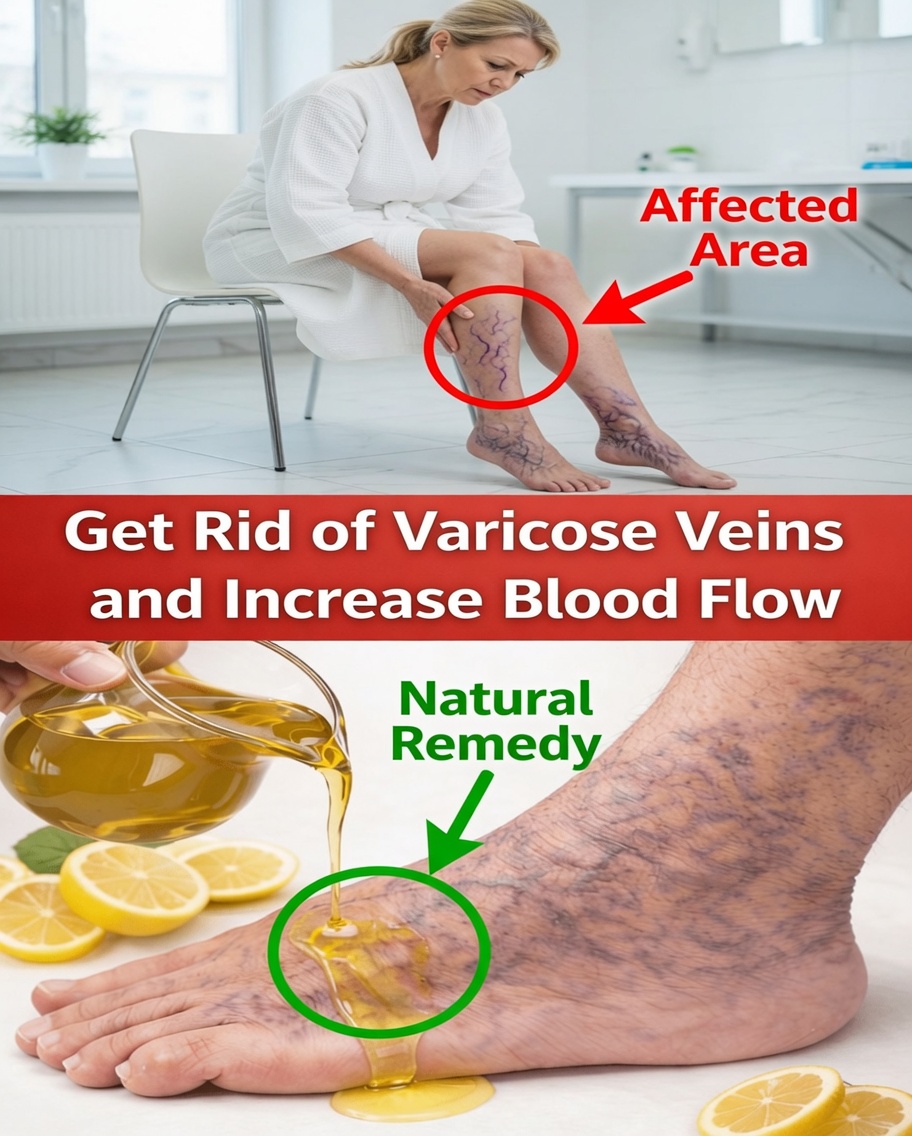
Natural Ways to Support Varicose Veins and Feel Lighter Legs
That deep heaviness and aching in your legs after a long day can make everyday activities feel harder than they should—especially when varicose veins bring visible bulging, swelling, and ongoing discomfort. Symptoms often intensify after long periods of standing or sitting, and the mix of fatigue and self-consciousness can take a real toll on energy and confidence.
The good news is that several natural lifestyle habits may help support healthier circulation, reduce fluid pooling, and ease common discomfort linked to varicose veins. Below is a simple countdown of the most practical steps—starting with the easiest to adopt.
#10: Prioritize Daily Hydration for Better Circulation
When you’re dehydrated, blood can become thicker and move less efficiently—adding extra strain to veins that are already under pressure from varicose veins. For many people, consistent hydration helps reduce that sluggish, heavy-leg feeling.
Aim for roughly eight glasses of water per day (more if you’re active or in a hot climate). Steady hydration supports healthier blood volume and smoother flow—and it sets the stage for the next habit.
#9: Choose Low-Heel Shoes and Avoid Tight Clothing
High heels and restrictive clothing can interfere with normal blood movement, which may worsen pooling in the legs—often a key issue with varicose veins. The result can be increased evening swelling, pressure, and discomfort.
- Switch to flat or low-heel shoes to help your calf muscles work naturally as you walk
- Wear looser clothing around the waist, hips, and legs to reduce external constriction
Small wardrobe changes can make a noticeable difference in daily comfort.
#8: Make Leg Elevation Part of Your Day
Gravity constantly pushes blood downward, and with varicose veins this can lead to fluid accumulation and the familiar “full” or heavy sensation. Elevating your legs is a simple way to encourage drainage.
Try this routine:
- Raise legs above heart level
- Hold for 15–20 minutes, a few times per day
Many people report less swelling and a lighter feeling shortly afterward.
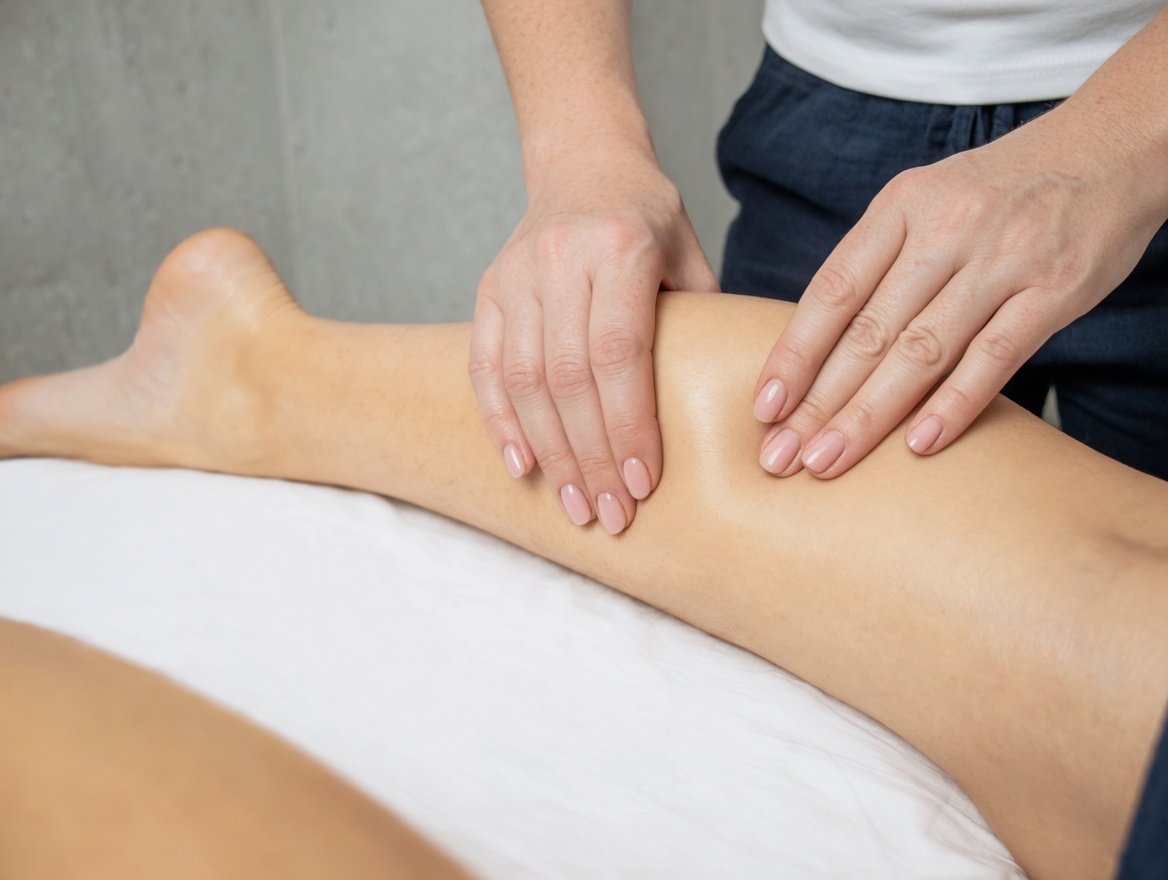
#7: Use Gentle, Upward Leg Massage
Fluid stagnation can intensify swelling and soreness associated with varicose veins. A careful, light massage may help encourage fluid movement and ease discomfort.
- Use soft upward strokes, moving from ankles toward thighs
- Keep pressure gentle—avoid aggressive rubbing over bulging veins
- Pair massage with leg elevation for added relief
This can be both soothing and practical after long days.
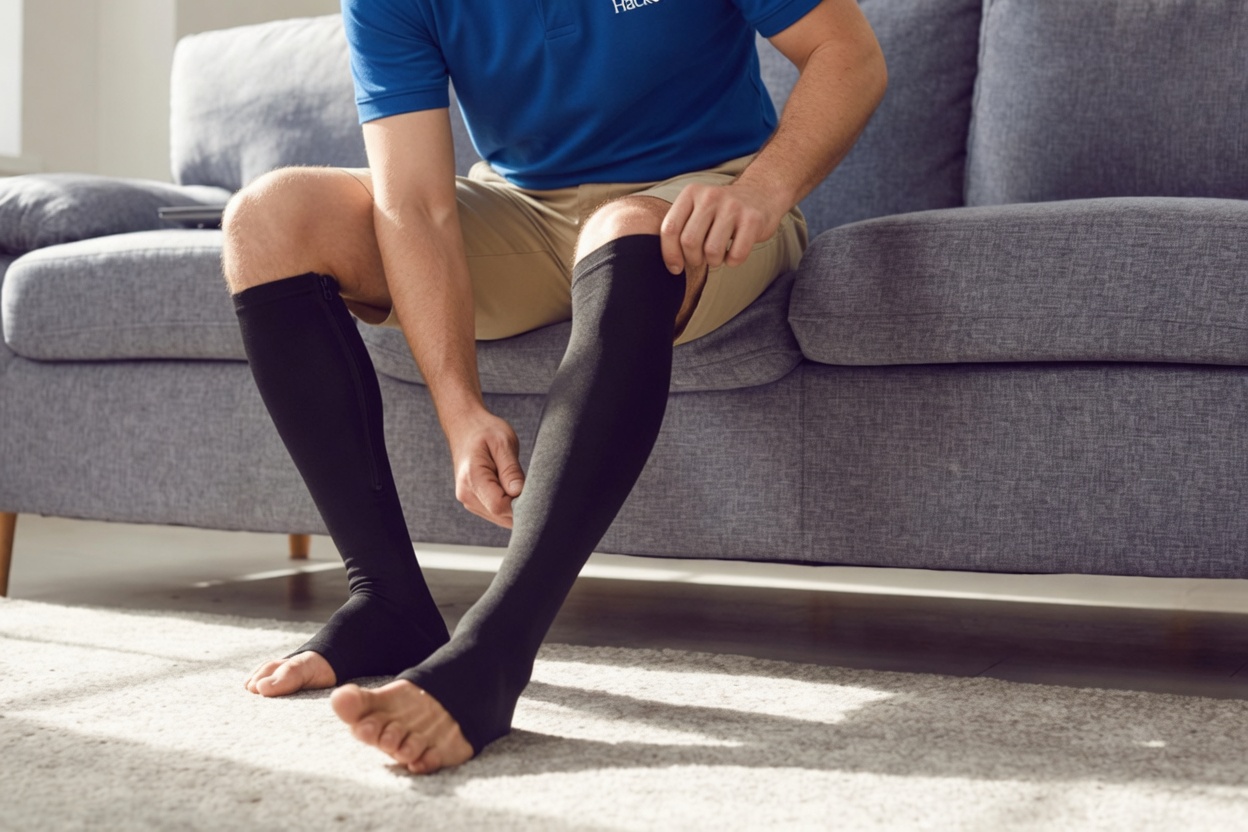
#6: Add Compression Stockings to Your Routine
Varicose veins commonly involve weakened valves, allowing blood to fall back and pool in the lower legs. Compression stockings apply graduated pressure to support upward blood flow.
Helpful tips:
- Consider knee-high stockings with moderate compression (often 15–20 mmHg)
- Wear them consistently during the day for best symptom support
- Many people notice reduced aching and swelling within a few weeks
They can feel like steady, gentle reinforcement when you’re on your feet.
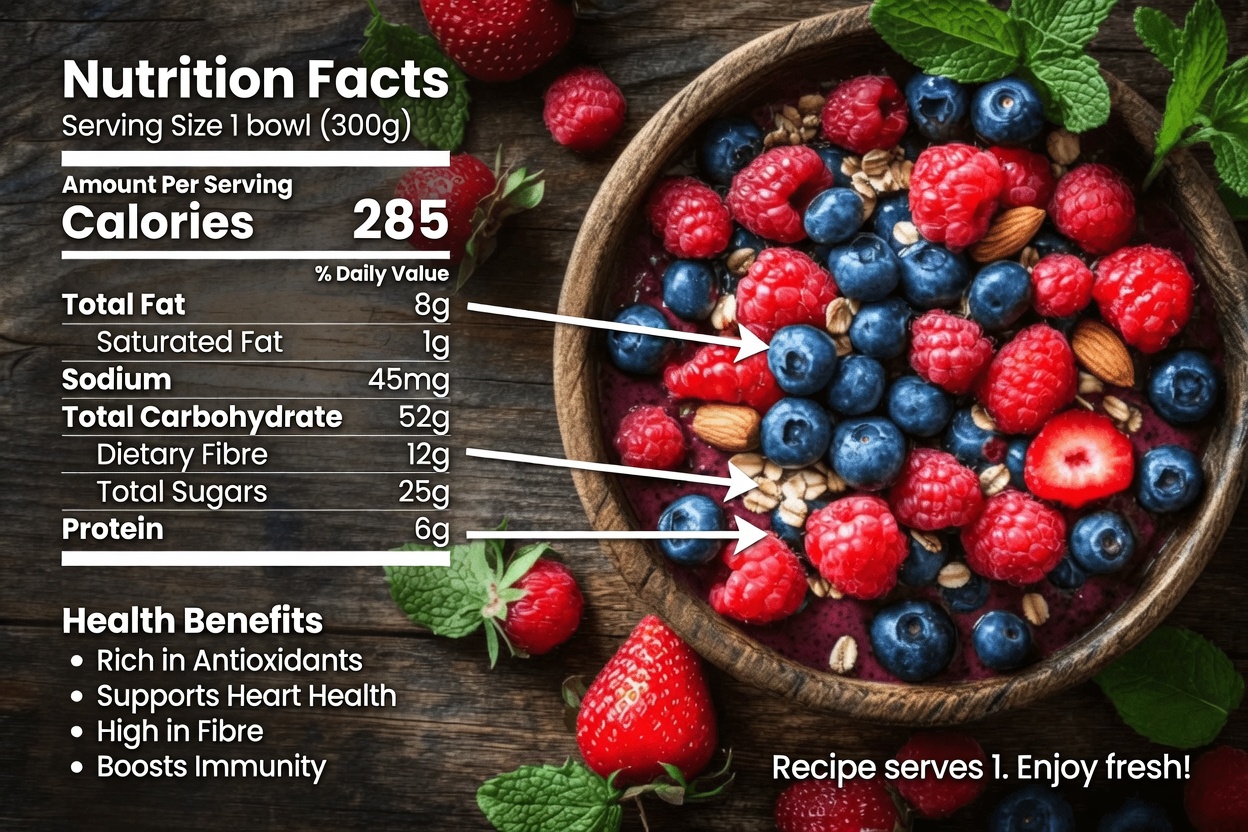
#5: Eat More Flavonoid-Rich Foods for Vein Support
Weakened vein walls can contribute to the enlarged, twisted appearance of varicose veins. Flavonoids—plant-based compounds—may help support blood vessel tone and reduce inflammation.
Add these foods regularly:
- Berries (strawberries, blueberries, raspberries)
- Citrus fruits (oranges, grapefruit)
- Grapes
- Dark leafy greens
These choices provide antioxidants that may support circulation and vessel health over time.
#4: Commit to Regular Low-Impact Movement
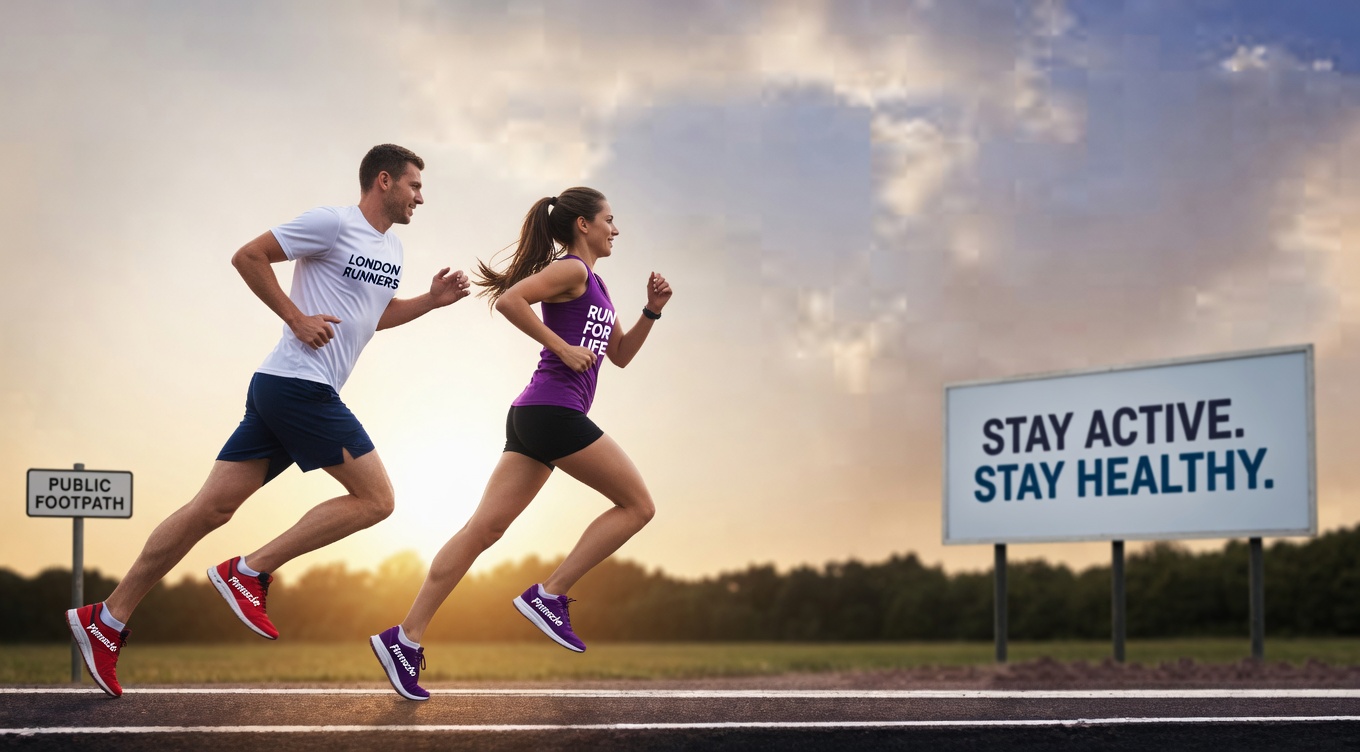
Sitting too long can slow blood return from the legs—especially in people managing varicose veins. Low-impact activity activates the calf “muscle pump,” helping blood move upward.
Great options include:
- Walking
- Swimming
- Cycling
Aim for about 30 minutes most days, adjusting to your current fitness level. Movement can also support weight balance, which reduces pressure on leg veins.
#3: Learn About Horse Chestnut Seed Extract
If chronic swelling and heaviness disrupt your routine, horse chestnut seed extract (often standardized to aescin) has been studied for vein-related discomfort.
Research suggests it may help:
- Reduce leg swelling
- Ease symptoms like heaviness and discomfort
Because supplements can interact with medications and aren’t suitable for everyone, consult a qualified healthcare professional before using horse chestnut for varicose veins.
#2: Consider Grape Seed or Pine Bark Extracts
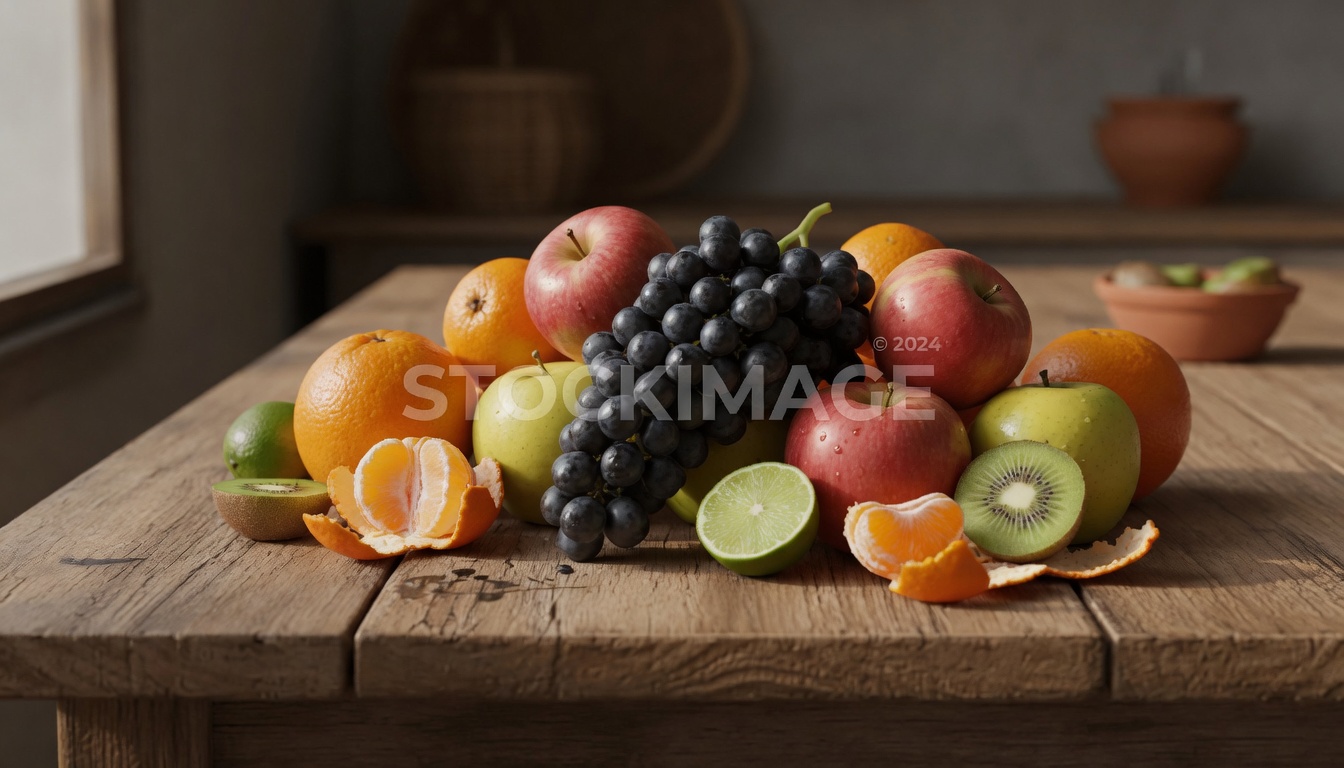
Oxidative stress can weaken vessel structure over time, which may contribute to varicose vein symptoms. Grape seed and pine bark extracts contain proanthocyanidins—strong antioxidant compounds that may support blood vessel integrity.
Early evidence links these extracts to:
- Better vessel support
- Reduced swelling and inflammation
As with any supplement, discuss safety, dosing, and interactions with your healthcare provider.
#1: Maintain a Healthy Weight to Reduce Vein Pressure
Excess body weight increases pressure on leg veins, often aggravating varicose veins and worsening swelling and fatigue. Even modest weight reduction can decrease strain and improve day-to-day comfort.
Long-term results tend to be strongest when weight management is combined with:
- Consistent movement
- A nutrient-rich diet
- Supportive daily habits (like compression and elevation)
For many, this is the foundation that makes other strategies work better.
Quick Comparison: How These Natural Habits May Help Varicose Veins
- Daily hydration: supports healthy blood fluidity and flow; very easy to start
- Low-heel shoes + loose clothing: reduces external restriction; easy
- Leg elevation: helps reduce pooling using gravity; very easy
- Gentle upward massage: supports fluid movement; easy
- Compression stockings: provides graduated support for upward flow; moderate (best with proper fit)
- Flavonoid-rich foods: antioxidants and vessel support; easy
- Low-impact exercise: activates calf muscle pump; moderate
- Horse chestnut extract: may reduce swelling and heaviness; moderate (medical guidance advised)
- Grape seed/pine bark extract: antioxidant vessel support; moderate (medical guidance advised)
- Healthy weight: reduces overall vein pressure; requires ongoing commitment
Combining several approaches often delivers the most noticeable symptom relief.
Practical Ways to Start Safely
To support varicose veins naturally, begin with a simple plan:
- Start with 2–3 habits (for example: hydration, elevation, and walking) and track changes weekly
- Get professionally fitted compression stockings for comfort and effectiveness
- Add flavonoid foods gradually (try one daily serving of berries or citrus)
- Speak with your clinician before trying horse chestnut, grape seed, or pine bark extracts
- Build activity slowly (even 10-minute walks are a strong start)
- Watch your symptoms; seek medical advice if swelling, pain, or skin changes worsen
Consistency is what turns small steps into meaningful support.
Bringing It All Together for Daily Comfort
These ten natural strategies—ranging from hydration and movement to diet choices and weight support—offer practical ways to reduce daily discomfort and encourage healthier circulation for varicose veins. Many people find the best results by pairing methods, such as walking + compression, or flavonoid-rich foods + leg elevation.
Choose one or two actions to start this week—like elevating your legs in the evening or adding berries to breakfast—and pay attention to how your legs feel over time.
Frequently Asked Questions
Can natural methods fix varicose veins on their own?
They may ease symptoms and support circulation, but they work best alongside professional evaluation—especially if symptoms are progressing.
How long does it take to feel a difference?
Some people notice lighter legs within a few weeks, but timelines vary. Regular, consistent habits matter most.
Are compression stockings safe for everyone?
They are often safe when properly fitted, but anyone with circulation problems or medical conditions should check with a healthcare provider first.
Medical Disclaimer
This article is for informational purposes only and is not a substitute for professional medical advice, diagnosis, or treatment.