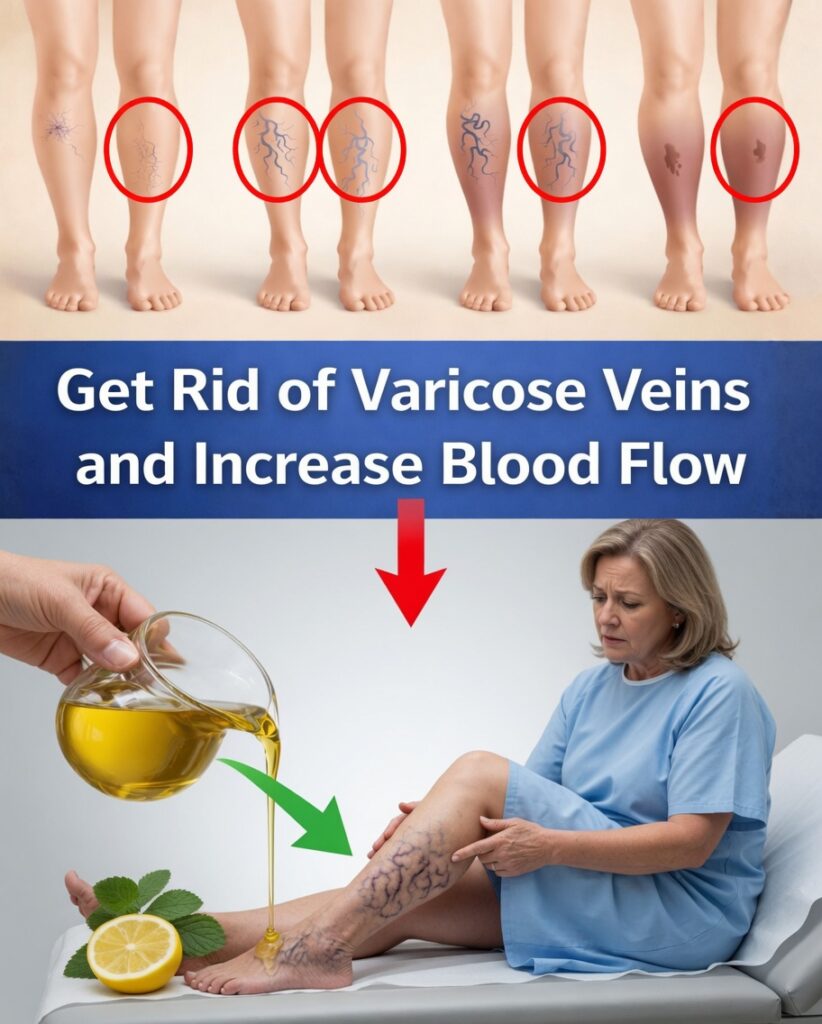
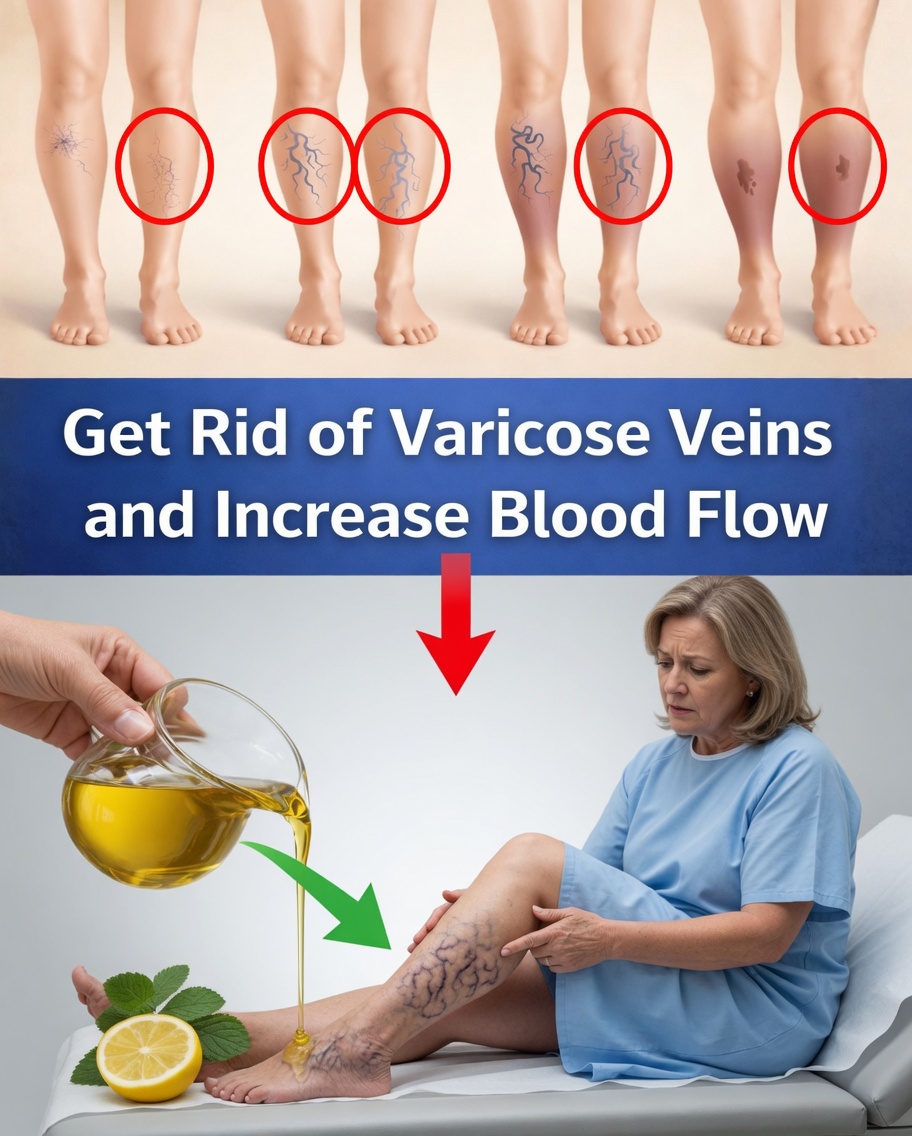
Have you ever wrapped up a long day standing or walking, only to feel your legs turn heavy and sore—while blue or purple veins seem more obvious than before? Varicose veins are extremely common and are often connected to aging, pregnancy, long periods of sitting or standing, and family history. Along with their visible appearance, they can bring swelling, fatigue, aching, and discomfort that make daily routines feel more draining.
The good news: many people reduce day-to-day symptoms with steady, gentle lifestyle changes that support healthier circulation. Evidence and clinical guidance consistently point to practical habits that can help legs feel lighter over time.
10 Practical, Evidence-Informed Ways to Support Vein Comfort
If you’re wondering whether a few simple routines could improve that tired, pressured sensation, the strategies below are a strong place to start. They range from quick daily adjustments to supportive tools and supplements that some people find helpful.
1) Stay Hydrated to Support Smooth Blood Flow
When you’re dehydrated, blood can become more concentrated, which may make it harder to circulate efficiently—especially from the legs back to the heart. Drinking enough water helps maintain healthy blood volume and fluid balance, both of which support circulation.
- Aim for about 8 glasses (around 2 liters) per day
- Increase intake if you exercise, travel, or live in a hot climate
- Add lemon or cucumber if it helps you drink more consistently
Hydration works even better when paired with regular movement.
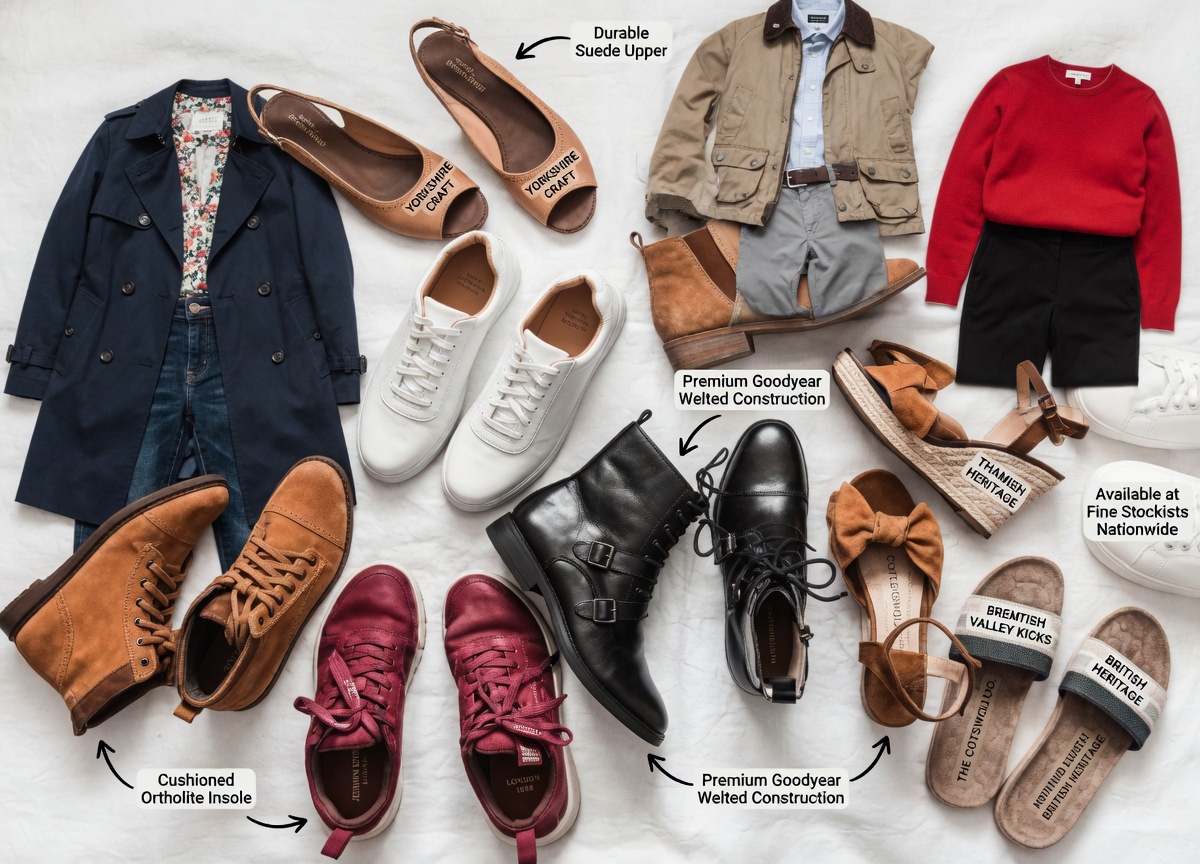
2) Choose Supportive Footwear and Avoid Restrictive Clothing
High heels can reduce natural calf activation, while tight waistbands or snug clothing around the legs/groin may limit comfortable blood return from the lower body. Switching to flats or low heels encourages the calf muscles to work more effectively—like a natural pump with every step.
Experts commonly advise:
- Prefer low-heeled or flat shoes
- Skip overly tight shapewear or restrictive clothing when possible
Many people notice less end-of-day tightness or swelling with these simple changes.
3) Elevate Your Legs to Reduce Pooling and Pressure
Leg elevation uses gravity to help move fluid out of the lower legs, often easing swelling and heaviness quickly.
Try this routine:
- Lie down and raise legs above heart level
- Support legs with pillows
- Hold for 15–20 minutes, a few times per day (even once helps)
This is a classic, widely recommended approach for venous discomfort.
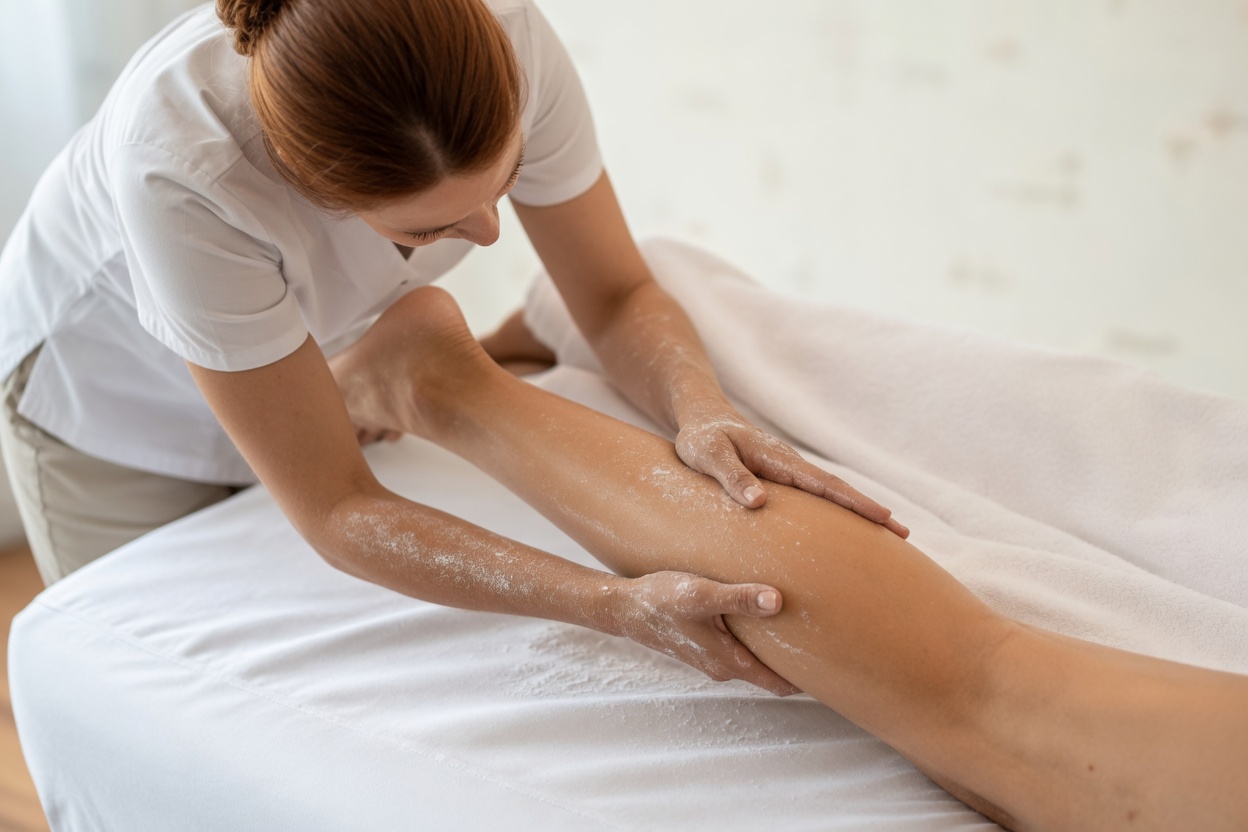
4) Use Gentle Upward Massage (Light Pressure Only)
A soft massage can feel soothing and may encourage fluid movement upward. The key is to keep it gentle, using upward strokes from ankle toward thigh.
Tips:
- Use lotion or oil to reduce friction
- Apply light pressure to avoid irritation
- Combine with leg elevation for added comfort
Massage isn’t a standalone fix, but it can be a relaxing add-on to your routine.
5) Try Graduated Compression Stockings for Daily Support
Compression stockings provide graduated pressure (strongest at the ankle, decreasing upward) to help veins and leg muscles return blood toward the heart—essentially offering an external assist.
Evidence reviews suggest that consistent use can reduce:
- Aching
- Swelling
- Leg fatigue
Guidelines for safer use:
- Consider knee-high compression for everyday comfort
- Get properly sized for fit and ease of wear
- Typically worn during the day, removed at night unless a clinician advises otherwise
6) Eat More Flavonoid-Rich Foods
Flavonoids are plant compounds associated with vascular support and may help reduce inflammation-related puffiness. Adding flavonoid-rich foods is a low-effort way to support circulation over time.
Great options include:
- Berries (blueberries, strawberries)
- Citrus fruits
- Grapes
- Onions
- Dark leafy greens (spinach, kale)
Simple upgrades:
- Add berries to breakfast
- Choose an orange for a snack
- Toss spinach into salads or soups
7) Commit to Low-Impact Movement Most Days
Walking, cycling, and swimming activate the calf muscle pump, which helps push blood upward against gravity. Regular movement also supports a healthy weight—another key factor in vein comfort.
A sustainable target:
- 30 minutes most days, adjusted to your level
If you’re starting from zero, even a 10-minute brisk walk can make legs feel noticeably better by evening.
8) Consider Horse Chestnut Seed Extract (With Medical Guidance)
Standardized horse chestnut seed extract (often associated with the compound aescin) has been studied for chronic venous discomfort, including leg heaviness and swelling.
Some research reviews suggest it may:
- Reduce swelling
- Ease aching or heaviness in some people
Because supplements can interact with medications or health conditions, it’s important to check with a healthcare professional first.
9) Look Into Grape Seed or Pine Bark Extracts (OPCs)
Grape seed extract and pine bark extract (often sold as Pycnogenol) contain antioxidants called OPCs (oligomeric proanthocyanidins). Early research suggests they may support vessel integrity and help with inflammation-related discomfort.
If you’re considering them:
- Choose standardized, reputable products
- Discuss with your clinician, especially if you take blood thinners or other medications
10) Maintain a Healthy Weight to Reduce Vein Pressure
Extra body weight increases pressure on leg veins and may worsen symptoms. Even modest, gradual changes can reduce strain on the lower-body circulation.
Focus on:
- Sustainable eating patterns
- Regular movement you can maintain
- Consistency over quick results
This step often amplifies the benefits of exercise, compression, and elevation.
Quick Comparison Table: Natural Approaches for Varicose Vein Comfort
-
Stay Hydrated
- Main benefit: Supports healthy blood flow
- How it helps: Maintains fluid balance and circulation
- Ease: Very easy
-
Low-Heel Shoes + Loose Clothing
- Main benefit: Reduces restriction
- How it helps: Promotes freer venous return
- Ease: Easy
-
Leg Elevation
- Main benefit: Reduces pressure and swelling
- How it helps: Uses gravity to reduce pooling
- Ease: Very easy
-
Gentle Upward Massage
- Main benefit: Soothing relief
- How it helps: Encourages upward fluid movement
- Ease: Easy
-
Compression Stockings
- Main benefit: Daily structural support
- How it helps: Assists vein and muscle pumping
- Ease: Moderate
-
Flavonoid-Rich Foods
- Main benefit: Vessel support
- How it helps: Antioxidant and anti-inflammatory effects
- Ease: Easy
-
Low-Impact Exercise
- Main benefit: Improves circulation
- How it helps: Activates calf muscle pump
- Ease: Moderate
-
Horse Chestnut Extract
- Main benefit: May ease swelling/heaviness
- How it helps: Supports venous function in some studies
- Ease: Moderate (medical advice recommended)
-
Grape Seed / Pine Bark Extract
- Main benefit: Antioxidant support
- How it helps: May strengthen vessels and reduce discomfort
- Ease: Moderate (medical advice recommended)
-
Healthy Weight Maintenance
- Main benefit: Reduces vein load
- How it helps: Lowers ongoing pressure on leg veins
- Ease: Ongoing effort
How to Start Safely (Without Overhauling Your Life)
- Begin small: pick 2–3 habits and reassess after 1–2 weeks
- Use compression correctly: get the right size, wear during active hours, remove at night unless advised otherwise
- Be cautious with supplements: select standardized products and check for interactions with a clinician
- Stay consistent: daily routines tend to deliver gradual improvement
- Monitor symptoms: if discomfort worsens or doesn’t improve, seek professional evaluation
Many people find that simple combinations—like short daily walks plus leg elevation—lead to noticeably lighter, more comfortable legs.
Quick tip: During long meetings or travel, do ankle pumps (flex and point your feet) 10 times to encourage circulation while seated.
FAQ
How long does it take to notice improvements in leg comfort with these habits?
Many people report less heaviness or reduced swelling within a few days to a few weeks, especially with consistent hydration, movement, and leg elevation. Longer-term improvements often depend on factors like severity, daily routine, and consistency with supportive habits.