Chronic inflammation can affect many adults without obvious warning signs. Over time, it may show up as ongoing fatigue, occasional joint discomfort, unpredictable energy dips, and a sense of “aging faster than expected.” People in their 40s, 50s, and beyond often face these issues even when they eat reasonably well and stay active—sometimes relying on solutions that offer only short-lived relief or come with downsides.
Now picture a small, nutrient-rich seed with a long history in traditional wellness routines—easy to use, budget-friendly, and naturally packed with supportive compounds like antioxidants and healthy fats. Both traditional knowledge and emerging research suggest moringa seeds (from Moringa oleifera, widely known as the “tree of life”) may offer broad nutritional support that can complement a modern lifestyle. While moringa leaves are more famous, the seeds have their own standout benefits worth a closer look.
In the guide below, you’ll explore 10 evidence-informed ways moringa seeds may support overall wellness, based on what studies suggest about their bioactive compounds. You’ll also get practical usage tips, a simple daily routine, and realistic guidance to help you decide whether moringa seeds fit your lifestyle.
What Makes Moringa Seeds Nutritionally Unique?
Moringa seeds concentrate impressive nutrition into a very small serving. They typically contain:
- 30–40% protein, including essential amino acids
- Healthy fats, especially oleic acid (a heart-friendly monounsaturated fat)
- Antioxidants such as quercetin and chlorogenic acid
- Bioactive compounds including isothiocyanates, linked in studies to antioxidant and inflammation-modulating activity
The most nutrient-dense portion is the white kernel inside the seed. For a smoother taste and better experience, many people remove the outer shell and any bitter coating.
With that foundation in mind, here’s how the nutrition in moringa seeds may translate into everyday support.
1) Supporting Balanced Blood Sugar
Energy crashes and “afternoon slumps” can be tied to unstable blood sugar. Reviews that include animal research and limited human evidence suggest moringa compounds—especially chlorogenic acid—may support:
- Improved insulin sensitivity
- Slower carbohydrate absorption, which can reduce sharp spikes and dips
This area is promising, but larger human studies are still needed to confirm the effect size and ideal intake.
2) Promoting Gentle Digestive Comfort
Occasional bloating, sluggish digestion, and irregularity can drain your sense of well-being. Moringa seeds contain fiber and have been studied for antimicrobial peptides, which—based on traditional use and early research—may help support:
- A more balanced gut environment
- Comfortable regularity over time
3) Contributing to Heart and Circulation Wellness
Long-term energy depends heavily on healthy circulation. In lab and animal models, moringa seed compounds (including isothiocyanates) show potential to support:
- Blood vessel relaxation
- Pathways related to nitric oxide, an important signaling molecule for vascular function
While this doesn’t replace medical care, it helps explain why moringa is often discussed in the context of cardiovascular support.
4) Helping with Everyday Inflammation
Low-grade, persistent inflammation is commonly associated with fatigue and discomfort. Antioxidants in moringa seeds—such as flavonoids and quercetin—have demonstrated anti-inflammatory and oxidative-stress-modulating potential in research models.
A simple self-check: on a scale of 1–10, how would you rate your typical afternoon energy and comfort? Write it down and compare after a few weeks of consistent habits.
5) Supporting Liver Function and Natural Detox Pathways
The liver works continuously to process metabolic byproducts and environmental stressors. Early studies suggest moringa seed constituents may support:
- Protective antioxidant enzymes (including systems associated with glutathione)
- Liver cell resilience in research models, including fatty-liver contexts
This is best viewed as nutritional support, not a “detox cure.”
6) Supporting Vitality and Midlife Resilience
Midlife changes can affect stamina, motivation, and overall drive. Because moringa seeds provide a concentrated mix of protein, beneficial fats, and antioxidants, they may support:
- More stable daily energy (as part of an overall diet)
- Resilience during periods of higher stress or lifestyle change
Some people also connect improved circulation support with better day-to-day vitality, though individual responses vary.
7) Promoting Skin Health from the Inside Out
Skin appearance often reflects internal balance. Moringa seeds provide nutrients and antioxidants associated with skin support, including:
- Vitamin E
- Zinc
- Free-radical-fighting antioxidant compounds
Together, these may help reduce oxidative stress and support the skin’s natural repair processes over time.
8) Assisting Muscle Maintenance as You Age
Maintaining lean muscle becomes more important with age. Thanks to their complete protein profile, moringa seeds can be a helpful plant-based option to support:
- Muscle maintenance
- Recovery support when paired with adequate calories and strength-building movement
This can be particularly useful for active individuals or those looking to diversify protein sources.
9) Providing Antimicrobial and Immune Support
In lab settings, moringa seed peptides have shown activity against certain bacteria and fungi. While this doesn’t translate directly to treating infections, it may help explain why moringa seeds are discussed for:
- Internal balance support
- Immune-system-friendly nutrition
10) Delivering Antioxidant Protection in Small Amounts
Daily exposure to pollution, stress, and processed foods can increase oxidative load. Moringa seeds contain antioxidants such as quercetin and chlorogenic acid, which may help:
- Neutralize free radicals
- Support cellular-level protection as part of a consistent routine
How to Add Moringa Seeds to Your Routine (Simple and Realistic)
Consistency matters more than intensity. Keep it easy:
- Start small: Begin with 1 seed per day to assess tolerance
- Common preparation options:
- Chew the kernel (after removing the husk)
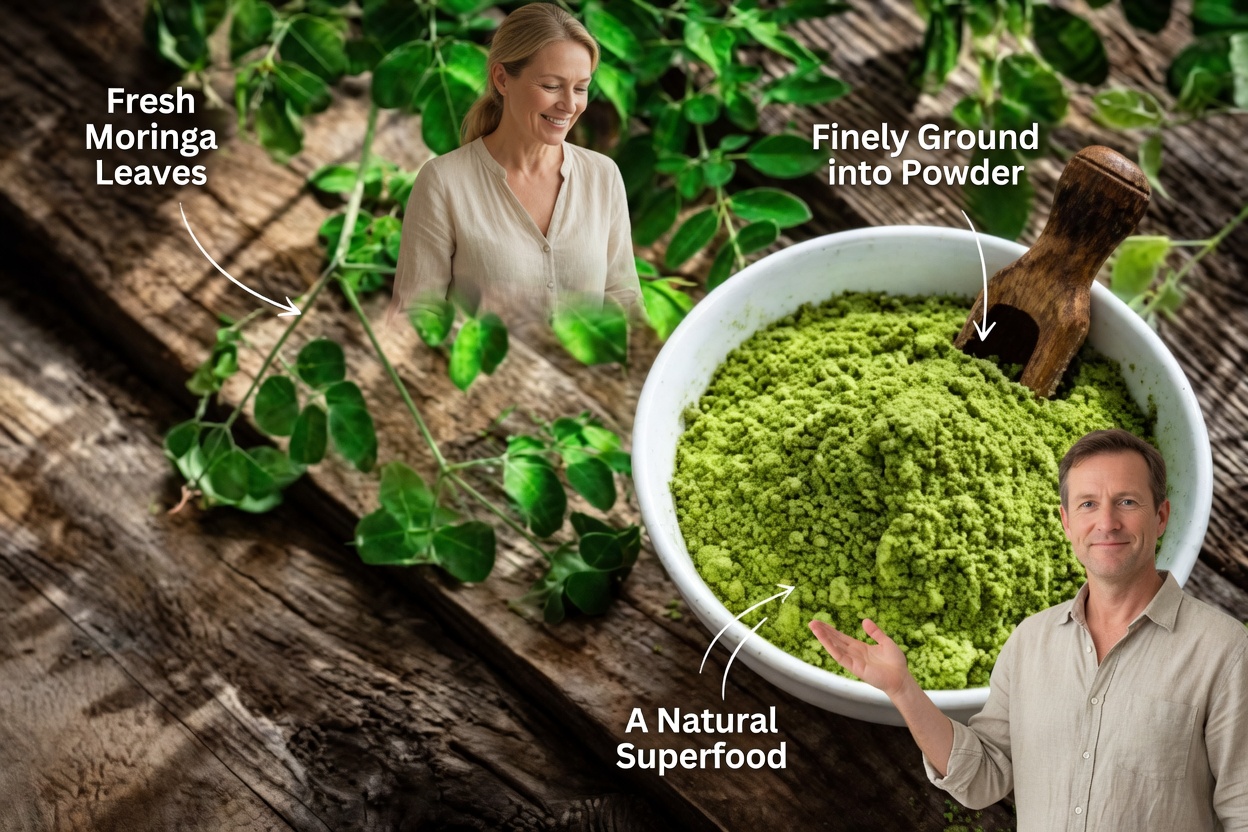
- Grind into powder and mix into water or smoothies
- Swallow the kernel whole (if comfortable)
- Simple daily ritual idea: Grind 1–2 seeds, stir into warm water with lemon, or add to oatmeal
- Storage tip: Keep seeds in a cool, dry place and buy from a reputable supplier for quality and freshness
Quick Usage Guide for Common Goals
-
General wellness
- Suggested amount: 1 seed daily
- Best method: whole kernel or powdered
- Caution: increase gradually
-
Blood sugar support
- Suggested amount: 1–2 seeds daily
- Best method: ground into water/smoothie
- Caution: monitor closely if managing blood sugar
-
Gut comfort
- Suggested amount: 2 seeds in the morning
- Best method: warm water with lemon
- Caution: increase fiber slowly and hydrate
-
Inflammation support
- Suggested amount: 1–3 seeds
- Best method: alongside anti-inflammatory habits (e.g., balanced meals); some mix with turmeric tea
- Caution: reduce if you notice digestive sensitivity
-
Liver support
- Suggested amount: 2 seeds
- Best method: morning routine
- Caution: stay well-hydrated and avoid “more is better” thinking
Moringa Seeds vs. Typical Supplements
-
Nutrient density
- Moringa seeds: whole-food mix of protein, fats, and antioxidants
- Many supplements: isolated compounds
- Why it matters: whole-food synergy may be easier to integrate into daily life
-
Cost
- Moringa seeds: often affordable in bulk
- Supplements: frequently medium to high cost
-
Side-effect profile
- Moringa seeds: may cause mild digestive upset if overused
- Supplements: potential interactions depending on ingredients and dose
-
Accessibility
- Moringa seeds: commonly available online and in specialty groceries
- Supplements: widely available in pharmacies and retail stores
Many users report steadier energy and improved digestion with consistent use, based on anecdotal experience and small studies—however, results are individual.
Final Takeaway: Small Habits, Meaningful Momentum
Moringa seeds are a compact, nutrient-dense, time-tested food that may support wellness across multiple systems—especially when used consistently and moderately. They work best as part of a bigger foundation: balanced meals, regular movement, quality sleep, and stress management.
If you’re curious, consider trying a gentle 30-day experiment: start with one seed a day and track subtle changes in energy, digestion, and comfort.
Action Steps
- Save this guide so you remember your daily routine
- Share it with someone working on similar health goals
- Try one moringa seed tomorrow and note any small shifts over the next week
FAQ
How many moringa seeds should I start with?
A common starting point is 1 seed per day, then slowly increasing to 1–3 seeds daily depending on tolerance.
Are there precautions with moringa seeds?
They are generally well tolerated, but speak with a healthcare professional if you are pregnant, breastfeeding, taking medications, or managing medical conditions—especially related to blood sugar or blood pressure.
What’s the difference between moringa seeds and moringa leaves?
Seeds are typically higher in protein and certain fats, while leaves tend to provide more vitamins. Both contain antioxidants, but the seed offers a more concentrated profile in a smaller serving.
Medical Disclaimer
This article is for informational purposes only and does not provide medical advice. Always consult a qualified healthcare professional before adding new foods or supplements to your routine, particularly if you have a medical condition or take medications.