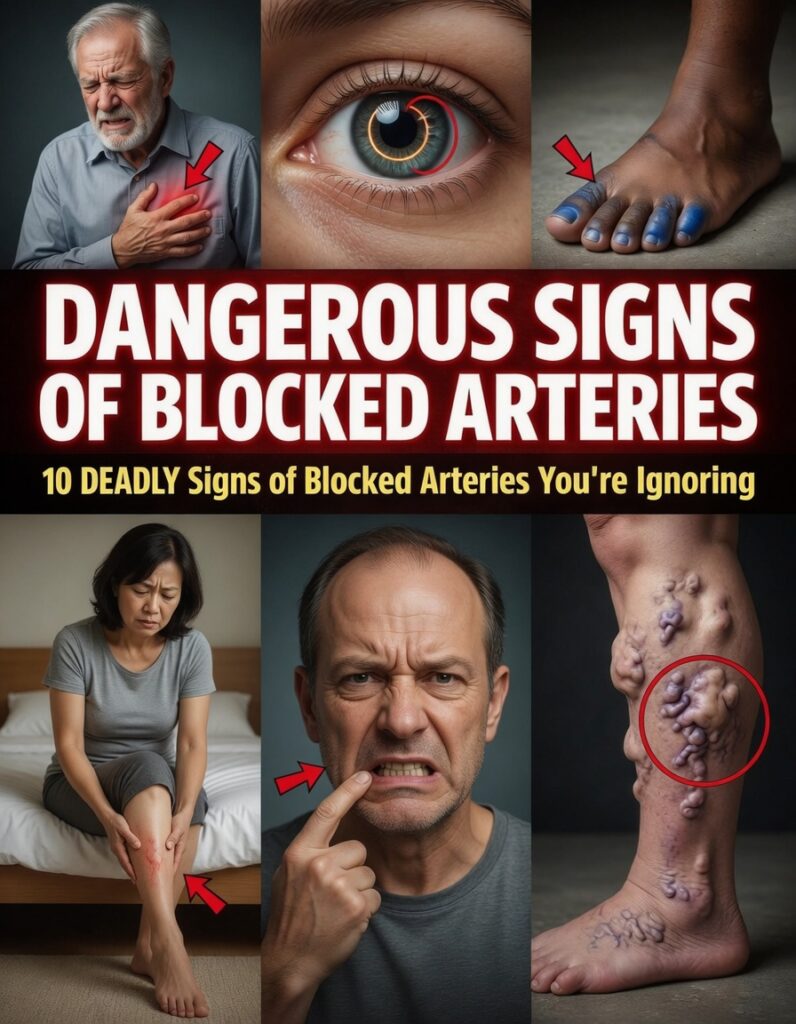
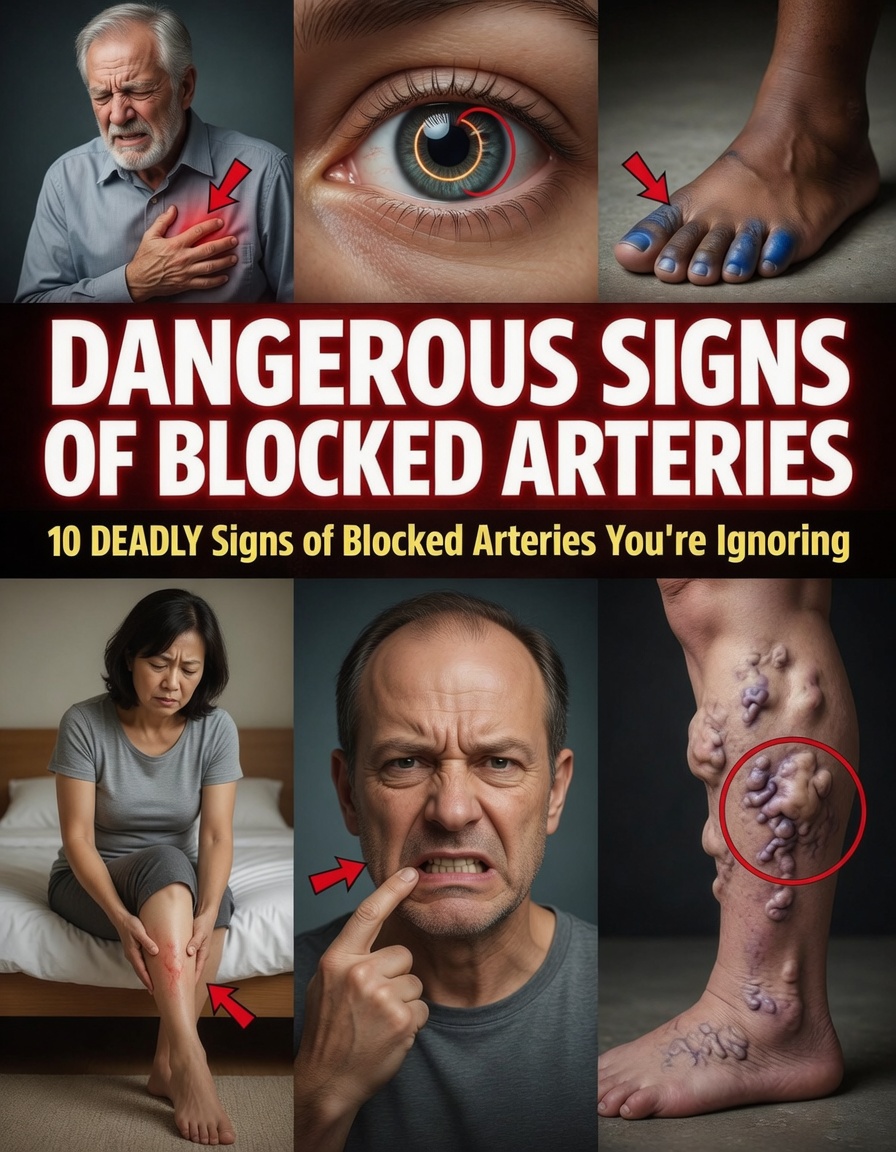
Many adults in their 40s, 50s, and older begin noticing small shifts—unusual fatigue after easy chores, getting winded on a familiar walk, or vague discomfort they chalk up to stress or “just aging.” When these changes quietly accumulate, they can sometimes reflect reduced circulation caused by plaque narrowing the arteries, a process called atherosclerosis. Because cardiovascular disease remains a major global health issue, spotting patterns early can support a timely, informed discussion with a healthcare professional.
What if a symptom you’ve been brushing off is actually pointing to a wider circulation problem? The signals below can help you recognize what to watch for—and why it matters.
The Silent Process: How Arteries Narrow Over Time
Over many years, plaque—a mix of cholesterol, fats, and calcium—can gradually collect inside artery walls. As the buildup thickens, the artery space tightens and blood flow decreases, especially during activity when the body needs more oxygen.
Clinical organizations such as the Mayo Clinic note that circulation problems may show up in peripheral vessels first (for example, in the legs) before the heart symptoms become obvious. If a walk that once felt effortless now leaves you short of breath, it may be worth paying closer attention rather than assuming it’s only “getting older” or being out of shape.
Sign #10: Erectile Changes in Men (A Commonly Overlooked Early Indicator)
In men, ongoing difficulty achieving or maintaining an erection can appear years before more recognizable cardiovascular symptoms. Because penile arteries are relatively small, reduced blood flow may become noticeable there earlier than in larger coronary arteries.
Medical sources including the Mayo Clinic describe how this can relate to endothelial dysfunction, where the inner lining of blood vessels doesn’t function normally. Although many people feel uncomfortable bringing it up, discussing erectile changes with a clinician may lead to a broader cardiovascular risk review—not just a conversation about sexual health.
Sign #9: Cold Feet, Skin Color Changes, or Slow-Healing Foot/Leg Wounds
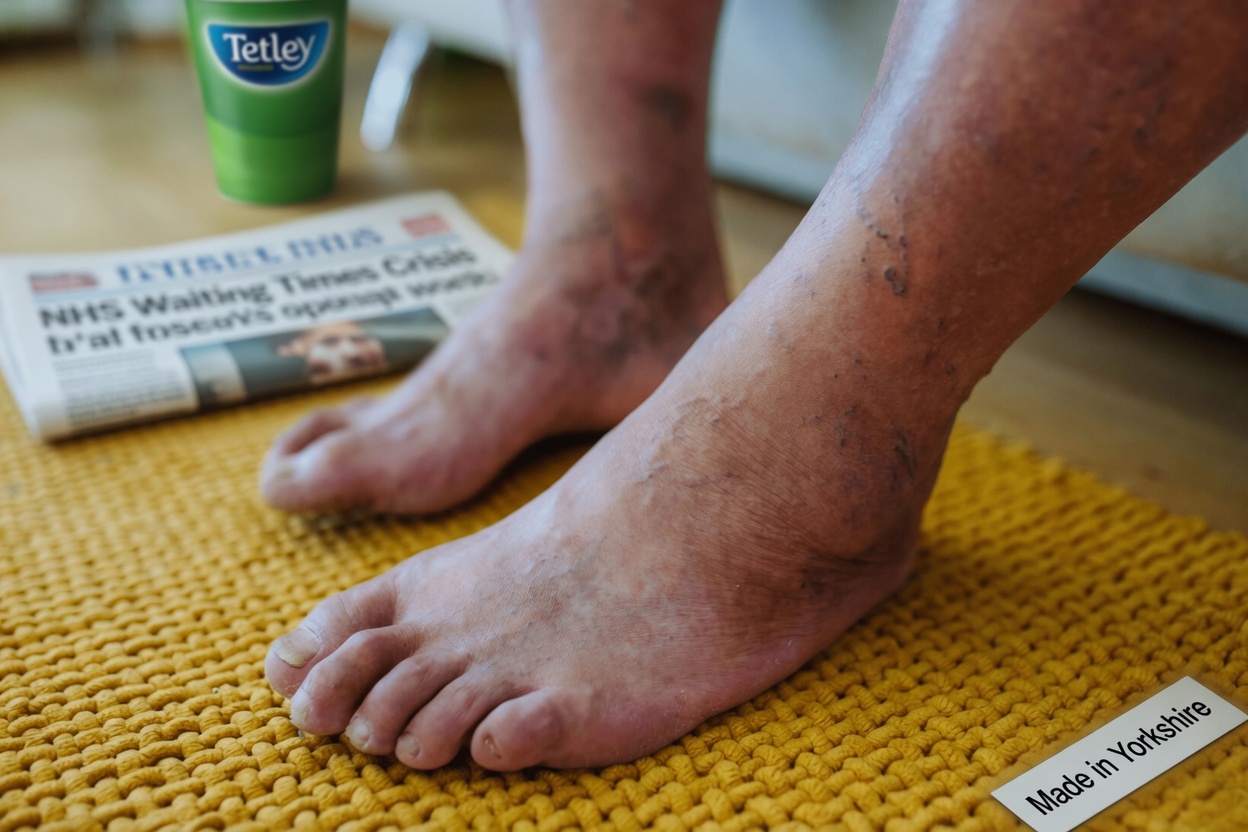
When circulation in the legs declines significantly, you may notice:
- Feet that remain unusually cold
- Skin that looks pale, bluish, or shiny
- Small cuts or sores that take weeks to heal
The Cleveland Clinic lists these as common signs of more advanced peripheral artery disease (PAD). Reduced oxygen and nutrient delivery slows tissue repair, and wounds can become more serious if infection develops. If these changes are new or persistent, documenting them can help your provider assess the severity and next steps.

Sign #8: Leg Pain or Cramping While Walking (Intermittent Claudication)
A classic PAD symptom is muscle aching or cramping in the calves, thighs, or hips that:
- starts with walking or activity
- improves with rest
- returns predictably when you walk again
The American Heart Association explains this as a supply-and-demand mismatch: working muscles need more oxygen than narrowed arteries can deliver. Many people assume it’s a past injury or normal stiffness, but a consistent, repeatable pattern deserves evaluation.
Quick Self-Check: Peripheral Circulation Clues to Track
Use these prompts to note patterns you can share with a healthcare professional:
- Do your legs hurt after a predictable walking distance?
- Does resting reliably reduce the discomfort?
- Have you seen skin temperature or color changes in your lower legs or feet?
- Do you have areas on toes/feet that are slow to heal?
Sign #7: Unexplained Sweating, Extreme Tiredness, or Sudden Fatigue
Episodes of cold, clammy sweating or overwhelming fatigue—especially when they feel out of proportion to what you’re doing—can reflect the body responding to reduced circulation and increased heart workload.
The Mayo Clinic notes that fatigue can be an earlier or more prominent sign in women, and it’s often mistaken for stress, poor sleep, or burnout. If these episodes repeat, especially alongside other symptoms, they should not be ignored.
Sign #6: Discomfort That Spreads to the Arm, Jaw, Neck, Back, or Upper Stomach
Circulation problems affecting the heart can produce discomfort that radiates beyond the chest because of shared nerve pathways. Instead of “chest pain,” some people experience:
- jaw or neck aching
- shoulder or arm discomfort
- back pressure
- upper abdominal discomfort that feels like indigestion
This is one reason heart-related symptoms are sometimes misread as dental problems, muscle strain, or gastrointestinal issues—until further medical testing clarifies the cause.
Sign #5: Dizziness, Lightheadedness, or Nausea Episodes
Feeling faint, dizzy, or suddenly nauseated—particularly without a clear trigger—may be linked to temporary drops in blood flow to the brain or other organs. UT Southwestern highlights these as possible warning signs when the heart’s output is reduced.
Women may experience these symptoms more strongly, and they can occur with or without chest discomfort. Breathlessness is also commonly present.
Sign #4: Shortness of Breath With Light Activity (or Even at Rest)
Becoming winded while doing everyday tasks—climbing a few stairs, getting dressed, walking across a room—can indicate the heart is struggling to meet oxygen needs. In some cases, fluid can build up in the lungs when pumping efficiency declines, worsening breathlessness.
For many people this change is gradual, and women often report shortness of breath before reporting classic chest pressure.
Sign #3: Chest Pressure, Tightness, or Discomfort (Angina)
Angina is often described as pressure, heaviness, squeezing, or tightness in the chest—commonly triggered by exertion and relieved by rest. The Mayo Clinic emphasizes that the pattern (effort-related discomfort that improves with rest) is a key clue.
It may not feel like sharp pain, and that subtlety leads some people to delay care. Ignoring angina can allow the underlying disease to progress.
Sign #2: Brief Stroke-Like Symptoms (Transient Ischemic Attack / TIA)
A TIA is a temporary episode caused by reduced blood flow to the brain. Symptoms can last minutes to hours and may include:
- sudden numbness or weakness (often on one side)
- trouble speaking or understanding speech
- sudden vision changes
Studies show a significant portion of people who have a TIA may go on to have a full stroke soon afterward if the cause isn’t addressed. These symptoms require immediate medical attention.
Sign #1: Sudden, Severe Limb Symptoms (Acute Ischemia — “The 6 Ps”)
A sudden blockage in an artery—often from a clot or embolus—can produce an emergency called acute limb ischemia. The classic “6 Ps” are:
- Pain (sudden, intense)
- Pallor (pale skin)
- Pulselessness (weak or absent pulse below the blockage)
- Paresthesia (numbness/tingling)
- Paralysis (weakness or inability to move)
- Poikilothermia (abnormally cold limb)
This is a time-critical emergency. Delays can lead to permanent tissue damage—hours matter.
At-a-Glance: Common Warning Signs and What They May Indicate
-
Leg cramping with walking (claudication)
- Likely area: peripheral leg arteries
- Urgency: seek prompt evaluation, especially if worsening or occurring at rest
-
Non-healing sores, cold feet, major skin changes
- Likely area: advanced peripheral circulation problems
- Urgency: urgent care if infection signs appear or symptoms change suddenly
-
Persistent erectile dysfunction (men)
- Likely issue: early systemic vascular changes
- Urgency: discuss with a clinician for broader cardiovascular screening
-
Chest pressure/tightness (angina pattern)
- Likely area: coronary arteries
- Urgency: urgent evaluation if new, severe, or combined with other symptoms
-
Sudden one-sided weakness or speech/vision trouble
- Likely area: arteries supplying the brain
- Urgency: call emergency services immediately
Practical Steps You Can Take Today
Start with observation. Note the pattern and context:
- Does it happen with activity, rest, or both?
- Is it on one side or both?
- How long does it last?
- What makes it better—or worse?
Then take action:
- Book a routine medical appointment if symptoms persist, recur, or gradually worsen.
- Share your notes openly—specific timing and triggers help clinicians assess risk.
- Discuss lifestyle and risk factors (movement, nutrition, smoking, blood pressure, cholesterol, diabetes).
- Seek emergency help immediately for severe chest pressure (especially with sweating or breathlessness), stroke-like symptoms, or sudden limb changes.
Early attention often leads to earlier intervention—and better outcomes.
Conclusion: Pay Attention to What Your Body Is Repeating
From leg pain during walking and persistent cold feet to erectile changes, unusual fatigue, radiating discomfort, dizziness, breathlessness, chest pressure, TIA-like episodes, and sudden limb emergencies—these signs can reflect a progression of circulation problems linked to atherosclerosis. Recognizing them doesn’t replace medical diagnosis, but it can prompt timely evaluation, lifestyle changes, and appropriate testing when needed.
Your heart and blood vessels work continuously. Noticing subtle shifts now can support healthier, more active years ahead.
Frequently Asked Questions
What early signs of blocked arteries are commonly missed?
Men may overlook persistent erectile problems, and many people dismiss leg cramping during walks or unexplained fatigue as normal aging. These can be early clues of reduced circulation.
Do symptoms look different in women compared with men?
Yes. Women more often report shortness of breath, fatigue, nausea, or atypical discomfort rather than classic chest pain, consistent with guidance from organizations such as the Mayo Clinic.
When should I contact a doctor—or seek emergency care?
See a clinician soon for symptoms that are recurring, persistent, or worsening. Call emergency services immediately for sudden severe chest discomfort, stroke-like symptoms, or acute limb changes.
Medical Disclaimer
This article is for informational purposes only and is not a substitute for professional medical advice, diagnosis, or treatment. If you experience sudden chest pain, severe shortness of breath, stroke-like symptoms, or sudden limb changes, seek emergency medical care immediately.