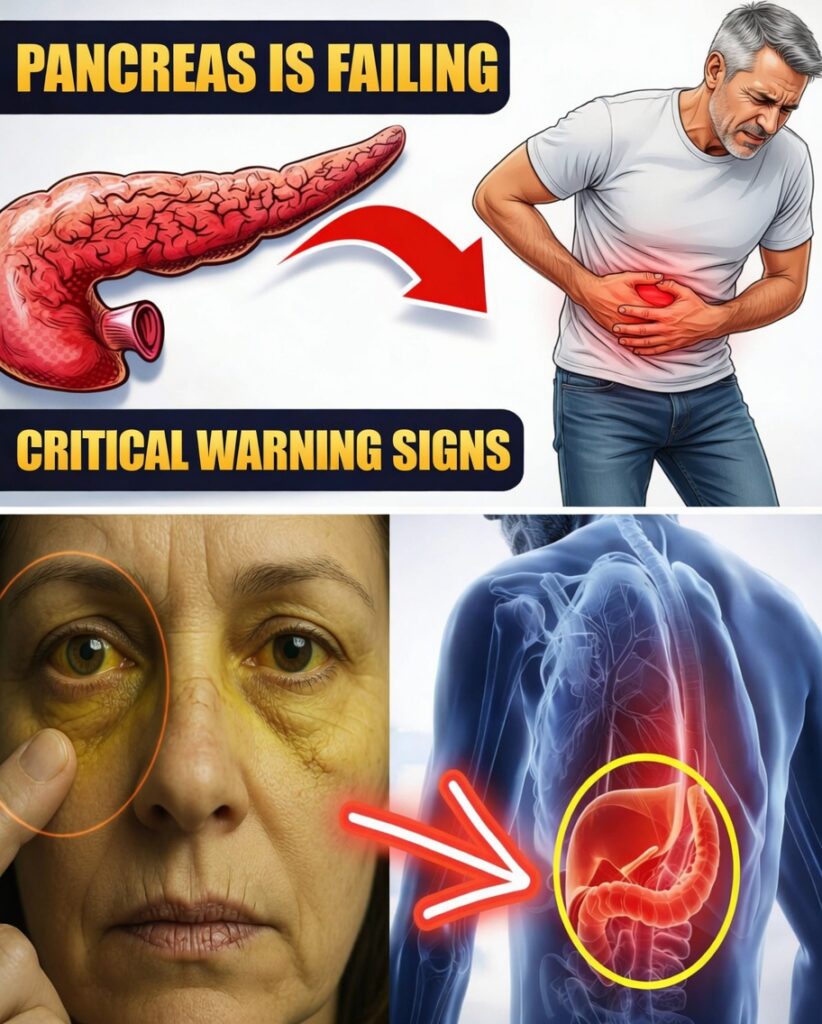
Noticing a Yellow Tint or Constant Exhaustion? These Could Be Early Pancreatic Cancer Clues
Picture checking your reflection and seeing a faint yellow cast to your skin—along with a level of fatigue that sleep simply doesn’t fix. It’s easy to blame stress, a busy schedule, or getting older. Yet for some people, these “small” changes are early signals that deserve attention.
Pancreatic cancer is often described as a silent disease because it may not cause clear symptoms until it has advanced. That’s why recognizing possible warning signs matters.
According to the American Cancer Society (ACS) 2025 projections, roughly 67,440 people in the U.S. will be diagnosed with pancreatic cancer this year, and more than 51,000 are expected to die from it. The overall five-year relative survival rate is about 13%, but it improves dramatically—up to 44%—when the cancer is found while still localized. Learning the early patterns can support earlier evaluation and, potentially, better outcomes.
In this guide, you’ll find 10 commonly reported warning signs, aligned with information from trusted organizations such as the American Cancer Society and Mayo Clinic, to help you listen more closely to what your body may be telling you.
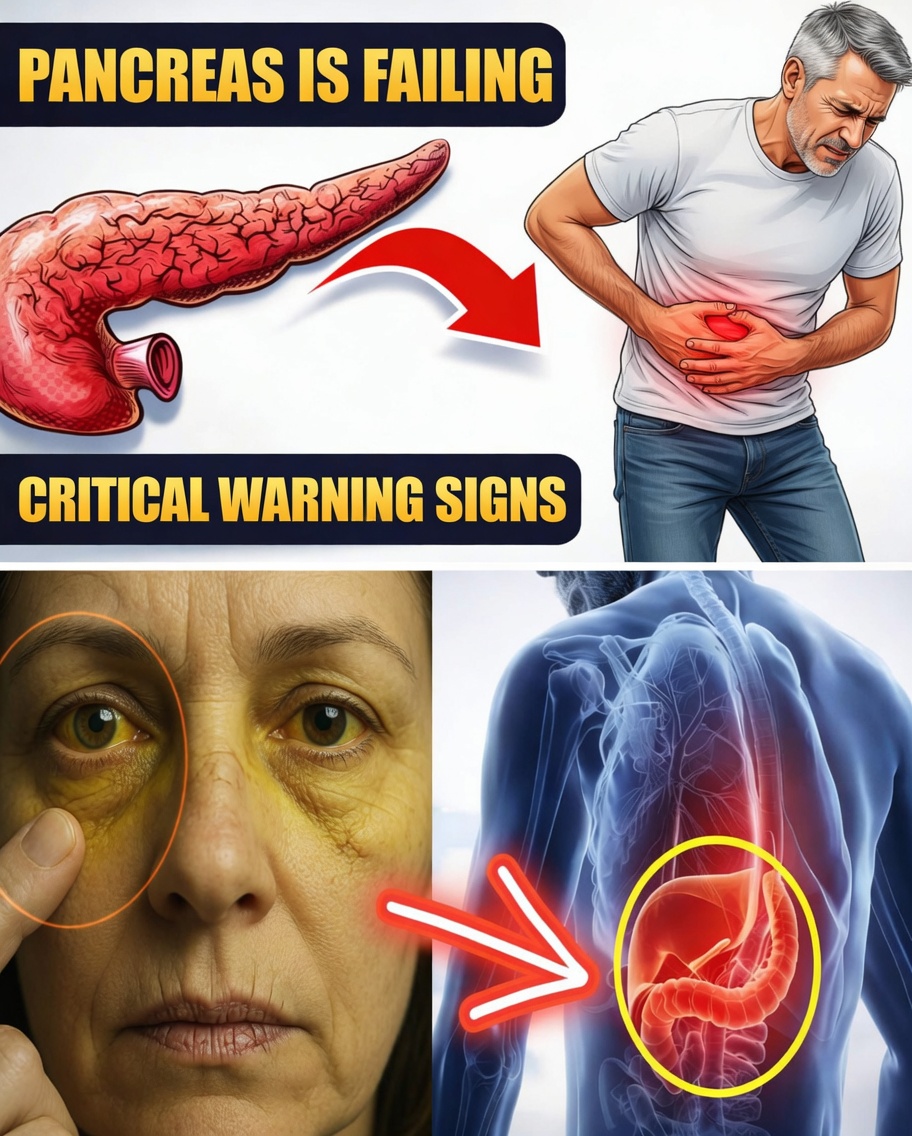
Why Pancreatic Cancer Is Often Missed in the Early Stages
The pancreas sits deep in the abdomen, behind the stomach. It plays a major role in digestion (by releasing enzymes) and blood sugar control (by producing insulin). Because early tumors are often small and hidden, they may not press on nearby organs or ducts right away—so symptoms can be mild or absent.
ACS reporting indicates that more than 80% of pancreatic cancers are diagnosed at advanced stages, largely because noticeable symptoms often appear late. Another challenge is that early signs can resemble common issues like reflux, stress-related fatigue, or routine digestive upset.
Still, there’s a positive takeaway: understanding symptom clusters helps people seek medical guidance sooner rather than later.
10 Warning Signs of Pancreatic Cancer to Watch For
These symptoms can be caused by many non-cancer conditions. However, persistent symptoms, new symptoms without a clear reason, or multiple symptoms happening together should be discussed with a healthcare professional.
10) Ongoing Fatigue That Doesn’t Improve With Rest
A deep, persistent tiredness is one of the most frequent early complaints. It may be linked to the body’s internal stress response, inflammation, or reduced nutrient absorption when digestion is disrupted. Many people describe this fatigue as heavier and more draining than typical day-to-day exhaustion.
9) New-Onset Diabetes (Especially After Age 50) With Unplanned Weight Loss
Developing type 2 diabetes later in life—particularly without the usual risk factors—and also losing weight unintentionally can be a meaningful red flag. Mayo Clinic notes that pancreatic tumors may affect insulin production, contributing to a form sometimes called type 3c diabetes. Research has also shown that recent-onset diabetes paired with weight loss can appear months or even years before other more obvious symptoms.
8) Stool Changes: Pale, Floating, Greasy, or Foul-Smelling
If stool becomes unusually light-colored, oily, floats frequently, or smells stronger than usual, it can reflect fat malabsorption. This may happen when the pancreas isn’t releasing enough digestive enzymes—due to blockage or tumor-related interference. ACS includes these stool changes among classic signs that people often dismiss as diet-related.

7) Dark Urine Even When You’re Hydrated
Urine that looks tea-colored or cola-like, despite normal hydration, may indicate bilirubin buildup. This often occurs when bile flow is blocked. Dark urine frequently appears alongside pale stools and can be an early visible clue.
6) Persistent Itching Without a Rash
Widespread itching—often worse at night—can occur when bile salts accumulate in the body and irritate the skin. People commonly report that typical moisturizers or allergy medications don’t help much, making the symptom especially frustrating.
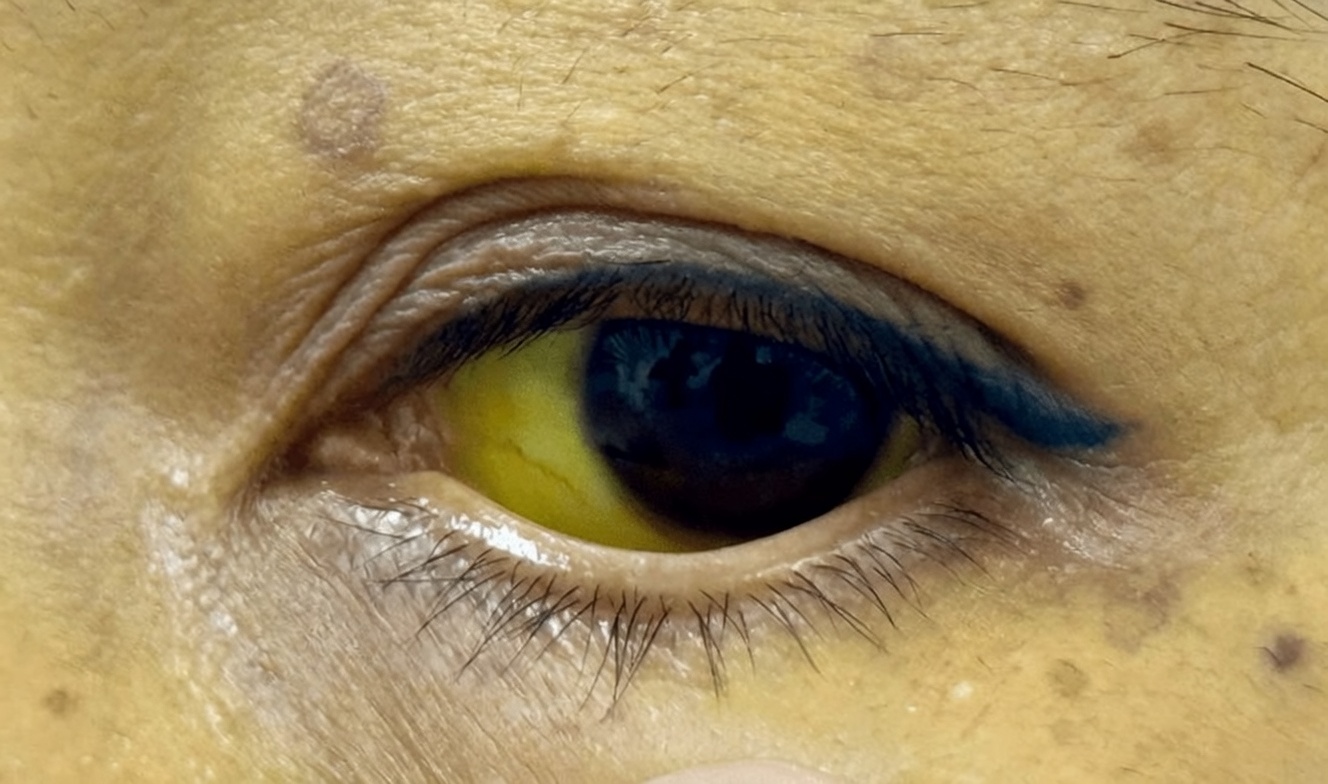
5) Jaundice (Yellowing of Skin or Eyes)
Yellowing of the skin or the whites of the eyes is one of the most recognizable signs, especially when a tumor affects the head of the pancreas and blocks the bile duct. Because jaundice is difficult to ignore, it can sometimes lead to earlier testing than other, subtler symptoms.
4) Upper Abdominal Pain That Spreads to the Back
A dull ache in the upper abdomen—sometimes radiating to the back—can be linked to a tumor pressing on nearby tissues or nerves. The discomfort may worsen after eating or when lying down. Early on, it can be mistaken for indigestion, posture-related pain, or a muscle strain.
3) Reduced Appetite and Frequent Nausea
If meals suddenly feel unappealing or nausea becomes a regular problem, it may reflect disruption in digestion. Even mild nausea can lead to smaller portions and gradual weight loss over time.
2) Unintentional Weight Loss
Losing weight without trying—often 10 pounds (about 4.5 kg) or more—is a major warning sign when paired with other symptoms. Weight loss may result from decreased appetite, poor digestion and absorption, and the body’s metabolic response to illness.
1) Ongoing Bloating, Early Fullness, or Persistent Indigestion
Chronic bloating, feeling full quickly after small meals, or indigestion that doesn’t resolve is easy to brush off as “normal stomach issues.” However, these symptoms can happen when tumors irritate or partially obstruct digestive pathways. Because it’s so common and often minimized, it deserves attention when it persists.
Quick Symptom Pattern Guide: What These Signs May Suggest
| Symptom Pattern | Possible Reason | Often Mistaken For |
|---|---|---|
| Jaundice + Itching | Bile duct blockage and bile salt buildup | Allergies, liver issues |
| Weight Loss + Fatigue | Reduced nutrient absorption and systemic stress | Aging, overwork |
| Abdominal/Back Pain + Bloating | Pressure or irritation from nearby structures | Reflux, muscle strain |
| New Diabetes + Appetite Changes | Insulin disruption from pancreatic changes | Typical type 2 diabetes |
A single symptom is common in everyday life. Multiple symptoms occurring together, especially without a clear explanation, is where concern increases.
How Early Awareness Can Change the Timeline
Patient experiences often show the value of noticing patterns. For example:
- Some people seek care quickly after noticing jaundice and intense itching, leading to earlier testing.
- Others connect new diabetes with back pain and unexplained weight loss, prompting imaging that identifies the problem sooner.
While not every case can be found early, acting on persistent changes can widen the range of treatment options.
Practical Steps to Take If These Symptoms Sound Familiar
If you notice several signs—particularly if you’re over 50 or have risk factors such as smoking or a family history—consider these steps:
- Log symptoms for 1–2 weeks
Track when they happen, what makes them worse or better, and how severe they feel. - Book a medical appointment
Bring your symptom notes and clearly explain what has changed and for how long. - Highlight symptom clusters
Ask whether initial evaluation should include blood tests and, when appropriate, imaging. - If you’re high-risk, ask about specialist assessment
Some higher-risk individuals may benefit from targeted monitoring based on genetics or strong family history.
Seeking evaluation is not panic—it’s informed self-care. Clinicians can help rule out common causes and guide the right next steps.
Conclusion: Awareness Is a Powerful First Step
Because pancreatic cancer can progress quietly, knowing these 10 potential warning signs is especially important. Paying attention to persistent symptoms—and acting when patterns appear—helps you take an active role in your health. Long-term choices, such as quitting smoking, may also reduce risk over time.
Frequently Asked Questions (FAQ)
What is the most common early sign of pancreatic cancer?
Many experts emphasize unintentional weight loss, especially when it occurs alongside new-onset diabetes or persistent digestive changes. These may appear before more obvious signs like jaundice.
Can pancreatic cancer be found early without symptoms?
Routine screening is not recommended for the general population. However, people with strong family history or certain genetic syndromes may qualify for specialized surveillance—discuss this with your doctor.
How soon should I see a doctor if I notice these symptoms?
If symptoms last more than two weeks, worsen, or occur in combination, it’s reasonable to seek medical advice promptly. Early evaluation can provide reassurance or accelerate necessary testing.
Medical disclaimer: This article is for informational purposes only and does not replace professional medical advice. Always consult a qualified healthcare provider about symptoms, diagnosis, or treatment decisions.