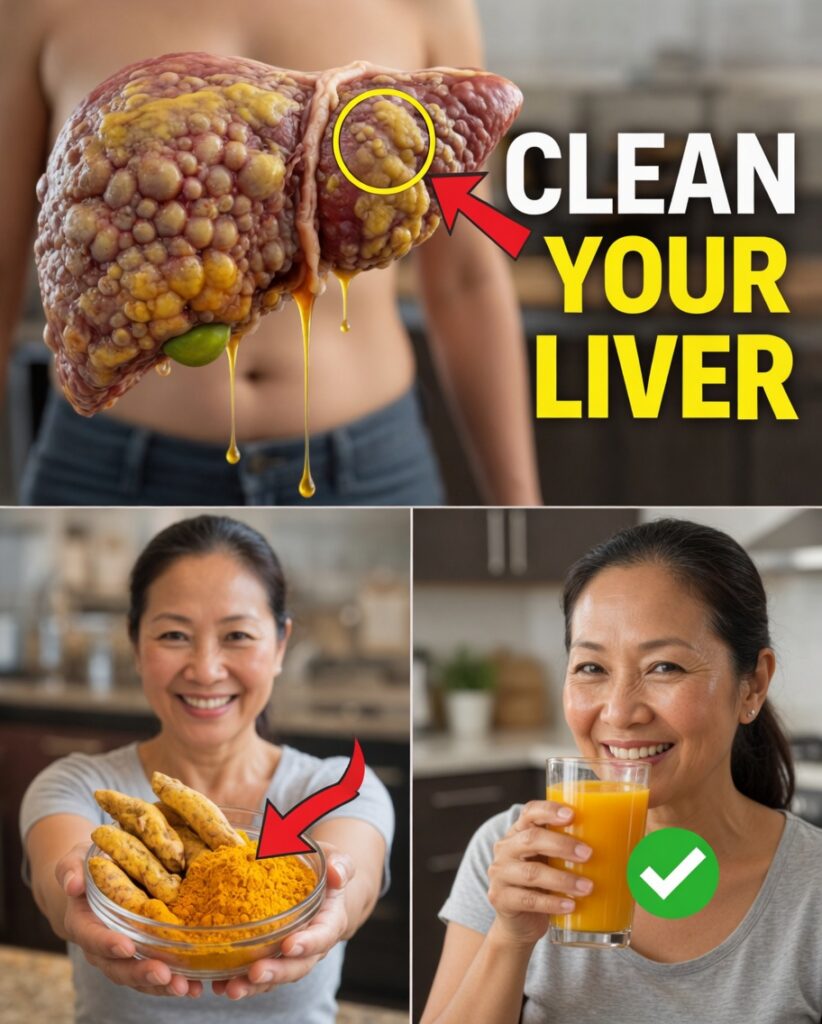
Many adults today unknowingly place extra pressure on their liver through common routines—ultra-processed meals, chronic stress, poor sleep, and too little daily movement. Research indicates that fat buildup in the liver is widespread; estimates suggest roughly 25–40% of U.S. adults may be affected, often without obvious early symptoms. Over time, this can show up as persistent fatigue, mild digestive discomfort, or the feeling that your energy “just isn’t what it used to be.” If you’ve noticed subtle shifts in how you feel after meals or across the day, it’s a common experience in modern life—and your liver may be part of that story.

The encouraging news is that everyday food choices can gently reinforce your liver’s natural workload—supporting detoxification pathways, helping manage oxidative stress, and promoting healthy metabolism. A growing body of research highlights specific nutrient-dense foods that may protect cells, influence helpful enzyme activity, and support overall balance. Below are 11 practical, science-informed options, plus easy ways to use them consistently.
The Growing Demands on Your Liver Today
Your liver is a high-performance “processing center.” It filters blood, manages nutrients, helps regulate fats and sugars, and neutralizes compounds your body needs to clear. Over time, patterns such as high-sugar diets, long hours of sitting, frequent snacking, and persistent stress can reduce efficiency and are associated in studies with greater fat accumulation and inflammation.
These changes often creep in gradually: a mid-afternoon crash, occasional bloating, slower recovery, or a general dip in resilience. The good part is that targeted nutrition can help—without extreme cleanses or dramatic lifestyle overhauls.
Quick self-check: On a scale from 1–10, how steady has your daily energy been lately? Keep that in mind as you explore the foods below.
How Your Liver Benefits from the Right Nutrients
Your liver is remarkably resilient and can regenerate when supported with the right building blocks. Whole foods provide compounds that may:
- Strengthen antioxidant defenses (including support for glutathione)
- Encourage healthy fat metabolism and transport
- Support natural detox enzyme systems
- Reduce oxidative stress that can strain liver cells
Small changes—repeated daily—are where the real impact tends to happen.
11 Science-Inspired Foods to Support Liver Health (With Easy Ways to Use Them)
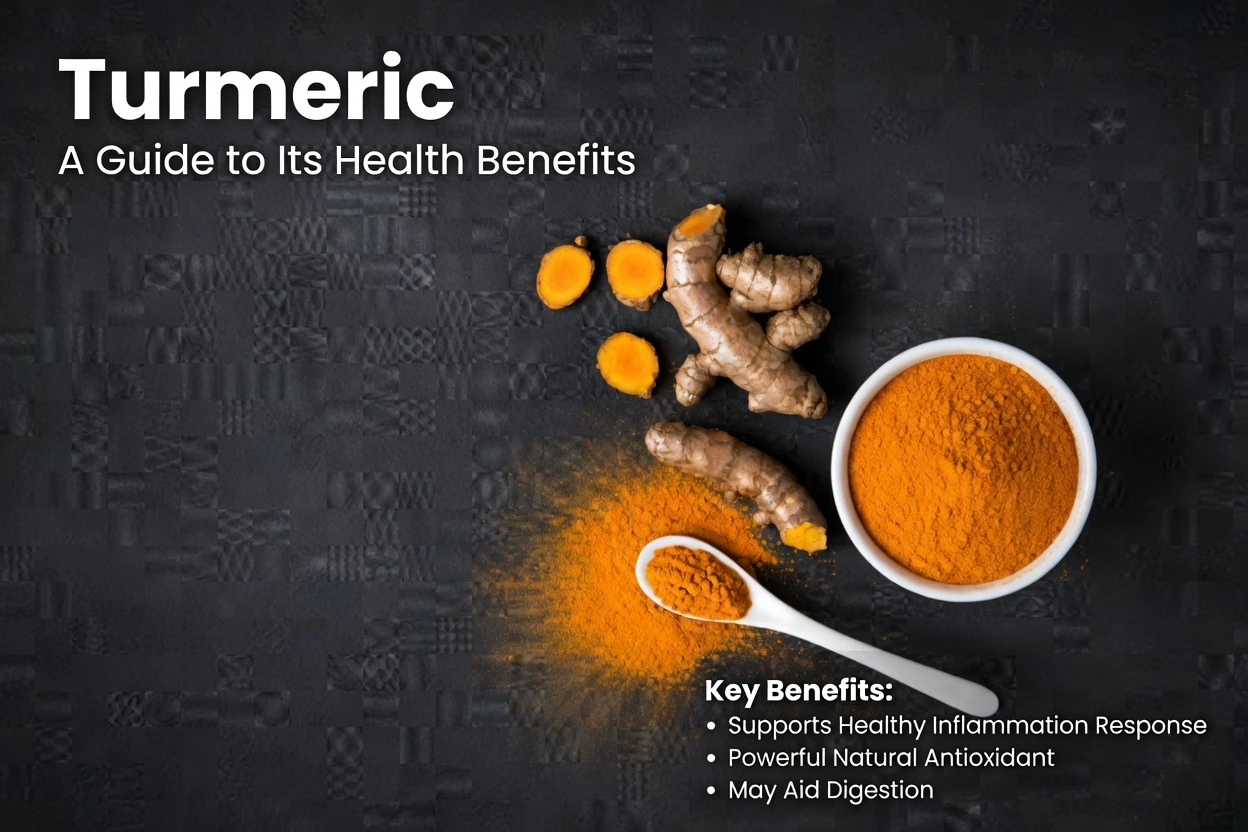
#11: Turmeric — The “Golden” Spice for Protection
Turmeric is best known for curcumin, a compound studied for its potential to reduce inflammation and oxidative stress in liver-related models. Research suggests it may also influence detox pathways and supportive enzyme activity.
Simple ways to add it:
- Make golden milk (warm milk or plant milk + turmeric)
- Add to soups, stews, or roasted vegetables
Pro tip: Combine turmeric with black pepper, which research shows can significantly improve curcumin absorption.
#10: Allium Vegetables — Sulfur-Rich Support for Detox Pathways
Garlic, onions, leeks, and related alliums contain sulfur compounds often linked in research to phase II detox enzyme activity and healthy bile function. These vegetables are also easy to use and budget-friendly.
Try this:
- Crush garlic into dressings or dips
- Sauté onions as a base for nearly any savory meal
#9: Eggs — Choline for Healthy Fat Transport
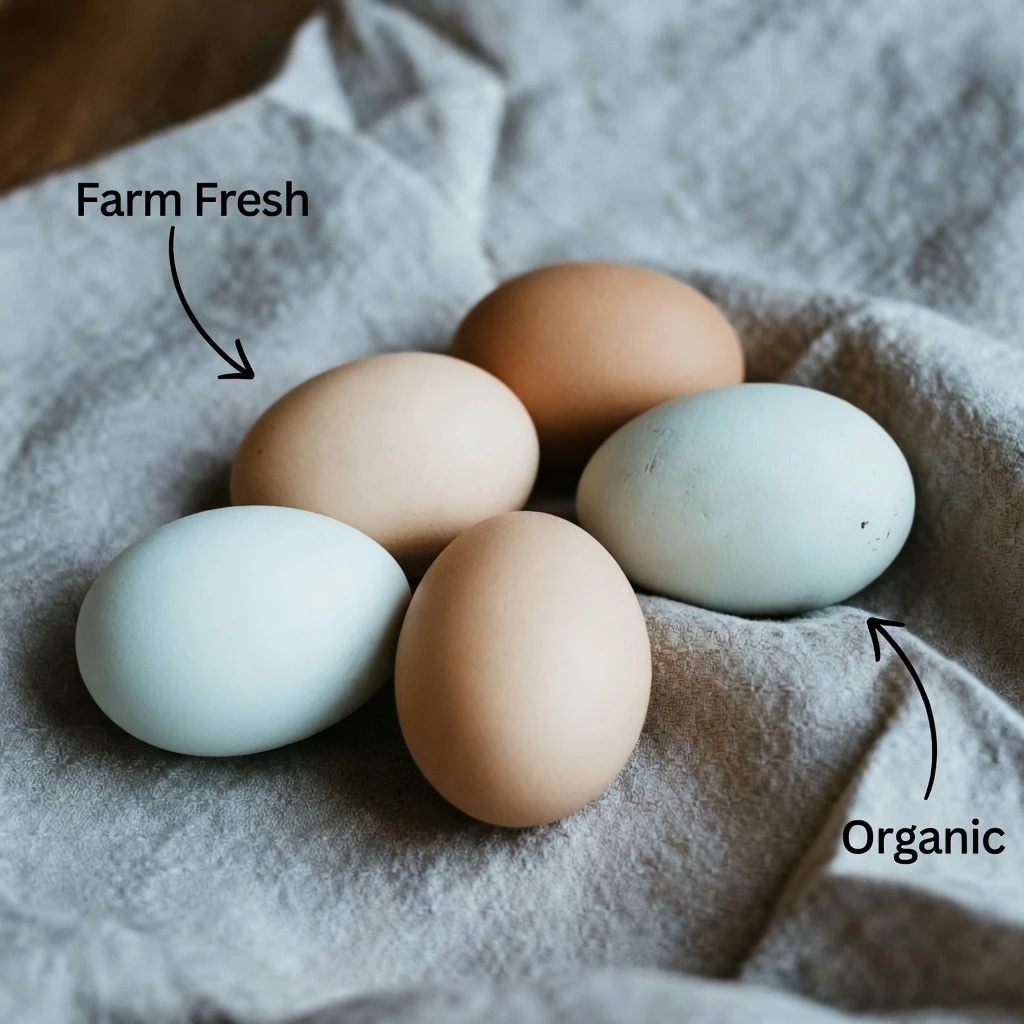
Egg yolks are a notable source of choline, an essential nutrient involved in moving fats out of the liver. Population research associates adequate choline intake with a lower likelihood of fat accumulation.
Practical approach:
- Enjoy 1–2 eggs a few times per week (scrambled, soft-boiled, or added to salads)
Note: If available, pasture-raised eggs may provide additional nutrients depending on the production system.
#8: Cruciferous Vegetables — Supporting Glutathione and Defense Enzymes
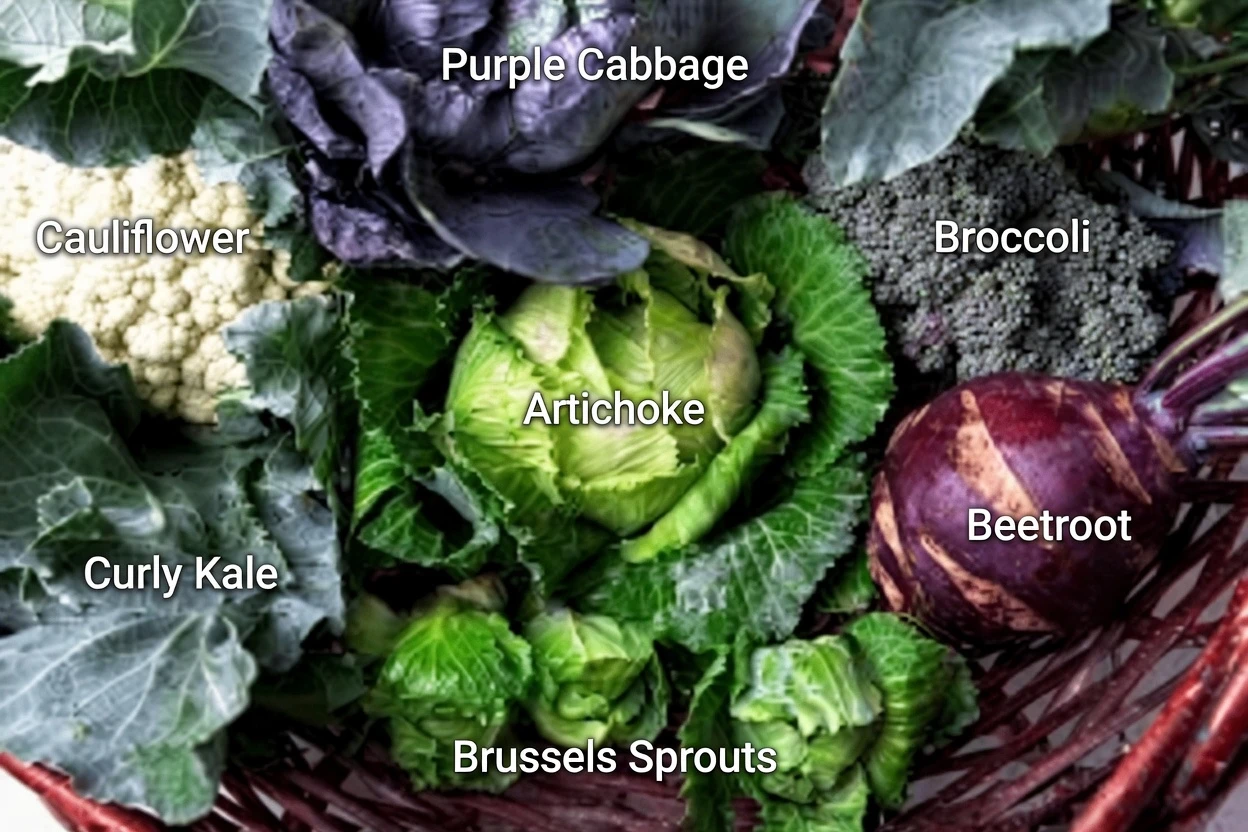
Broccoli, kale, Brussels sprouts, and cauliflower contain compounds such as sulforaphane, which research suggests may promote glutathione production and other protective enzymes.
Easy prep ideas:
- Lightly steam or roast to keep texture and nutrients
- Add to stir-fries, grain bowls, or omelets
#7: Microgreens — Concentrated Nutrition in Small Servings
Microgreens (especially broccoli microgreens) can contain much higher sulforaphane potential than mature plants. Research teams, including those associated with Johns Hopkins, have investigated their protective properties.
Use them fast:
- Sprinkle over salads, sandwiches, eggs, and soups
- Blend a small handful into smoothies
#6: Green Tea — Catechins for Gentle Metabolic Balance
Green tea contains polyphenols—especially catechins—studied for associations with healthier inflammatory markers and supportive liver enzyme patterns when consumed moderately.
Best routine:
- Drink 1–2 cups per day, unsweetened or lightly flavored
#5: Berries — Antioxidant Support Without a Sugar Spike
Blueberries, strawberries, raspberries, and similar fruits provide polyphenols that help counter oxidative stress. Studies suggest these compounds may support metabolic health and cellular protection.
Add berries here:
- Smoothies
- Yogurt or oatmeal toppings
- Simple snacks when cravings hit
#4: Fermented Foods — Strengthening the Gut–Liver Connection
The liver and gut are closely linked via the gut–liver axis. Fermented foods such as yogurt, kimchi, and sauerkraut provide probiotics that may support gut barrier function—potentially easing the liver’s overall burden.
Start gently:
- Use small portions as a condiment
- Increase gradually based on comfort
#3: Healthy Fats — Supporting Bile Flow and Balanced Lipids
Foods rich in monounsaturated fats—like extra virgin olive oil, avocado, and nuts (including walnuts)—are common in Mediterranean-style patterns associated with improved liver markers in research.
Simple upgrades:
- Drizzle olive oil over vegetables or beans
- Add avocado to toast, salads, or bowls
- Snack on a small handful of nuts
Quick “benefit snapshot”
- Turmeric: inflammation and oxidative stress support — try golden milk
- Cruciferous vegetables: glutathione and enzyme support — steam or roast
- Berries: antioxidant protection — blend or snack
- Garlic/onions: sulfur compounds for detox pathways — cook into meals
#2: Milk Thistle — A Classic Herbal Ally
Milk thistle contains silymarin, which has been studied for liver cell protection and regeneration support in various models. People often use it as tea or in supplement blends for routine support.
Reminder: If you take medications or have liver disease, consult a clinician before using herbal products.
#1: Bonus Picks — Asparagus, Pomegranate, and Coffee
These three options show up frequently in nutrition research and traditional dietary patterns:
- Asparagus: often used for gentle diuretic support
- Pomegranate: rich in polyphenols studied for antioxidant effects
- Coffee (black, moderate): consistently associated in large reviews with protective liver outcomes and potentially lower disease risk
Used thoughtfully, combining several supportive foods tends to be more realistic—and more effective—than relying on a single “superfood.”
A Simple 30-Day Plan to Make These Foods Stick
- Week 1: Choose 2–3 favorites (for example: turmeric tea + berries + green tea)
- Weeks 2–3: Add variety (cruciferous vegetables, eggs, fermented foods)
- Week 4: Adjust portions and timing; note changes in energy, digestion, and how you feel after meals
Focus on whole foods, moderation, and consistency. Sustainable habits beat extreme resets.
Why Whole-Food Support Works Better Than Quick Fixes
Harsh “cleanses” and highly restrictive detox plans can backfire by creating nutrient gaps or rebound cravings. In contrast, whole-food strategies provide steady nourishment that supports your body’s built-in systems—especially when you combine multiple foods that work through different pathways.
Final Thoughts: Eat for Steadier Energy and Long-Term Vitality
Imagine how you’d like to feel a month from now: more stable energy, easier digestion, and greater confidence in your health. Your liver has impressive regenerative capacity—give it the nutrients and rhythm it needs through these research-supported food choices.
Start small, track what changes, and build from there.
Medical Disclaimer
This article is for informational purposes only and is not a substitute for professional medical advice. Always consult your healthcare provider before making dietary changes, especially if you have existing health conditions or take medications.
FAQ
1) Can these foods actually improve liver health?
Research suggests many of these foods provide nutrients and bioactive compounds that support antioxidant defenses, enzyme activity, inflammation balance, and fat metabolism. Results vary by person, and dietary changes work best alongside overall healthy habits.
2) How quickly might I notice benefits?
Some people notice changes in digestion or energy within a few weeks, but meaningful improvements typically require consistent habits over months—especially if fatty liver is involved.
3) Do I need to eat all 11 foods?
No. Choose a handful you enjoy and can repeat. Variety helps, but consistency matters more than perfection.
4) Is coffee always good for the liver?
Moderate black coffee intake is frequently associated with favorable liver outcomes in research. However, tolerance differs, and added sugar/cream can reduce benefits. If you’re sensitive to caffeine or have a medical condition, follow clinical guidance.