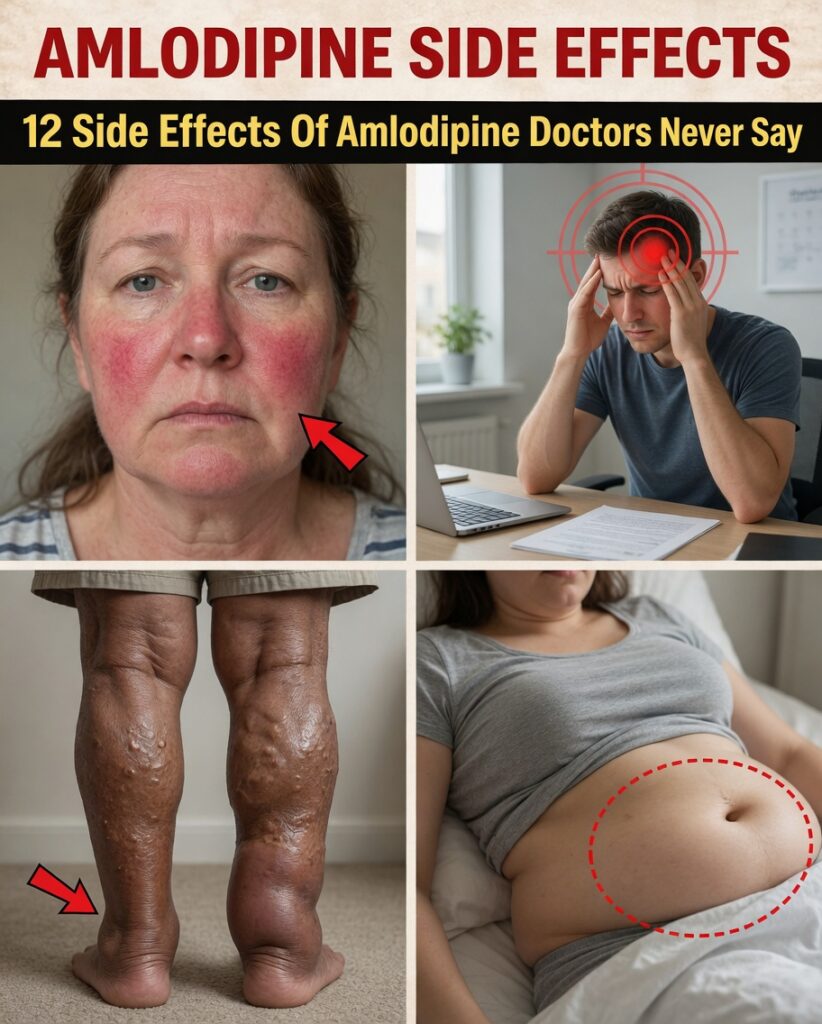
Amlodipine Side Effects: 12 Under-Discussed Reactions to Know (Plus Who’s Most at Risk)
Amlodipine is among the most widely prescribed medications for high blood pressure (hypertension), supporting heart health for millions of people worldwide. Still, many patients notice unexpected changes after starting it—ankle swelling that makes shoes feel tight, fatigue that doesn’t improve with rest, or other subtle shifts that can be mistaken for “normal aging.” Over time, these issues may quietly affect daily routines, confidence, and even medication adherence.
Most reactions are mild and manageable, but knowing what to watch for can lead to clearer, more productive conversations with your clinician.
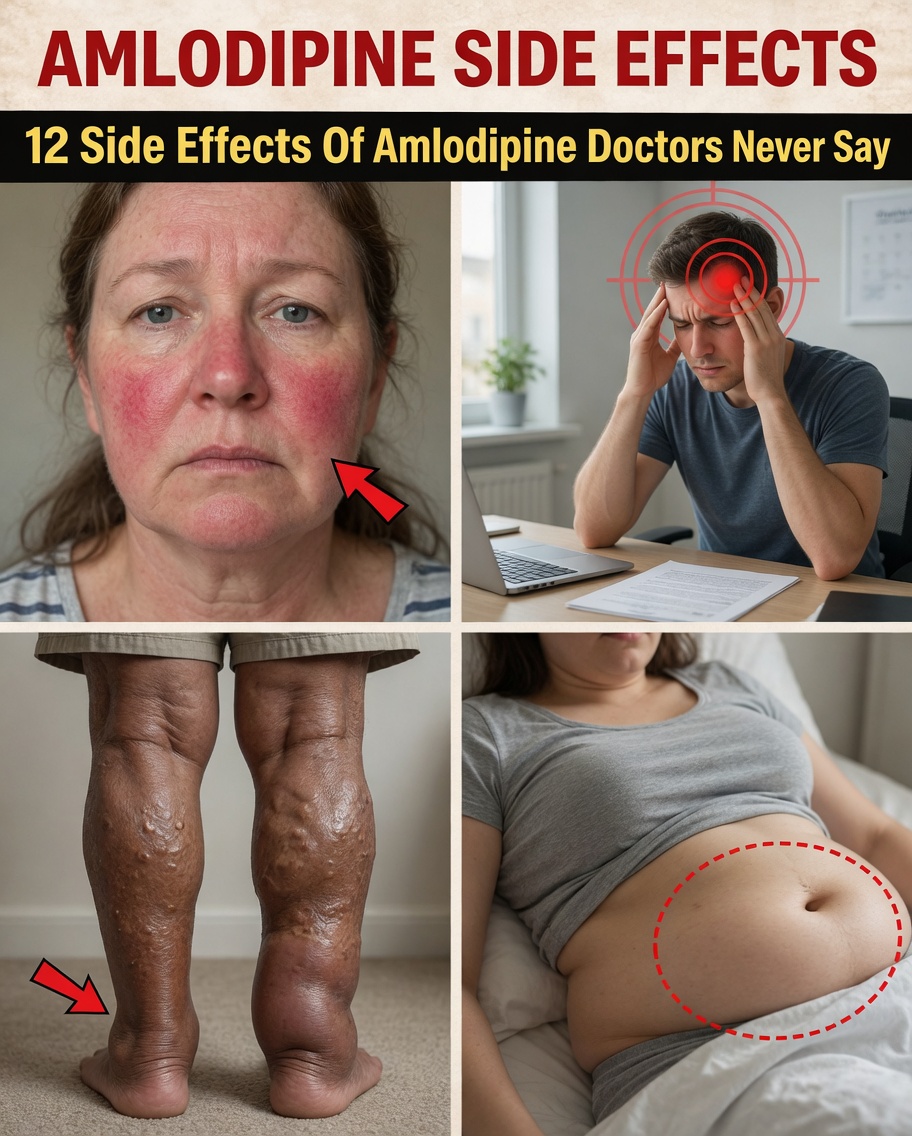
Why Amlodipine Side Effects Often Go Unnoticed
For adults in their 50s, 60s, and beyond, blood pressure medications can be essential for staying active and independent. The challenge is that some amlodipine side effects can blend into everyday life:
- Swelling gets blamed on weight gain or long days on your feet
- Low energy is chalked up to stress or a busy schedule
- Dizziness is dismissed as “just getting older”
However, clinical trials and post-marketing reports show patterns worth paying attention to—especially how dose, sex, and age can influence risk. When “mild” symptoms begin interfering with walking, social plans, sleep, or well-being, awareness becomes a practical tool. Many people improve with dose adjustments, lifestyle changes, or targeted monitoring.
12 Researched Amlodipine Side Effects That Deserve More Attention
1. Swollen Ankles and Legs (Peripheral Edema)
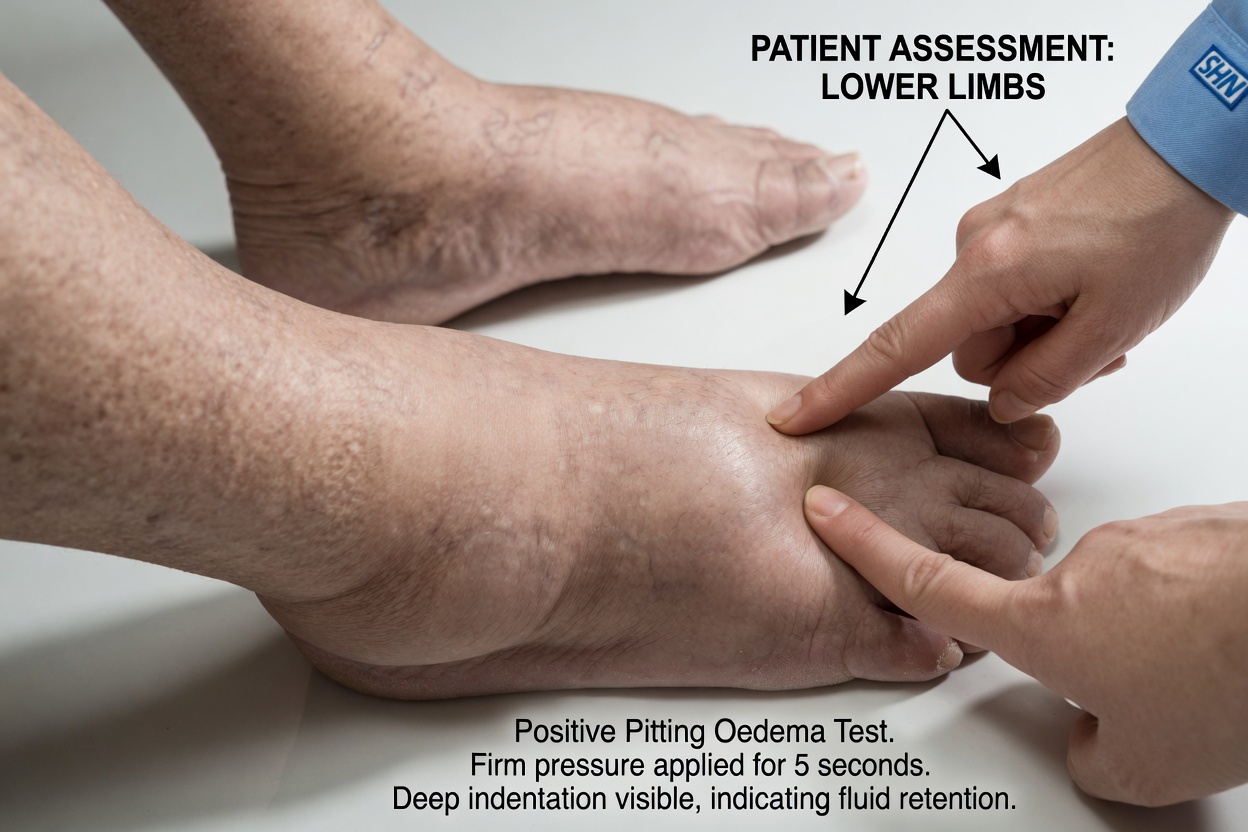
Peripheral edema is one of the most frequently reported amlodipine side effects. It often shows up as swelling around the ankles and lower legs, making footwear tighter and walking feel heavier.
Evidence from clinical trials suggests it can be dose-related, reaching roughly 10.8% at 10 mg daily (much lower with placebo). Some studies also report higher rates in women, with swelling occurring as high as about 14.6% in certain datasets.
Why it happens: amlodipine relaxes blood vessels, and in some people that change in circulation allows fluid to shift into nearby tissues.
What may help:
- Elevate your legs when sitting
- Consider compression stockings (if appropriate)
- Discuss dose changes or alternative strategies with your prescriber
2. Possible Liver Enzyme Elevations
Liver-related issues are rare, but there are clinical case reports and post-marketing observations describing elevated liver enzymes in some patients. Symptoms may be vague, such as persistent fatigue or discomfort, and are often detected through routine blood work. In many reports, values improve after switching therapy or monitoring closely.
If unexplained tiredness persists, ask whether lab tests are appropriate.
3. Heart Palpitations
Some people report palpitations—a sensation of pounding, fluttering, or irregular heartbeat—often most noticeable in quiet moments. Trials have reported rates up to about 4.5% at higher doses, with some data suggesting women may report this more often.
Tip: note the timing (after standing, after caffeine, during stress) and share details with your clinician, who can evaluate dose, schedule, and other contributors.
4. Gum Overgrowth (Gingival Hyperplasia)
Amlodipine has been linked to gingival hyperplasia, where gum tissue becomes thicker or more prominent. While uncommon, observational data places it around ~1–2% in some groups, especially with long-term use and higher doses.
Supportive steps:
- Excellent daily oral hygiene
- Regular dental cleanings and checkups
- Let your dentist know you take amlodipine
5. Dizziness and Lightheadedness
Dizziness can occur, particularly when standing up quickly. Some trial data shows rates around 3.4% at standard dosing. Older adults may notice this more due to natural changes in balance and blood pressure regulation.
Practical safety measures:
- Stand up slowly from sitting or lying down
- Stay hydrated (if medically appropriate)
- Track episodes to reduce fall risk
6. Nausea and Digestive Discomfort
Amlodipine can cause nausea, stomach upset, or appetite changes in a subset of users—reported around 2.9% in trials. Even mild nausea can affect eating patterns and comfort.
What often helps:
- Take the medication with food (if your clinician approves)
- Try smaller, more frequent meals
- Avoid heavy meals if symptoms flare afterward
7. Facial Flushing
Flushing—a sudden feeling of warmth or redness in the face, neck, or upper chest—can be socially uncomfortable. Data suggests about 2.6% at higher doses, with women reporting it more frequently in some reports.
Helpful adjustments:
- Dress in breathable layers
- Limit known triggers (heat, alcohol, spicy foods)
- Ask about dose timing if flushing is predictable
8. Persistent Fatigue
Ongoing tiredness can gradually reduce motivation, activity, and enjoyment of daily life. Clinical trials have reported fatigue around 4.5% in some populations.
If fatigue is new or worsening after starting amlodipine:
- Prioritize sleep consistency
- Add gentle activity if tolerated
- Discuss whether the dose or combination therapy may be contributing
9. Muscle Cramps or Stiffness
Some individuals report muscle cramps, aches, or stiffness, often in the legs. This may relate to how calcium channel blockers influence muscle function in certain people.
Supportive habits:
- Regular stretching
- Adequate hydration
- Balanced electrolytes (discuss supplements with your clinician)
10. Mood or Sleep Changes
Less commonly emphasized in main trials, sleep disruption or mood changes appear in some pharmacovigilance reports. These effects can be subtle and build over time.
A practical approach:
- Keep a simple sleep/mood log for a few weeks
- Bring patterns to your next appointment for a clearer assessment
11. Low Blood Pressure Episodes (Including Orthostatic Hypotension)
Some patients experience blood pressure drops, especially when moving from sitting/lying to standing (orthostatic hypotension). This can increase fall risk—particularly in older adults or those on multiple blood pressure medications.
Safety tips:
- Change positions slowly
- Monitor home blood pressure (if recommended)
- Report near-fainting, repeated dizziness, or falls
12. Breathing Difficulty or Chest-Related Concerns
Rare reports describe shortness of breath or fluid-related concerns that require medical attention—especially if symptoms are new, worsening, or accompanied by chest discomfort.
Seek prompt care for:
- New or increasing breathlessness
- Chest pressure/pain
- Significant swelling or sudden weight gain

Quick Reference: Reported Rates in Key Clinical Data
- Peripheral edema: up to ~10.8–14.6% (dose-dependent; higher in women in some studies)
- Palpitations: up to ~4.5%
- Fatigue: around ~4.5%
- Dizziness: around ~3.4%
- Flushing: around ~2.6%
- Gingival hyperplasia: ~1–2% (more often with longer-term use)
What Affects Your Risk (Dose, Age, and More)
Not everyone responds the same way. Side effect likelihood can change based on:
- Dose: higher doses often increase noticeable effects
- Sex: some reactions (like edema and flushing) are reported more often by women in certain datasets
- Age: older adults may be more sensitive to dizziness and blood pressure drops
- Lifestyle and other medications: activity level, hydration, alcohol intake, and drug interactions can influence symptoms
Practical Monitoring Plan (Simple and Actionable)
- Weeks 1–4: write down new symptoms daily (what happened, when, how severe)
- Months 3–6: review trends with your clinician; discuss whether dose adjustments are appropriate
- Ongoing: support circulation and energy with movement, hydration, and balanced meals (as advised)
Tip: A basic symptom journal—date, symptom, severity (1–10), and possible triggers—often makes appointments more efficient and personalized.
Taking Control: Better Conversations, Better Outcomes
When you recognize possible amlodipine side effects early, you shift from being surprised to being proactive. Many people find that small changes—timing, dose adjustments, or supportive habits—can reduce symptoms while keeping blood pressure well controlled.
Start by noting anything unusual today, then bring that information to your next medical visit.
FAQ
What should I do if amlodipine causes swelling?
Elevate your legs, follow sodium guidance if your clinician recommends it, and contact your prescriber. Swelling often improves with dose adjustments or other medication strategies rather than stopping abruptly.
Are amlodipine side effects worse in older adults?
They can be more noticeable, especially dizziness, low blood pressure episodes, and swelling. Using the lowest effective dose and monitoring closely often reduces problems.
Do amlodipine side effects go away over time?
Some mild effects improve as your body adapts, but persistent or worsening symptoms should be reviewed—especially swelling, palpitations, faintness, or breathing changes.
Disclaimer
This article is for informational purposes only and does not replace professional medical advice, diagnosis, or treatment. Always consult a qualified healthcare provider about symptoms, side effects, or medication changes.