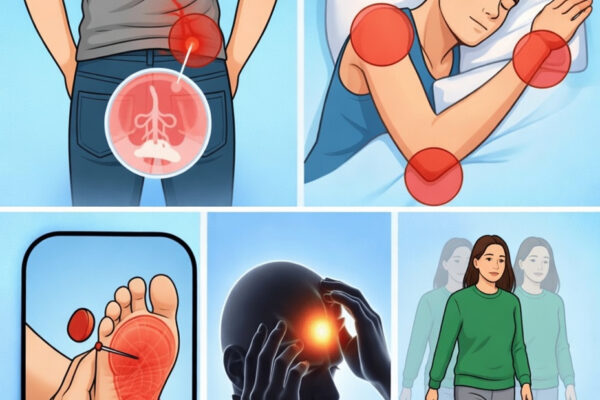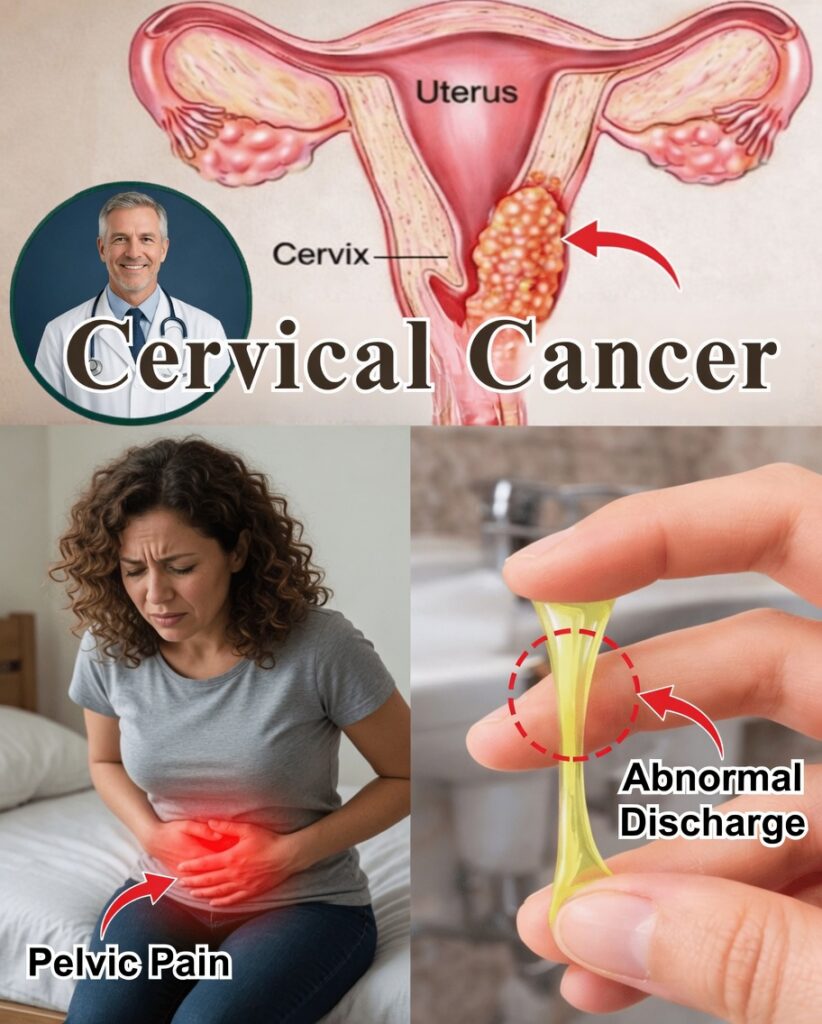
Many women notice shifts in their menstrual cycle, pelvic comfort, or day-to-day energy—and assume it’s simply “normal.” Yet uterine-related conditions are extremely common. The Office on Women’s Health reports that up to 80% of women may develop uterine fibroids by age 50, and the World Health Organization estimates endometriosis affects about 10% of women of reproductive age worldwide. These issues can trigger heavy bleeding, pain, and fatigue that disrupt work, relationships, and quality of life. When subtle symptoms are ignored, problems may worsen over time; recognizing patterns early helps you make informed decisions and seek the right care sooner.
In this guide, you’ll learn 12 common warning signs that can be linked to uterine concerns such as fibroids, endometriosis, and hormonal changes. They’re more widespread than many people realize—and there’s a practical tip at the end that can make symptom management much easier.
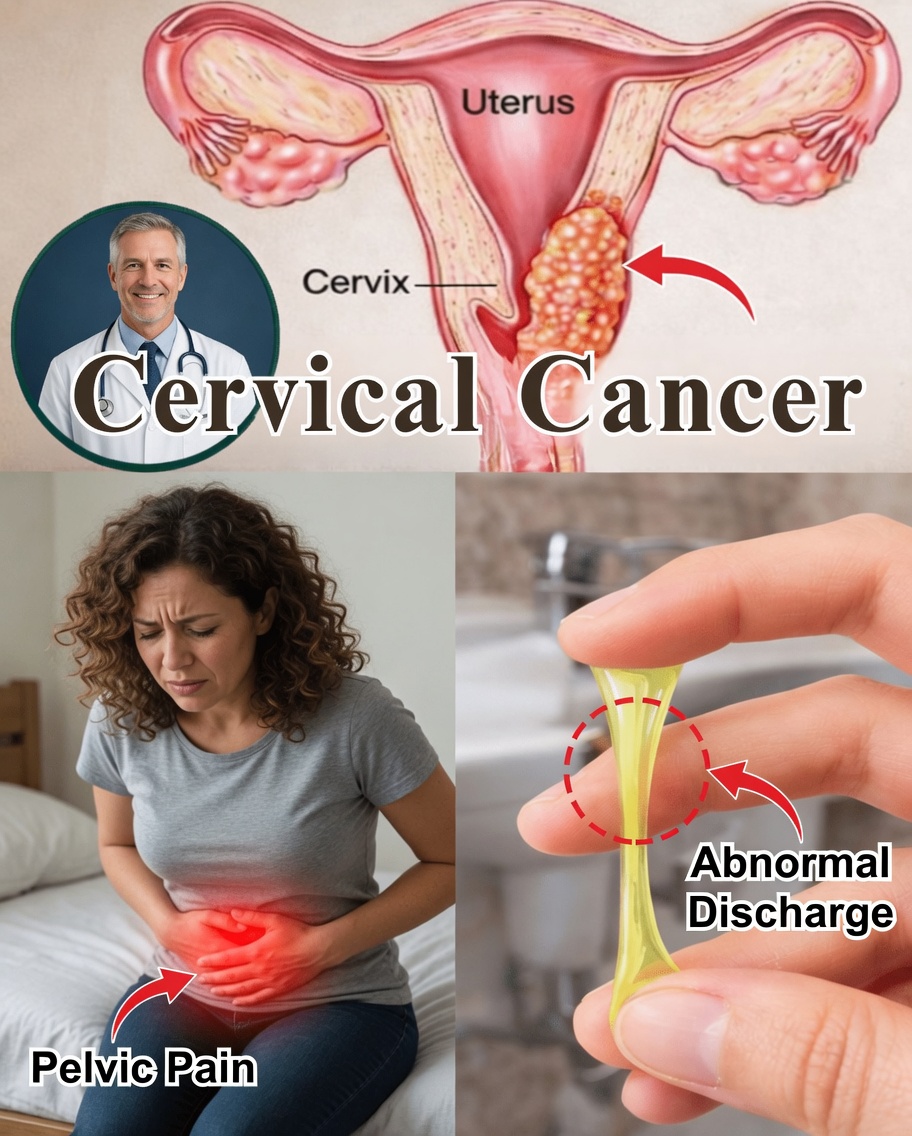
The Hidden Impact of Uterine Changes on Daily Life
For many women in their 20s through 50s, responsibilities often come first—so discomfort gets pushed aside. But research from the NICHD suggests menstrual irregularities affect roughly 14–25% of women of childbearing age, and the CDC reports heavy menstrual bleeding impacts more than 10 million women in the U.S. each year (about 1 in 5). What begins as “just a heavier period” or slightly stronger cramps can progress into:
- Anemia-related exhaustion
- Interrupted intimacy
- Persistent pelvic pressure
- Reduced ability to exercise, travel, or focus at work
These symptoms are not automatically “just part of being a woman.” They can be tied to conditions such as:
- Uterine fibroids (noncancerous growths in or on the uterus)
- Endometriosis (tissue similar to the uterine lining growing outside the uterus)
While many people try to self-manage first, learning the warning signs can help you communicate clearly with a healthcare professional and get appropriate evaluation.
Sign #1: Irregular Periods (An Unpredictable Cycle)
If your period becomes inconsistent—arriving early, arriving late, skipping months (when pregnancy is not a factor), or changing dramatically in length—it may be related to:
- Hormonal imbalance
- PCOS
- Structural causes such as fibroids
Because irregular cycles can also raise questions about fertility and general health, it helps to track dates and cycle length in an app or journal to spot recurring patterns.
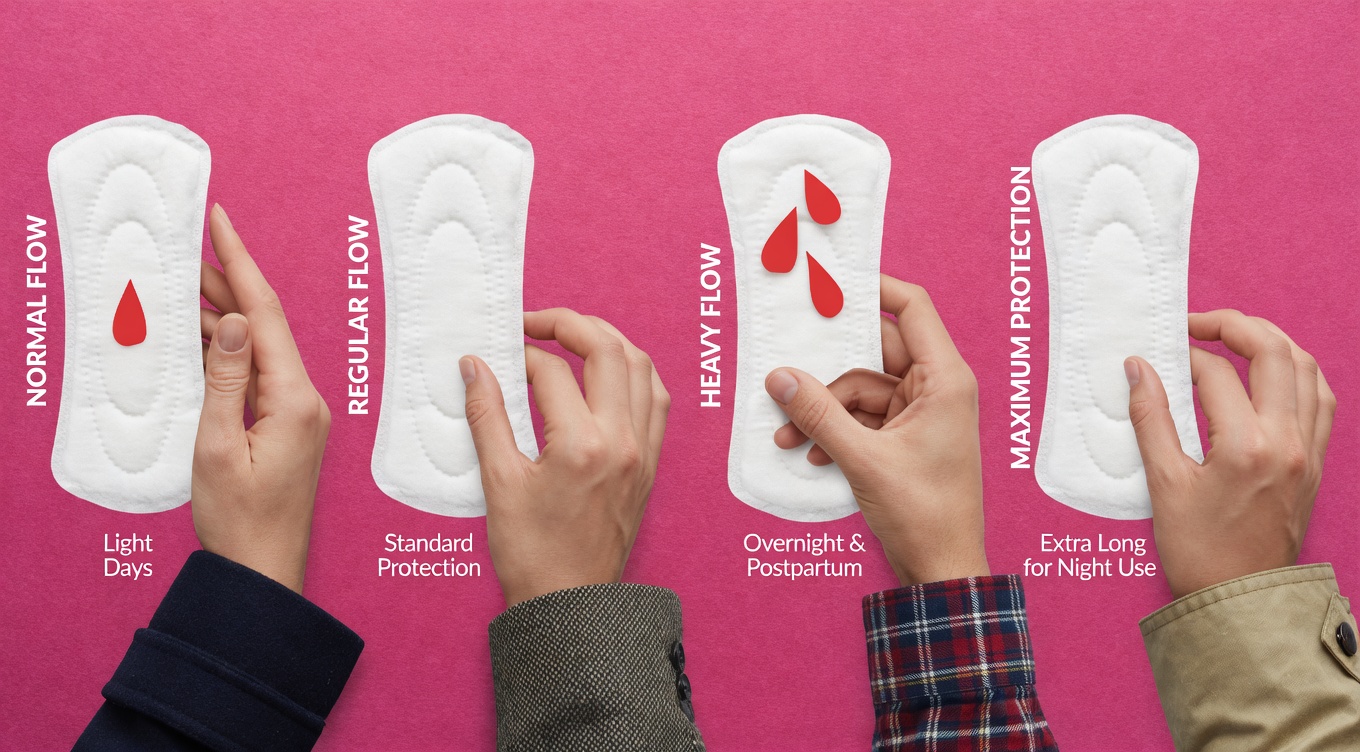
Sign #2: Heavy Menstrual Bleeding (Beyond “I Just Bleed a Lot”)
Heavy bleeding may look like:
- Soaking through pads/tampons every hour
- Bleeding longer than 7 days
- Passing large clots
This level of blood loss can drain iron stores and contribute to anemia and fatigue. It may be associated with fibroids or adenomyosis. If you find yourself planning life around bleeding, it’s a signal worth taking seriously.
Sign #3: Severe Menstrual Cramps (Pain That Stops You)
Some cramps are expected, but pain that forces you to miss work, stay in bed, or rely heavily on pain relievers can be a red flag. Severe cramps are often linked to:
- Endometriosis (affecting about 10% of women aged 15–44, per WHO)
- Fibroids
If your cramps are intensifying over time or disrupting your routine, document the severity and timing.
Sign #4: Pelvic Pain Outside Your Period (Ongoing Pressure or Ache)
Pelvic discomfort that isn’t tied to menstruation—such as heaviness, pressure, or a constant dull ache—can be connected to:
- Ovarian cysts
- Inflammation
- Growths pressing on surrounding structures
If it persists for days or weeks, it’s worth investigating rather than waiting it out.
Quick check-in: Rate your pelvic comfort today from 1–10 and write it down. Small tracking habits can reveal big patterns.
Sign #5: Pain During Intimacy (When Sex Becomes Uncomfortable)
Painful sex (dyspareunia), whether deep pelvic pain or sharp discomfort, can affect confidence and strain relationships. It’s commonly associated with:
- Endometriosis
- Fibroids
- Other pelvic conditions
Open communication with a partner helps, but persistent pain deserves medical attention—not silence.
Sign #6: Noticeable Changes in Vaginal Discharge
Discharge naturally shifts across the cycle, but sudden changes in:
- Color
- Smell
- Amount
may suggest infection (such as bacterial vaginosis or others) that can affect reproductive health. Healthy discharge is often clear/white and mild-smelling; dramatic changes should be noted and assessed.
Sign #7: Frequent Urination or Bladder Pressure
If you feel like you need to urinate constantly—especially overnight—or you notice pressure on the bladder, it may happen when uterine growths press against nearby organs.
A helpful step is to track how often it occurs and whether it worsens around your period.
Sign #8: Persistent Lower Back Pain (Not Just “Bad Posture”)
Lower back pain that shows up repeatedly—particularly around your cycle—can be linked to:
- Fibroids
- Endometriosis
- Pelvic pressure and inflammation
If typical fixes (rest, stretching, heat) don’t help, consider it part of a broader symptom pattern.

Sign #9: Unexplained Fatigue (Energy That Doesn’t Return)
Feeling tired all the time—even with good sleep—can be associated with iron deficiency/anemia, especially after months of heavy bleeding.
If fatigue is persistent and out of proportion to your lifestyle, it’s worth evaluating blood loss and iron status.
Sign #10: Difficulty Getting Pregnant (Fertility Challenges)
Trouble conceiving may sometimes be influenced by:
- Fibroids affecting implantation
- Endometriosis impacting reproductive function
- Structural or hormonal factors
A fertility evaluation can clarify whether uterine health is contributing—and what options exist.
Sign #11: Spotting Between Periods (Unexpected Bleeding)
Bleeding outside your normal cycle, including spotting mid-cycle or any bleeding after menopause, is not something to dismiss. It can be associated with:
- Polyps
- Hormonal imbalance
- Other uterine concerns
Any unexpected bleeding should be discussed promptly with a clinician.
Sign #12: Ongoing Bloating or Visible Swelling
If your abdomen frequently feels distended, you feel “pregnant,” or clothing fits tighter without changes in diet or activity, it can sometimes signal:
- Fibroids or other growths
- Cysts
- Fluid-related issues
Persistent bloating with other symptoms deserves attention.
Symptom Tracker: The 12 Signs at a Glance
- Irregular periods — hormonal shifts, PCOS, fibroids — act if changes are sudden or ongoing
- Heavy bleeding — fibroids, adenomyosis — urgent if soaking hourly or anemia signs appear
- Severe cramps — endometriosis, fibroids — when daily life is disrupted
- Pelvic pain outside periods — cysts, inflammation — especially if lasting more than a few days
- Pain during sex — endometriosis, pelvic issues — persistent discomfort matters
- Unusual discharge — infections — changes in odor/color/amount
- Frequent urination — pressure from growths — disrupts sleep or work
- Lower back pain — fibroids, endometriosis — beyond typical causes
- Unexplained fatigue — anemia from blood loss — prolonged low energy
- Trouble conceiving — uterine or structural factors — after sustained efforts to conceive
- Spotting — polyps, hormonal imbalance — any unexpected bleeding
- Bloating/swelling — growths/cysts — persistent abdominal changes
Warning Signs vs. Common Excuses
-
Heavy periods
- Often dismissed as: “It’s normal for me.”
- Possible impact: anemia, chronic fatigue, reduced quality of life
-
Pelvic or back pain
- Often dismissed as: stress or posture
- Possible impact: worsening chronic pelvic conditions
-
Spotting
- Often dismissed as: “Just hormones.”
- Possible impact: may require medical evaluation
-
Bloating
- Often dismissed as: diet or digestion
- Possible impact: can reflect ongoing uterine or pelvic changes
Practical Steps You Can Take Today
- Track consistently: Use an app or notebook for 2–3 months to log cycle dates, flow level, clots, pain (1–10), fatigue, and bladder symptoms.
- Watch your baseline: Note energy, sleep, and any triggers (stress, exercise, certain foods).
- Support your body: Choose anti-inflammatory foods (berries, leafy greens), drink enough water, and use gentle movement to reduce stress.
- Bring evidence to appointments: A symptom log helps clinicians see trends faster and ask better questions.
- Get support early: If symptoms persist, intensify, or interfere with life, schedule a medical evaluation.
Small, consistent actions can improve clarity and confidence—especially when you’re trying to understand what your body has been signaling.
P.S. One insider habit many overlook: write down one daily “body metric” (for example: pain score, energy level, or bleeding intensity). Over time, this creates a simple but powerful timeline you can use to spot triggers, track improvement, and communicate clearly with your provider.