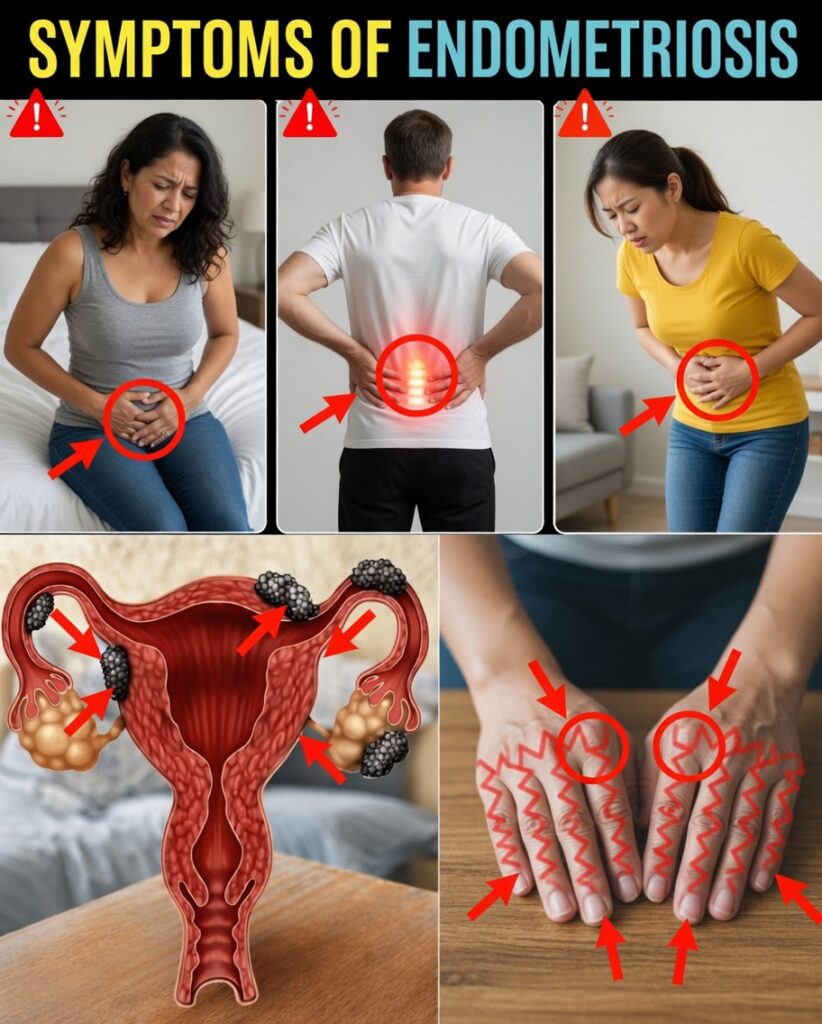
Endometriosis affects roughly 10% of women of reproductive age globally—more than 190 million people—yet many spend years searching for an explanation. Because symptoms are often minimized as “normal period pain,” it commonly takes 4 to 12 years to receive a diagnosis. During that time, people may live with ongoing pelvic pain, heavy bleeding, and exhaustion, which can gradually impact work, relationships, and overall quality of life.
If you’ve been brushing off recurring discomfort as “just how my body works,” it may be worth asking a different question: could those everyday symptoms be meaningful signals your body is trying to communicate?
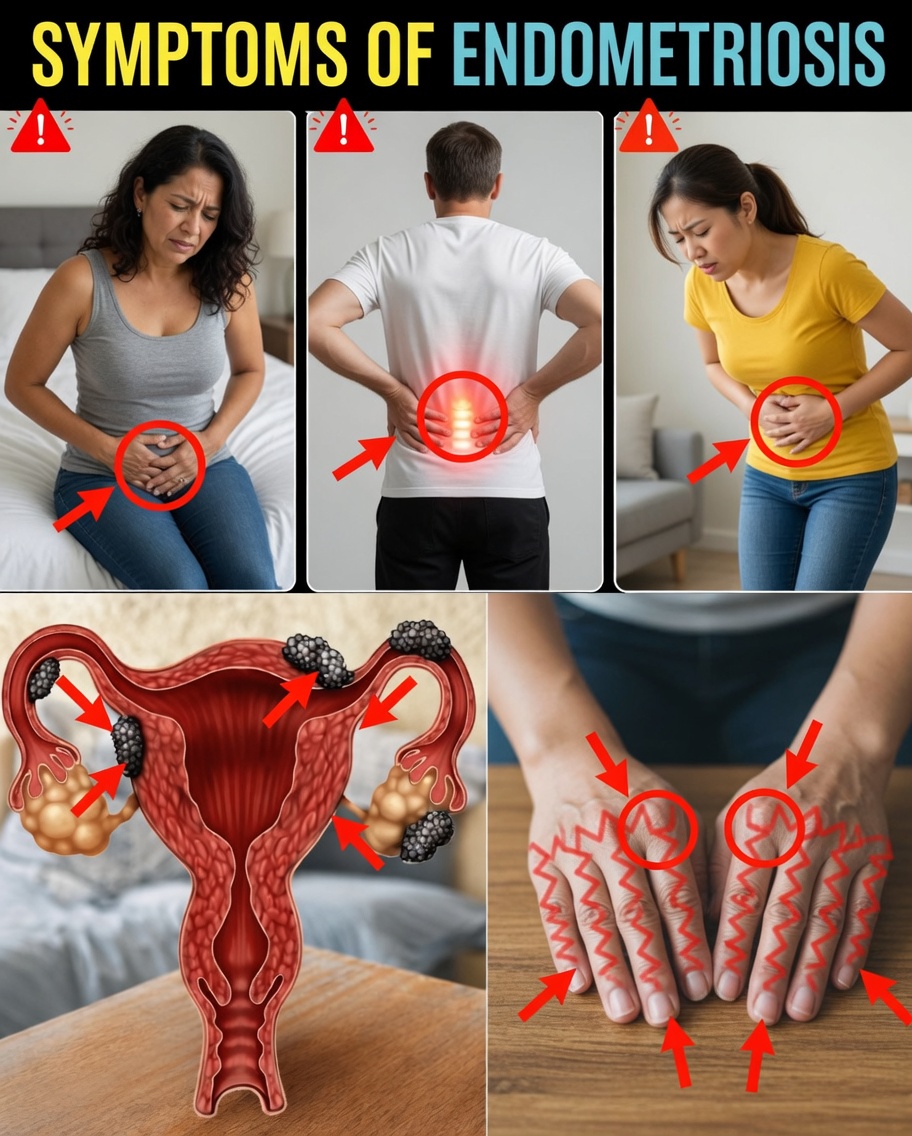
The Hidden Reality of Endometriosis
Endometriosis happens when tissue similar to the uterine lining grows outside the uterus—often on the ovaries, fallopian tubes, and other pelvic structures. Like the uterine lining, this tissue responds to hormonal shifts during the menstrual cycle. Over time, that cycle-driven activity can contribute to inflammation, irritation, adhesions (scar-like tissue), and pain, which may range from mild to debilitating.
Public health and medical sources, including the World Health Organization, note that endometriosis symptoms often overlap with other conditions. This overlap is one reason many people are misdiagnosed or told their pain is “typical.” The emotional impact can be just as heavy: feeling dismissed or unheard may intensify stress, anxiety, and low mood—especially when symptoms keep returning.
The good news is that pattern recognition can be powerful. Noticing when symptoms occur, how long they last, and what makes them worse can help you advocate for yourself and have more productive conversations with a clinician.
13 Endometriosis Warning Signs People Often Miss
1) Pelvic Pain That’s More Than “Regular Cramps”
Pelvic pain is one of the most common features of endometriosis. Unlike typical cramps, it may:
- start days before bleeding begins
- continue after your period ends
- appear throughout the cycle, not only during menstruation
- feel deep, aching, or spread into the lower back
If pain regularly interferes with daily tasks or requires more than basic at-home relief, it’s a signal worth documenting.
2) Pain During or After Sex (Dyspareunia)
Pain linked to intimacy is frequently reported and may feel deep, sharp, or stabbing, sometimes lingering afterward. This can affect confidence and relationships, and it’s often associated with endometriosis located in certain pelvic areas.
3) Very Heavy, Long, or Clotty Periods
Bleeding that soaks through products quickly, lasts longer than your usual pattern, or includes large clots may indicate more than a “heavy period.” Tracking flow consistency and how often you need to change protection can clarify whether this is persistent.
4) Lower Back or Leg Pain That Keeps Returning
Recurring pain in the lower back or pain that travels into the legs—especially when it worsens around menstruation—can happen when endometriosis affects nearby tissues or irritates nerves. A cyclical pattern is a key clue.
5) Painful Bowel Movements, Especially During Your Period
Pain with bowel movements that intensifies during menstruation is a common complaint. It may feel like cramping, pressure, or a sharp pain, and can be accompanied by other digestive discomfort.
6) Painful Urination or Noticeable Urinary Changes
Burning, urgency, or pain with urination—particularly when symptoms follow your menstrual cycle—can occur if endometriosis involves or irritates the bladder area. While less frequent than pelvic pain, it’s an important symptom to note.
7) Difficulty Conceiving
Endometriosis is found in a meaningful portion of infertility evaluations. Inflammation and scarring can affect ovulation, egg transport, and implantation. If you’ve been trying to conceive without success, it may be worth discussing endometriosis as one possible factor with a specialist.
8) Persistent Fatigue That Doesn’t Match Your Lifestyle
Many people describe exhaustion that feels disproportionate—fatigue that doesn’t resolve with sleep or rest. Because it can resemble stress, burnout, or depression, it’s often overlooked, yet it’s widely reported in endometriosis.
9) Severe Bloating (“Endo Belly”)
A swollen abdomen that makes clothing feel tight—or creates a “pregnant-like” look—can be cyclical and paired with digestive discomfort. Many describe this as one of the most frustrating day-to-day symptoms.
10) Nausea (or Vomiting) Around Your Period
Feeling nauseated during menstruation can be linked to intense cramping and hormonal activity. Prostaglandins, which play a role in uterine contractions, may contribute to gastrointestinal upset in some individuals.
11) Cyclical Sciatic or Shooting Leg Pain
Sharp, shooting pain down one or both legs that aligns with your cycle is less common, but recognized. It may suggest irritation involving pelvic nerves.
12) Pain That Gets Worse After Sitting or Standing Too Long
A deep pelvic ache that intensifies after prolonged sitting or standing may be related to adhesions or irritated tissue. Temporary postural changes can sometimes worsen symptoms.
13) Mood Changes, Anxiety, or Low Mood
Emotional symptoms—such as irritability, anxiety, or depressive feelings—may appear alongside physical pain. Chronic discomfort, disrupted sleep, and hormone-related fluctuations can all affect mental well-being.
Quick Self-Check: Track Symptoms for 1–2 Months
A short tracking period can reveal patterns that are easy to miss day-to-day. Use a notes app, period app, or notebook to log:
- Daily pelvic pain score (1–10), including pain outside your period
- discomfort during sex
- bowel or urinary symptoms
- bleeding duration and heaviness
- fatigue, bloating, nausea
- mood changes (anxiety, low mood, irritability)
- whether symptoms rise and fall with your cycle
This record can be extremely useful during medical appointments.
Common Dismissals vs. Signals Worth Exploring
- “Just bad cramps” → pain that is persistent, severe, or disabling may warrant evaluation
- “Heavy periods are normal” → frequent soaking, long duration, or large clots are important to track
- “It’s only stress” → ongoing fatigue or mood shifts may be connected to chronic pain and inflammation
- “It’s a back problem” → back/leg pain that repeatedly matches your cycle can be a clue
Practical Steps You Can Take Today
- Start symptom tracking (timing, intensity, triggers, what helps, what doesn’t).
- Book an appointment with a gynecologist or women’s health specialist and bring your notes.
- Consider supportive comfort strategies—such as gentle movement, heat therapy, or dietary adjustments—with professional guidance, especially if symptoms are severe.
- Connect with reputable support communities so you can compare experiences and feel less isolated.
Early recognition doesn’t replace diagnosis—but it can shorten the path to appropriate care and better symptom management.
Conclusion: Taking Your Symptoms Seriously Is a Form of Self-Care
Noticing these signs doesn’t mean you should self-diagnose. It means your symptoms deserve attention rather than dismissal. Many people experience meaningful improvement in daily life once long-standing pain and cycle-related issues are properly investigated. Start small: track patterns, ask questions, and seek medical guidance.
FAQ
What is the average time to diagnose endometriosis?
Research commonly reports a 4 to 12 year delay from the start of symptoms, largely because signs can overlap with other conditions and are sometimes minimized.
Can endometriosis impact mental health?
Yes. Chronic pain, disrupted sleep, and hormonal fluctuations are associated with higher rates of anxiety, low mood, and persistent fatigue for many individuals.
When should I see a doctor?
Seek medical support if pain disrupts daily activities, increases over time, or occurs alongside multiple symptoms such as heavy bleeding, bowel/bladder discomfort, or fertility concerns.
Disclaimer
This article is for informational purposes only and is not a substitute for professional medical advice, diagnosis, or treatment.