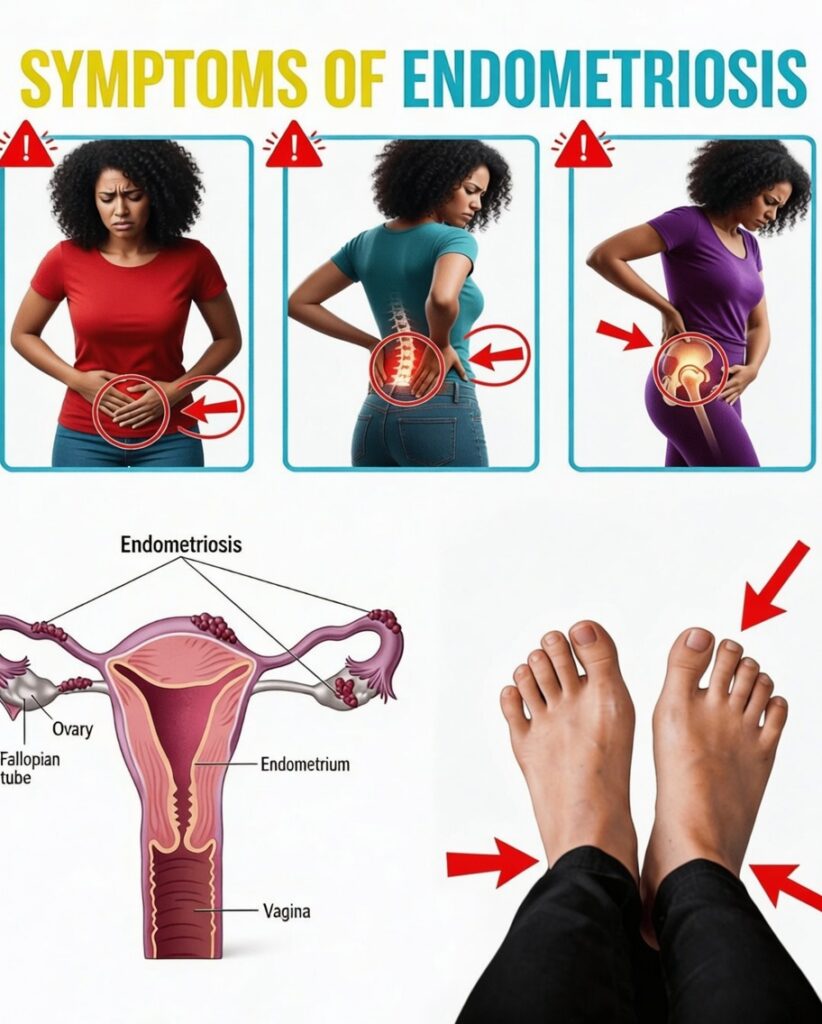
Many people living with intense period pain assume it’s simply “normal,” write off frequent bloating as stress, or blame constant tiredness on a packed schedule. Because these discomforts are so common, they’re easy to normalize. However, for millions, they may point to endometriosis—a condition in which tissue similar to the uterine lining grows outside the uterus, often triggering years of avoidable pain and disruption. Research consistently shows that an accurate diagnosis may take 7+ years on average, and in some cases nearly a decade, giving symptoms time to intensify.
The encouraging part is that spotting the pattern early can help you seek answers sooner and explore treatment and lifestyle strategies before symptoms take over daily life. Below are 13 often-missed warning signs, informed by widely trusted medical sources such as the Mayo Clinic and Cleveland Clinic. Stay with it to the end—there’s one simple daily habit that can help you recognize clues faster than you might expect.
Why Endometriosis Symptoms Are So Easy to Miss
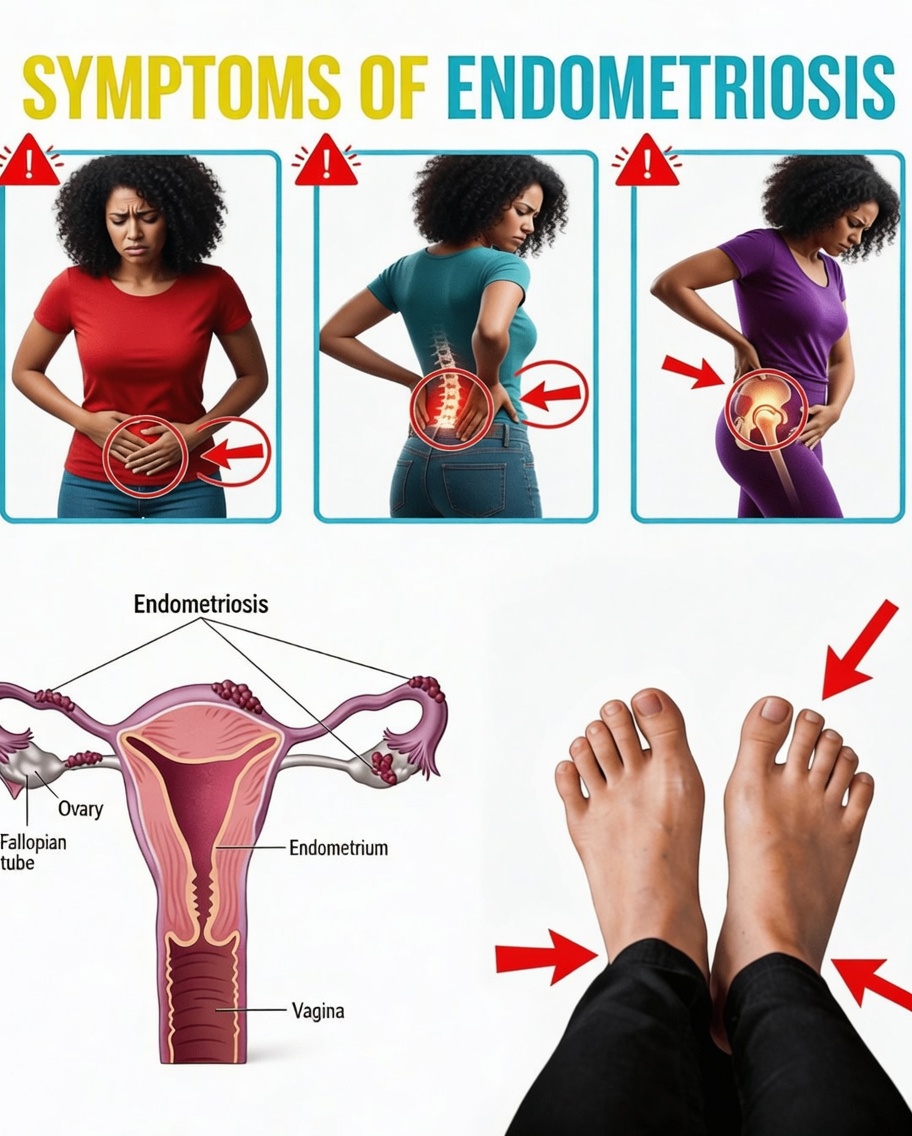
Endometriosis is estimated to affect about 10% of women of reproductive age, yet it’s frequently mistaken for issues like PMS, irritable bowel syndrome (IBS), or “regular” period discomfort. A key challenge is that symptoms may begin as pain that appears only during menstruation, then gradually become more persistent—making it harder to link symptoms back to your cycle.
Overlooking symptoms isn’t harmless. Endometriosis can be progressive, and early evaluation often supports better symptom control and quality of life.
13 Common Endometriosis Warning Signs (Often Overlooked)
1. Severe Period Cramps That Interrupt Daily Life
Cramping that starts before bleeding begins and continues for days afterward is one of the most commonly reported signs. Many describe pain that’s far more intense than typical period discomfort—enough to miss school, work, or plans. The Mayo Clinic notes this type of dysmenorrhea can also come with lower back pain and deep abdominal aching that doesn’t respond well to usual remedies.
If cramps regularly leave you unable to function, it’s worth taking the symptom seriously.
2. Ongoing Pelvic Pain Outside Your Period
Unlike cycle-only cramps, some people feel a persistent ache in the pelvis, lower abdomen, or lower back throughout the month. The Cleveland Clinic highlights that pain can fluctuate with hormonal shifts, turning into a constant issue that affects sleep, movement, and focus.
Pain that becomes part of your “normal background” may be a major signal.
3. Pain During or After Sex
Sharp, deep, or stabbing pain during intimacy (or lingering discomfort afterward) is commonly reported. This can be related to pelvic inflammation, scarring, or adhesions. Over time, it can affect relationships and confidence—many start avoiding intimacy without realizing the pain could be medically significant.
4. Heavy or Long Periods (Sometimes With Large Clots)
If you’re soaking through protection quickly, changing pads/tampons every hour or two, leaking overnight, or passing large clots, this can indicate heavy menstrual bleeding (menorrhagia). Some people also notice spotting between periods. Heavy bleeding can contribute to iron deficiency/anemia, increasing fatigue.
Comparing your experience with “normal” expectations can reveal a meaningful difference.
5. Painful Bowel Movements or Urination—Especially Around Your Period
Endometriosis can affect or irritate nearby organs, causing symptoms that flare with menstruation, such as:
- Pain with bowel movements
- Diarrhea or constipation
- Strong urgency
- Blood in stool or urine (in some cases)
Because these symptoms can resemble IBS or urinary issues, the cycle-linked timing is often the key clue.
6. Constant Fatigue and Mental “Fog”
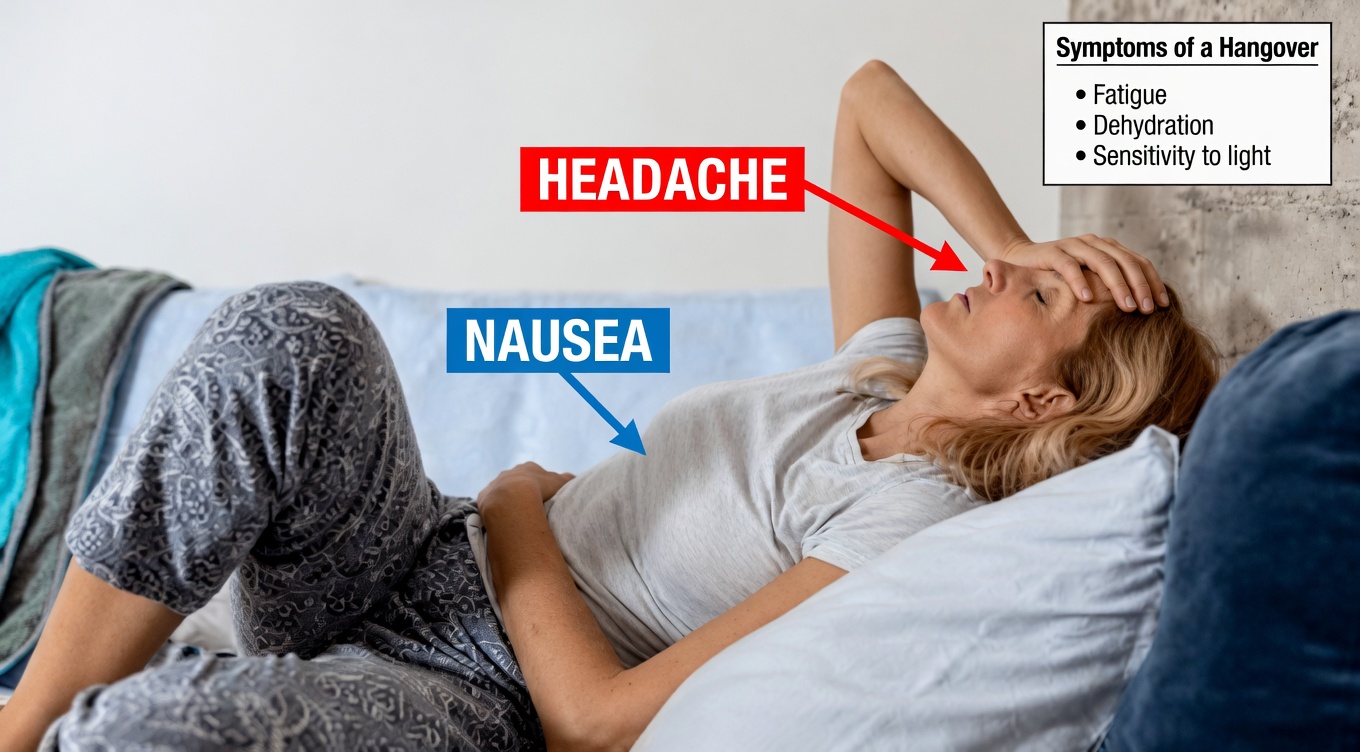
Many people report feeling drained even after adequate sleep, especially around their period. Chronic inflammation and pain can contribute to exhaustion and difficulty concentrating. If daily tasks feel unusually hard, it may not be a motivation issue—it may be a health issue.
7. Recurring Bloating, Nausea, or Digestive Flare-Ups
Cyclical digestive symptoms are common, including:
- Abdominal swelling (“endo belly”)
- Nausea
- Appetite changes
- IBS-like discomfort that worsens before or during menstruation
If bloating and digestive upset follow a monthly pattern, that timing matters.
8. Trouble Getting Pregnant After Months of Trying
Fertility challenges affect a substantial portion of people with endometriosis—often due to inflammation, scar tissue, or disrupted reproductive function. If pregnancy hasn’t occurred after 6–12 months of regular unprotected sex (timing depends on age and circumstances), it’s reasonable to discuss evaluation.
The emotional strain of unexplained delays is real—and support is available.
9. Pain That Radiates to the Back, Hips, or Legs
Some experience pain that spreads beyond the pelvis—into the lower back, hips, thighs, or even mimics sciatica. This may be related to irritation or involvement of pelvic nerves. It can show up mainly during periods or persist more often.
A useful clue: pain that “travels outward” from the pelvic area.
10. Irregular Bleeding or Unexpected Spotting
Cycles that become unpredictable—spotting mid-cycle, inconsistent timing, or unusual bleeding patterns—can be associated with hormonal and inflammatory effects. Tracking bleeding patterns can help you notice trends that are hard to recall from memory.
11. Cycle-Linked Anxiety, Irritability, or Low Mood
Living with chronic pain can affect mental health, and inflammation may also play a role. Some people notice mood changes that intensify around menstruation, including anxiety, irritability, or depressive symptoms. Emotional impacts deserve the same attention as physical symptoms.
12. Rare but Serious Chest Symptoms (Thoracic Endometriosis)
In rare cases, endometriosis involves the chest area, causing symptoms such as:
- Chest pain
- Shortness of breath
- Coughing blood
- Symptoms that occur around menstruation
These signs warrant urgent medical attention, especially if they’re cycle-related.
13. Symptoms That Gradually Escalate Over Time
A common story is progression: what once felt manageable becomes more frequent, more intense, and more disruptive—impacting work, relationships, and well-being. With endometriosis, patterns over time often matter more than one isolated symptom.
Quick Symptom Overview
- Severe cramps — Often before/during period — Inflammation and tissue response — Seek help if it disrupts normal life
- Chronic pelvic pain — Any time — Ongoing lesions/irritation — Concerning if persistent or increasing
- Painful intercourse — During/after sex — Adhesions/scarring/inflammation — Especially if it affects relationships
- Heavy/prolonged bleeding — During period — Hormonal/inflammatory effects — If frequent changes or large clots
- Painful bowel/urination — Around period — Possible organ involvement — If clearly cycle-linked
- Fatigue/brain fog — Ongoing, often worse during period — Chronic inflammation/pain burden — If unexplained or severe
- Bloating/nausea — Pre/during period — Gut involvement/irritation — If frequent and cyclical
- Difficulty conceiving — Ongoing — Scarring/inflammation — If trying >6–12 months
- Back/hip/leg pain — Period-related or constant — Nerve irritation — If radiating or limiting mobility
- Irregular spotting — Between periods — Hormonal/tissue response — If unexpected or recurrent
Practical Steps You Can Take Now
A simple daily habit that helps: track symptoms consistently for 2–3 cycles. Use a notes app, a journal, or a period tracker.
- Log daily details: pain location, intensity (1–10), duration, and triggers (exercise, sex, bowel movements, stress).
- Record related symptoms: digestion changes, bleeding patterns, fatigue, sleep disruption, and mood shifts.
- Bring your log to an appointment with a gynecologist or women’s health specialist.
- Share key context: family history, fertility goals, and how symptoms have changed over time.
- Ask about next-step evaluation: imaging (ultrasound or MRI) and whether referral to an endometriosis specialist is appropriate.
Online support communities can be helpful for validation and coping strategies—but always pair shared experiences with professional medical advice.
Frequently Asked Questions
How long does an endometriosis diagnosis usually take?
Multiple studies suggest the average time from first symptoms to diagnosis is 7 years or longer, largely because symptoms overlap with common conditions and period pain is often normalized.
Can symptoms get better without treatment?
Endometriosis is often described as progressive, meaning symptoms may persist or worsen over time. Some people experience fluctuations, but ongoing or escalating symptoms deserve medical evaluation and a personalized management plan.