Cancer Warning Signs in Women: 14 Subtle Symptoms You Shouldn’t Ignore
Cancer is still one of the top causes of death among women in the United States. The good news is that spotting early warning signs of cancer can dramatically change outcomes. Research consistently shows that women who act quickly after noticing unusual symptoms often receive earlier-stage diagnoses and, in many cases, have better survival rates than those who wait.
The challenge is that many early cancer symptoms are easy to brush off as “nothing serious”—until they persist or worsen. This guide walks you through 14 potential cancer warning signs in women, with practical guidance on when to seek medical advice.
Why These Symptoms Are So Often Missed
Women’s bodies naturally change across life stages—menstrual cycles, pregnancy, postpartum recovery, perimenopause, and menopause. Because of that, symptoms like fatigue, bloating, or irregular bleeding can feel “normal,” even when they aren’t.
Surveys and clinical experience show that many women delay care for symptoms that could point to conditions such as breast cancer, ovarian cancer, cervical cancer, and colorectal cancer. That delay can allow a treatable issue to progress into something far more serious.
The key takeaway: persistence matters. A symptom that is new, unexplained, getting worse, or not resolving deserves attention.
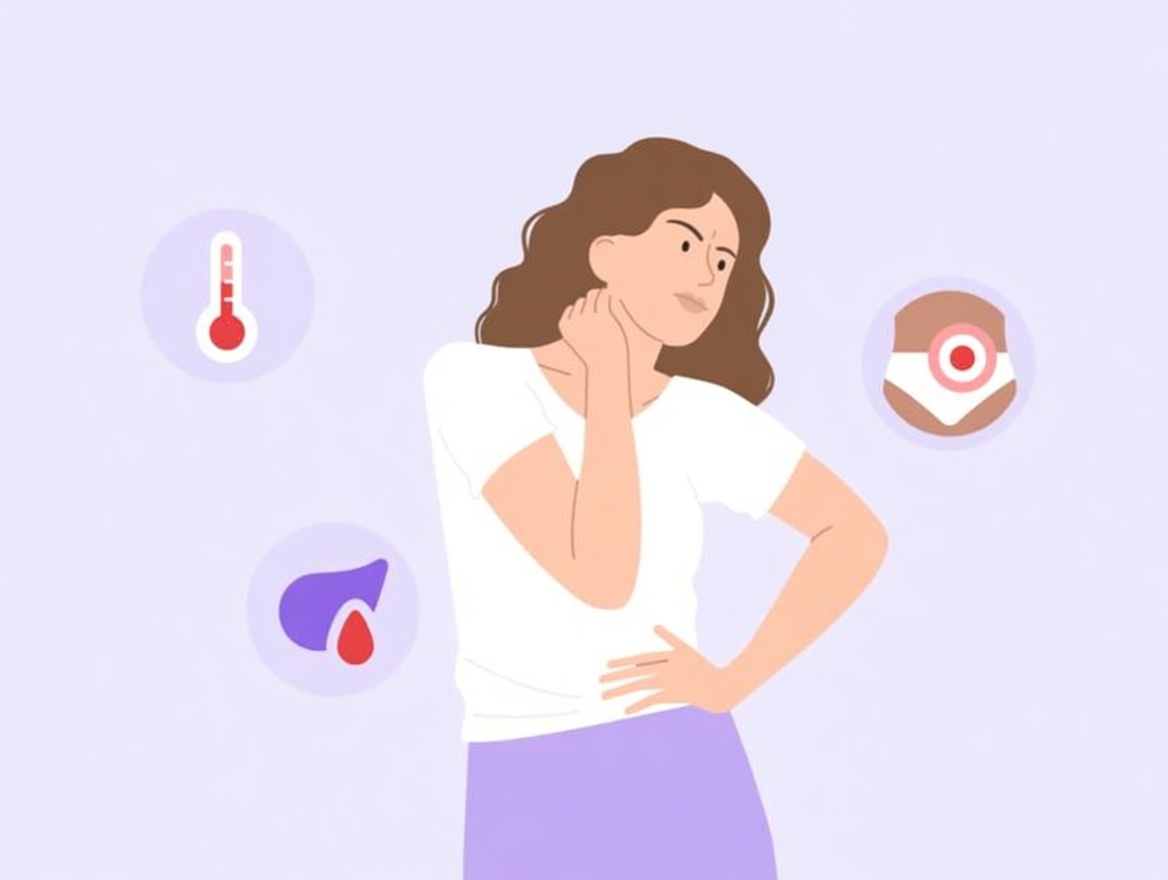
14 Potential Cancer Warning Signs in Women
1) Unusual Vaginal or Rectal Bleeding
Spotting between periods, bleeding after sex, or any bleeding after menopause should never be ignored. While benign causes exist, unexplained bleeding can be linked to cervical cancer, endometrial (uterine) cancer, or colorectal cancer.
- Act fast if: bleeding is new, recurrent, heavy, or occurs after menopause.
2) Unexplained Weight Loss
Losing weight without changing diet, exercise, or routine can be a warning sign. In some cancers, the body’s metabolism changes, appetite drops, or nutrient absorption is affected—often seen with gastrointestinal cancers, among others.
- Act fast if: you lose 10+ pounds unintentionally or feel weak alongside weight loss.
3) Breast Changes or Breast Pain (Not Just a Lump)
Breast cancer doesn’t always begin with a clear lump. Watch for skin thickening, dimpling, redness, swelling, nipple discharge, or pain that doesn’t match your usual cycle pattern.
- Act fast if: you notice new visible changes, a persistent area of discomfort, or unusual discharge.
4) Changes in Moles or Skin Spots
Most moles are harmless, but changing ones require evaluation. Use the ABCDE rule:
- Asymmetry
- Border irregularity
- Color variation
- Diameter over ~6 mm
- Evolution (change over time)
Bleeding or rapidly changing spots can signal melanoma, where early detection is especially critical.
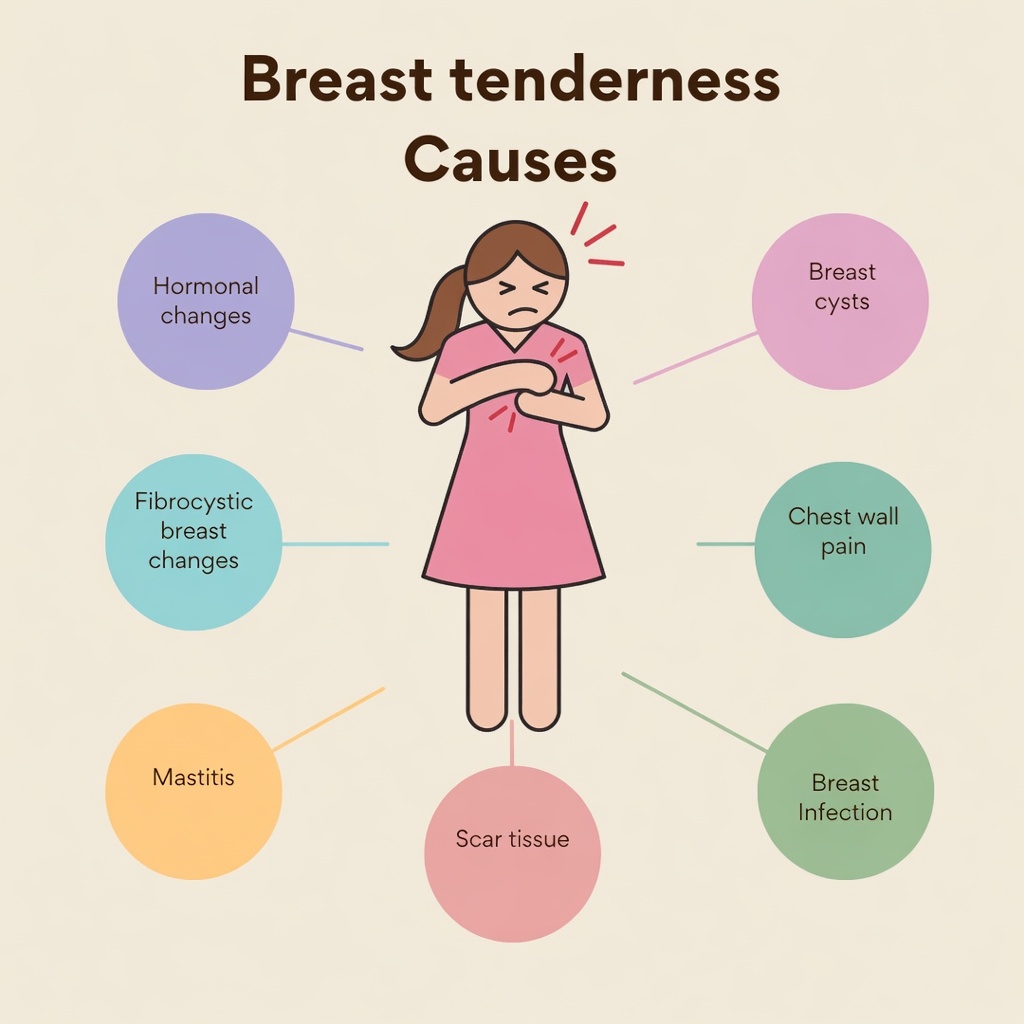
5) Persistent Bloating or Pelvic Pain
Bloating that doesn’t improve, pelvic pressure, feeling full quickly, or urinary urgency can be vague—but these are classic “easy to miss” symptoms associated with ovarian cancer.
- Act fast if: symptoms persist longer than a few weeks, occur most days, or are clearly new for you.
6) Extreme Fatigue That Doesn’t Improve With Rest
Cancer-related fatigue can feel overwhelming and different from everyday tiredness. If you’re exhausted despite adequate sleep—and there’s no clear explanation—it’s worth discussing with a clinician.
- Act fast if: fatigue is persistent, worsening, or paired with other symptoms (weight loss, night sweats, bleeding).
7) Irregular, Heavy, or Painful Periods
Hormonal shifts can affect cycles, but very heavy bleeding, prolonged periods, or severe pain can also be associated with conditions that require evaluation, including cervical disease (and other gynecologic issues).
- Act fast if: bleeding becomes unusually heavy, lasts longer than usual, or significantly disrupts daily life.
8) Drenching Night Sweats (Not Explained by Menopause)
Hot flashes are common during menopause, but soaking night sweats, especially when paired with fever or weight loss, can be linked to serious illnesses including lymphoma.
- Act fast if: night sweats are severe, frequent, and accompanied by other systemic symptoms.
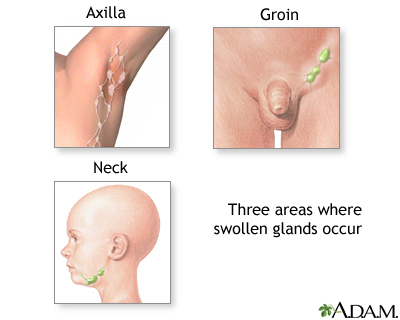
9) Swollen Lymph Nodes That Don’t Go Away
Lymph nodes can enlarge with infection, but they should shrink as you recover. Persistent swelling—particularly in the neck, armpit, or groin—can be associated with lymphoma or other cancers.
- Act fast if: swelling lasts more than two weeks or continues to grow.

10) Blood in Stool
Even a small amount of blood in the stool should be taken seriously. While hemorrhoids are common, blood can also signal colorectal cancer or other gastrointestinal conditions.
- Act fast if: you see visible blood, notice black/tarry stool, or have ongoing bowel changes.
11) A Cough That Lasts for Weeks
A lingering cough that doesn’t resolve—especially if it includes blood, chest pain, or shortness of breath—needs evaluation. Persistent cough can be linked to lung cancer or other significant conditions.
- Act fast if: the cough persists beyond 2–3 weeks without improvement.
12) New, Severe, or Worsening Headaches
Headaches are common, but a major change in pattern or intensity can be a red flag. In some cases, imaging is necessary to rule out serious causes, including brain tumors.
- Act fast if: headaches are sudden, unusually intense, progressive, or come with neurological symptoms.
13) Mouth Sores That Don’t Heal or Persistent Jaw Pain
Sores that persist, unexplained jaw pain, or difficulty swallowing may require assessment—especially for those who smoke or drink alcohol, due to higher risk of oral cancer.
- Act fast if: a sore lasts more than two weeks or worsens.
14) Ongoing Urinary Problems or Blood in Urine
Burning, urgency, frequent urination, or blood in urine may be a UTI—but recurring or persistent symptoms can point to bladder or kidney issues, including cancer.
- Act fast if: symptoms return repeatedly, don’t improve with treatment, or include visible blood.
Quick Guide: When to Take Symptoms Seriously
| Sign | Often Mistaken For | Possible Cancer Link | When to Act |
|---|---|---|---|
| Unusual bleeding | Menopause, normal cycles | Cervical, endometrial, colorectal | Any postmenopausal or unexplained bleeding |
| Unexplained weight loss | “Good progress” | Various cancers | 10+ lbs lost without trying |
| Breast changes | PMS or cycle shifts | Breast cancer | New lump, redness, dimpling, discharge |
| Mole changes | Aging, sun spots | Melanoma | Any ABCDE changes or bleeding |
| Bloating/pelvic pain | Digestion, period symptoms | Ovarian cancer | Persistent for weeks or worsening |
| Extreme fatigue | Stress, busy schedule | Many cancers | Ongoing and not relieved by rest |
| Irregular/heavy periods | Hormonal changes | Cervical/uterine concerns | Heavy/prolonged or new severe pain |
| Drenching night sweats | Menopause | Lymphoma | Soaking sweats + fever/weight loss |
| Swollen lymph nodes | Infection | Lymphoma | Lasting more than 2 weeks |
| Blood in stool | Hemorrhoids | Colorectal cancer | Any visible blood or recurrent episodes |
| Chronic cough | Allergy/cold | Lung cancer | Persists 2–3+ weeks |
| Worsening headaches | Stress, migraines | Brain tumor | New pattern, severe, progressive |
| Mouth sores | Canker sores | Oral cancer | Not healing after 2 weeks |
| Urinary issues | UTI | Bladder/kidney cancer | Recurrent, persistent, or blood present |
Conclusion
Not every symptom on this list means cancer. However, early cancer detection often depends on noticing what’s new, persistent, or unusual—and getting it evaluated promptly. If any of these warning signs sound familiar, schedule an appointment with a healthcare professional and advocate for clear answers. Timing can matter.
Frequently Asked Questions (FAQ)
What should I do if I notice unexplained bleeding?
Contact your healthcare provider as soon as possible—especially if the bleeding is postmenopausal, happens between periods, or appears without a clear cause. It may be linked to cancer or another condition that needs treatment.
Is weight loss always a sign of cancer?
No. But unintentional and unexplained weight loss, especially when sudden or paired with fatigue or weakness, should be evaluated because it can be associated with several cancers and other medical issues.
How can I check for breast changes at home?
Do regular self-checks by noticing new lumps, thickening, skin dimpling, nipple changes, redness, or discharge. If anything changes or persists, book a clinical exam and follow screening recommendations (such as mammography) for your age and risk profile.